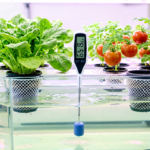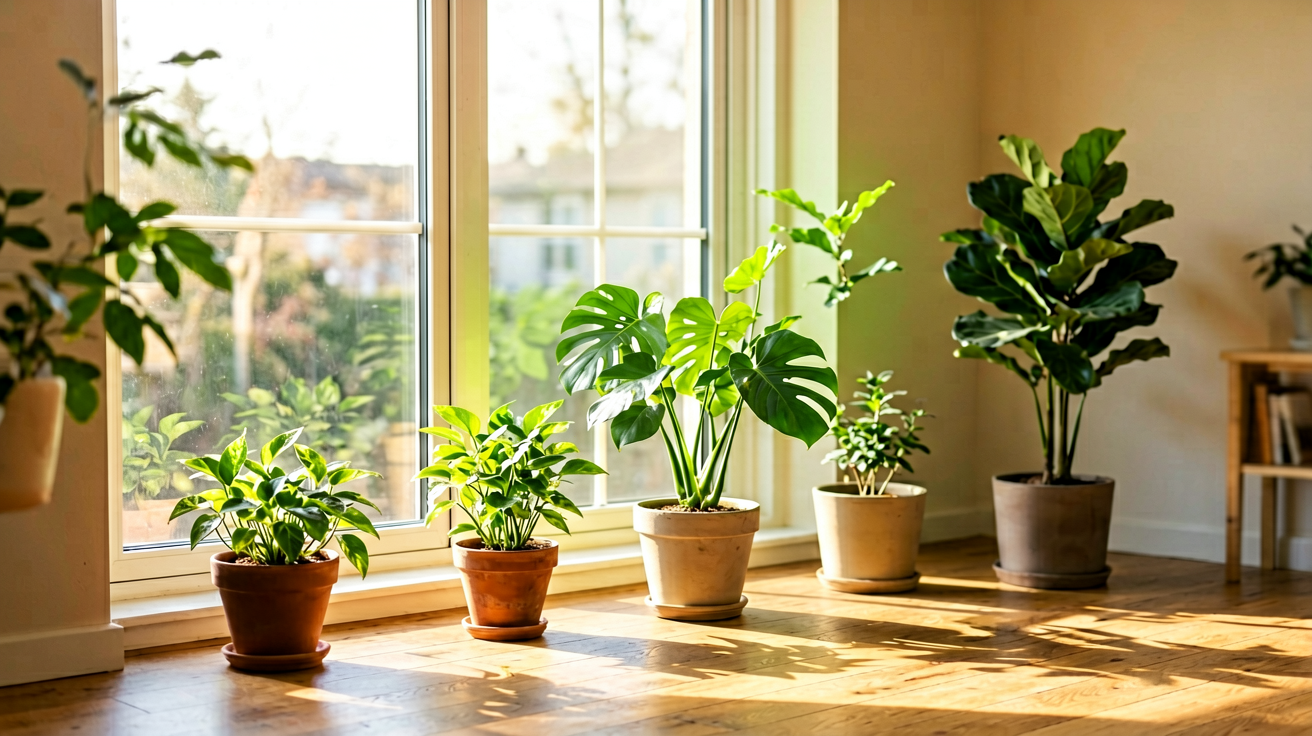

Light is the single most important decision you make for an indoor plant; not the pot, not the soil, not the watering schedule. Get the light level wrong and no amount of perfect watering rescues the plant; get it right and the plant largely takes care of itself.
Plant tags use four words for light: low, medium, bright indirect, direct. Every houseplant care article defines them locally with no shared framework.
That is why your best plants for low light list and your snake plant care guide and your monstera light requirements page each give you a slightly different answer to the same question.
Indoor light falls into four tiers. Each has a numeric range in foot-candles or lux, a typical window direction, a tell-tale visual cue, a set of plants that thrive, and a common mistake.
The tiers also map back to a plant care routine: low light pairs with a longer watering schedule and a lower humidity tolerance, bright indirect pairs with weekly watering and steady growth, and direct light pairs with the dry air and fast drainage that succulents and herbs want. Once you can name your room, picking a plant becomes obvious.
Why Light Is the Single Most Important Decision for Indoor Plants
A plant indoors lives on the light that crosses a small rectangle of glass. That light drives photosynthesis, which drives growth, which drives whether the plant survives the season.
A pothos in a dark corner is not “resting”; it burns through its reserves until the leaves yellow and drop. A succulent in a north window stretches toward a light source it can never reach, leaving pale weak stems.
Light is also the constraint you cannot fix with effort. You can repot a root-bound plant. You can raise humidity with a pebble tray. You cannot meaningfully increase the photons a north-facing window delivers in winter.
That is why every indoor plant care guide, every houseplant types guide, and every houseplant glossary in this cluster keeps coming back to light first. Light belongs to the room, not to the plant, and the indestructible reputation of snake plant and ZZ is really a reputation for tolerating the wrong room better than the rest.
Treat it as a fixed condition when you shop, and match the plant to the light level instead of forcing the light to match the plant. The forgiving species (snake plant, ZZ plant, pothos, cast iron plant) all tolerate a wider light band; the demanding species (orchids, African violet, fern, calathea, anthurium) all demand a narrower one. Pick the species band first, then place the plant where the room already lives.
The 4 Indoor Light Levels: A Framework Every Plant Tag Uses
Every plant tag, every houseplant care guide, every indoor houseplants guide, every nursery shelf uses these four words. Most readers meet them as decoration; here is what they actually mean, with the numbers attached.
The framework sits underneath indoor houseplant selection end to end: a snake plant care guide, a monstera care guide, and a pothos care guide each name the tier they want, but none define the tiers themselves. This page does, so the cluster links back to one shared definition.
The same framework powers the easy houseplant, beginner houseplant, pet-safe, and air-purifying pages across the indoor gardening cluster; each is a cross-cut on the same light tier and collapses back to the same four levels.
| Tier | Foot-candles | Lux | Typical window | Indicator species |
|---|---|---|---|---|
| Low light | ~50 to 200 FC | ~500 to 2,000 lux | A few feet from any window; dim interior | Snake plant, ZZ plant, pothos, cast iron plant |
| Medium indirect light | ~200 to 500 FC | ~2,000 to 5,000 lux | East-facing window set back 3 to 6 feet; bright interior room | Pothos, philodendron, peace lily, prayer plant |
| Bright indirect light | ~500 to 1,000 FC | ~5,000 to 10,000 lux | South- or west-facing window set back 4 to 8 feet; directly at an east window | Monstera, fiddle leaf fig, rubber plant, hoya |
| Direct light | ~1,000+ FC | ~10,000+ lux | Sun hits the leaves for 4+ hours, usually south or unobstructed west | Succulents, cacti, herbs, many flowering plants |
Foot-candles and lux measure the same thing; one foot-candle equals roughly ten lux, which is why the lux column runs about ten times higher.
These tiers describe usable light, not peak light. A south window that gets 4,000 foot-candles at noon delivers about 200 foot-candles through a sheer curtain, shifting the room from “direct” to “bright indirect.” Curtains matter.
How to Measure Your Home’s Light Without a Meter
You do not need a light meter for a useful read. Three checks answer the placement questions that show up in any houseplant care guide: which indoor houseplants fit this corner, which indoor plant belongs in this room, and where to put a new pothos or philodendron when the tag says “bright indirect”.
Skipping this step is why so many readers end up overwatering in a low light spot where the soil moisture lingers, then show up searching why is my plant dying, why are the leaves turning yellow, or where to put this low-maintenance office desk plant so the brown tips stop.
The shadow test. At midday, hold your hand a foot above a sheet of paper where you would put a plant. If the shadow is sharp and well-defined with crisp edges, you are in bright or direct light.
If the shadow is soft but the outline is readable, you are in medium indirect. If you cannot read your own newspaper on the brightest part of the day, you are in low light. This single test catches 80 percent of placement errors and works for tropical foliage, succulents, ferns, palms, herbs, and pretty much every houseplant type the indoor gardening cluster covers.
Soft but readable shadow is medium indirect; unreadable at noon is low light. The same test covers tropical foliage, succulents, ferns, and herbs alike.
The 3-feet rule. Light intensity drops roughly 50 percent for every 3 feet from a window; a plant thriving 1 foot from a south-facing window is starving at 4 feet.
What looks like a small shift in placement is a halving or quartering of light. When a plant is leggy or stretching, the first move is rarely a bigger pot; it is 3 feet closer to the glass.
The window-direction myth: “north = low, south = direct.” Mostly true at mid-latitudes in summer, often wrong the rest of the year. In winter at 40°N, an unobstructed south-facing window delivers direct light most of the day.
In tropical latitudes, a north-facing window can be the brightest in the house. Latitude, season, and outside obstructions shift the answer more than compass direction; verify with the shadow test, not the compass.
A basic light meter runs about twenty dollars and removes the guesswork. The same companion page walks through how to use one, what the readings mean, and how seasonal shifts change your indoor gardening calendar.
Low Light Houseplants: What Thrives and What Only Survives
Low light stays below 200 foot-candles for most of the day, three to ten feet from a window or in a room with small or north-facing windows. This is the tier most readers worry about and the one most overclaimed by plant tags; many “low light tolerant” plants are simply plants that decline slowly enough to look acceptable for a season.
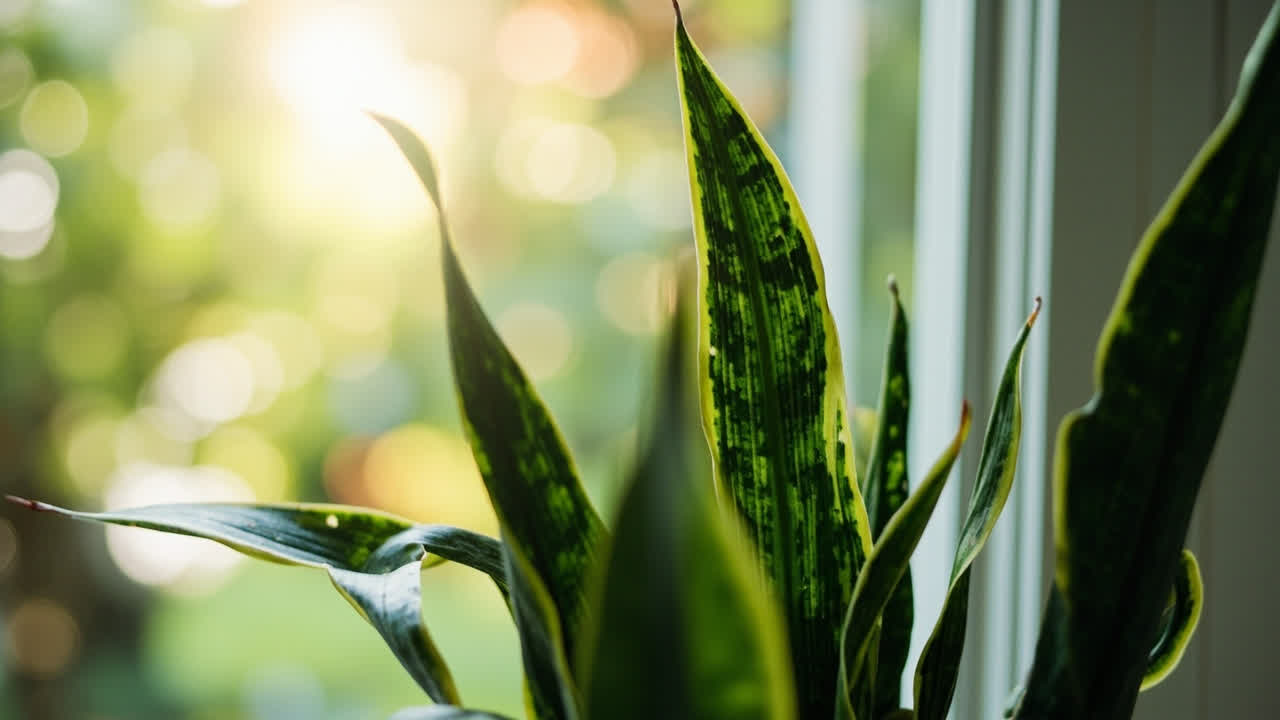
What actually thrives. Snake plant, ZZ plant, pothos, cast iron plant, and aglaonema are the dependable choices, built for modest light: slow growth, deep green leaves, and tolerance for the dim hallway.
These are the easy houseplants and beginner houseplants the rest of this cluster leans on as the dependable picks. Their tolerance for low light, low-maintenance watering schedule, and pet-safe reputation (with snake plant being the well-known exception; mildly toxic to cats and dogs per ASPCA) make them the default answer when a reader asks what to grow in a dim room. None of them need a humidifier to look presentable, which is the quiet reason beginners gravitate to this group.
These are the low-light houseplants that actually thrive rather than merely survive: deep green leaves stay intact through winter, internodes stay short, and they accept the dry indoor humidity that crispier tropical foliage plants refuse. Peperomia, parlor palm, and dracaena round out the dependable list, though they slow almost to a stop in true low light.
They will not flourish, but they will look the same in year one and year three, which is the honest deal you make with low light: survival in exchange for slow growth.
What only survives. Most other “low light” recommendations are selling you a slow decline. A peace lily in a dark corner wilts dramatically when soil moisture swings between underwatering and soggy, and it blooms once a year if at all. A fern in a north window gets brown edges within months from the dry indoor humidity and leggy stems from the weak light.
The pattern is consistent: bright-leaf tropicals (calathea, anthurium, prayer plant) all develop yellow leaves and brown tips in true low light because the humidity and the light intensity fail together. Yellowing lower leaves, leaf drop, and leggy stems all point to the same root cause: not enough usable light reaching the leaves. A stressed light-starved plant also pulls mealybug, spider mite, and fungus gnat faster than a healthy one, so the same low-light corner that causes yellowing often comes with a pest problem the reader blames on bad luck.
If you want flowers or fast growth, you do not have low light; you have the wrong tier for the plant. The reliable easy houseplants all want more light than a true low light corner delivers, which is why the cluster’s beginner houseplant list leans so heavily on snake plant, ZZ, and pothos.
Common mistake. Treating any room with a window as low light. Medium indirect starts roughly 3 feet from an east window or in a bright interior with light bouncing off white walls; if you can read a book without a lamp at noon, you are probably in medium light.
Recalibrate before you buy a “low light” plant that is actually going to want more light and humidity than the room delivers. Overwatering in low light is the companion mistake: soil stays damp longer than the beginner expects, and root rot follows.
For a deeper dive into shade picks, our best low light plants for bedroom guide narrows the tier to one specific room, and our low light plants complete guide covers the framework end to end.
Medium and Bright Indirect Light: Where Most Plants Actually Live
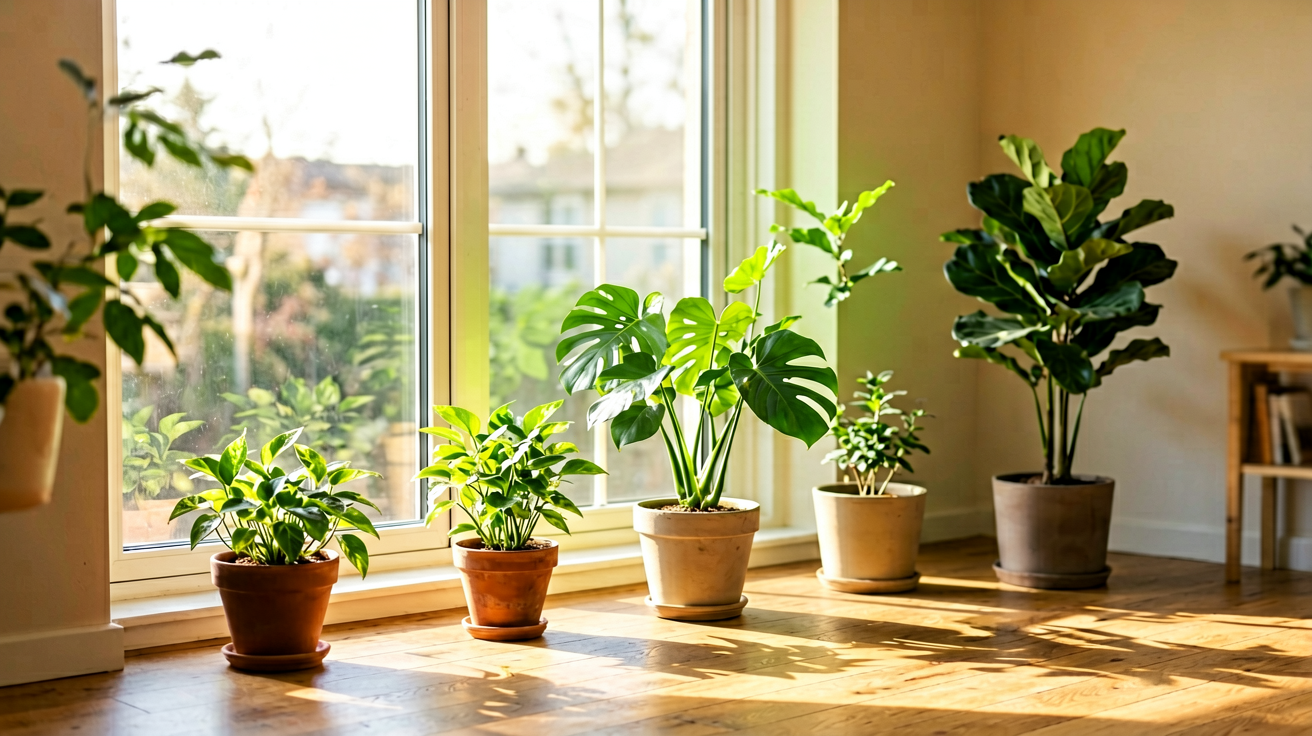
Most houseplants in a nursery are labelled “bright indirect,” and most people kill them by reading “bright” and putting the plant in a sunny window. Bright indirect means bright room, no sun on the leaves; the two tiers stack on the same window, with medium indirect a few feet further back than bright indirect.
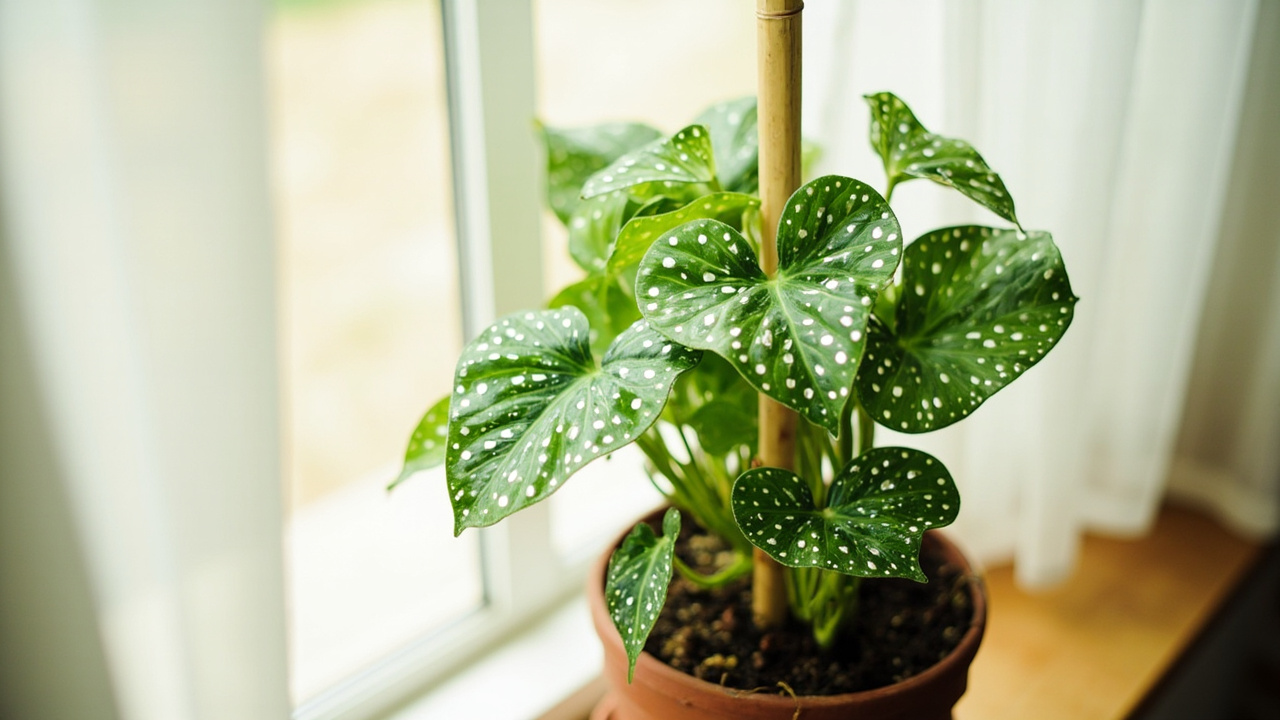
Medium indirect (~200 to 500 FC). The workhorse tier. Pothos in its variegated form, philodendron heart-leaf, peace lily, prayer plant, most ferns, and begonias all live here. East-facing windows set back 3 to 6 feet, west-facing windows 6 to 8 feet, bright rooms with white walls.
Water propagation works brilliantly for most of these plants, which is why the indoor gardening community treats pothos and philodendron as the default starter plants. Trim a stem below a leaf node, drop it in water, and you have a new plant in a few weeks. Light is also what lets the plant actually use fertilizer: without enough photons, the nitrogen and potassium in your NPK feed sit unused in the soil, and you see chlorosis on the newer leaves rather than the growth you were hoping for.
The same tier is also where a humidity tray earns its keep, because most of these tropical foliage species want relative humidity around 50 percent or higher.
Growth is steady, leaves stay compact, internodes stay short, and the soil dries predictably on a weekly schedule. Spider plant, peperomia, and most calathea varieties sit here as well, though they push toward higher humidity than the typical living room delivers. Pinching the growing tip here encourages lateral branch development, which is how you get the bushy shape instead of the leggy single-stem look that comes from chasing more light by stretching.
Bright indirect (~500 to 1,000 FC). Monstera, fiddle leaf fig, rubber plant, hoya, and birds nest fern all want this tier: directly at an east-facing window, or 4 to 8 feet back from a south- or west-facing window with a sheer curtain.
Most plants in this tier want a weekly watering schedule, a well-draining soil mix with perlite, and enough light that they can store energy for the next growth flush. Watch for brown tips and leaf curl, the two failure signals that come first when light is borderline or humidity is too low; together they trace the same root cause, because transpiration slows down when light drops, and transpiration is what pulls mineral nutrients up to the leaves in the first place.
Many flowering houseplants live here, including African violet, anthurium, and orchids on the bright end. The mistake is treating “indirect” as a soft suggestion; these plants need genuinely bright conditions, just without direct sun on the leaves during peak hours.
Common mistake. Putting a “bright indirect” plant in a window where direct sun hits the leaves for hours. You will see bleached patches, brown leaf edges, or curled leaves in days. The fix is light without the sunbeam: sheer curtains, frosted film, or 4 feet from the glass.
For plant-specific care at this tier, our monstera deliciosa care guide and philodendron care guides go deeper on two of the most popular picks.
Direct Light Houseplants and the South-Window Trade-Off
Direct light is the rarest tier in most homes. A south-facing window with unfiltered sun for 4 hours delivers 1,000+ foot-candles on the leaves, more than most tropical houseplants can process; sunburn shows up as bleached or papery patches within a single afternoon.
What actually thrives. Succulents, cacti, and most herbs evolved in full sun. Jade plant, echeveria, haworthia, and the indoor herb garden (rosemary, thyme, basil) all want direct light for at least 4 to 6 hours a day.
This is also where a well-draining soil mix matters most; the same perlite-heavy blend that makes an echeveria happy is a death sentence for a moisture-loving calathea. The drainage hole in the pot pulls excess water out of the soil moisture profile and lets air reach the roots, which prevents root rot in the fast-drying soil. For foliage plants, an indoor potting mix that pairs peat with perlite gives the middle path: peat buffers underwatering between waterings, while perlite keeps drainage honest.
Without it, they stretch (the etiolation failure mode our glossary page covers), weaken, drop leaves, and lose the compact shape that makes them worth growing. Most succulent soil is a fast-draining mix of perlite, vermiculite, and a gritty inorganic blend, because roots rot fast when soil moisture lingers. Weak etiolated growth also pulls aphid and whitefly pressure, and insecticidal soap or neem oil knocks them back without burning the leaves.
If you only have east-facing windows and want succulents anyway, haworthia and echeveria offsets root fast in a perlite-heavy mix, and the cuttings come from a healthy parent plant you already own.
For an in-depth run, our succulent light requirements guide covers the numbers and failure modes; the broader succulent care guide goes deeper on soil, watering, and propagation.
The south-window trade-off. You can grow succulents in a south window, or you can grow tropical foliage in bright indirect in the same room; you rarely do both without compromising one. Pick the plant type you want more, and if you want both, you need two windows.
Grow lights as a supplement. A modest full-spectrum LED panel can convert a medium-indirect room into bright indirect for one or two shelves.
Light is one of the few plant inputs that scales cleanly with hardware, which is why our best grow lights for indoor plants guide is worth bookmarking before you commit to a setup.
Common mistake. Assuming your south-facing window is enough for any plant. It is, with caveats: leaves within 2 feet of the glass, an unobstructed window, and a species that actually wants direct light.
A fiddle leaf fig 6 feet back from the same window is in medium light, not direct, and it will not be happy. The same mistake applies to terracotta pots; they dry out so fast in direct sun that the watering schedule you used in a medium indirect spot will fail within a week.
Match the pot, the soil, and the light level together; this is the office desk plant category in miniature, where the easiest picks are easy houseplants whose tolerance for low humidity and low light is already a low-maintenance habit. Indoors, every extra foot from the glass doubles the problem.
Putting It Together: A 60-Second Light Audit for Your Home
You do not need any tools. Forty-five seconds at midday gives you a working answer.
Step one (15 seconds): Pick the spot where you want to put a plant. Note the window direction and the distance from the glass.
Step two (15 seconds): Walk to that spot at the brightest part of the day, hand a foot above a sheet of paper; look at the shadow. Crisp and well-defined: bright or direct. Soft but readable: medium indirect. Not readable at all: low light.
Use the brightest midday window, not morning or late afternoon, because light changes fast through the day and a south-facing window drops from direct to bright indirect within an hour of cloudy weather.
Step three (15 seconds): Match the result to a tier. Pick the plant that wants that tier and save yourself nine months of slow decline by matching once instead of rescuing later from yellowing lower leaves, leggy stems, brown leaf tips, or sudden leaf drop.
If the audit says you have low light and you want a tropical plant, the honest answer is a brighter spot, a grow light, or accepting slow growth. No soil mix substitutes for a south-facing window, and no overwatering rescue revives an indoor plant that lacks enough sunlight.
Build the framework first, then buy the plant. The best indoor plants for beginners guide covers the framework applied to ten forgiving species, and the houseplant types guide maps the tiers onto eight categories.
From Bank Statement to QuickBooks-Ready File
That manual cleanup you just read about? This tool skips it. Turn your PDF into QBO for QuickBooks without storing your data anywhere.
Start Converting