
Indoor plant watering is the practice of delivering the right amount of moisture to house plants at the right intervals — determined by soil moisture levels, pot size, light exposure, and the plant growth stage, not by a fixed calendar.
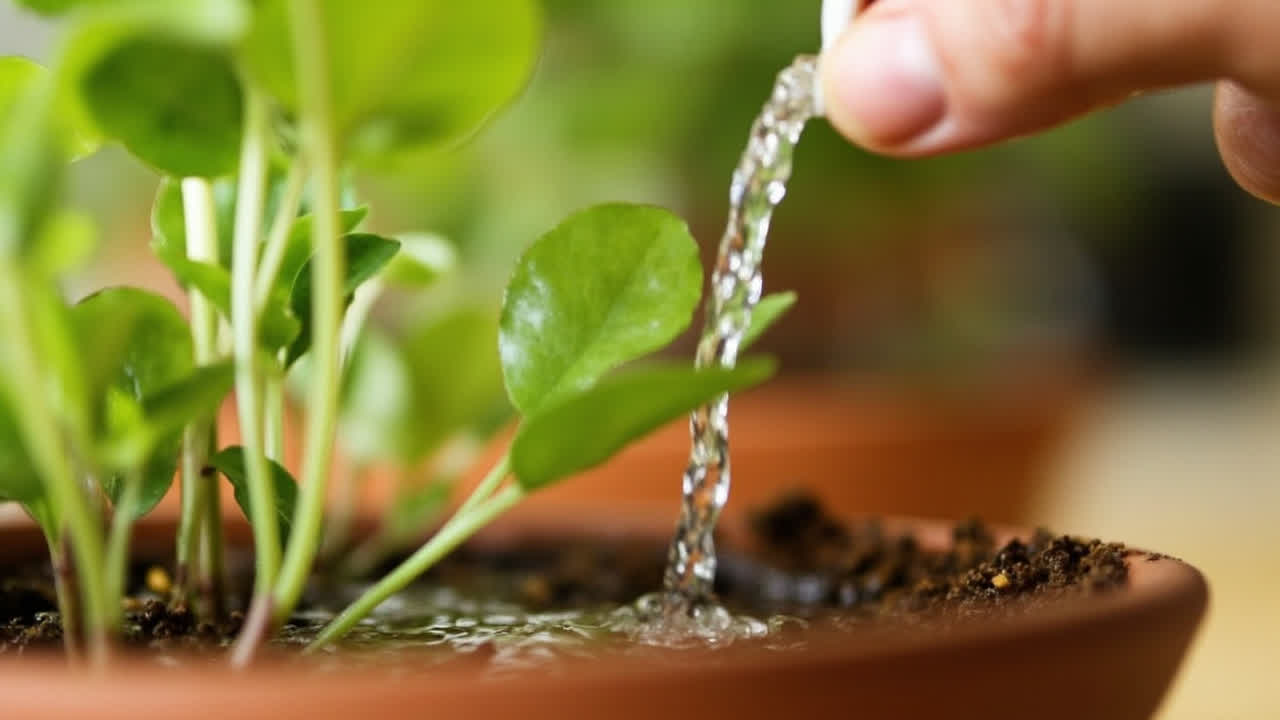
The most reliable way to water indoor plants is to check the soil before each watering: if the top two inches feel dry, water thoroughly until it drains, then wait for the soil to approach dryness again before repeating.
Most indoor plant advice starts with “once a week.” That rule kills more house plants than neglect does. The reason is simple: watering frequency depends on a web of interacting variables — pot material, soil type, light level, plant species, and season — and all five of those shift constantly in real homes.
A pothos in a terracotta pot in a bright kitchen might need water every five days in summer. The same plant in a plastic pot in a dim bedroom might go three weeks in winter without a drop.
Why the Once-a-Week Rule Fails
The once-a-week rule assumes all indoor plants have the same needs, all environments are equivalent, and soil dries at a predictable rate. None of those things are true. What the calendar rule actually does is replace observation with habit — and when the conditions it assumes do not hold, the plant suffers.
Overwatering is the leading cause of indoor plant death, and it almost always stems from watering on a schedule rather than in response to actual need. When soil stays consistently saturated, roots cannot access oxygen.
The first signs are subtle: slightly slower growth, leaves that look a little duller than usual. By the time yellow leaves or drooping becomes obvious, the root system is already compromised.
Cutting back water at that point helps, but prevention depends on reading soil moisture before you water, not after you see symptoms.
The Five Factors That Actually Determine Watering Frequency
The variables that control how fast soil dries — and therefore how often you need to water — are consistent across almost all indoor plants. Knowing them lets you adapt rather than guess.
Light Level
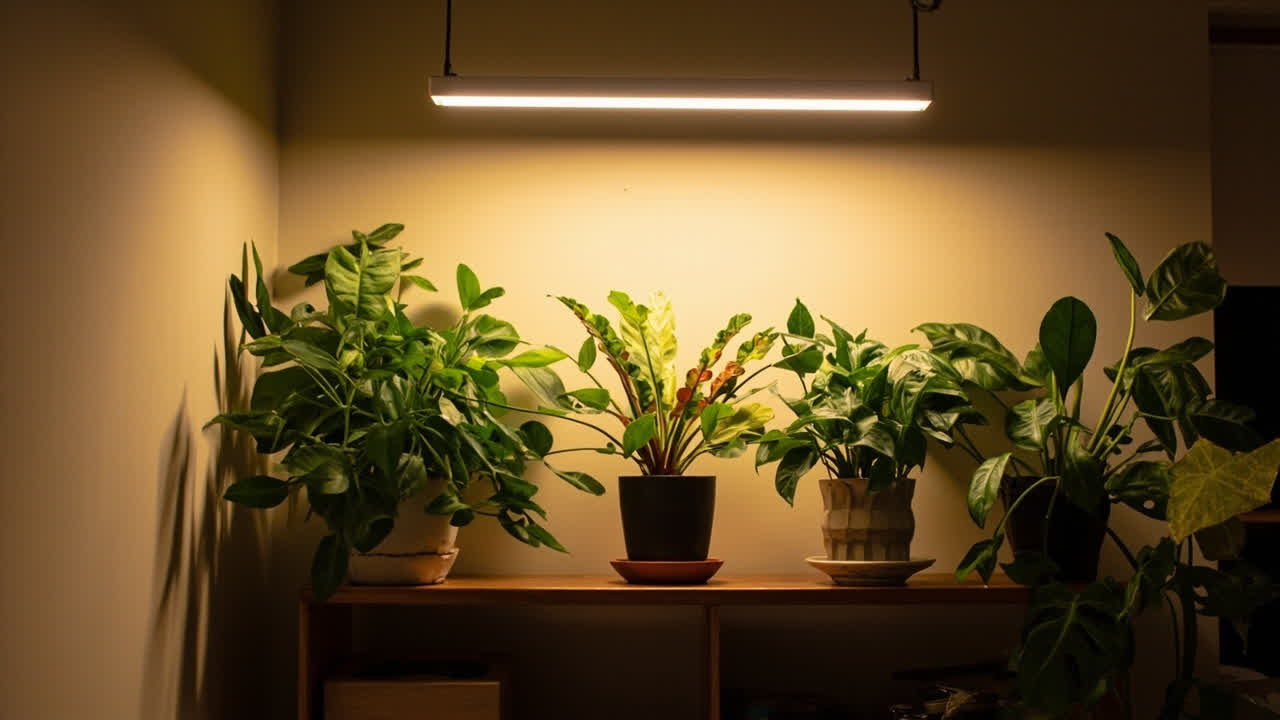
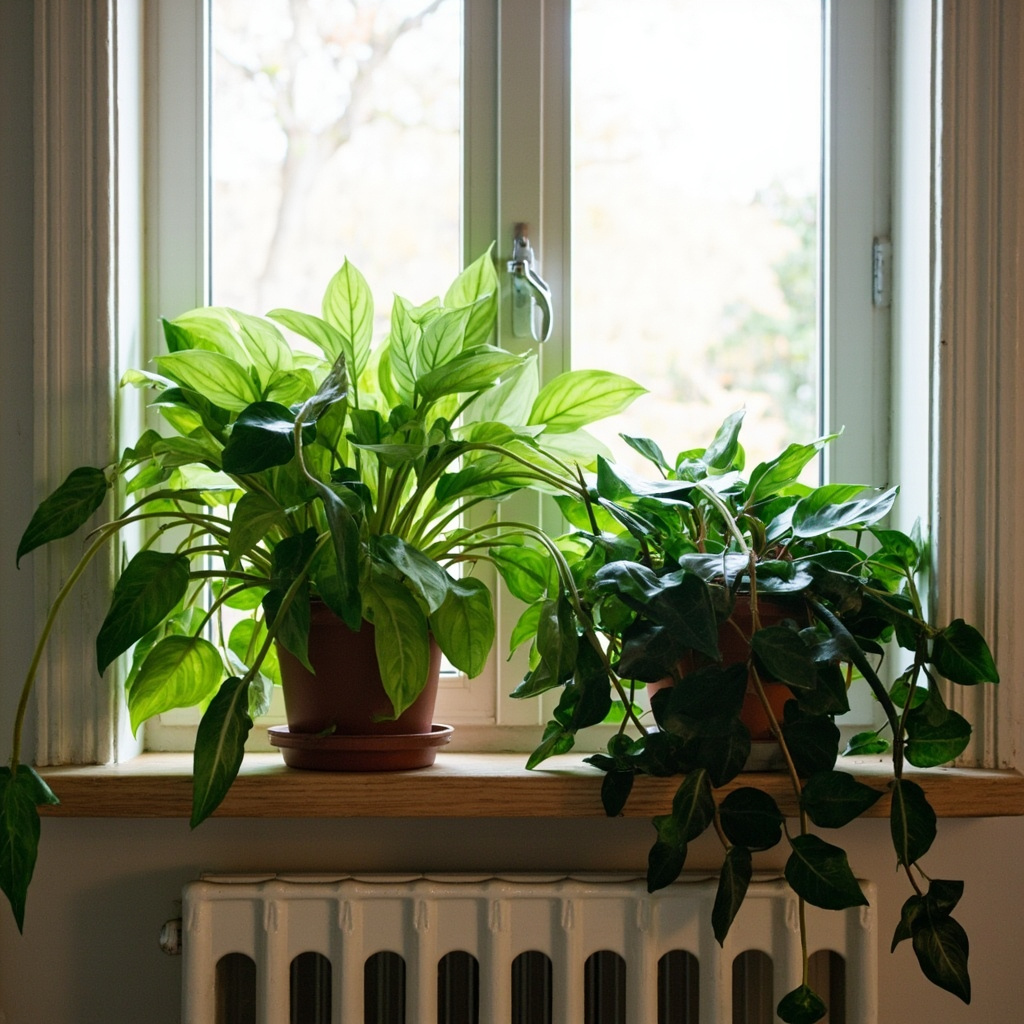
Bright light drives photosynthesis, which drives water consumption. A plant near a south-facing window in summer can dry a standard pot in three to four days. The same plant two feet away from the same window in winter might go ten days. Direction matters too: east light is gentler morning light; west light is intense afternoon exposure that can spike evaporation quickly. If you move a plant closer to a window, expect to water more often within days, not weeks.
Pot Size and Material
A small pot holds less soil, which means less moisture reserve — small pots dry out faster and need more frequent watering. Terracotta is porous, which means the walls of the pot itself wick moisture away from the root zone. Terracotta is ideal for plants that like to dry out between waterings, like pothos or snake plants. Plastic pots retain moisture longer, which suits moisture-loving plants but risks overwatering for anything that prefers drier conditions. Ceramic pots fall in between, depending on whether they are glazed (less breathable) or unglazed (more breathability).
Soil Type
Standard potting mixes with high peat or coco fiber content retain moisture longer because those materials hold water chemically. Gritty or cactus mixes with perlite and bark drain faster because they create air channels that let excess moisture escape. If your soil stays wet for more than a week after watering, the mix may be too water-retentive for your plant preferences — consider amending with perlite or switching to a grittier blend.
Plant Species
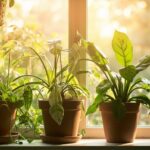
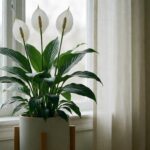
Some plants are drought-tolerant by design. Snake plants, pothos, and ZZ plants store water in their leaves and roots and prefer to approach dryness between waterings. Others — like ferns, peace lilies, and calatheas — need consistently moist (not soggy) soil and show stress quickly when they dry out. Knowing your specific plant natural habitat is the fastest way to know what it needs from your watering routine.
Season and Growth Cycle
Most indoor plants slow their growth significantly from late fall through early spring. That reduced metabolic rate means they use less water. In summer, active growth and higher temperatures increase demand. A watering schedule that works perfectly in July will usually be too frequent by January, even in the same spot, even for the same plant. Seasonal adjustment is not optional — it is built into how house plants actually function.
How to Read Your Plant Watering Signals
Observation is the skill that replaces the calendar. Here are the signals that tell you what your plant actually needs right now.
The Finger Test
Push your finger straight down into the soil to the second knuckle — about two inches deep on most pots. If it feels dry and crumbly, the plant is ready for water. If it feels cool or damp, wait a few more days and test again. This is more reliable than any schedule because it measures actual soil moisture where the roots are, not the surface appearance, which can look dry while the root zone below is still saturated.
The Pot Lift Method
Lift the pot after watering and feel its weight. Then lift it again before each potential watering. A well-watered pot is noticeably heavier. As soil dries, it becomes lighter. After a few repetitions, you will develop an intuitive sense for what “needs water” feels like for that specific pot and plant. This method is especially useful for larger pots where the finger test is impractical.
Leaf Texture and Color
Most plants show early thirst in their leaves before the soil gets genuinely dry. Look for slight textural changes: leaves that lose a bit of their normal gloss, or become barely less rigid to the touch. Color can shift subtly — some plants darken slightly when thirsty; others develop a slightly grayish cast. By the time most plants are visibly drooping, they have already been mildly stressed for a day or two. Catch it before the droop and you will avoid the stress cycle entirely.
What Pothos Tells You
Pothos is one of the most forgiving house plants and one of the clearest signalers. When it needs water, the vines soften noticeably and the leaves lose their firm, waxy feel — they look slightly deflated rather than just less shiny. When it has been overwatered, the same vines feel soft but the leaves look yellowed or translucent, and the soil stays damp for a long time. Pothos is a useful reference plant because it makes the difference between thirsty and drowning legible even to new plant parents.
The Signal Check: A Framework for Any Indoor Plant
Before you reach for the watering can, run through this sequence. It takes about ten seconds once you know it:
- Insert your finger two inches into the soil. Dry? Continue. Damp? Wait.
- Lift the pot. Does the weight feel noticeably lighter than when you last watered? Continue. Still heavy? Wait.
- Check the leaves. Any subtle softening, loss of gloss, or slight wilting? Continue. Looking full and firm? The plant is fine.
- Water thoroughly until you see drainage from the bottom — then stop. Do not leave the pot sitting in standing water.
That sequence works for nearly any indoor plant in any pot in any room. It replaces the calendar rule without requiring you to memorize anything species-specific. The more you use it, the faster your judgment develops. Within a few weeks, most plant parents can read their plants signals without the finger test at all — the weight and leaf feel become intuitive.
Seasonal and Situational Adjustments
Summer vs Winter
In summer, increased light, longer days, and active growth combine to accelerate soil drying. Plants near windows may need water every three to five days. In winter, even well-lit rooms see shortened days and reduced photosynthetic demand. Many plants enter a semi-dormant phase where watering weekly becomes too often for most species. Watch for the soil test rather than the thermostat — your plant will tell you what it needs if you check the soil before each watering.
Heating Vents and HVAC
Forced-air heating and air conditioning both dry indoor air significantly, which accelerates soil evaporation independently of light. A plant near a heating vent in winter may dry out as fast as it does in summer. Conversely, a plant in an air-conditioned room in summer may stay damp much longer than expected because the AC dehumidifies the air. Account for your room climate systems, not just the season.
Travel and Extended Absence
If you will be away for a week or two, the best strategy is to water thoroughly just before you leave and move plants out of direct sun to slow consumption. Self-watering pots or DIY wick systems using cotton string threaded from a water reservoir can extend intervals, but monitor them carefully — wicking systems that deliver too much water continuously risk the same overwatering damage as too-frequent manual watering.
Common Watering Mistakes and How to Avoid Them
Watering seems simple. Here is where it actually goes wrong.
Watering too frequently before the soil approaches dryness. This is the core of overwatering. Most indoor plants prefer to approach dryness between waterings. The exception is moisture-loving species like ferns and peace lilies — but even those need drainage holes and should never sit in standing water.
Using cold water. Tap water that is significantly colder than room temperature can shock roots, especially for tropical house plants. Let water reach room temperature before watering, or fill your watering can and let it sit for an hour before use.
Draining dishes and cache pots incorrectly. Pots with drainage holes placed inside decorative outer pots (cache pots) can trap water if the inner pot sits in pooled liquid. After watering, wait twenty minutes, then check the drainage dish and empty it. Standing water at the bottom of a cache pot is functionally the same as overwatering.
Bottom watering only. Bottom watering — setting the pot in a tray of water and letting the soil absorb from below — reduces fungus gnats and encourages deep root growth. However, it takes longer and makes it harder to know when the soil is thoroughly moistened. For large collections, bottom watering alone is time-intensive; a hybrid approach (top watering occasionally to flush salts and check soil) works better.
Self-watering pots without monitoring. Self-watering pots reduce the judgment calls required day-to-day, but they can deliver consistent moisture that becomes excessive, especially in low-light conditions. Salt and mineral buildup also accumulates faster in self-watering systems because the water evaporates from the soil surface rather than flushing through it. Flush the soil monthly with plain water to prevent this.
How to Water Indoor Plants
The framework is straightforward: check the soil before you water, account for the five variables (light, pot, soil, species, season), and adjust as you observe how your plants actually respond in your specific home. No schedule required — just the willingness to look before you pour.
Start with one plant. Use the finger test and pot lift method for a week and notice how quickly or slowly the soil dries. That single data point will teach you more than any generic watering chart. Once you understand how your environment affects one plant, the logic extends to every plant in your collection.
Watering indoor plants well is not a talent. It is a skill you build by paying attention. Every plant you care for correctly builds the judgment that makes the next one easier.
Turn any PDF statement into a clean sheet
Skip the typos and the hours of copying. Our converter handles any bank statement format and outputs Excel, CSV, or QBO for QuickBooks. No file retention, free to try.
Convert your statement