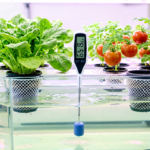
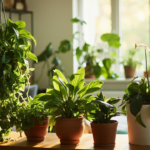
Alocasia thrives between 65–85°F (18–29°C). Below 50°F (10°C), the plant begins to suffer tissue damage; above 85°F (29°C), it faces heat stress that compounds quickly in low humidity. Most household temperature problems for Alocasia fall on the cold side of that range — the plant is far more cold-sensitive than most tropical houseplants. Getting the temperature right is one of the most direct levers you have for keeping an Alocasia alive long-term.
The ideal growing range sits at the warm end of the spectrum. Alocasia is a tropical understory plant that expects consistent warmth, high humidity, and protection from drafts. In its natural habitat across Southeast Asia, temperatures rarely drop below 60°F (16°C) and rarely exceed 90°F (32°C). Indoors, that translates to a comfortable target of 65–80°F (18–27°C) for active growth. The plant tolerates brief dips and spikes outside this band, but sustained exposure outside the safe range causes progressive damage.
The dormancy threshold is a critical distinction. When temperatures drop toward 50°F (10°C) or below for more than a few hours, Alocasia stops transpiring and its root system begins shutting down. The plant may shed leaves and retreat to its corms — not dead, but not actively growing either. Understanding whether your Alocasia is dormant or dying is the first step to helping it recover.
What the Numbers Actually Mean for Your Alocasia
The temperature range for Alocasia is not a single flat zone — it is a series of thresholds with different consequences at each level. At 65–85°F (18–29°C), the plant grows actively, produces new leaves regularly, and maintains the large, structurally sound foliage that makes it so distinctive. Between 55–65°F (13–18°C), growth slows noticeably. Below 50°F (10°C), tissue damage begins. Below 40°F (4°C), the damage becomes severe and often irreversible on exposed leaf tissue. For a full breakdown of what Alocasia needs across its care routine, see the Alocasia care guide.
The key distinction to internalize is between a cold-stressed Alocasia and a cold-damaged one. A plant that is cold-stressed has slowed its metabolism and stopped growing, but the cells are still intact. A cold-damaged plant has cells that have burst from ice crystal formation inside the tissue, and those leaves will not recover regardless of what you do. Temperature monitoring is the only reliable way to know which state your plant is in.
Cold Damage: What Happens Below 50°F (10°C)
Alocasia tissue begins dying at temperatures below 50°F (10°C). The mechanism is straightforward: water inside plant cells freezes, expands, and ruptures the cell walls. Once a cell wall is ruptured, the cell cannot function and the tissue blackens, softens, and dies. This is why frost kills plants — not the cold itself, but the ice crystals forming inside cells.
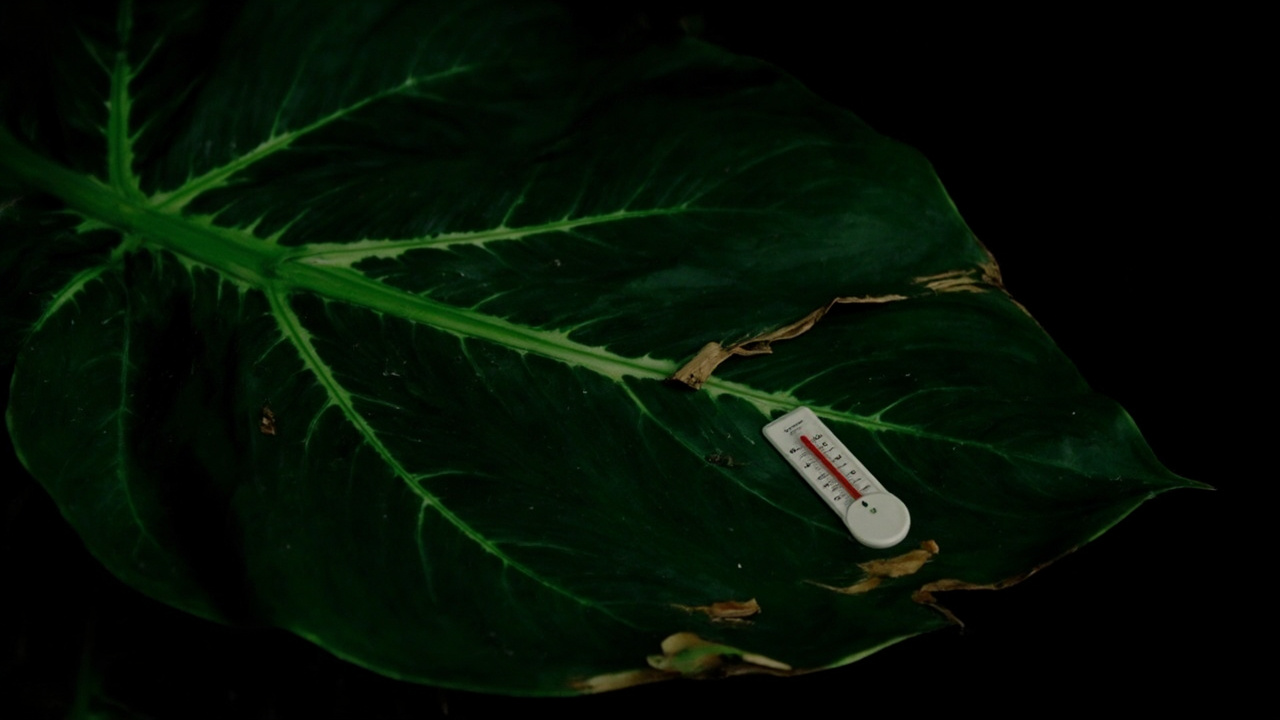
The symptoms appear first on the most exposed parts of the plant — the leaf tips and edges. You will see the margins turn brown, then black, then become papery and brittle. The leaf surface may develop water-soaked translucent patches that later collapse. As the damage progresses, entire leaf stalks (petioles) become soft and the leaf droops flat. In severe cold exposure, the corm itself can be damaged, which shows up later as complete collapse of the plant after it fails to resprout.
The honest trade-off with cold damage is that exposed leaves never recover — you are managing the plant’s survival through its underground corm, not reviving the damaged foliage. For more on diagnosing what you are seeing on your plant, see Alocasia problems.
Heat Stress: What Happens Above 85°F (29°C)
Alocasia handles heat less gracefully than many houseplants. The large, thin leaves lose moisture rapidly at high temperatures, and if the root system cannot supply water as fast as the leaves transpire, the plant wilts. This is not the same as drought stress — the soil may be moist, but the leaves are losing water faster than uptake can replace it. The solution is not more water; it is cooling the plant’s immediate environment.
At sustained temperatures above 85°F (29°C), Alocasia closes its stomata to reduce water loss, which simultaneously shuts down photosynthesis. The plant stops growing and may develop bleached, pale patches on leaves that have been exposed to direct sun while the air temperature is high. Unlike cold damage, heat stress is often reversible if caught early — moving the plant to a cooler position and increasing humidity can allow recovery within days.
Seasonal and Household Temperature Risks
Most Alocasia temperature damage in homes happens around three specific scenarios: winter windows, air conditioning vents, and doorway drafts. Each of these creates a localized cold spot that the plant experiences even when the room thermostat reads within the safe range.
- Windows in winter: Glass temperature can be 15–20°F (8–11°C) colder than the room air, especially at night. An Alocasia sitting on a windowsill may experience 40°F (4°C) even when the room is at 68°F (20°C). Move plants back from windows in cold months or add a insulating layer between the pot and the glass.
- AC vents: Air conditioning can create a persistent stream of cooled air at 60°F (16°C) or below, directed at nearby plants. Alocasia placed directly in an AC airflow path will experience cold stress within days even if other parts of the room are warm.
- Doorways and entrances: Frequent opening of exterior doors creates brief but repeated cold drafts that accumulate into significant stress over time. An Alocasia near a frequently opened door is exposed to cold air every time someone enters or leaves.
- Winter delivery: Plants bought or shipped in cold weather are at high risk of cold damage in transit. Even a 20-minute exposure to below-freezing outdoor air during a delivery can damage or kill Alocasia leaves.
Maintaining consistent humidity requirements alongside stable temperatures is important because low humidity compounds temperature stress — dry air accelerates moisture loss from leaves that are already struggling with temperature extremes.
Cold-Damaged Alocasia: What to Do
If your Alocasia has been exposed to cold, here is what to do and in what order:
- Move the plant immediately to a warmer position — 65–75°F (18–24°C), away from windows, doors, and AC vents.
- Do not water with cold water. Use room-temperature water; cold water further shocks the root system.
- Do not remove damaged leaves immediately. The damaged tissue acts as a wound, and cutting it open creates a point of entry for pathogens. Wait until the damaged tissue is fully dry and brown, then cut at the base of the petiole.
- Do not fertilize. A cold-damaged Alocasia has a compromised root system and cannot process nutrients. Fertilizing at this stage causes salt buildup and worsens the situation.
- Check the soil requirements to confirm the growing medium drains well — waterlogged soil in a cold room compounds root damage rapidly.
- Wait. Recovery takes 3–6 weeks. If the corm is intact, the plant will resprout. If the corm is soft or smells rotten when you check it, recovery is unlikely.
The honest limitation: once leaf tissue has frozen and ruptured, it will not regenerate. The plant can regrow from undamaged corm tissue, but it may take an entire growing season to produce new leaves large enough to look like the original plant.
From PDF to Excel in one click
Forget retyping line by line. Upload any bank statement, get a spreadsheet you can actually use. Your files are never stored, and you can test the converter with 3 free conversions.