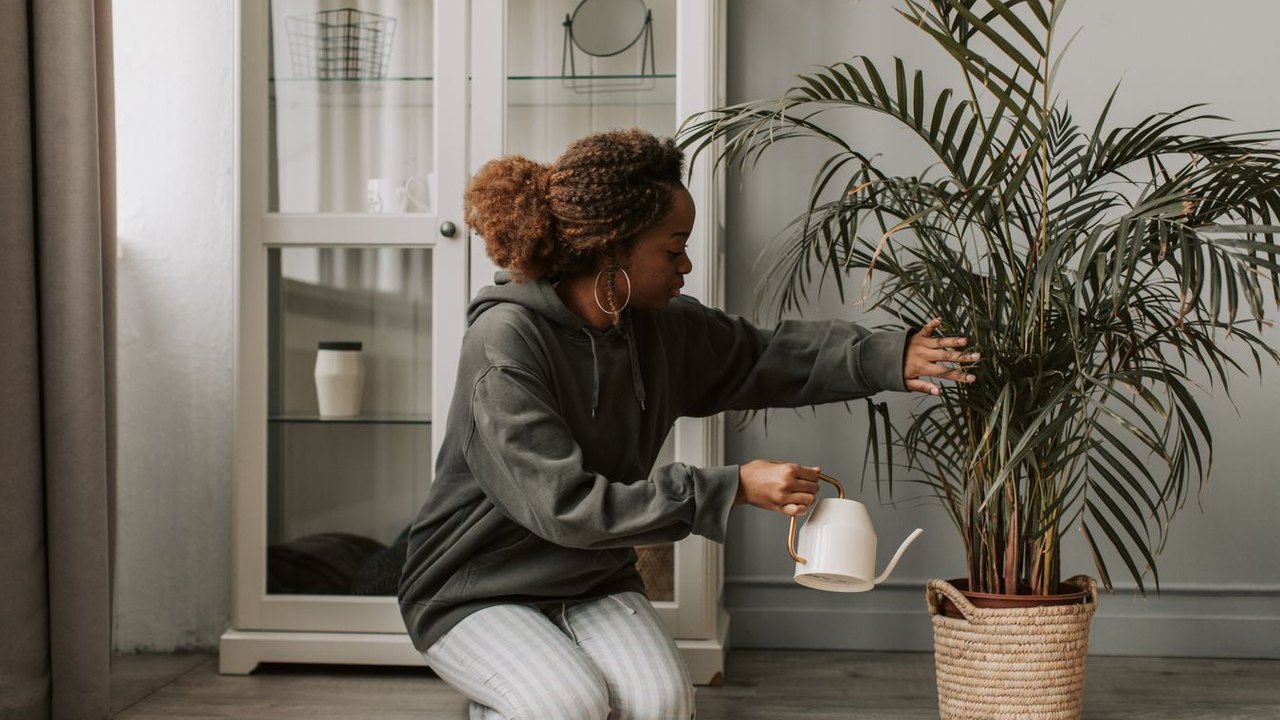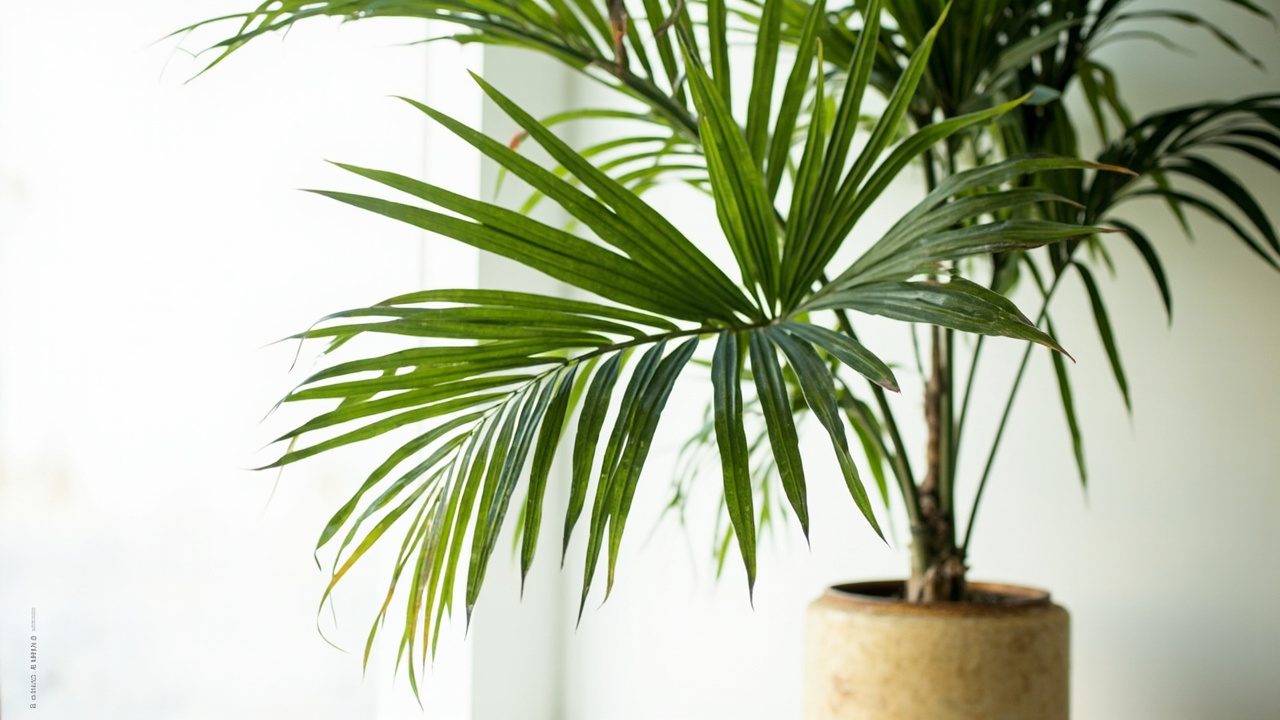

Seeing your palm plant look weak and declining feels genuinely unsettling. You water it regularly, give it what you think is enough light, and yet the fronds are yellowing, browning at the tips, or drooping downward. The good news: most dying palm plants can be revived if you identify the real cause quickly enough, and how to save a dying palm plant comes down to understanding a handful of specific problems that affect indoor palms far more than outdoor ones.
Palm plants are sensitive to overwatering, low humidity, and poor drainage — three conditions that damage roots silently, often before any visible warning shows up on the fronds above the soil. This guide walks you through exact diagnosis steps and recovery actions so you can bring your palm back from the edge.
The five most common reasons a palm plant declines indoors are overwatering, underwatering, incorrect light, nutrient deficiency, and root rot caused by compacted or waterlogged soil. Each has a distinct symptom pattern, and recognizing which one you are dealing with is the single most important step in saving your plant.
How to Tell What’s Killing Your Palm
Before you do anything, you need to know what you are dealing with. Palm decline shows up in predictable patterns, and each pattern points to a specific cause.
Yellow Leaves on Palm
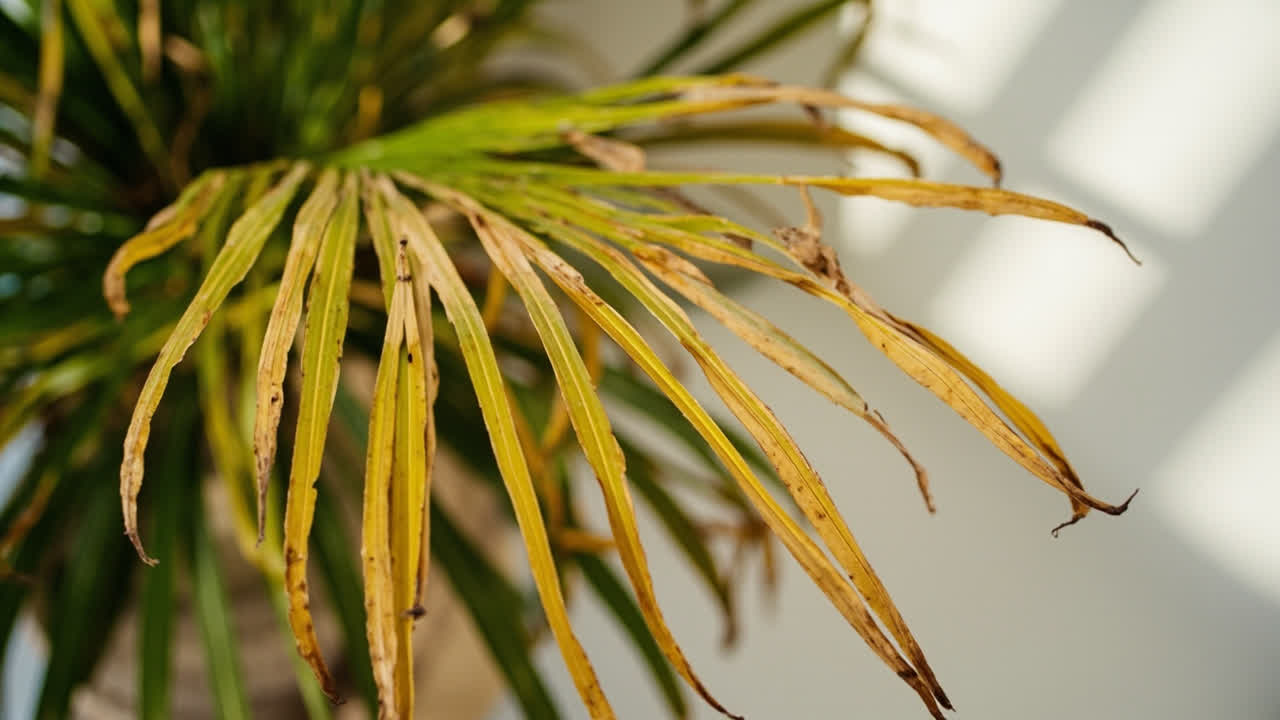
Yellow fronds on a palm plant usually mean overwatering or a nutrient deficiency, most often manganese deficiency. In overwatered palms, the root system sits in saturated soil and cannot absorb nutrients properly — the oldest fronds turn yellow first because the plant is prioritizing newer growth. Manganese deficiency specifically causes the newest fronds to yellow while older ones remain green, and the leaf tips develop dead brown spots. If you see yellow leaves on palm, check your soil moisture before anything else — insert your finger 2 inches into the soil. If it feels wet, overwatering is your problem.
Brown Tips on Palms
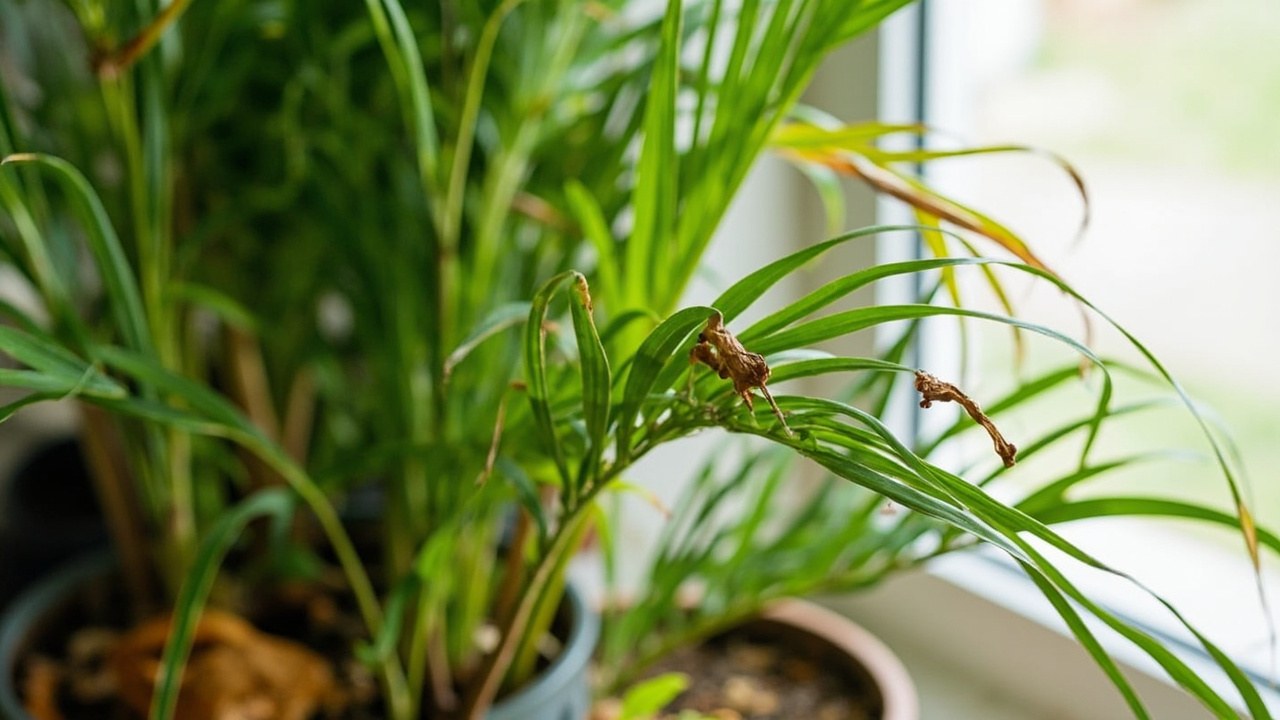
Brown leaf tips on palms are one of the most common symptoms and they come from two dominant causes: low humidity and fluoride or salt buildup in the soil. Indoor palms in heated or air-conditioned rooms often sit in air that is 20–30% relative humidity while they prefer 40–60%. When the air is too dry, leaf edges lose water faster than the roots can supply it, and the tips burn first. Salt buildup from tap water or over-fertilizing shows up as brown tips on palms — the same symptom appears on lucky bamboo and other Dracaena species because they share the same sensitivity to dissolved solids in their water supply.
Drooping or Falling Fronds
Drooping fronds on a palm usually indicate underwatering, root rot, or transplant shock. A thirsty palm’s fronds lose turgor pressure and hang limp, similar to how drooping fronds appear on a blueberry plant when the soil dries out completely. The difference is that an underwatered palm recovers within hours of watering, while a palm with root rot does not because the damage is happening below the soil line. Gently remove the plant from its pot and examine the roots — white and firm means healthy, brown and mushy means rot has set in.
Identifying Root Rot in Palm Soil
Root rot in palm soil develops when containers lack drainage holes or when watering frequency exceeds what the soil mix can handle. The first sign is often a musty smell from the soil and fronds that yellow and wilt despite moist soil. Palms have root hypoxia — their roots need oxygen between watering cycles, and waterlogged conditions shut down respiration within 48 hours. Once root tissue dies, it cannot be revived; only the remaining healthy roots can be saved through repotting into fresh, fast-draining soil. You can also learn more about preventing this issue in our guide to root rot in palm soil conditions specifically.
Overwatering: The #1 Killer of Palm Plants
Overwatering causes more palm plant deaths than any other single factor. It is also the hardest to diagnose early because the damage happens underground while the fronds still look okay above the soil.
Palms are built for episodic rainfall — they expect long dry spells between watering events, and their root systems are adapted to breathe between storms. When a palm sits in constantly wet soil, the oxygen in the root zone gets displaced by water, and root cells begin to die within two to three days. Dead roots cannot absorb water or nutrients, so the fronds start yellowing and the plant appears to need more water — which is the opposite of what it actually needs.
How to Fix an Overwatered Palm
Stop watering immediately and check the soil with your finger. If the soil is saturated 2 inches down, let it dry out completely before watering again. Place the palm in bright indirect light — not direct sun, because a stressed root system cannot handle high transpiration demand. Resume watering only when the top 2 inches of soil feel completely dry to the touch. In future watering, wait until the soil is dry at 2 inches, then water thoroughly until it drains from the bottom — then stop. Never let the pot sit in a drainage saucer filled with water.
Repotting a Palm With Root Rot
If you find brown, mushy roots when you check, you need to repot immediately. Shake off the old soil, trim all dark and soft roots with sterile scissors, and replant in fresh potting mix that is 60% perlite or pumice and 40% peat or coco coir. This mix drains fast and holds enough moisture to keep roots alive while allowing them to breathe. Water once after repotting, then do not water again until the top 2 inches of the new mix are dry. Place in indirect light and do not fertilize for six weeks while the palm regrows roots.
Underwatering: When the Soil Stays Too Dry
Underwatering is easier to fix than overwatering but requires honest consistency. Palm plants in small pots dry out fast, especially in summer or near heating vents, and a palm that experiences repeated drought stress becomes permanently stunted.
A dehydrated palm shows fronds that droop, wilt, and turn yellow starting from the older outer fronds. The soil shrinks away from the sides of the pot, water runs straight down the sides without soaking the root ball, and the palm loses firmness in its growing tip. If the growing tip (the bud at the top of the trunk) is brown and mushy, the palm may already be too far gone to save.
How to Fix an Underwatered Palm
Set the pot in a tray of room-temperature water and let it soak from the bottom for 30 minutes. This rehydrates the root ball evenly without washing out soil nutrients. After soaking, let the pot drain completely, then place it back in its spot. Going forward, check soil moisture every two to three days by inserting your finger — never let the top 2 inches stay dry for more than a week. If your palm is in a porous terracotta pot, it will dry out faster than plastic and needs watering more frequently.
Light Problems: Too Much or Too Little
Palms grow naturally under forest canopies, which means they need bright indirect light, not full sun and not deep shade. Getting light wrong for a palm is common because the symptoms develop slowly and can look like other problems.
A palm that receives too little light shows slow or no new growth, fronds that stretch toward the light source (phototropism), and older fronds that yellow prematurely. A palm that receives too much direct light develops bleached or scorched patches on the fronds, faded green color, and brown crispy edges. Both issues cause the same eventual outcome: a palm that looks exhausted and stops growing.
Finding the Right Light Position
Most indoor palms like the Areca palm, Parlor palm, and Lady palm do best within 3 to 5 feet of a north or east-facing window where they receive bright, diffuse light for most of the day. South and west-facing windows can work if the palm sits behind a sheer curtain that filters the direct rays. If your palm is in a dark corner, move it closer to a window gradually over two weeks to avoid shocking it. Watch for new growth appearing at the center bud — that is your sign the light level is correct.
Nutrient Deficiencies in Palm Plants
Palms are heavy feeders compared to many house plants, and they show deficiency symptoms faster when key nutrients run low in the soil. The most common deficiencies in indoor palms are manganese, potassium, and nitrogen.
Manganese Deficiency
Manganese deficiency appears as yellow new fronds with dead brown tips — the newest leaves develop yellowing between the veins while the leaf tip turns brown and dies. This deficiency is common in palms grown in high-pH soil (above 7.0) because manganese becomes locked out and unavailable to the plant even if it is present in the soil. You can confirm this by checking if the veins on the yellowing frond stay green while the leaf tissue between them turns yellow.
Potassium Deficiency
Potassium deficiency shows up as transparent yellow or orange spots on older fronds, followed by browning and death of the leaf edges. The oldest fronds are affected first because potassium is mobile within the plant and gets relocated to newer growth when supply is low. Palms in sandy or peat-based mixes are particularly prone to potassium deficiency because this nutrient leaches out of the soil quickly with repeated watering.
Correcting Deficiencies
Apply a palm-specific fertilizer that contains manganese, potassium, and nitrogen in a slow-release granular form every 6 to 8 weeks during the growing season (spring through early fall). Do not use general house plant fertilizers — they lack the micronutrient profile palms need, especially manganese. If your soil pH is above 7.0, repot with fresh acidic mix or apply a soil acidifier to unlock manganese availability. Never fertilize a stressed or overwatered palm — damaged roots cannot process nutrients and the fertilizer will burn what is left.
Step-by-Step Recovery Guide
Follow these steps in order if your palm is showing decline symptoms. Do not skip to step three before completing steps one and two — each step depends on the previous one.
Step 1: Diagnose the Problem
Insert your finger 2 inches into the soil. If it feels wet: overwatering or root rot. If it feels dry and the soil has pulled away from the pot sides: underwatering. If the soil is damp but the fronds are drooping and yellowing: root rot. If fronds show brown tips but the soil is dry: low humidity or salt buildup. If fronds look bleached or scorched: too much direct light. Match the symptom to the cause before doing anything else.
Step 2: Adjust Watering Accordingly
For overwatering: stop watering completely and let the soil dry to 2 inches deep before watering again. For underwatering: soak the root ball bottom-up for 30 minutes and then drain. For root rot: repot into fresh fast-draining mix (60% perlite, 40% peat or coir). For salt buildup: flush the soil thoroughly with distilled water by running water through the pot three times and letting it drain fully each time.
Step 3: Fix the Light Environment
Move your palm within 3 to 5 feet of a north or east-facing window. If only south or west windows are available, filter the light with a sheer curtain. If you cannot provide adequate natural light, supplement with a full-spectrum LED grow light placed 12 to 18 inches above the palm for 10 to 12 hours per day. Watch for new growth appearing from the center bud within four to six weeks — this confirms the palm is recovering.
Step 4: Increase Humidity
Most indoor palms need 40–60% relative humidity. If your home is dry, place a humidity tray beneath the pot — a shallow tray filled with pebbles and water, with the pot sitting on the pebbles (not in the water). Grouping palms together creates a slightly more humid microclimate. In winter when heating systems run constantly, mist the fronds twice a week with room-temperature water in the morning so the leaves have time to dry before evening.
Step 5: Feed and Wait
Apply a slow-release palm fertilizer 6 to 8 weeks after the palm shows recovery signs (new growth from the center bud, fronds returning to their natural color). Do not fertilize during recovery — damaged roots cannot process nutrients and fertilizer burn worsens the decline. After the palm is growing steadily, fertilize every 6 to 8 weeks during spring and summer only.
How to Keep Your Palm Plant Healthy Long-Term
Once your palm is recovering, these maintenance habits prevent future decline and keep the plant growing strong.
Watering schedule: Check soil moisture every three days with your finger. Water only when the top 2 inches are dry. Water thoroughly until it drains from the bottom, then stop. Never let the pot sit in standing water. In summer, this might mean watering twice a week; in winter, once every 10 to 14 days.
Drainage requirements: Always use a pot with at least one drainage hole and a fast-draining soil mix. Add 20% perlite to standard potting mix to improve aeration and drainage. The soil should never stay soggy for more than 24 hours after watering.
Humidity maintenance: Keep your palm away from heating vents, air conditioning ducts, and drafty windows. In dry climates or winter months, run a humidifier near the palm or use a pebble tray with water to maintain consistent humidity around the fronds.
Seasonal fertilizing: Feed with a palm-specific fertilizer from April through September when the plant is actively growing. Reduce or stop feeding from October through March when growth slows. Palms in low light conditions need less fertilizer than those in bright light.
Regular inspection: Check your palm’s fronds every week when you water it. New growth at the center bud is the clearest sign of good health. Yellowing outer fronds are normal as the plant ages — trim them cleanly at the trunk with sterile scissors once they are fully brown. Never cut green fronds, even if they look imperfect, because each green frond contributes to the plant’s photosynthesis and recovery capacity.
Soil refresh: Repot your palm every 2 to 3 years in spring when it outgrows its container or when the soil becomes compacted and water no longer infiltrates evenly. Move up only one pot size (2 inches larger in diameter). Overpotting into a container that is too large keeps soil wet too long and causes the same overwatering problems you are trying to prevent.
From PDF to Excel in one click
Forget retyping line by line. Upload any bank statement, get a spreadsheet you can actually use. Your files are never stored, and you can test the converter with 3 free conversions.