
The word “all-purpose” on a fertilizer bag is the most dangerous word in gardening. It promises one bottle for every plant, and that promise is the reason so many gardens underperform or burn out. Most plants do need nitrogen, phosphorus, and potassium. The question is never whether they need NPK. The question is which ratio, in what form, and how often. Get that wrong and a healthy plant becomes a stressed one.
This article gives you a decision framework you can run on any plant in your yard or on your windowsill. It covers the plants that need almost no NPK, the ones that need it in different ratios, and the specific cases where standard 10-10-10 causes real harm. By the end you will know when to say no.
One more thing before the details. The label “all-purpose” is a marketing term, not an agronomic one. No single ratio fits a lawn, a tomato, and an orchid at the same time. Treating it as universal is the mistake this article corrects.
The short answer
Yes, you can use NPK fertilizer on most plants. No, you cannot use the same NPK fertilizer on all of them. Plants share the same three macronutrients, but their demand for each one changes with growth stage, root type, and native habitat. A lawn in spring wants high nitrogen. A tomato setting fruit wants high potassium. A blueberry bush wants ammonium nitrogen, not the nitrate-heavy mix in a standard bag.
Think of NPK as a tool, not a food. The label numbers tell you what the tool delivers. Matching the tool to the job is the entire skill. If you have not yet decoded what those three numbers mean, read our guide on how NPK ratios work before you buy another bag.
| Plant group | NPK need | Notes |
|---|---|---|
| Native plants, succulents, orchids, carnivorous plants | Little or none | Adapted to scarcity; fertilizer causes harm |
| Legumes (peas, beans, clover) | P and K only | Fix their own nitrogen |
| Vegetables | High N early, high K fruiting | Stage-dependent |
| Flowers | Balanced to high K | Too much N means leaves, no blooms |
| Lawns | High N | Very little P once established |
| Trees and shrubs | Slow release if any | Sudden N produces weak wood |
| Acid-loving plants | Ammonium form | Standard NPK raises pH and locks iron |
| Houseplants | Half strength or less | Feed only in active growth |
Plants that need little or no NPK
Some plants evolved in soils so poor that adding concentrated fertilizer actively hurts them. These are not picky plants. They are adapted to scarcity, and abundance disrupts them.
- Native plants. Species adapted to your local soil usually need no supplemental NPK at all. They are tuned to the nutrient levels already present. Extra nitrogen pushes soft, weak growth that flops and attracts pests.
- Succulents and cacti. These store water and nutrients in their tissues. A single light feeding in spring is plenty. Heavy NPK causes rapid, weak growth and root rot.
- Orchids. Most orchids are epiphytes that absorb nutrients from rain and debris. They need very dilute feeding, often one-quarter strength, and only during active growth. Standard NPK at full strength burns their roots.
- Carnivorous plants. Pitcher plants, sundews, and Venus flytraps get nitrogen from insects. Fertilizer in the soil kills them. Do not feed the soil. Feed the plant by letting it catch bugs.
- Nitrogen-fixing legumes. Peas, beans, and clover pull nitrogen from the air through root nodules. Adding nitrogen fertilizer suppresses that partnership and wastes money. They may still want phosphorus and potassium, but skip the N.
If a plant is on this list, the default answer is no NPK. Test the soil first, and if you must feed, use a very dilute, low-nitrogen formula.
Even within this group there is nuance. A native plant moved into a container with potting mix may need a light feed because the mix is not native soil. An orchid in active bloom may take a very dilute balanced feed. The rule is to start at zero and add only when the plant shows deficiency, not before.
Plants that need NPK but at different ratios
This is where most gardens go wrong. The plants below all need NPK, but the balance shifts by crop and by season. A single bag cannot serve them all well.
Vegetables
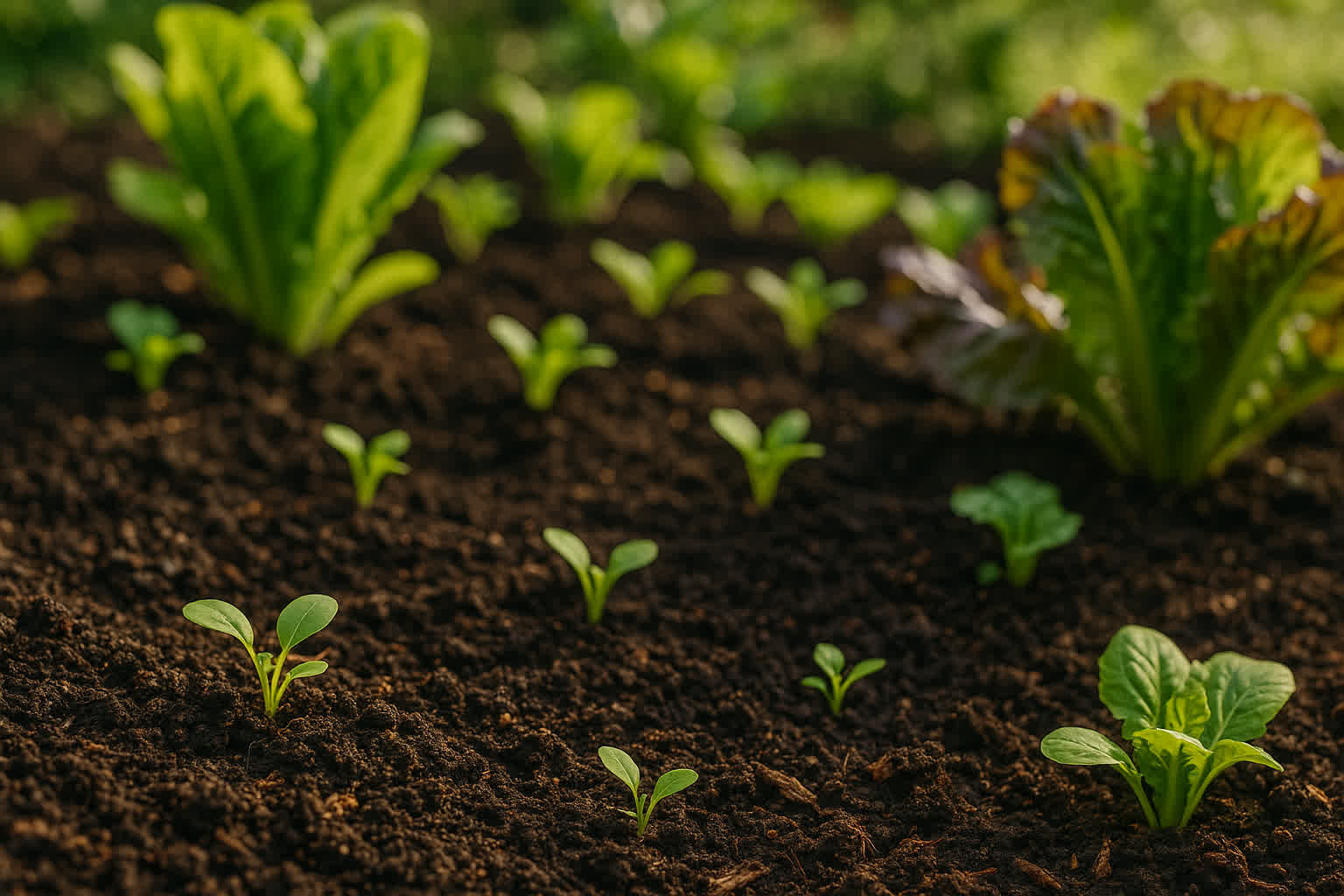
Vegetables are heavy feeders with changing appetites. Leafy greens and young transplants want high nitrogen to build foliage. Once flowering and fruiting begin, potassium takes over. A crop-by-crop NPK chart is the practical tool here, because guessing by plant name wastes fertilizer and can suppress fruit set.
Even within one vegetable bed the ratio shifts week to week. A tomato in June wants nitrogen to size up its frame; the same tomato in August wants potassium to finish its fruit. Feeding nitrogen late in the season gives you green vines and no tomatoes.
Flowers
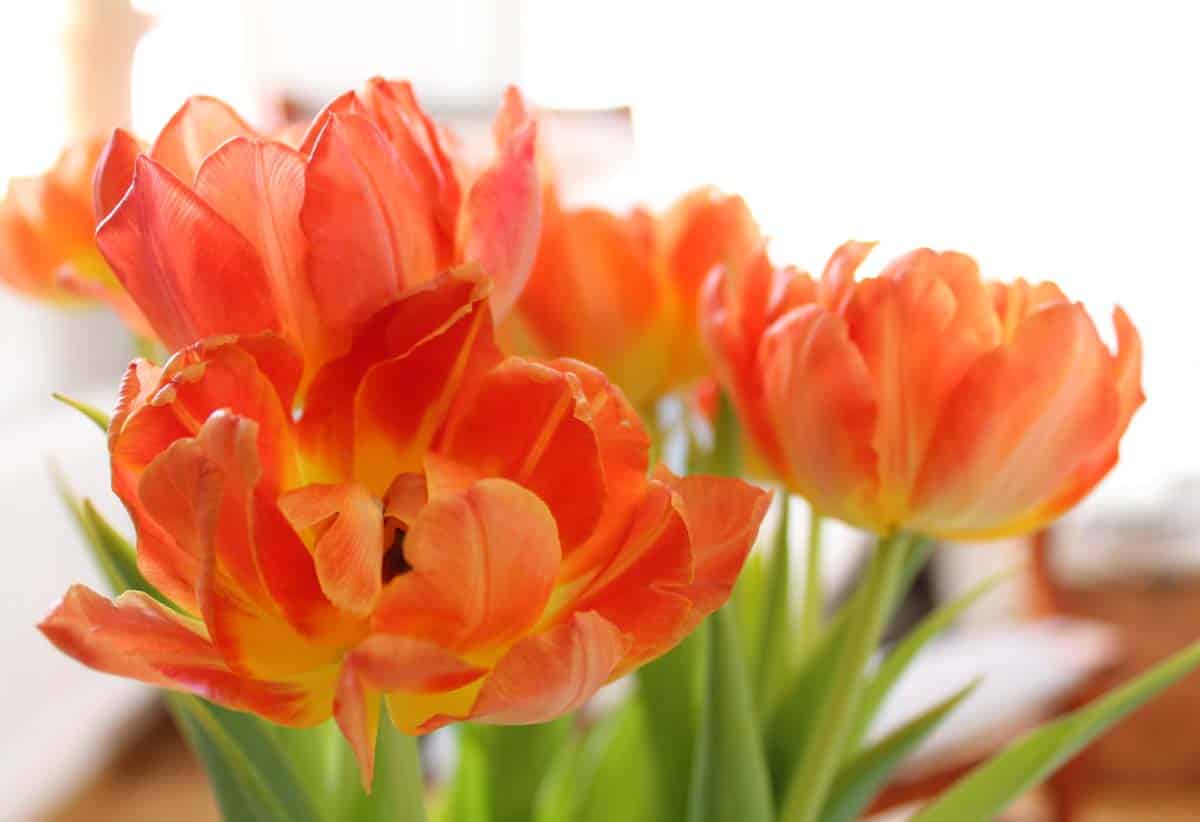
Annual flowers respond well to a balanced or slightly high-potassium feed. Perennials usually need less nitrogen than gardeners assume. Too much nitrogen on flowers gives you leaves and no blooms.
For cut-flower beds, a bloom-boosting formula with higher phosphorus and potassium during bud formation pays off. For foliage ornamentals, lean the other way. The point is to feed the outcome you want, not the plant in general.
Lawns
Turf is a nitrogen machine. It wants high nitrogen, moderate potassium, and very little phosphorus once established. Phosphorus on a mature lawn often runs off into waterways without helping the grass.
Timing matters as much as ratio. Spring and fall are the useful windows for cool-season grasses. Summer feeding of nitrogen in heat stresses the turf and wastes product. Read the label for the release type, because slow-release nitrogen stretches further and burns less.
Trees and shrubs
Established trees rarely need fertilizer at all. When they do, slow-release forms matter more than the ratio, because a sudden nitrogen surge produces weak wood that breaks in storms.
Young trees and newly planted shrubs are the exception. They benefit from a light, balanced feed in their first two seasons to establish roots. After that, let the soil and mulch do the work, and feed only if a soil test or visible deficiency calls for it.
Plants that are harmed by standard NPK
These are the cases where a bag of 10-10-10 does measurable damage, not just waste.
Acid-loving plants
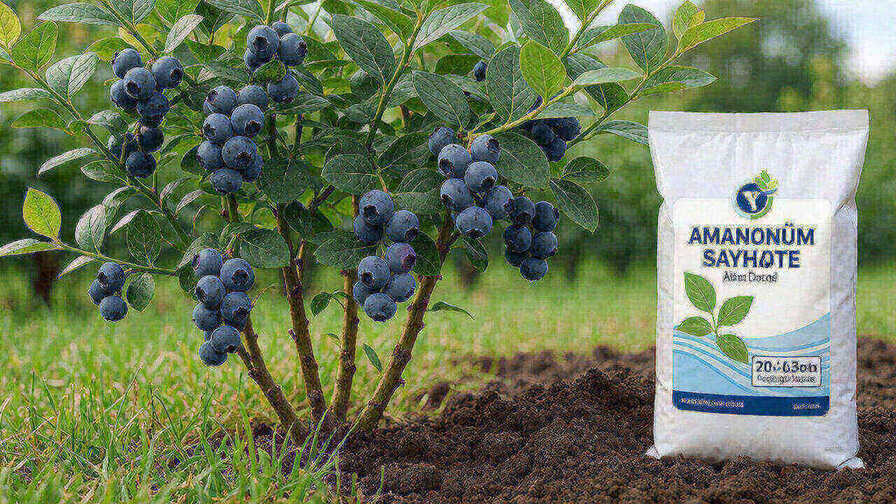
Blueberries, azaleas, rhododendrons, and camellias need ammonium-form nitrogen and an acidic root zone. Standard NPK, especially nitrate-heavy formulas, raises pH and locks up iron. The result is yellowing leaves and decline. These plants need ammonium sulfate or a fertilizer formulated for acid-loving plants, not a general 10-10-10. Soil pH drives whether nutrients are even available, which is why our piece on soil pH and nutrient availability belongs in this decision.
Iron chlorosis is the visible symptom, but the cause is the pH shift. Fixing it means lowering pH and switching nitrogen form, not adding more iron in a form the plant cannot take up. Test pH before you treat.
Salt-sensitive plants
Some plants, including many herbs and seedlings, are sensitive to soluble salts. Standard synthetic NPK can accumulate salts in containers and burn roots. Low-salt or organic formulas are the safer choice.
Seedlings are the most common casualties. Their roots are tender and their containers small, so salts concentrate fast. For young plants, dilute feeding or a gentle organic source is the safe default.
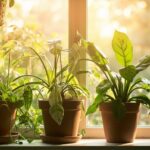
Houseplants
Indoor plants grow slowly in low light. Full-strength NPK builds up in pots with no rainfall to leach it. Feed at half strength or less, and only during active growth. The University of Minnesota Extension advises that houseplants need far less fertilizer than outdoor plants because of their slower growth rate.
If a houseplant is not growing, do not feed it. Fertilizer cannot fix low light or overwatering. Feed only when you see new leaves or active stems, and flush the pot with plain water every few months to clear accumulated salts.
Container vs in-ground
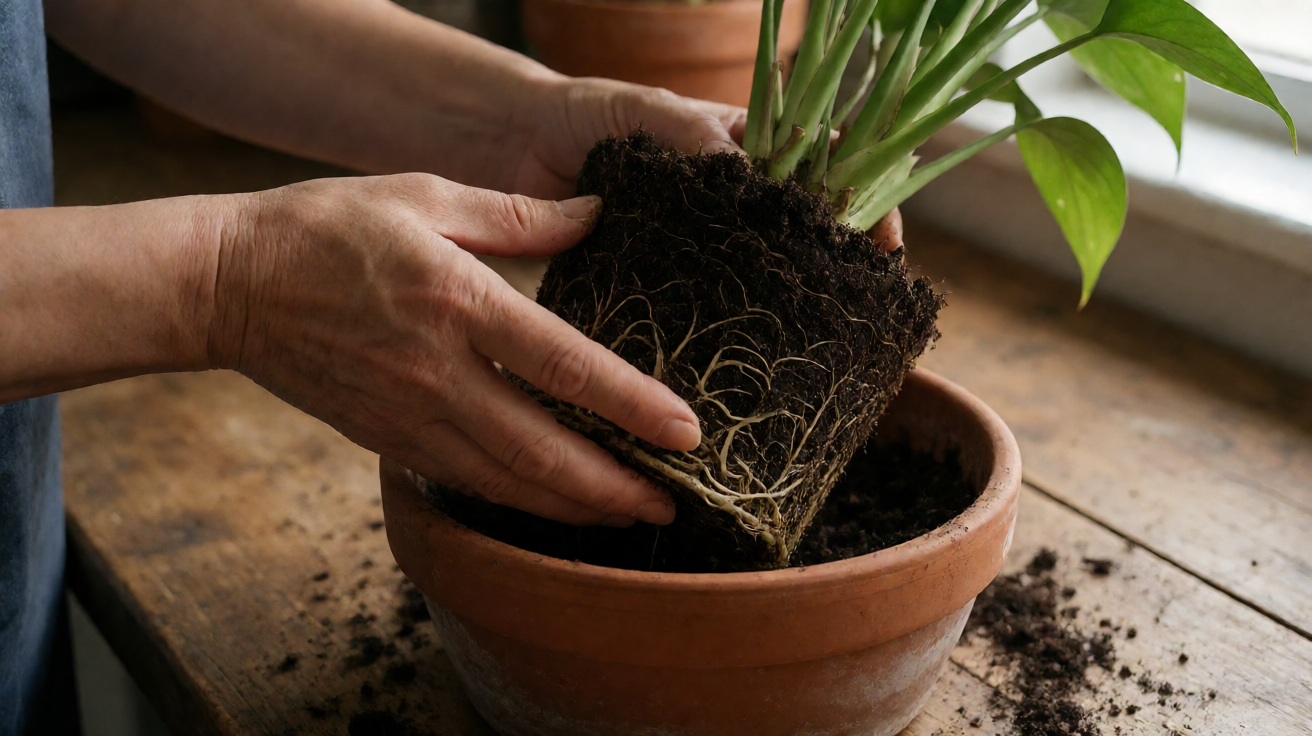
The same plant needs different feeding depending on where it grows. Container soil is a closed system. Nutrients leach out with every watering, so container plants need more frequent but lower-dose feeding. In-ground plants draw from a larger soil reservoir and tolerate less frequent, higher doses.
A practical rule: feed containers at half the label rate, twice as often. Feed in-ground beds at the full rate, once per growth phase. Never apply full-strength fertilizer to a dry container. Water first, then feed, or you risk root burn.
Potting mix also matters. A mix heavy in peat holds nutrients differently than one heavy in bark. If your containers dry out fast, salts concentrate faster, and you should feed even more dilutely. Watch the plant, not just the calendar.
Before you decide on a rate, a soil test removes the guesswork. It tells you what is already there, which is the number that should drive the decision. Our guide to fertilizer application rate math covers the calculations once you have the test.
The decision rule
Stop matching fertilizer to plant names. Match it to growth stage and context. Run this five-step check before you feed anything:
- Is the plant on the low-NPK list? If yes, skip or use a very dilute formula.
- What growth stage is it in? Vegetative growth wants nitrogen. Flowering and fruiting want potassium. Root establishment wants phosphorus.
- Is it acid-loving? If yes, use ammonium-form nitrogen, not standard NPK.
- Is it in a container? If yes, halve the dose and double the frequency.
- Do you have a soil test? If yes, let the test override the label.
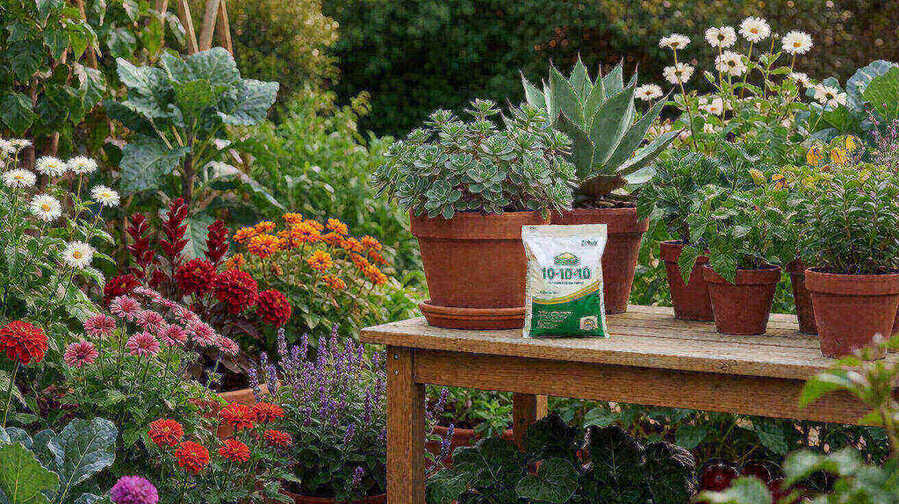
The “all-purpose” label is a starting point for beginners, not a universal answer. It is a 10-10-10 that assumes average soil and average demand. Your garden is not average. Read the label, but let the plant and the soil test make the final call. Choosing the right product is its own skill, covered in our fertilizer buying guide.
Over time you will build a short list of formulas that cover most of your garden: one balanced, one high-nitrogen, one high-potassium, and one acid-form. That small kit, applied with the five-step check, replaces a shelf of bottles you never needed.
Before you feed, also consider what nutrients the plant already gets from the soil. Our overview of essential nutrients for plants explains where those nutrients come from and why a soil test beats a guess. Feed only what is missing, in the ratio the plant needs, at the dose the container or bed can handle.
The actual number is the decision.
Last updated: October 28, 2026.
Sources
- Penn State Extension, “Fertilizing the Home Garden”
- University of Minnesota Extension, “Fertilizing Houseplants”
- UF/IFAS Extension, “Fertilizing Ornamental Plants”
- NC State Extension, “Fertilizing the Home Garden”
- Purdue Extension, “Fertilizing”
- Cornell Cooperative Extension, “Fertilizing Garden Vegetables”
From PDF to Excel in one click
Forget retyping line by line. Upload any bank statement, get a spreadsheet you can actually use. Your files are never stored, and you can test the converter with 3 free conversions.
Try it free