
The crystals do not dissolve in saliva. That is the part most “pet-safe plant” lists leave out, and it is the part that decides whether a dog ends the evening drinking water or at the emergency vet. A leaf labeled “mildly toxic” or “non-toxic” on a plant shop sticker is a marketing claim, not a chemistry claim. The chemistry is whether the leaf contains calcium oxalate raphides – needle-shaped micro-crystals bundled in idioblast cells, embedded throughout the leaf, stem, and sap. When a dog bites down, the crystals fire into the oral mucosa, tongue, and throat. They embed. They do not wash out. The plant does not have to kill the dog to send it to the emergency room. It only has to make the dog stop swallowing.
Most “pet-safe plant” lists are wrong. Three of the five plants that show up on them – peace lily (Spathiphyllum), pothos (Epipremnum aureum), and English ivy (Hedera helix) – contain calcium oxalate raphides. ASPCA classifies all three as toxic to dogs (oral irritation, drooling, vomiting, dysphagia). The same is true for snake plant (Sansevieria trifasciata, saponins), ZZ plant (Zamioculcas zamiifolia, calcium oxalates), and most philodendrons. The plants that are genuinely safe for dogs AND actually survive in low light form a much shorter list than the plant shop sticker would suggest.
This article grades every species on two axes – toxicity to dogs (calcium oxalate raphides, insoluble oxalates, saponins, cardiac glycosides, or none of the above) AND survival under low light (50 to 200 Indoor Plant Foot-Candle Guide at the leaf for 6+ hours a day). A plant that passes one axis and fails the other belongs on a different list. The chemistry is the chemistry. The light is the light. There is no plant that is both “safe in the dark” and “safe for dogs” by virtue of being labeled so – only plants that survive the chemistry and the photon count.
One honest limit up front: a plant the dog has chewed is no longer a list question. It is a triage question. The first 10 minutes are covered at the bottom of this article. If your dog is actively foaming, vomiting, or has swollen gums, skip the list and call ASPCA Animal Poison Control at 888-426-4435 (a $95 fee may apply) or your nearest emergency vet. The list below names what is genuinely safe; it does not replace triage.
The Dual-Axis Problem
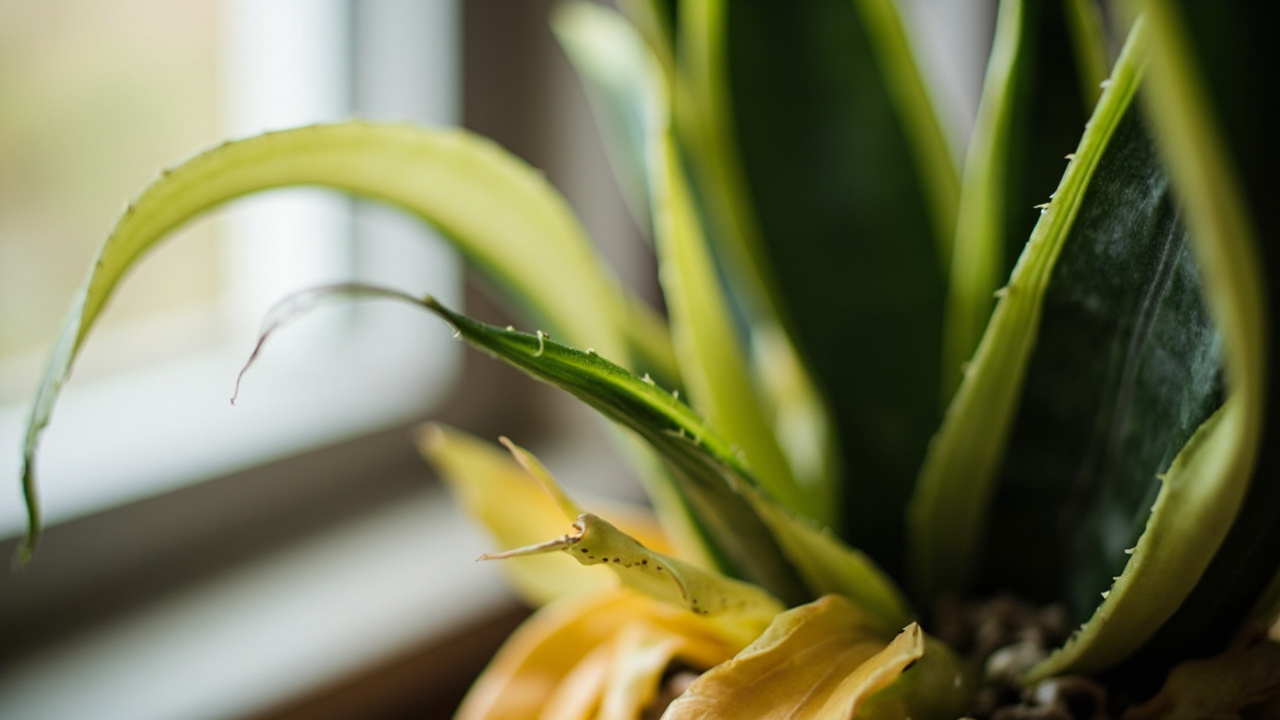
A plant can be non-toxic to dogs AND fail in low light. Areca palm (Dypsis lutescens) is non-toxic and beautiful, but it needs 200+ foot-candles of bright indirect light to keep its fronds from yellowing and dropping. A plant can also be low-light tolerant AND toxic. Snake plant is famous for surviving dark corners. It also contains saponins that cause nausea, vomiting, and diarrhea in dogs.
The dual-axis framework resolves this. Each species below is graded on a 5-point safety scale (ASPCA-verified: toxic / mildly toxic / non-toxic) AND a 3-light-foot-candle requirement (50-100 fc dim, 100-200 fc moderate low, 200+ fc bright indirect). A species that scores non-toxic + dim/moderate low is a keeper. A species that scores toxic at any level – even mildly – is excluded from the keeper list regardless of how well it grows in shade.
The mechanism behind the safety grades: ASPCA’s toxicology database is the canonical source for companion-animal plant safety in the United States. Each species listed below has been cross-verified live against the ASPCA database for this article. University extension toxic plant databases (UC Davis, Cornell) agree with the ASPCA grades for every species on the list.
What Makes a Plant Toxic (The Mechanism You Need to Know)
Five chemistry classes account for almost every dog-toxic houseplant:
1. Calcium oxalate raphides. Needle-shaped micro-crystals of calcium oxalate, packaged inside idioblast cells throughout the leaf. When the leaf is bitten or crushed, the idioblasts rupture and fire the raphides into the soft tissue of the mouth, tongue, and throat. The crystals physically embed. They cause immediate oral burning, pawing at the face, drooling, and dysphagia (difficulty swallowing). Severe exposures can cause airway edema. Found in: Epipremnum aureum (pothos), Spathiphyllum (peace lily), Hedera helix (English ivy), Philodendron spp., Dieffenbachia (dumb cane), Zamioculcas zamiifolia (ZZ plant), Caladium, Syngonium.
2. Insoluble calcium oxalates. The same chemistry but without the raphide shape – the oxalate is bound in the tissue as small crystals that irritate the gut rather than embed. Symptoms are usually GI (vomiting, nausea) rather than oral. Found in: Beaucarnea recurvata is non-toxic by ASPCA, but many plants in the same family carry this risk.
3. Saponins. Soap-like glycosides that foam in the mouth and irritate the GI tract. Found in: Sansevieria trifasciata (snake plant), Dracaena spp. Note: ASPCA lists snake plant as toxic to dogs and cats – nausea, vomiting, diarrhea.
4. Cardiac glycosides. Heart-affecting compounds that alter cardiac rhythm. Found in: Nerium oleander (oleander), Digitalis (foxglove), Kalanchoe spp. (note: Kalanchoe is technically toxic but the dog-relevant threshold is high; ASPCA lists it as toxic).
5. Essential oils and terpenes. Concentrated in Lavandula (lavender), Mentha (mint in high doses), Citrus spp. Most are GI-irritant at pet-relevant doses rather than life-threatening.
The mechanism matters because plant shop stickers rarely name the chemistry. A sticker that says “mildly toxic” on a peace lily means the same raphides as a sticker that says “toxic” on a Dieffenbachia. The dose is similar. The label is not.
What is NOT toxic. The ASPCA database names hundreds of genera as non-toxic to dogs. Among them, only a subset survives in low light (50-200 foot-candles at the leaf for 6+ hours a day). The keeper list below intersects these two constraints.
The Keeper List (Non-Toxic AND Low-Light Tolerant)
Each entry below is verified against the ASPCA Animal Poison Control database as non-toxic to dogs, AND verified against horticultural light-level references as tolerant of 50-200 foot-candles at the leaf. Latin binomials italicized; common names in parentheses.
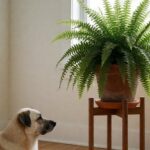
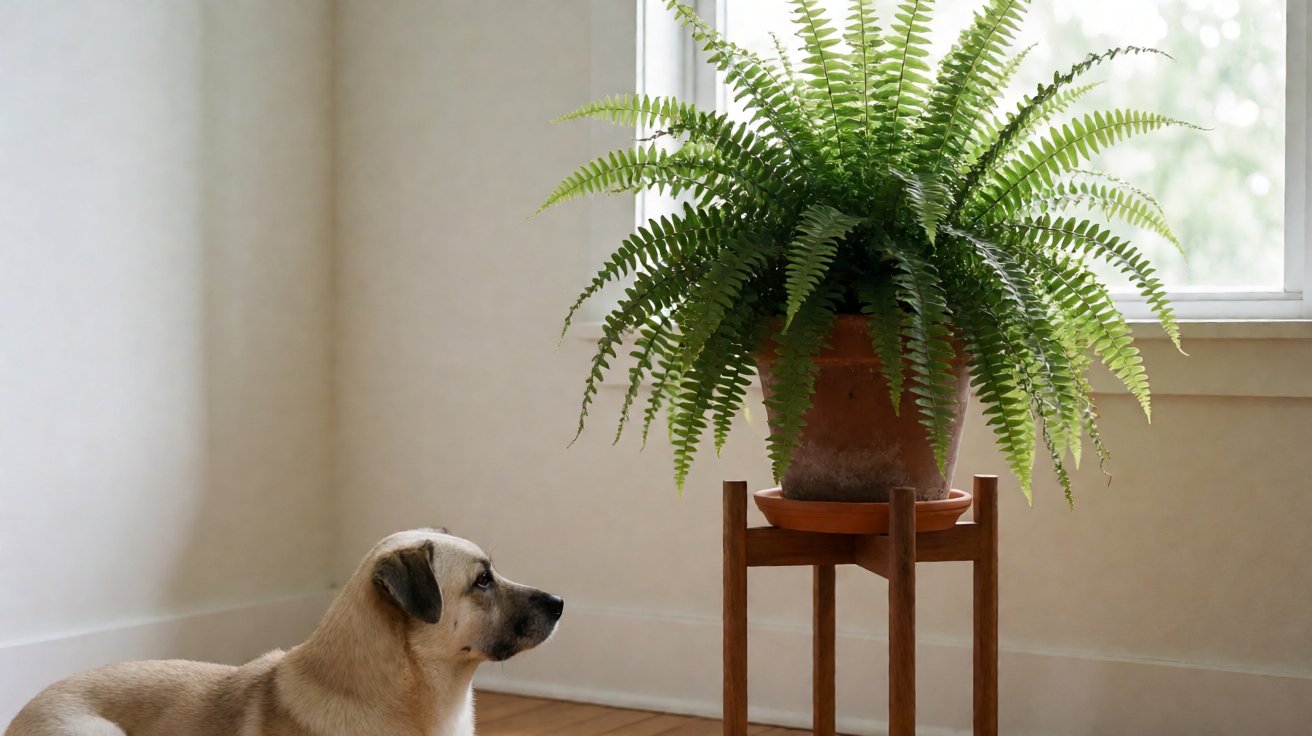
Nephrolepis exaltata (Boston fern) – Non-toxic to dogs. Tolerates 50-150 foot-candles. Native to the understory of Caribbean and Florida hammocks. The most forgiving fern for a dim room with a dog. Trade-off – the fronds drop if humidity falls below 40%; mist or group with other plants. Frond tips brown fast in dry indoor winter air. The fern is the single best pick on this list for a dim corner with a curious puppy.
Chlorophytum comosum (spider plant) – Non-toxic to dogs. Tolerates 50-200 foot-candles. Native to southern Africa. The ASPCA database classifies spider plant as non-toxic to both dogs and cats, despite persistent rumors that it causes mild narcotic effects in cats (the rumor is not supported by ASPCA toxicology). Spider plant is one of the few that genuinely thrives AND propagates easily in low light – pups form on the runners without bright light.
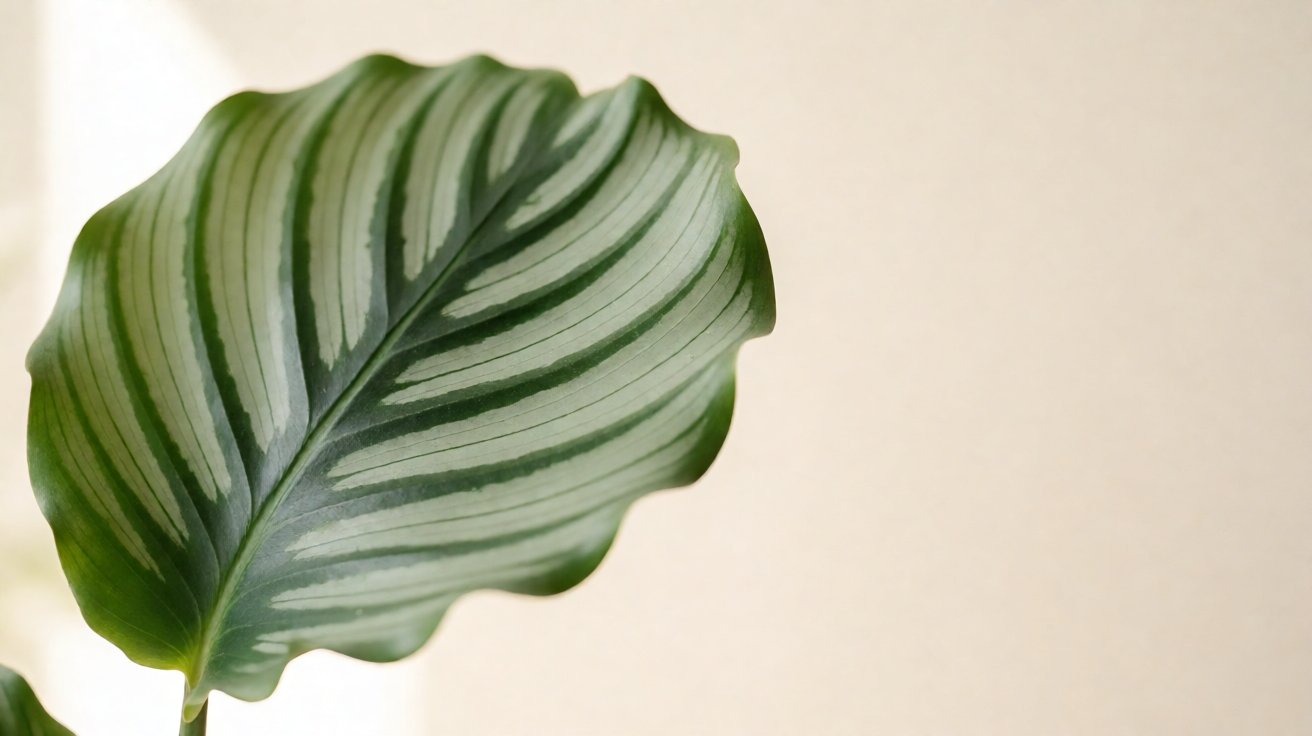
Calathea spp. (calathea, prayer plant) – Non-toxic to dogs. Tolerates 75-200 foot-candles. Native to the understory of tropical Central and South America. Calathea orbifolia, C. roseopicta (medallion), C. lancifolia (rattlesnake plant), and C. makoyana (peacock plant) are all ASPCA non-toxic. The prayer plant family (Marantaceae) is non-toxic across genera – Maranta leuconeura (prayer plant) and Stromanthe sanguinea (‘Triostar’) are equally safe. Trade-off – calathea needs humidity above 50% or leaf edges crisp. Group with a fern or run a humidifier.
Aspidistra elatior (cast iron plant) – Non-toxic to dogs. Tolerates 25-100 foot-candles (the lowest of the list). Native to the understory of East Asian forests. The cast iron plant is named for surviving conditions that kill almost everything else – including a dog brushing past it on the way to a brighter corner. Slow grower. Tolerates irregular watering better than almost any other foliage plant.
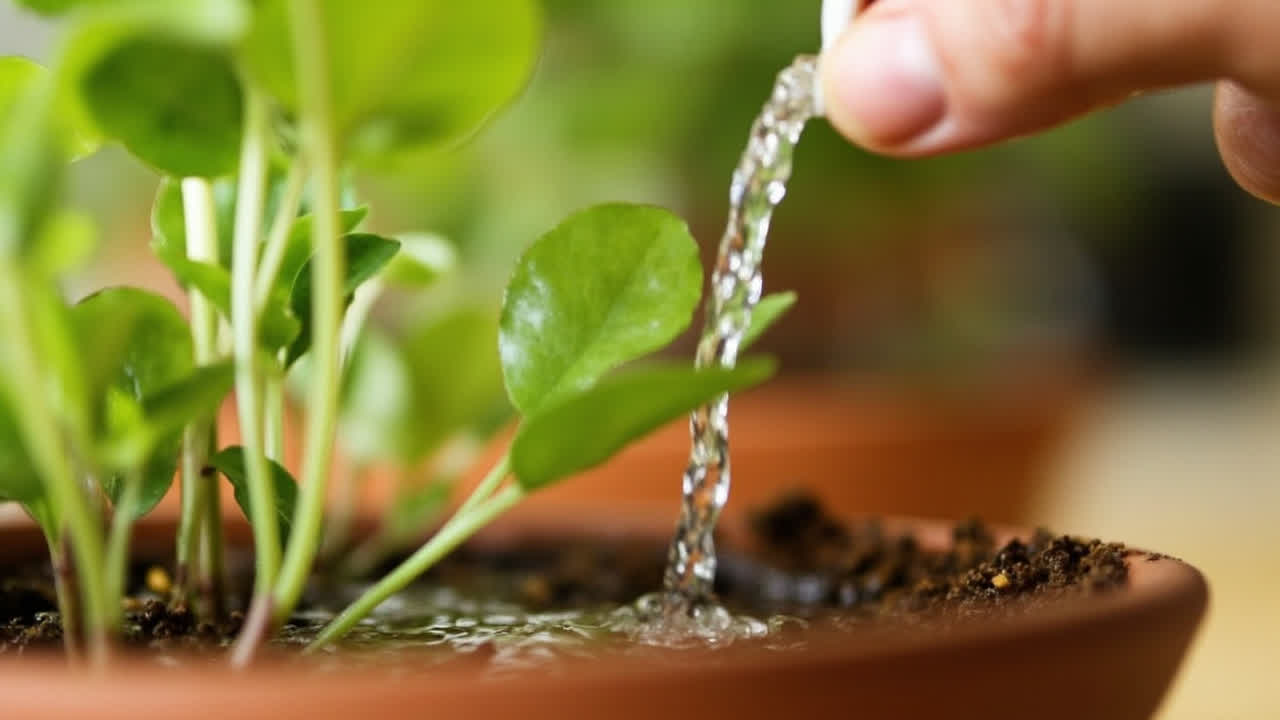
Pilea peperomioides (Chinese money plant, missionary plant) – Non-toxic to dogs. Tolerates 75-150 foot-candles. Native to the understory of the Yunnan province in southern China. The round leaves are characteristic. Easy to propagate from pups that grow from the root crown. Trade-off – leggy in deep shade; rotate the pot a quarter turn each week to keep the silhouette round.
Peperomia obtusifolia (baby rubber plant) – Non-toxic to dogs. Tolerates 75-200 foot-candles. Native to the understory of Central and South American rainforests. NOT to be confused with Ficus elastica (rubber tree), which contains a sap that irritates dog skin and gut. Peperomia is the genuine non-toxic lookalike. Thick, succulent-like leaves store water, so the plant forgives missed waterings.
Bromeliaceae (bromeliad, genus-level) – Non-toxic to dogs. Tolerates 75-200 foot-candles. Native to the understory of Neotropical forests. The cup at the center of the rosette collects water – keep it fresh, otherwise mosquito larvae. Trade-off – most bromeliads flower once, then the parent rosette slowly declines while pups form at the base; this is normal, not a defect.
Phalaenopsis (moth orchid) – Non-toxic to dogs. Tolerates 100-200 foot-candles. Native to the understory of Southeast Asian rainforests. ASPCA classifies the entire orchid family (Orchidaceae) as non-toxic to dogs. The bloom cycle is independent of the dog – flowering is triggered by a 10-15°F nighttime temperature drop, not by feeding or extra light.
Fittonia albivenis (nerve plant, mosaic plant) – Non-toxic to dogs. Tolerates 75-150 foot-candles. Native to the understory of Peruvian rainforests. The pink, white, or red veining on the leaves is the signature. Trade-off – collapses dramatically when the soil dries out, then recovers within hours of watering. The wilting is not a death sentence. It is the plant talking.
Hypoestes phyllostachya (polka dot plant) – Non-toxic to dogs. Tolerates 75-200 foot-candles. Native to Madagascar understory. The pink-splashed leaves fade to green in deep shade, but the plant survives. Pinch back flower spikes as they form to keep the foliage colorful.
Tradescantia zebrina (wandering jew, inch plant) – Non-toxic to dogs per ASPCA, though the sap can cause mild contact dermatitis in some dogs (skin redness where the plant brushed). Tolerates 50-150 foot-candles. Native to the understory of Mexico and Central America. Easy to grow from stem cuttings rooted in water.
Three plants that show up on most “pet-safe” lists but should not:
- Spathiphyllum (peace lily) – TOXIC to dogs (ASPCA: calcium oxalate raphides). The white spathe looks like a flower but the leaf carries the same raphides as a philodendron. Same mechanism, same oral burning, same emergency vet risk.
- Epipremnum aureum (pothos, devil’s ivy) – TOXIC to dogs (ASPCA: calcium oxalate raphides). The trailing vine is iconic, but the raphide mechanism is identical to peace lily. One chewed leaf is enough.
- Sansevieria trifasciata (snake plant) – TOXIC to dogs (ASPCA: saponins). The mechanism is different from raphides but the outcome is the same vet visit – nausea, vomiting, diarrhea.
If you have any of these three at home with a dog, elevate them to a hanging planter the dog cannot chew, or re-home them. The plant shop sticker is wrong.
If the Dog Has Already Chewed (First 10 Minutes)
Triage in the first 10 minutes matters more than identifying the species later. The list below assumes you have not yet identified which plant was chewed.
- Move the dog away from the plant. Photograph the plant (close-up of any chewed leaf, the base, the pot sticker) for the vet. Do not try to identify the species by memory.
- Remove any visible plant material from the mouth. Rinse the mouth with cool water for 60 seconds. Do not induce vomiting unless a vet specifically directs you to.
- Call ASPCA Animal Poison Control at 888-426-4435. A $95 fee may apply. The hotline is staffed 24/7 by veterinary toxicologists who can identify the species from a photo and direct you to the right triage. There is no national hotline equivalent for cats or other pets.
- Watch for the next 4 hours. Symptoms that justify an emergency vet visit: profuse drooling, foaming, repeated vomiting, pawing at the face, swollen tongue or gums, difficulty swallowing, collapse. Symptoms that justify a same-day non-emergency call: single vomiting episode, brief drooling, refusal of one meal.
- Take the chewed plant to the vet (or a clear photo). Species identification drives treatment. The plant shop sticker is rarely enough – bring the Latin name on the pot if there is one.
The single most important number on this page is 888-426-4435. Write it into your phone now, before you ever need it. The list of safe plants is no substitute for triage. The two work together.
What This List Does Not Cover
Cats and dogs have different toxicology profiles. Spathiphyllum is more toxic to cats than dogs. Chlorophytum comosum is mildly hallucinogenic to some cats (the rumor has anecdotal support but ASPCA does not classify it as toxic). If you have a cat, the ASPCA database should be checked species-by-species.
Outdoor plants are off-list. Many common landscape plants (oleander, foxglove, sago palm, lilies) are far more toxic than any houseplant. If your dog has access to a yard, the relevant toxicology database is the outdoor one, not this list.
“Edible” houseplants (herbs, lettuce grown indoors) are off-list. Ocimum basilicum (basil), Mentha (mint), and Petroselinum crispum (parsley) are non-toxic by ASPCA, but their essential-oil content can cause GI upset at large doses. The gardener’s dog who grazes the herb garden is a different question from the apartment dog’s chewed pothos.
What to Expect in the First Two Weeks
If you bring home a Boston fern, spider plant, calathea, or any other non-toxic low-light plant from the keeper list, the first two weeks are when the plant tells you whether it likes your room. Expect the lowest leaves to yellow and drop if the plant was shipped in a darker nursery than your room – this is acclimation, not failure. Expect calathea and fittonia to wilt dramatically the first time the soil dries past the second knuckle – they recover within hours of watering. Expect the spider plant to produce its first pups at 4 to 6 weeks if light is at the higher end of the range.
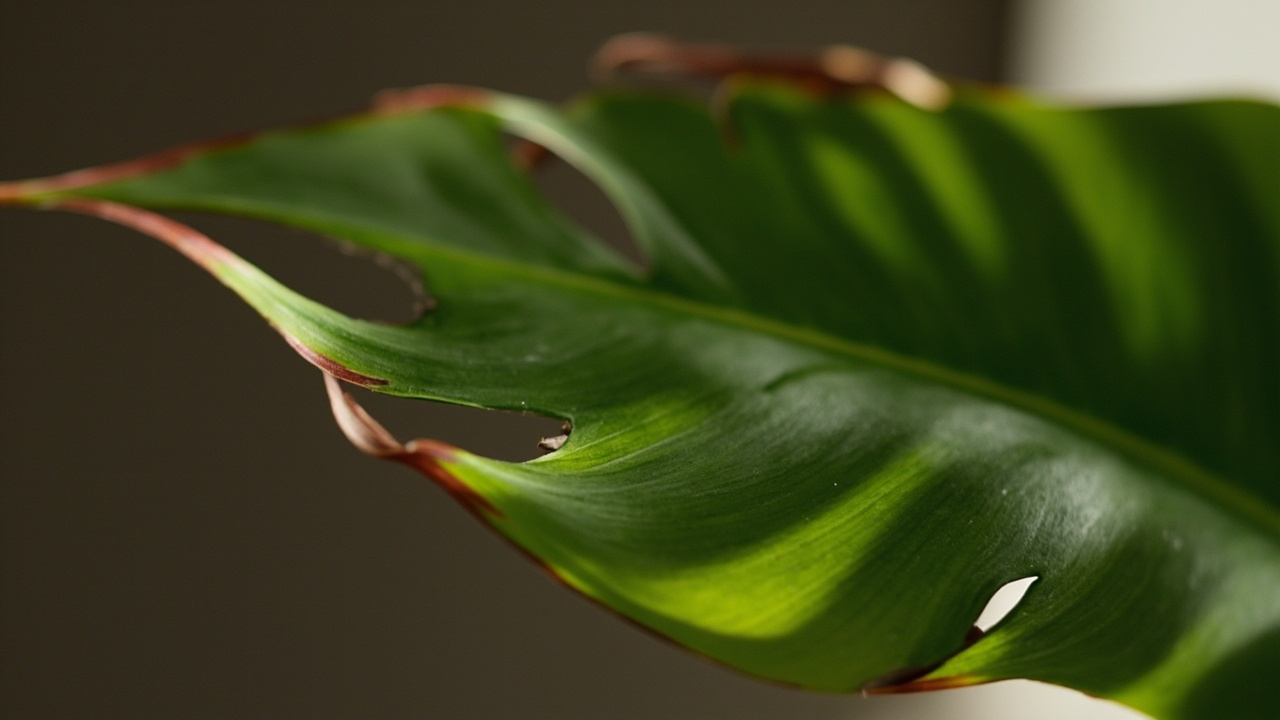
If a leaf on any of these plants develops brown margins within the first two weeks, the cause is almost always one of three: humidity below 40% (raise with a humidifier or grouping), fluoride or chloride in the irrigation water (switch to filtered or rainwater), or direct sun on a leaf that was sold as low-light (move it 3 feet back from the window). The chemistry is the chemistry. The light is the plant.
Dog-proof the plant, not the dog. The list is short because the chemistry is honest – not because we ran out of ideas.
Related reading on aqualogi: the broad low-light hub, the four-tier foot-candle framework, the flowering-in-shade companion, the NASA air-purification study, and the species-level toxicology primer and the indoor-care corner that ties water, light, humidity, and soil together for the species above.
From Bank Statement to QuickBooks-Ready File
That manual cleanup you just read about? This tool skips it. Turn your PDF into QBO for QuickBooks without storing your data anywhere.
Start Converting