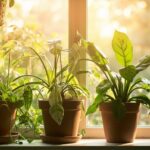
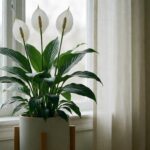
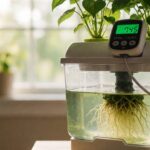
The Philodendron family is one of the most popular groups of houseplants in Singapore, and for good reason. They are forgiving, adaptable, and come in an extraordinary range of leaf shapes and growth habits — from compact bushes to dramatic climbing vines. If you have been keeping houseplants for any length of time, you have probably owned or encountered one. Here is everything you need to know about keeping one thriving.
What Makes a Philodendron a Philodendron
Philodendron is a genus of tropical plants native to Central and South America, the Caribbean, and parts of West Africa. There are over 500 species in the wild, and the genus has been extensively hybridised for indoor use. What unites them is their growth habit — they are mostly climbers or crawlers in their natural habitat, attaching to tree trunks and climbing toward light. Some are compact, shrub-like forms that do not climb, but the majority of popular indoor Philodendrons have a vining or climbing tendency.
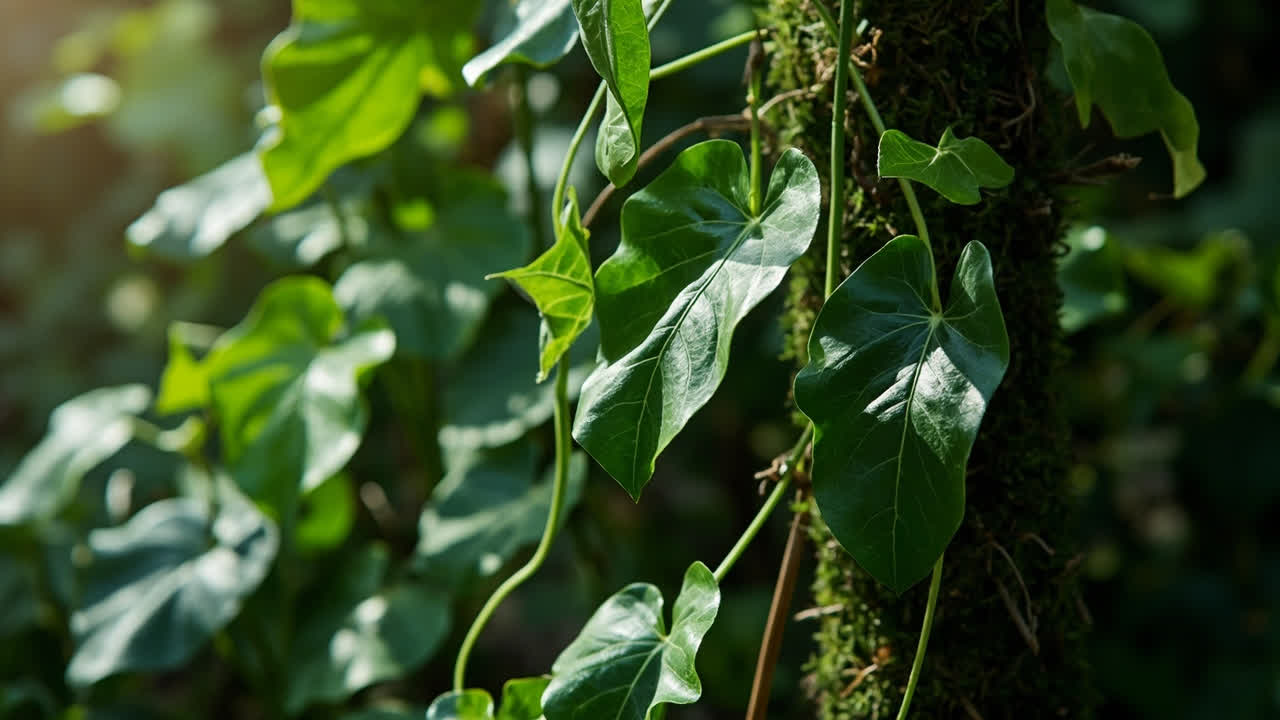
This matters for how you grow them. A climbing Philodendron will perform better with something to attach to — a moss pole, a wooden board, or a trellis. Left to trail, it will grow, but it will produce smaller leaves on longer stems. Give it something to climb and the leaves size up dramatically.
Light Requirements
Philodendrons tolerate lower light better than most tropical houseplants, but “tolerate” and “thrive” are different things. In low light, the plant will survive but growth will slow, the leaves will be smaller, and the stems will be long and leggy as the plant reaches for whatever light is available.
Bright indirect light is ideal — the kind of light that comes from an east or north-facing window, or that is filtered through a net curtain in a south-facing room. Direct sun will burn the leaves, leaving pale yellow or brown scorch marks that are permanent.
A Philodendron in good light produces larger leaves with more vibrant colouring, and the internodes (the gaps between leaves) are shorter, giving the plant a denser, more compact appearance. If you are growing a variegated Philodendron, sufficient light is especially important — without it, the variegated sections will reduce or disappear as the plant prioritises chlorophyll for survival.
Watering
The same rule as most tropical houseplants: water when the top 3 to 5 cm of soil are dry. Do not water on a schedule — check the soil every time. In Singapore’s climate, this typically means every 5 to 10 days depending on the season, the mix, and the pot size.
The most common mistake with Philodendrons is overwatering. Their roots need air. If the soil stays wet for more than three to four days after watering, something is wrong — either the mix is too dense, the pot has poor drainage, or you are watering too frequently. Yellowing leaves at the base of the plant, a musty smell from the soil, or wilting despite moist soil are all signs of overwatering or root rot.
Soil Mix
Philodendrons need a mix that balances drainage with moisture retention. A good starting point is:
- Two parts quality potting mix
- One part perlite
- One part orchid bark or coarse bark
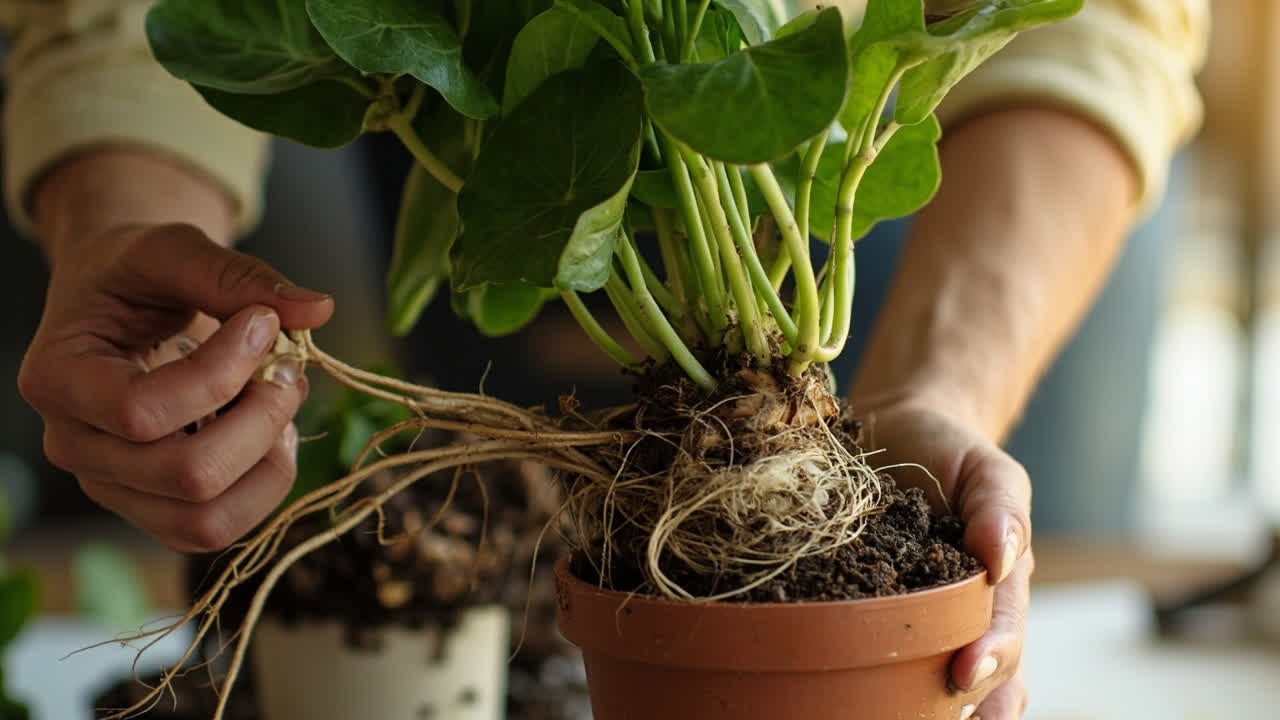
This gives the roots both the moisture they need and the air pockets they prefer. Commercial aroid mixes — designed for tropical climbers — are also available and work well. The key is that the mix should not compact or go dense over time; perlite and bark keep it open long-term.
Temperature and Humidity
Philodendrons are comfortable in the same temperature range as most Singapore homes: 18°C to 30°C. Below 15°C, growth slows noticeably. They are tolerant of average indoor humidity, though brown leaf edges can appear in very dry air-conditioned rooms. A pebble tray helps during the dry season.
Climbing vs Trailing
For climbing Philodendrons — such as the popular Heartleaf Philodendron (Philodendron hederaceum) or the Brasil variety — providing a moss pole is the single most impactful thing you can do for leaf quality. Aerial roots attach to the pole, drawing extra moisture and support, and the leaves on a climbing vine can reach two to three times the size of leaves on a free-trailing vine of the same age.
For non-climbing, compact Philodendrons — such as Philodendron glad — a moss pole is not necessary. These grow as shrubs and remain relatively compact, making them better suited to tabletops or shelves.
Toxicity
Philodendrons are toxic to cats and dogs, as with all plants in the Araceae family. They contain calcium oxalate crystals that cause mouth and gastrointestinal irritation if chewed. Keep them out of reach of pets, and wash your hands after handling any part of the plant.
For propagation, see the Philodendron Propagation guide. For specific problems, see the Philodendron Common Problems guide.
Turn any PDF statement into a clean sheet
Skip the typos and the hours of copying. Our converter handles any bank statement format and outputs Excel, CSV, or QBO for QuickBooks. No file retention, free to try.
Convert your statement