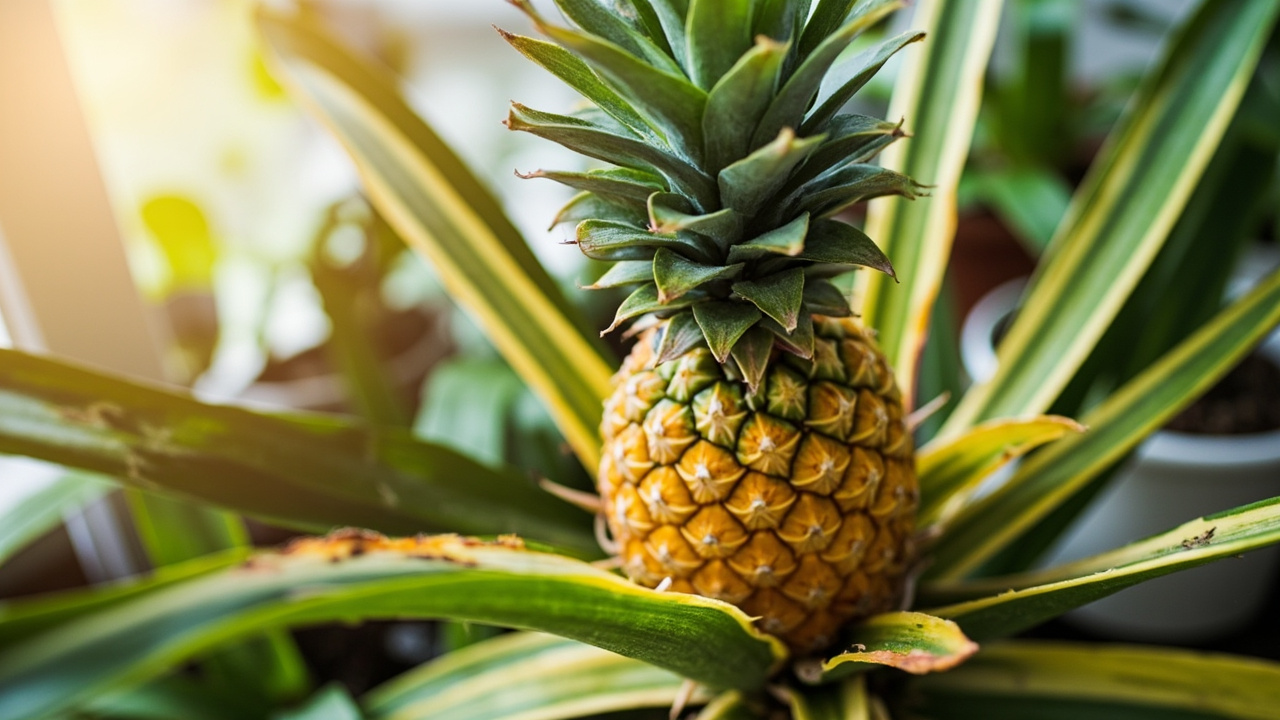
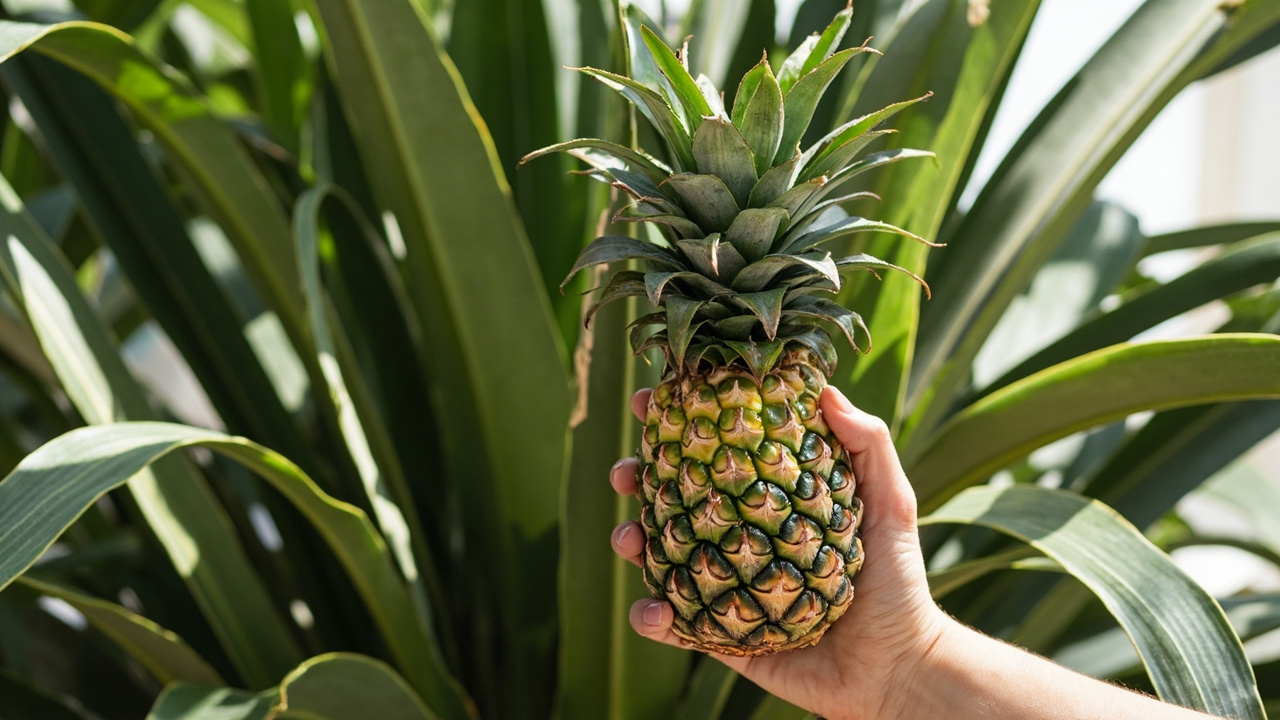
This is one of the most frustrating pineapple problems because the plant can look perfectly alive and still do absolutely nothing on the fruiting front. No flower spike. No visible transition. Just leaves. More leaves. Then more leaves.
Most growers assume fruiting is automatic once the plant is old enough. It is not. A pineapple plant needs enough maturity, enough energy, and the right environmental signals before it shifts from vegetative growth into flowering and fruiting.
That means a non-fruiting pineapple is usually not “broken.” It is usually missing a condition that tells it the timing is right.
The First Question: Is the Plant Mature Enough?
Pineapple plants usually need 2 to 3 years to reach fruiting maturity in home conditions. Sometimes longer indoors. If the plant is still relatively small, has a modest root system, or only recently established from a crown, non-fruiting is normal. You can check the full pineapple fruiting timeline to understand what to expect at each stage.
What happens next in an immature plant is simple: it keeps building leaf mass. That is not failure. That is preparation. Fruiting too early would actually be a bad sign because the plant would not have enough stored energy to support good development.
Light Is the Biggest Fruiting Bottleneck
Pineapple plants need strong light to reach flowering strength. If the plant gets only moderate indoor light, it may survive and even look acceptable, but it often lacks the energy surplus required for fruit initiation. For the specific light windows and duration your plant needs, see our guide to pineapple light requirements.
- 6–8 hours of direct light is the practical minimum
- stronger outdoor summer growth usually improves fruiting odds dramatically
- weak indoor light often explains why a plant keeps growing leaves but never shifts stage
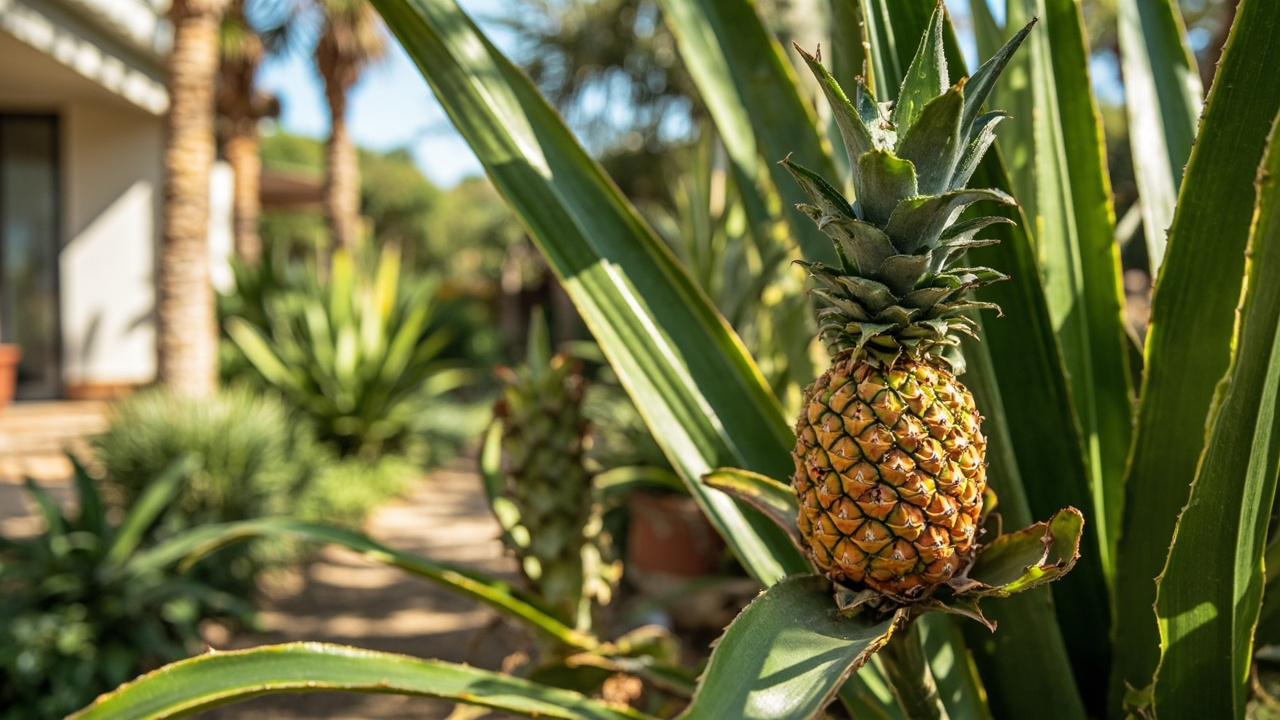
Warmth Matters More Than People Think
Pineapples are warm-climate plants. Temperatures below 60°F (15°C) slow growth significantly, and prolonged cold can stall the plant in vegetative mode indefinitely. Consistent warmth, especially at night, signals the plant that conditions are right for reproduction. If you are growing in a cooler climate, our pineapple temperature tolerance guide covers the specific thresholds to watch for.
Ideal conditions sit around 70–85°F (21–29°C) during the day with only modest temperature drops after sunset.
Too Much Nitrogen Can Delay Fruiting
High-nitrogen fertilizers push leafy growth at the expense of flowering. If your plant looks lush and dark green but has never fruited, the fertilizer balance may be working against you. Switch to a fertilizer with a higher phosphorus and potassium ratio during the growing season. A proper pineapple fertilizer schedule can help you avoid this common pitfall.
Stress Can Delay Fruiting Too
Mild stress — slight drought, root binding, or even a shift in environment — can trigger a fruiting response in some pineapple plants. But too much stress backfires. Severe root rot, prolonged underwatering, or root-bound conditions serious enough to damage the root system will stall all growth, including fruiting. Watch for the signs covered in our pineapple root rot guide and address them early.
Can You Trigger Flowering?
Yes — there are proven methods to force flowering. The most reliable is an ethylene gas application, which mimics the plant’s natural fruiting hormone signal. Home growers typically use a small piece of apple or banana placed near the crown and sealed in a clear bag for 24–48 hours. Once triggered, the plant produces a flower spike within 2–3 months. If you are wondering whether a pineapple plant fruits more than once, the answer and the full explanation are worth knowing before you invest effort in a single-fruit harvest.
How to Tell If Fruiting Might Be Close
The plant will show physical signs when fruiting is imminent. The crown leaves may start to look more compact and pointed. A thickening at the base of the stem, sometimes called a “heart” or “button,” is a reliable early signal. Color changes in the center leaves — moving toward a reddish or purple hue — are also common pre-fruiting indicators. Use a pineapple care calendar to track these transitions across the year and stay on top of the changing care routine.
What to Do If Your Pineapple Is Not Fruiting
Work through this checklist in order:
- Confirm the plant is at least 2 years old
- Move it to the brightest available spot — outdoors in summer is ideal
- Maintain consistent warmth above 60°F (15°C)
- Switch to a low-nitrogen, high-phosphorus fertilizer
- Apply an ethylene trigger if the plant is mature but still vegetative
- Be patient. Most of the delay is simply environmental conditions not being met yet.
Regular watering and adequate humidity also matter. Pineapples are adapted to moderate-to-high humidity but are fairly tolerant of average indoor conditions when drainage is good. Inconsistent moisture, especially prolonged dry spells followed by heavy watering, can stress the plant enough to delay fruiting.
The Honest Take
A non-fruiting pineapple is almost never broken. It is almost always waiting. The plant is watching for the right combination of maturity, light, warmth, and stored energy before it commits to producing fruit. Your job is to give it those conditions and then give it time.
If you have applied the right conditions for more than 30 months and the plant still shows no signs of flowering, check the root system for issues and consider whether the plant needs a fresh pot and new soil. Sometimes a gentle repotting shock combined with better light is exactly the signal the plant needed.
From Bank Statement to QuickBooks-Ready File
That manual cleanup you just read about? This tool skips it. Turn your PDF into QBO for QuickBooks without storing your data anywhere.
Start Converting