
Pineapple is a patience plant. If you are waiting for fruit, the first thing to accept is that the plant moves on its own schedule, not yours. In home conditions, fruit usually takes years, not months, and the exact pace depends on what you started with and how well the plant is growing.
This page answers one question only: how long pineapple takes to fruit. That means the focus is the timeline itself, not a broad care roundup.
Pineapple Fruiting Takes Longer Than Most People Expect
If you are growing pineapple at home, the hardest part is often not the care. It is the timeline. People hear that a pineapple top can grow into a new plant and quietly assume the fruit part is only a season away. It usually isn’t.
In home conditions, pineapple is a long game. Fruiting usually takes 2 to 3 years, sometimes longer, especially indoors or from crowns started in less-than-ideal light.
That sounds slow because it is slow. But once you understand what the plant is actually doing during that time, the timeline makes more sense.
The Most Honest Timeline Estimate
For most home growers, a realistic estimate looks like this:
- crown-started plant: 2 to 3 years to fruit, sometimes longer
- pup or sucker: often faster because the plant starts more mature
- strong nursery plant: depends on how established it already is
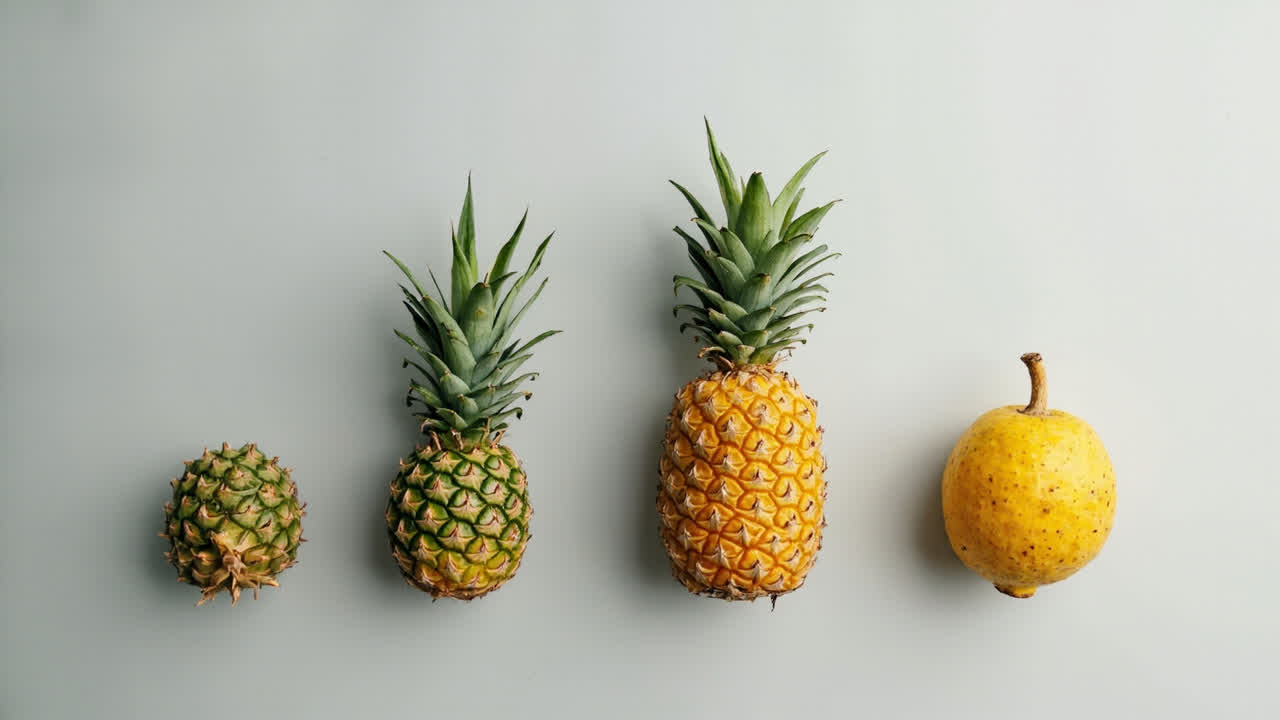
What happens next depends on how much developmental head start the plant already has. A crown has to root, establish, and build up all its structure from scratch. A pup or sucker starts closer to adulthood.
Starting Material Changes the Timeline
The biggest factor is what you start with.
Crown From a Fruit
A crown started from a fruit is usually the slowest route. The plant has to root, establish, and build all its structure from scratch before it can even think about flowering.
Pup or Sucker
A pup or sucker usually fruits faster because it starts with more maturity already built in. That head start can cut meaningful time off the wait.
Established Nursery Plant
An established nursery plant is often the shortest path if it is already well grown. But it still needs time to adjust to your conditions before it will flower.
Typical Fruiting Timeline From a Crown
If you grow from a store-bought pineapple crown, the common home timeline looks like this:
- first 1–2 months: rooting and establishment
- months 3–12: juvenile vegetative growth
- year 2: stronger mature leaf structure develops
- year 2–3: possible flowering if conditions are good
- 5–7 months after flowering: fruit develops and ripens

So yes, you may be waiting a long time. But the plant is not idle during that period. It is building the mass and energy reserves required to support fruit.
Why the Clock Slows Down
Not all delays are random. Usually the plant is missing one of four things:
- enough direct light
- enough warmth
- root health and good drainage
- overall maturity
The light requirements guide explains exactly what strong pineapple growth needs and why weak indoor light stretches the timeline so much.
If the plant spends years in weak indoor light, the clock stretches. If temperatures stay cool for much of the year, the clock stretches. If the roots stay stressed in dense wet soil, the clock stretches. Fruiting is a reward for accumulated strength, not just elapsed time.
How Long After Flowering Until Fruit Is Ready?
Once flowering starts, the fruit usually needs around 5 to 7 months to mature. That part is more visible and easier to track than the vegetative phase before it.
What happens next is a gradual swelling and ripening process. The fruit develops over time rather than appearing suddenly full-sized and ready.
Can You Speed It Up?
You can improve the odds, but you cannot turn pineapple into a fast crop.
The best ways to shorten the timeline are:
- start with a pup or sucker instead of a crown
- give the plant stronger direct light
- keep temperatures warm and steady
- avoid root stress from bad soil or overwatering
The trade-off is patience versus control. You can create better conditions, but the plant still needs enough biological maturity to respond.
Indoor vs Outdoor Fruiting Timelines
Outdoor growing in warm climates usually shortens the path because light intensity and seasonal energy are stronger. Indoors, even a healthy plant often takes longer simply because the total energy input is lower.
This does not mean indoor fruiting is impossible. It means indoor growers need more patience and better consistency.
How to Know the Plant Is Moving in the Right Direction
Before fruiting, the plant should look progressively stronger:
- larger, firmer leaf rosette
- deeper green color
- steady new center growth
- better overall posture
What you do not want is a plant that remains small, pale, or stalled for months. That means time alone is not solving the problem.
The Honest Timeline Expectation
If you start from a crown in ordinary home conditions, assume 2 to 3 years. If you get fruit sooner, great. If you are growing indoors in weaker light, expect the longer end of the range or beyond. If you start from a strong offset, your odds improve.
That is the realistic answer. Pineapple is not hard because it is complicated. It is hard because it asks for patience most people do not naturally give.
The Best Next Step
If you want the fruiting timeline to make sense, read why pineapple plants do not fruit and whether a pineapple fruits more than once. Those two pages explain what happens before and after the fruiting stage, which is where the bigger picture comes together.
From PDF to Excel in one click
Forget retyping line by line. Upload any bank statement, get a spreadsheet you can actually use. Your files are never stored, and you can test the converter with 3 free conversions.