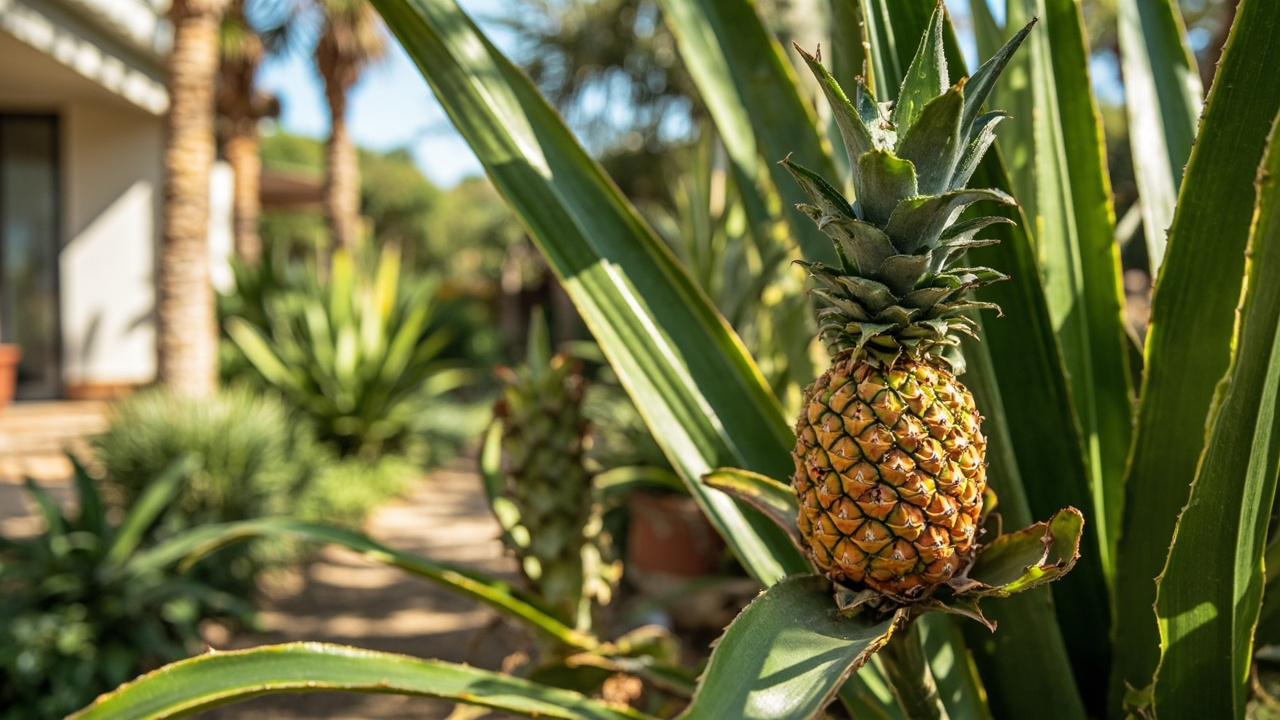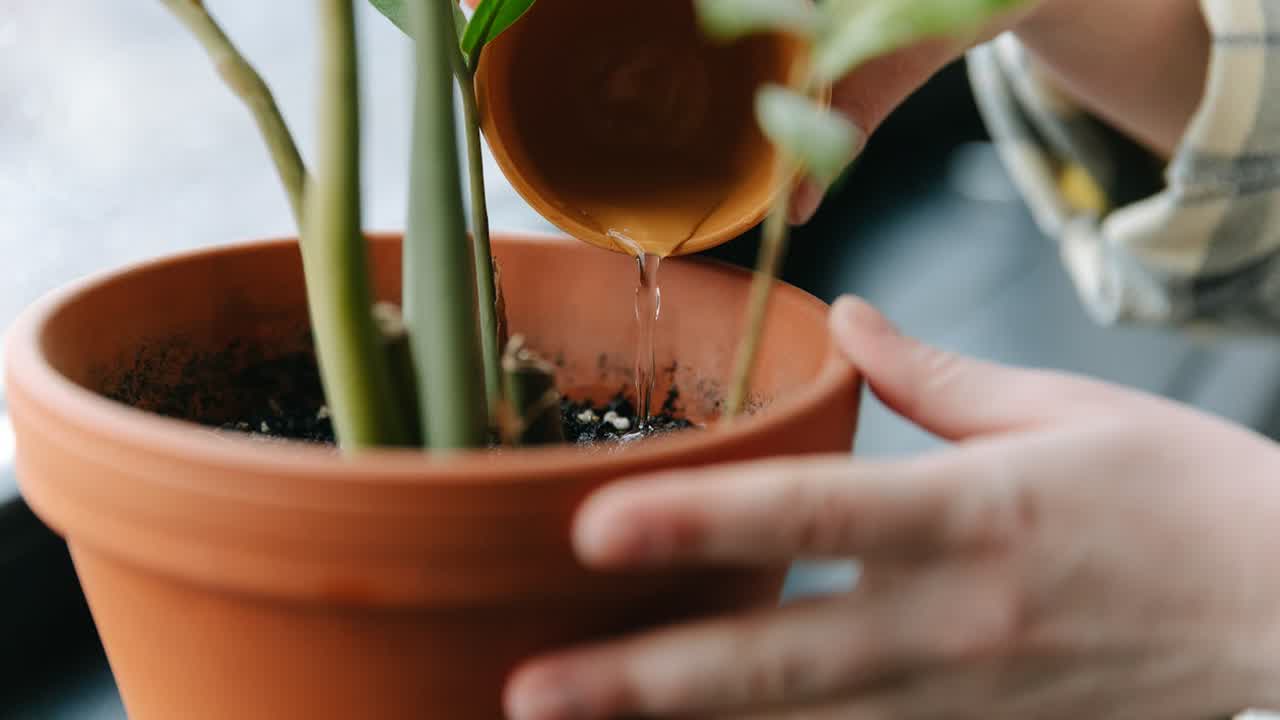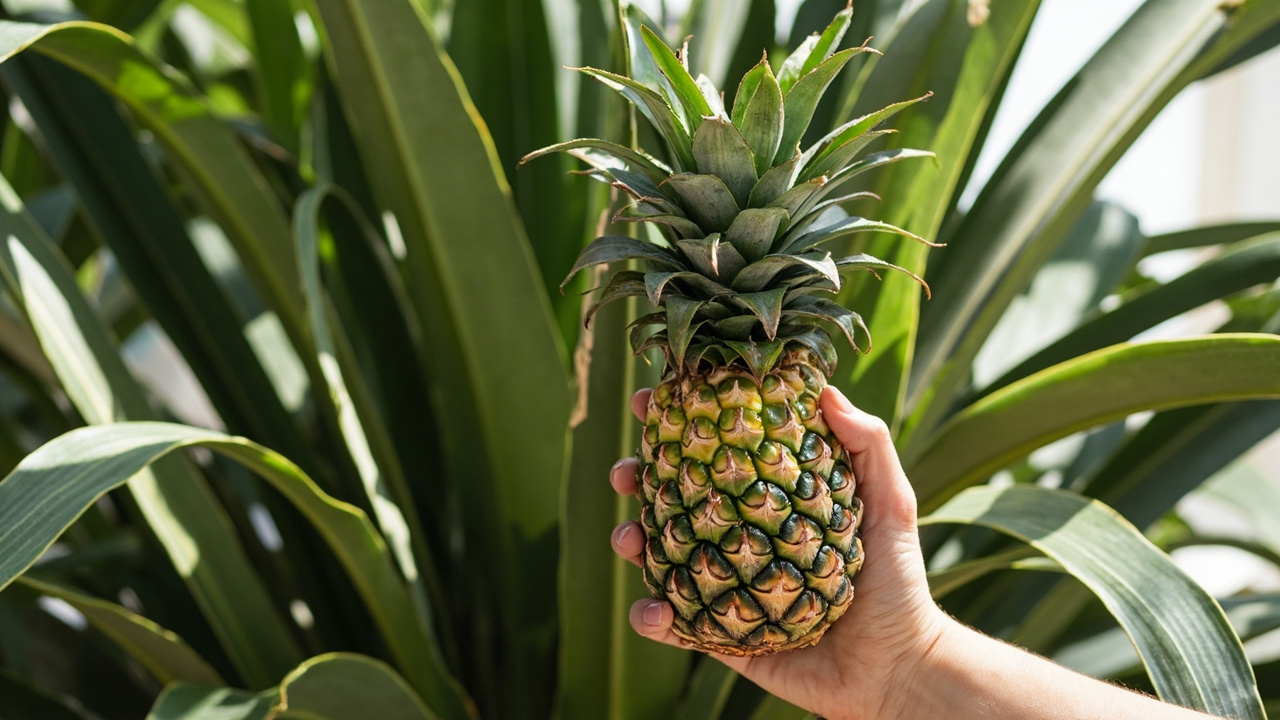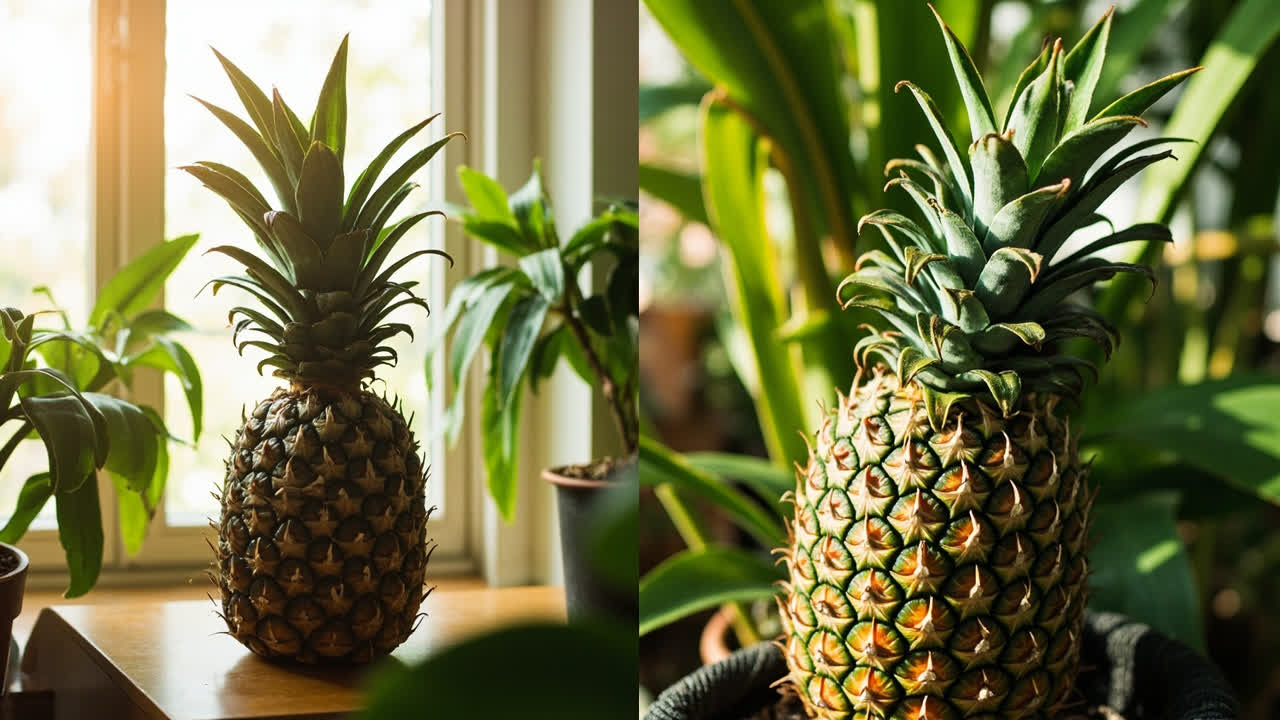

People often ask whether pineapple plants grow better indoors or outdoors as if one answer fits every situation. It doesn’t. Outdoors usually gives the plant more raw energy. Indoors gives you more control. Which matters more depends on your climate and your setup.
If you live somewhere warm year-round, the outdoor answer is usually stronger. If you live somewhere with cold winters, indoor growing becomes part of the strategy whether you planned for it or not. The real decision is not ideology. It is environment.
Most people are not choosing between two equal conditions. They are choosing between a sunny patio, a mediocre living room corner, or a window that gets just enough light to make them hopeful. Be honest about that. Pineapple plants reward honesty more than optimism.
Why Outdoor Growing Usually Produces Stronger Plants
Outdoors, pineapple plants usually get:
- more intense light
- better airflow
- warmer root-zone activity during the growing season
- more natural day-length cues
What happens next is usually faster growth, thicker leaves, and a stronger chance of eventual flowering and fruiting. If the climate is warm enough — ideally with temperatures often in the 70–90°F / 21–32°C range — the plant simply has more energy to work with.
The trade-off is exposure. Outdoors, the plant also deals with heavy rain, heat spikes, pests, and cold nights more directly. So outdoor growing is not easier in every sense. It is just more powerful when the climate is on your side.
Why Indoor Growing Still Works
Indoors, you control the environment more directly. You can manage cold, protect the plant from storms, and keep pests lower than they might be outside.

Indoor growing works best when you can provide:
- a strong south-facing window or equivalent
- at least 6–8 hours of direct light
- warm stable temperatures above 68°F / 20°C
- fast-draining soil and restrained watering
What happens next in a good indoor setup is steady, slower-than-outdoor growth that can still produce a healthy mature plant. The problem is that most indoor setups are not actually strong enough on light.
Light Is the Big Separator
This is the main difference. Outdoors, even partial sun can be stronger than what many indoor windows deliver. Indoors, the plant may survive but fail to build momentum unless the light is genuinely strong.
If your indoor plant looks pale, leans toward the window, or barely grows in summer, you do not really have an indoor-vs-outdoor debate. You have a light deficit. That is why the light requirements guide matters so much.
Temperature Differences Matter Too
Pineapple plants like warmth. Outdoors in tropical or subtropical climates, they often stay in a useful temperature range for much of the year. Indoors, the issue is usually not daytime warmth but winter inconsistency — cold nights by windows, drafts, and weaker light at the same time.
- ideal growth range: 70–90°F / 21–32°C
- growth slows: below 68°F / 20°C
- damage risk rises: below 50°F / 10°C
What happens next in a cool indoor setup is slower drying soil, slower growth, and much less tolerance for overwatering. The temperature tolerance guide has the full breakdown of what cold does to pineapple and at what point it becomes damaging.
Outdoor Risks You Need to Respect
Too Much Rain
If a potted pineapple sits outside through constant rain, the root zone can stay wet far too long. Outdoor growing only works well when drainage and container setup are right. The watering guide covers how drainage interacts with outdoor conditions specifically.
Sun Shock
An indoor-grown plant moved outside too abruptly can burn. Acclimate it over 1–2 weeks.
Cold Nights
Even if daytime weather looks beautiful, repeated cool nights below 55°F / 13°C can start stressing the plant.
Pests
Outdoor plants are more exposed to mealybugs, scale, and other opportunistic pests. Better airflow helps, but exposure is still higher.
Indoor Risks You Need to Respect
Weak Light
This is the number-one indoor limitation.
Overwatering in Slow Conditions
Lower light plus cooler rooms mean the soil stays wet longer. That is where many indoor failures begin.
Dry Heated Air
In winter, dry air plus low light can create brown tips and stalled growth at the same time.
Space Reality
A mature pineapple plant is not tiny. Indoors, it eventually takes up real room. That sounds obvious, but it becomes more obvious every month. The repotting guide covers container sizing and when to move up.
Which One Is Better for Fruiting?
Outdoors usually wins. The stronger light and warmer seasonal energy give the plant a much better chance of maturing to the point where flowering and fruiting are realistic. Indoors, fruiting is still possible, but it tends to require more patience and a very strong setup.
If your main goal is fruit, outdoor summer growth is a major advantage. If your main goal is a decorative tropical plant, indoor growing can be perfectly satisfying even if fruit takes much longer.
The Best Real-World Strategy for Most Growers
For many people, the smartest answer is not indoor or outdoor. It is indoor and outdoor by season.
- grow outdoors in the warm months
- bring the plant indoors before cold weather arrives
- maximize light indoors for winter maintenance
What happens next with this hybrid strategy is that the plant gets summer power without winter damage. In many climates, that is the best compromise by far.
How to Decide for Your Situation
Choose Mostly Outdoor Growing if…
- your climate stays warm for long stretches
- you have a bright patio, balcony, or garden spot
- you want faster growth and better fruiting odds
Choose Mostly Indoor Growing if…
- you have strong direct window light or a grow light setup
- your winters are cold or unpredictable
- you care more about keeping a healthy ornamental plant than fast fruiting
Choose Seasonal Switching if…
- you have warm summers and cool winters
- you can move containers easily
- you want the strongest overall results without year-round outdoor risk
The Honest Recommendation
If conditions are good, outdoor growing is usually stronger. If conditions are controlled, indoor growing is safer. Most home growers get the best outcome by using both: summer outdoors, winter indoors, and no illusions about how much light the plant really needs.
That is the practical answer. Not glamorous, just effective.
For the next step, combine this with the care calendar and watering guide. The location choice matters most when the seasonal care changes with it.
Turn That PDF Into a Spreadsheet in Minutes
You've seen how to do it manually — now let the tool handle the heavy lifting. Upload your bank statement and get Excel, CSV, or QBO in a few clicks.