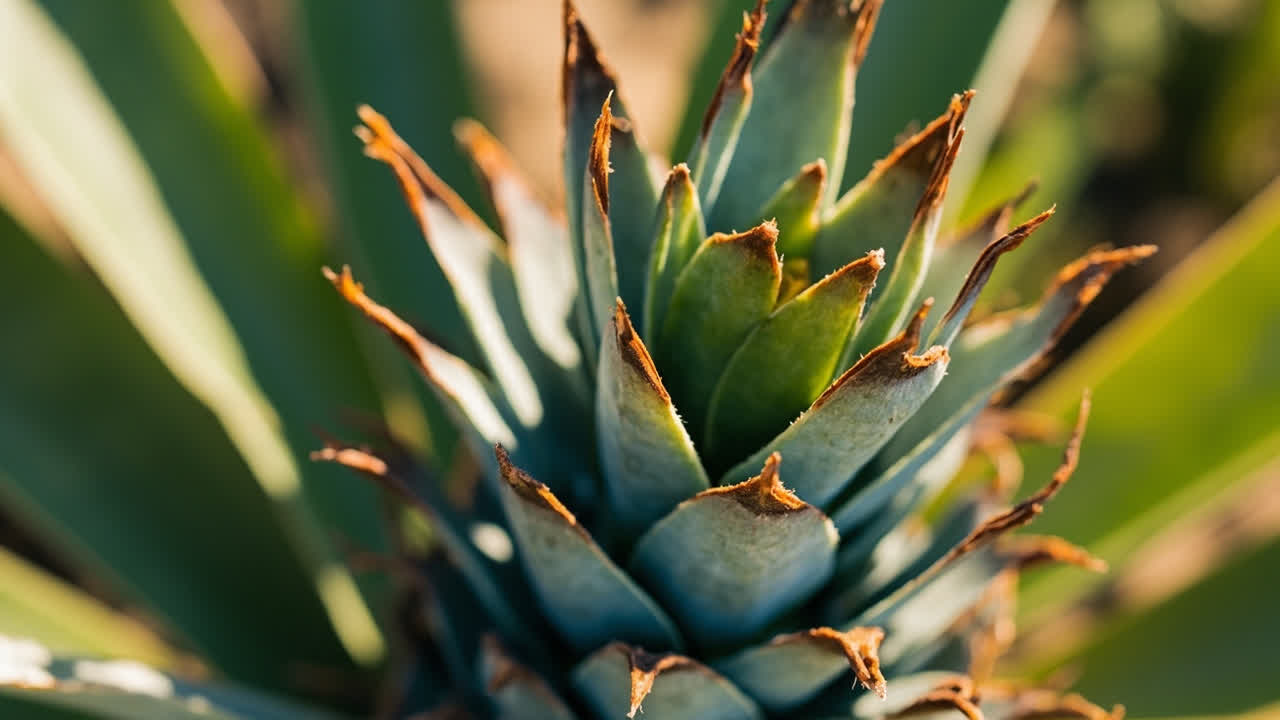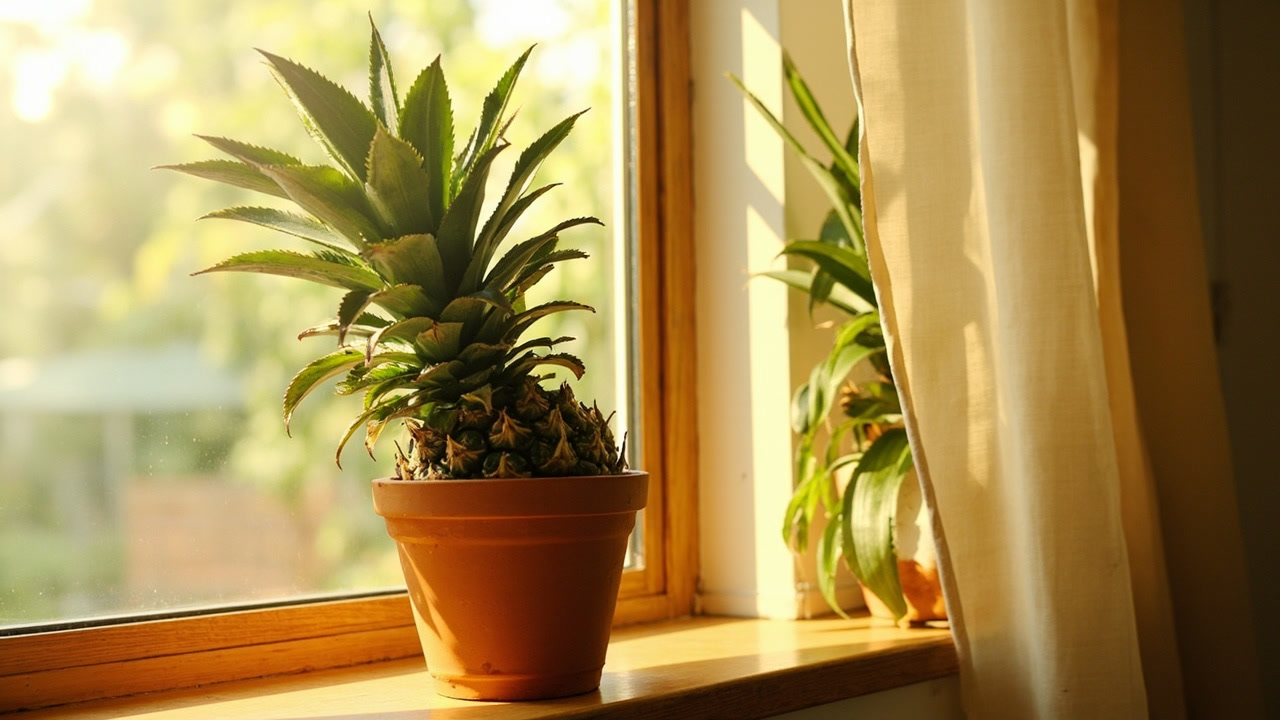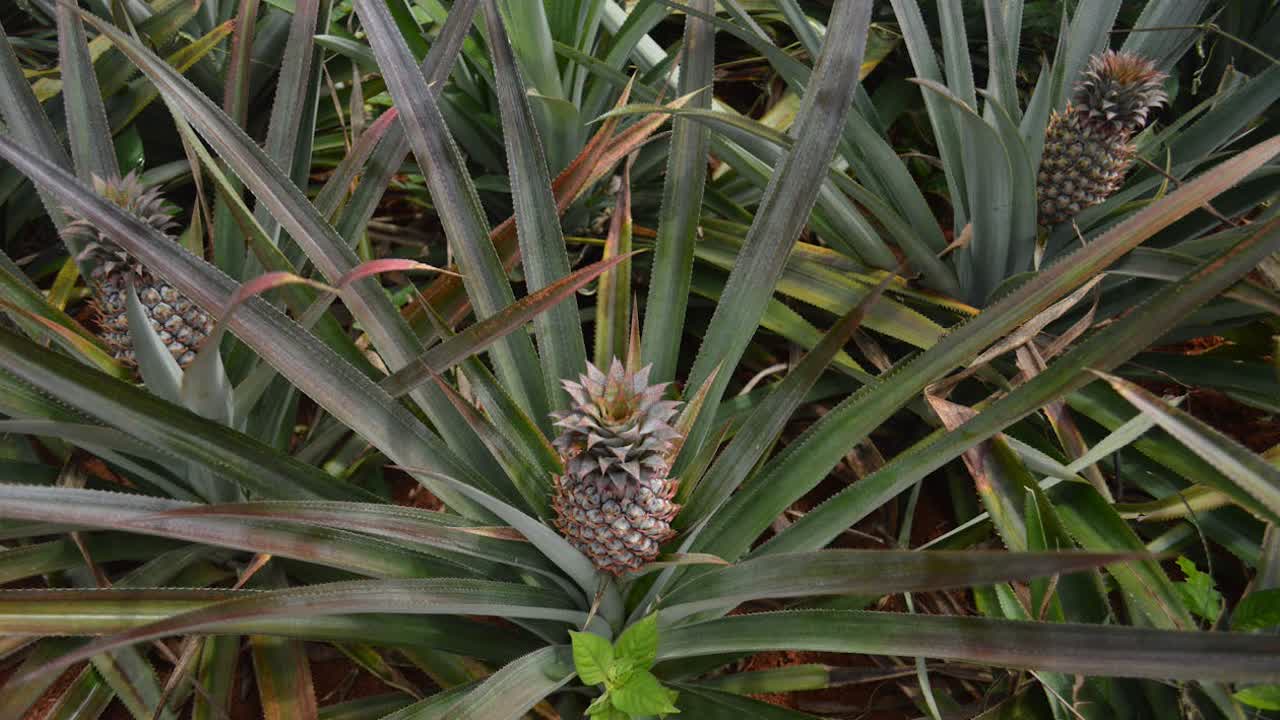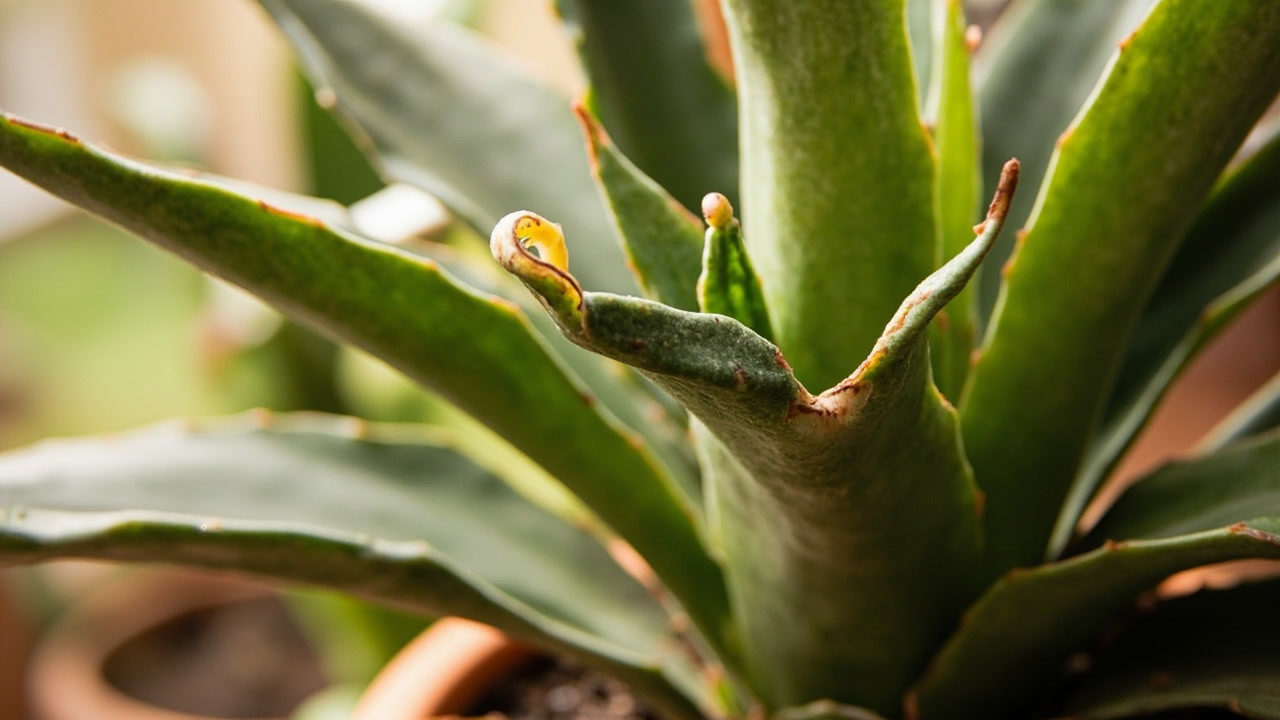

When pineapple leaves start curling, the plant is telling you something changed. The mistake is assuming there is only one possible cause. There isn’t. Curling can come from drought stress, heat stress, root stress, pests, or even cold exposure.nnThat is why the shape and context matter. A slightly inward curl on hot days is different from twisted damaged new leaves or limp rolled leaves on a wet plant.nnWhat you really want is the pattern: which leaves are curling, how fast it happened, and what changed in the plant’s environment right before it started. That is how you separate a minor stress from a bigger root-zone problem.
The Most Common Causes of Pineapple Leaf Curling
What happens next depends on which one is in play. The leaf shape by itself is only the opening clue.
Dryness and Underwatering
Leaves curl inward when the plant tries to reduce moisture loss through the leaf surface. The watering guide covers the rhythm that keeps this manageable rather than a crisis.
Heat Stress
Heat stress in strong sun or hot reflected conditions can make leaves curl slightly upward or inward, especially near hot glass or when the plant has not been acclimated gradually.
Root Trouble
Root trouble from wet heavy soil stops the plant from moving water properly even when the soil looks moist. The root rot guide explains how to check this before it gets serious.
Pest Damage
Mealybugs, scale, and other sucking pests feed on tender tissue and can distort leaves as they go. The mealybugs and scale guide shows what to look for and how to clean the plant up.
Cold Stress
Cold stress slowing normal function can bend leaves slightly inward, especially after a chill. The temperature tolerance guide has the exact thresholds that matter for pineapple.
Dryness Curl vs Root-Stress Curl
Leaves often curl inward when the plant is trying to reduce moisture loss. If the soil is dry and the leaves feel firm but stressed, underwatering is a likely cause.nnIf the soil is wet and the plant still looks curled, the opposite problem may be happening. The roots are too stressed to move water properly, so the top behaves as if it is dry. That is why checking the soil is non-negotiable before reacting.nnIf you see curling with a heavy pot and damp soil, the problem is usually not thirst. It is root stress or low oxygen. If you see curling with a light pot and dry soil, the plant is trying to conserve moisture. Different causes. Different fixes.
How Heat Stress Shows Up
Heat stress can make the leaves curl slightly upward or inward, especially if the plant is in strong reflected sun, near hot glass, or out in intense afternoon exposure without acclimation. Strong light without heat is manageable — the light requirements guide covers how to balance intensity and duration for pineapple plants.
- n t
- leaf edges curl to reduce exposure
- the plant may look tired by afternoon
- newest leaves can look tense or narrow
n
What happens next if heat continues is more dehydration pressure, even if the soil is technically moist. The plant may not need more water. It may need less heat shock.
What to do first
Move the plant into bright but gentler light, avoid hot glass, and let it acclimate instead of shocking it again. If the leaves were already stressed, stronger sun will only make the curl worse.
How Pests Can Trigger Curling
Mealybugs, scale, and other sucking pests can distort tender leaves as they feed. If the curl comes with sticky residue, tiny bumps, or hidden cottony clusters at the base, pests deserve a close look.nnWhen pests are the cause, the curl is usually paired with dull growth and poor leaf polish rather than a simple dry-looking roll. It can be subtle at first, which is why careful inspection matters.
Cold Stress Is Less Obvious but Still Real
Cold can slow the plant enough that the leaves respond by curling or folding in slightly. If the plant was near a chilly window, a cold draft, or outdoors on a cool night, do not ignore that possibility.nnBelow 55°F / 13°C, pineapple starts losing momentum. Below 50°F / 10°C, the stress is more serious. What happens next can be more than curling — yellowing, dull texture, and slower recovery often follow.
What to Check First
- n t
- soil moisture
- recent heat or sunlight change
- presence of pests in leaf bases
- recent cold exposure
n
What happens next becomes clearer once you stop treating curling like a standalone diagnosis and start treating it like a symptom in context.
What to Do After You Diagnose It
If the soil is dry, water thoroughly and then wait for the root zone to dry on schedule rather than panicking again. If the plant is heat-stressed, move it into gentler light and acclimate it gradually. If pests are involved, clean the plant and repeat the inspection. If cold is involved, restore warmth and keep the plant stable.nnThe trade-off in all cases is the same: quick fixes feel satisfying, but the real fix is correcting the underlying stress without creating a new one.
The Honest Take
Most pineapple leaf curling comes down to water balance, root health, or environmental stress. Read the context first. Then fix the cause, not just the shape of the leaf.nnIf you want the next layer, read the not growing guide and temperature tolerance guide. Curling often shows up alongside those same stress patterns.”}
Read also: Houseplant Leaves Curling: How to Read the Curl if the leaves are curling rather than changing colour.
From Bank Statement to QuickBooks-Ready File
That manual cleanup you just read about? This tool skips it. Turn your PDF into QBO for QuickBooks without storing your data anywhere.
Start Converting