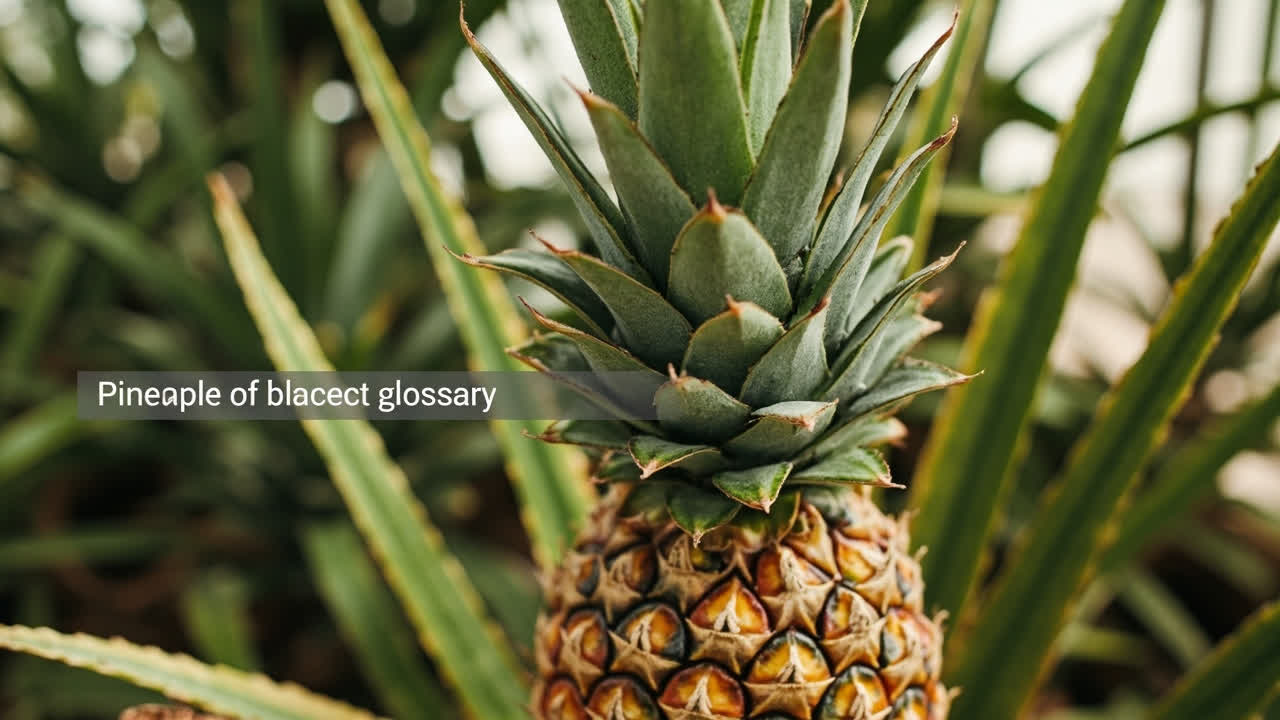
Your pineapple plant is not being dramatic. If the center leaves pull out with barely any resistance, the growing point is in real trouble. This is not a cosmetic issue you can ignore for a few weeks. The center of a pineapple plant — the rosette where new leaves emerge — is the whole operation. When it starts to come apart, you are looking at a plant that needs your attention now, not later.
Why does this happen? The most common cause is crown rot, but it can also start with physical damage, pest intrusion, or a combination of stressors working together. Either way, the diagnostic path is the same: smell, texture, color, and stability.
What Crown Rot Does to a Pineapple Center
Crown rot is the leading reason center leaves loosen and pull free. It develops when moisture sits in the rosette for too long — especially in cool conditions below 60°F (16°C) — and the inner tissue begins to break down. Bacteria and fungi move in, and the growing point softens from the inside out. The crown rot guide has full details on the progression and treatment specific to that condition.
How to Recognize the Signs
If you pull a center leaf and it slides out with no resistance, check what is attached to the base. Mushy brown or black tissue with a sour smell is the clearest red flag. Translucent or slimy leaves are another warning sign. What happens next is central collapse — the growing point dies back, and the plant loses its ability to produce new leaves.
Why Moisture and Temperature Matter Together
Pineapple plants tolerate drier conditions better than they tolerate cool, wet ones. If your plant has been sitting in temperatures below 55°F (13°C) for extended periods while the soil stays damp, rot develops faster than it would in warmth. This is why overwintering care is a common trigger — people keep watering when the plant has slowed down and the evaporation rate has dropped.
The trade-off is real: cutting water to prevent rot can stress the roots if you go too far in the other direction. The goal is balance — let the soil dry between waterings but do not let the plant shrink from thirst entirely.
Could It Be Mechanical Damage Instead?
Sometimes the center gets hurt through rough handling, an accidental snap, or a child or pet brushing against the crown. Physical wounds do not automatically mean rot — clean breaks happen, and the plant can sometimes recover from a single mechanical injury.
But here is the catch: a wound is an open door. Even a small crack in the center tissue invites bacterial and fungal entry if the environment stays humid and cool. So mechanical damage is not really a separate category — it is often the entry point that leads to the rot you eventually see.
How to Tell the Difference at the Site
If the damaged area looks clean, dry, and white inside — and does not smell — you are likely looking at mechanical injury. If it is wet, dark, and smells like something rotting, you are looking at decay. Most of the time when center leaves pull out easily, decay is already underway.
How to Inspect the Center Step by Step
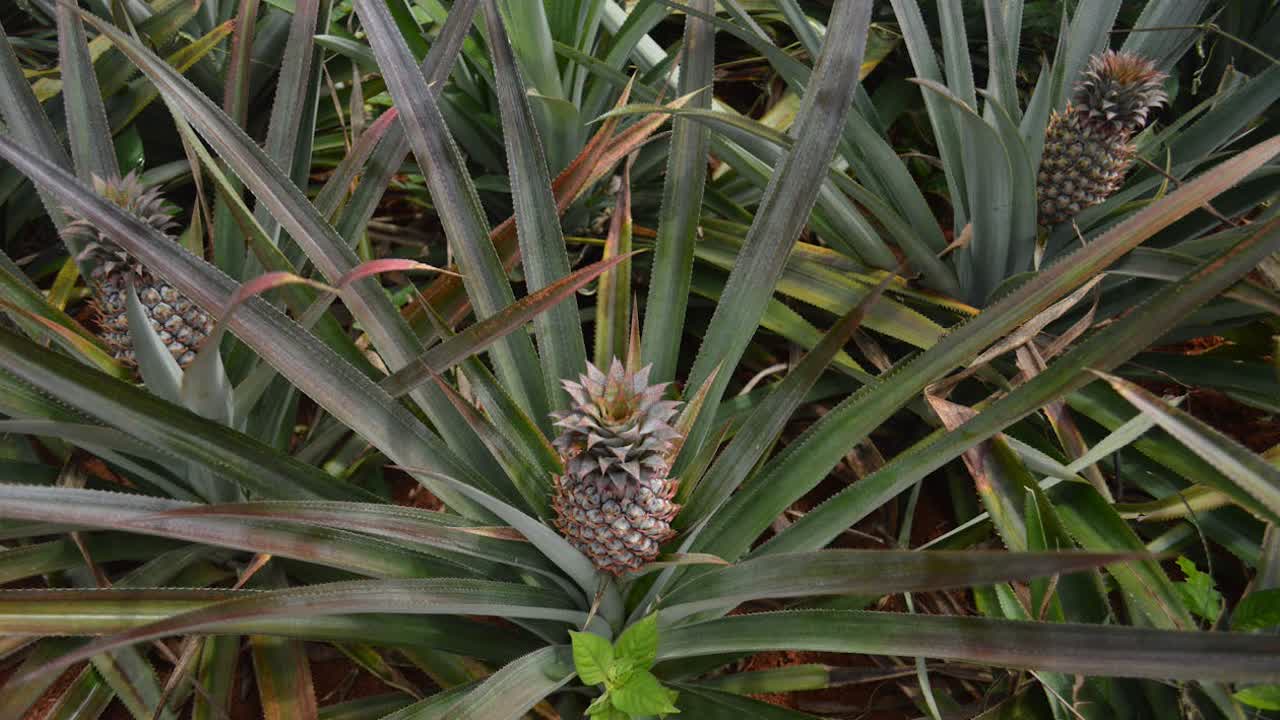
You need four things for a proper inspection: your nose, your fingers, your eyes, and a little patience.
- Smell the center. Get close and take a breath. Sour, sweet-rotten, or musty means decay is present. Clean plant smell or nothing at all is a better sign.
- Check the base of the pulled leaf. Brown, mushy tissue at the base indicates active rot. Pale, dry, firm tissue is more consistent with mechanical damage or early-stage stress.
- Feel the crown from the outside. Press gently around the rosette. Soft spots under the surface are a serious concern. The entire center should feel firm when you press it.
- Check overall plant stability. Gently rock the base. If the plant wobbles loosely in the pot, the root system may also be compromised — and that changes the picture significantly.
What happens next depends entirely on what you find. Clean, firm center tissue with no smell means you likely caught it early. Dark, wet, foul-smelling tissue means rot has taken hold and you are now in recovery mode, not prevention mode.
What to Do Right Away
Once you have inspected, your action steps are straightforward — dry it out, warm it up, and remove what is already dead.
- Stop overhead watering immediately. If you have been watering from above, switch to watering the soil surface only. The center should not get wet.
- Move the plant to warmer conditions. Aim for 65–85°F (18–29°C). If your plant has been below 60°F (16°C), a temperature increase will slow rot activity and support recovery.
- Increase airflow around the plant. A small fan on low nearby or better positioning near an open area makes a difference. Stagnant air keeps moisture against the crown.
- Remove any loose dead tissue. If there are already detached center leaves or mushy pieces sitting in the rosette, gently remove them. Do not dig into firm living tissue — only take what comes away easily.
What happens next if you act quickly: the remaining healthy central tissue can begin to scar over and the plant may resume growth from the edges of the rosette. It will not look the same as before, but it can stabilize.
Can the Plant Recover, and How Do You Know?
The honest answer is: it depends on how far the rot progressed. If the damage is shallow and the stem below the rosette still feels firm, recovery is possible. You should see signs of new leaf growth from the outer center within 3–6 weeks if conditions improve. The crown rot recovery steps cover what to look for as the plant stabilizes.
If the entire core is soft, black, and collapsing, the main plant is unlikely to recover as a normal specimen. That is not the end of the story though — many pineapple plants produce offsets (pups and suckers) from the base or along the stem while the mother plant declines. Those offsets are your salvage path.
The Offset Option
When the main crown fails but side shoots have developed, let those pups grow until they have their own root systems and at least 3–4 leaves. Then you can separate them and pot them individually. They will become new plants. The mother plant may be lost, but you have not lost the genetics or the effort — you have just pivoted to the next generation.
When Root Problems Are Connected
Center leaves pulling out do not happen in isolation. If your plant is also dealing with root rot from chronically wet soil, the crown symptom and the root symptom are part of the same overall problem — a plant under systemic stress.
Check the soil. If it stays wet for more than a week after watering, or if you can smell mold or rot from the pot, root issues are likely compounding the crown problem. In that case, addressing only the crown will not be enough.
If center leaves pull out easily and the plant also shows general decline — softening, yellowing, or stopped growth — the saving a dying pineapple plant guide covers the broader recovery steps that apply across multiple stress factors.
The Bottom Line
Center leaves pulling out is not a symptom to shrug off. It usually means the most important part of the plant is under active threat. Inspect the center, check the smell and texture, warm it up, dry it out, and remove what is already dead. If the core is still firm underneath, your plant has a real chance. If it is fully soft and dark, shift your focus to the offsets and treat this as a recovery propagation situation.
Would you rather find this early or late? Obviously early. Make inspecting your pineapple’s center part of your routine — especially if the plant has been through a cool, wet spell recently.
Turn That PDF Into a Spreadsheet in Minutes
You've seen how to do it manually — now let the tool handle the heavy lifting. Upload your bank statement and get Excel, CSV, or QBO in a few clicks.