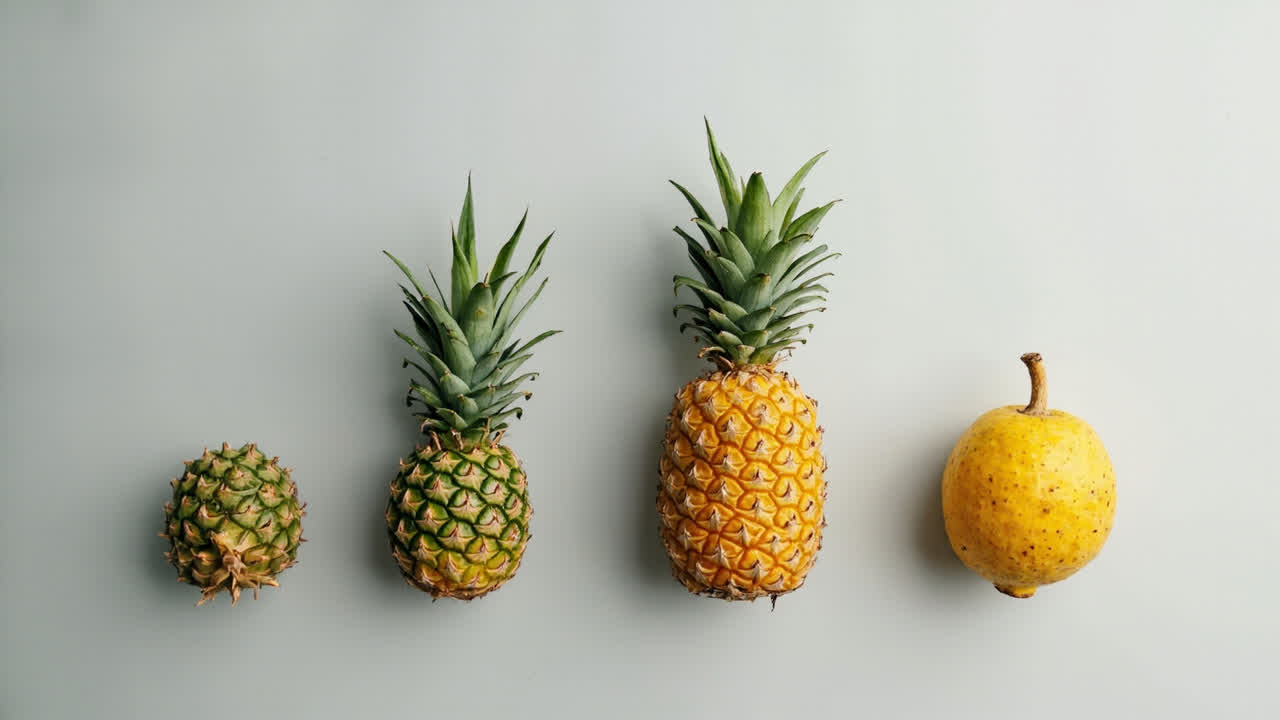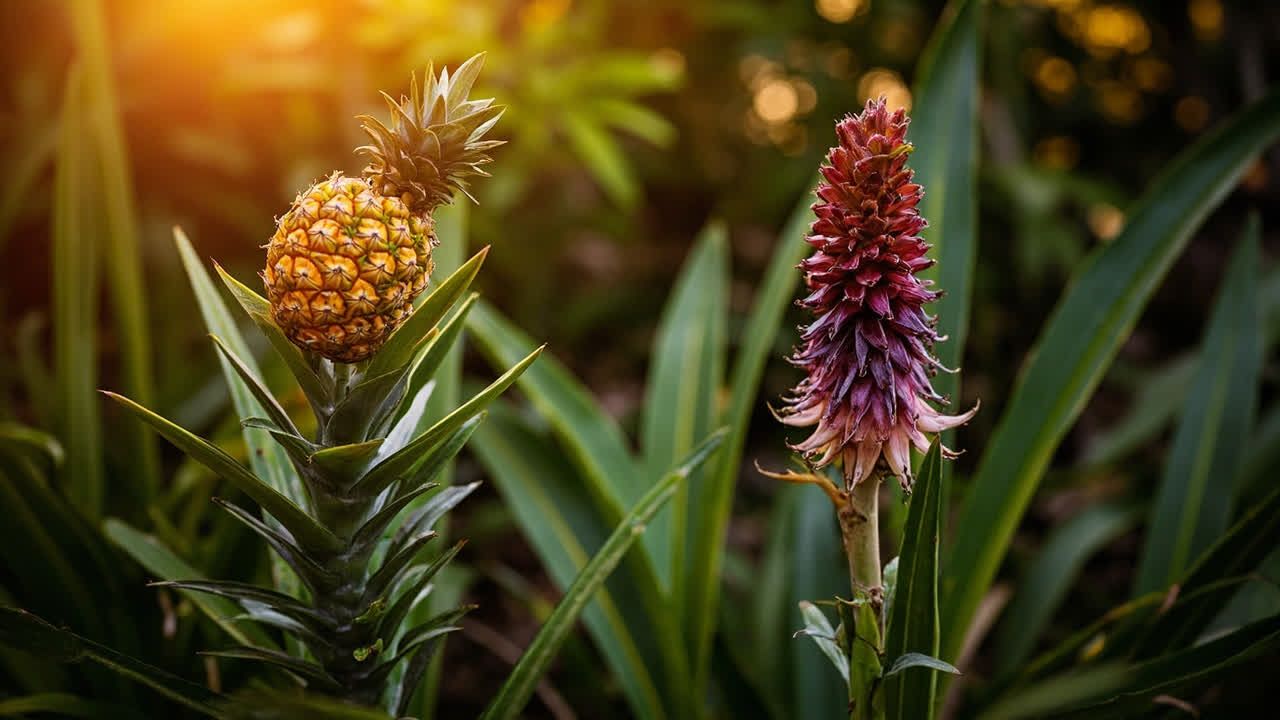

A pineapple plant usually fruits once on the main mother plant. That is the short answer, and it is the one most growers need first. The more useful answer is that the plant often continues through offsets, so the cycle can keep going even if the original mother plant does not fruit again in the same way.
So the question is not just whether the same plant fruits more than once. The real question is how pineapple keeps producing future fruiting plants after the first harvest.
The Short Answer: Usually One Main Fruit Per Mother Plant
A pineapple plant does not keep producing full harvests from the same main stem forever. In most cases, the mother plant produces one main fruit. After that, its role changes. It may stay alive for a while, but it is no longer the long-term engine of repeated fruiting the way some people imagine.
This is where many growers get confused. They think one fruit means the whole pineapple journey is over. It usually isn’t. The mother plant often produces offsets — pups, slips, or suckers — that continue the cycle.
So the honest answer is: one fruit per main mother plant, but often more future plants if you manage the offsets properly.
What Happens After the Main Fruit Is Harvested?
After fruiting, the mother plant gradually declines in importance. It may still have green leaves for a while, and it may still photosynthesize, but the plant usually shifts energy into producing offsets rather than gearing up for another major fruit on the same stem.
What happens next is often more interesting than people expect: small new plants begin forming around or below the mother plant. That is the pineapple plant’s real continuation strategy.
Why Pineapple Does Not Fruit Like a Tomato
It helps to stop comparing pineapple to annual fruiting crops. Pineapple is more of a cycle plant than a repeat-on-the-same-stem crop. The fruiting phase is a milestone, not a repeat button.
That is why pineapple care after fruiting is less about making the same stem start over and more about protecting the offsets that will become the next generation.
What happens next in a healthy plant is not a second identical harvest from the same crown. It is offspring production.
Pups, Slips, and Suckers Keep the Cycle Going
This is why one-fruit-only is not the full story.
- pups form near the base
- slips often form on the stalk below the fruit
- suckers may emerge from leaf axils or near the base

These offsets are how you get future fruiting plants without starting over from scratch every time. In many cases, they establish faster than crowns because they come from an already mature system.
Can the Mother Plant Ever Fruit Again?
Occasionally, some plants may show additional side growth that eventually fruits, but for practical home-growing expectations, you should not count on the same main mother plant producing repeated full fruits as its normal pattern.
The better mindset is this: the mother plant fruits once, then hands the future over to offsets. That is the more useful way to plan your care and your space.
What to Do After Fruiting
The pineapple care calendar walks through what the plant needs after harvest and how the seasonal cycle changes once the fruit is gone.
- harvest the fruit when ripe
- keep the mother plant healthy while offsets develop
- identify pups, slips, or suckers worth keeping
- separate them once they are large enough
What happens next depends on how well you balance patience and timing. Remove offsets too early and they struggle. Leave them too long and the plant becomes crowded.
Should You Remove Offsets or Leave Them?
That depends on your goal.
Leave Them Longer If…
- you want a fuller ornamental look for a while
- you are not in a rush to propagate
- the mother plant is still supporting them well
Separate Them If…
- you want more independent plants
- you want to manage container crowding
- you want to give each offset the best chance at becoming a strong future fruiting plant
The propagation guide has the exact steps for separating offsets cleanly so each one has the best start.
The trade-off is straightforward: leaving offsets attached can keep the display fuller, but separation usually gives more control and cleaner long-term growth.
How Long Until an Offset Fruits?
Offsets usually fruit faster than crowns because they begin life with more maturity. Exact timing varies, but in strong conditions they often reach fruiting size sooner than a crown-started plant.
What happens next depends on light, warmth, root health, and how large the offset was when separated. Bigger healthier offsets usually mean a shorter path to the next fruit.
What This Means for Home Growers
If you only bought or rooted one pineapple plant, you are not necessarily locked into one lifetime fruit forever. You are managing a chain. One mother plant leads to offsets, and offsets lead to future fruiting plants if you care for them well.
That makes pineapple more rewarding than it seems at first glance. The fruit is slow, but the plant does not have to be a one-and-done novelty.
The Honest Take
If your question is “Will this exact main plant keep fruiting over and over?” the answer is usually no. If your question is “Can one pineapple plant lead to more future fruiting plants?” then yes, absolutely.
That is the better way to think about pineapple growing: not as one plant making endless fruit, but as one plant starting a continuing cycle.
For the next step, read why pineapple plants do not fruit and the propagation guide. Those two articles explain how to keep that cycle going well.
From Bank Statement to QuickBooks-Ready File
That manual cleanup you just read about? This tool skips it. Turn your PDF into QBO for QuickBooks without storing your data anywhere.
Start Converting