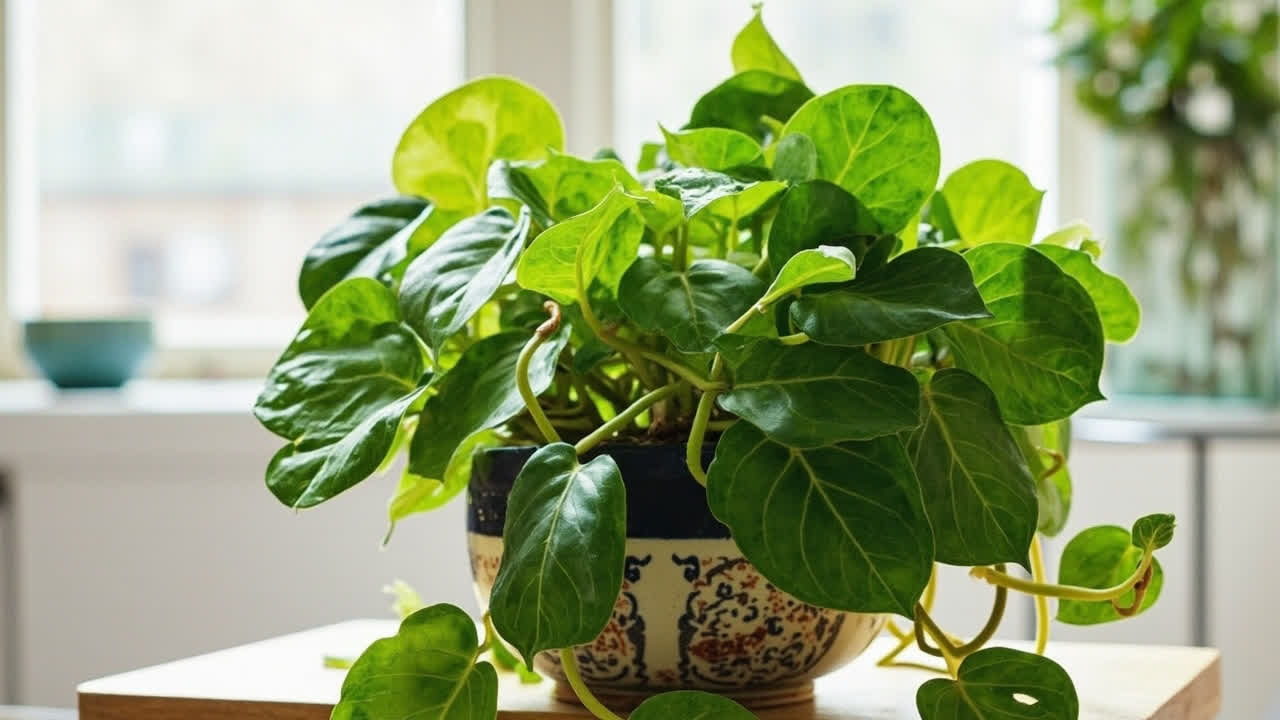

Money plants are tough — but “tough” doesn’t mean problem-proof. Most money plant issues fall into a small number of categories, and once you know what to look for, diagnosis becomes straightforward.
The Diagnostic Starting Point: Where on the Plant
The location of symptoms tells you most of what you need to know. Lower leaves yellowing — usually watering related, specifically overwatering. Upper leaves showing problems — usually light, nutrition, or pest related. Whole plant declining — usually root system or severe environmental stress. New growth failing — usually insufficient light or nutrient deficiency.
Yellow Leaves
Multiple yellow leaves appearing simultaneously, particularly lower leaves: overwatering is the first thing to check. Insert your finger 2 inches into the soil. If it’s damp, the roots are sitting in water too long. Stop watering until the soil is completely dry, then resume with reduced frequency.
A single yellow leaf occasionally on a fast-growing money plant is normal — the plant is shedding older leaves as it produces new growth. If it’s one leaf every few weeks on a plant that’s otherwise healthy, this is maintenance, not a problem.
Widespread yellowing across the entire plant is more serious: check the roots. If they’re soft and dark, treat for root rot.
Yellowing After Moving the Plant
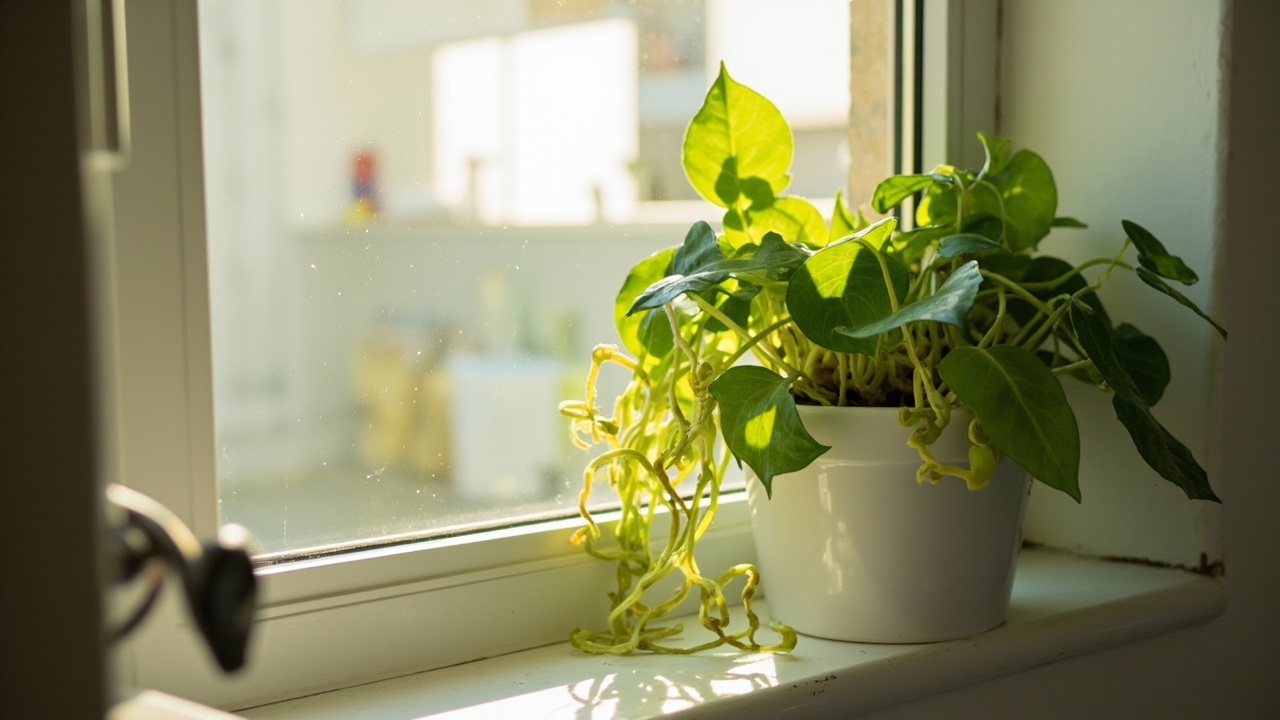
If yellowing started within a week of moving the plant to a new location, the issue is usually light or temperature. Money plants adjust to new positions over 2-3 weeks. Some leaf drop during adjustment is normal. If the plant continues declining after 3 weeks in the new position, the light level is probably wrong for that spot.
Browning Leaf Edges and Tips
Brown crispy edges or tips usually indicate one of three things: underwatering, low humidity, or salt buildup from over-fertilizing. Start by checking the soil moisture. If the soil is dry, water more frequently. If the soil is damp and the plant has been in the same spot for months, flush the soil with clean water to remove fertilizer salt accumulation.
On neon pothos specifically, brown tips are often a water chemistry sensitivity — fluoride or chlorine in tap water. Switch to filtered or left-out overnight water for this variety and the tip burn usually resolves.
Brown Spots on Leaves
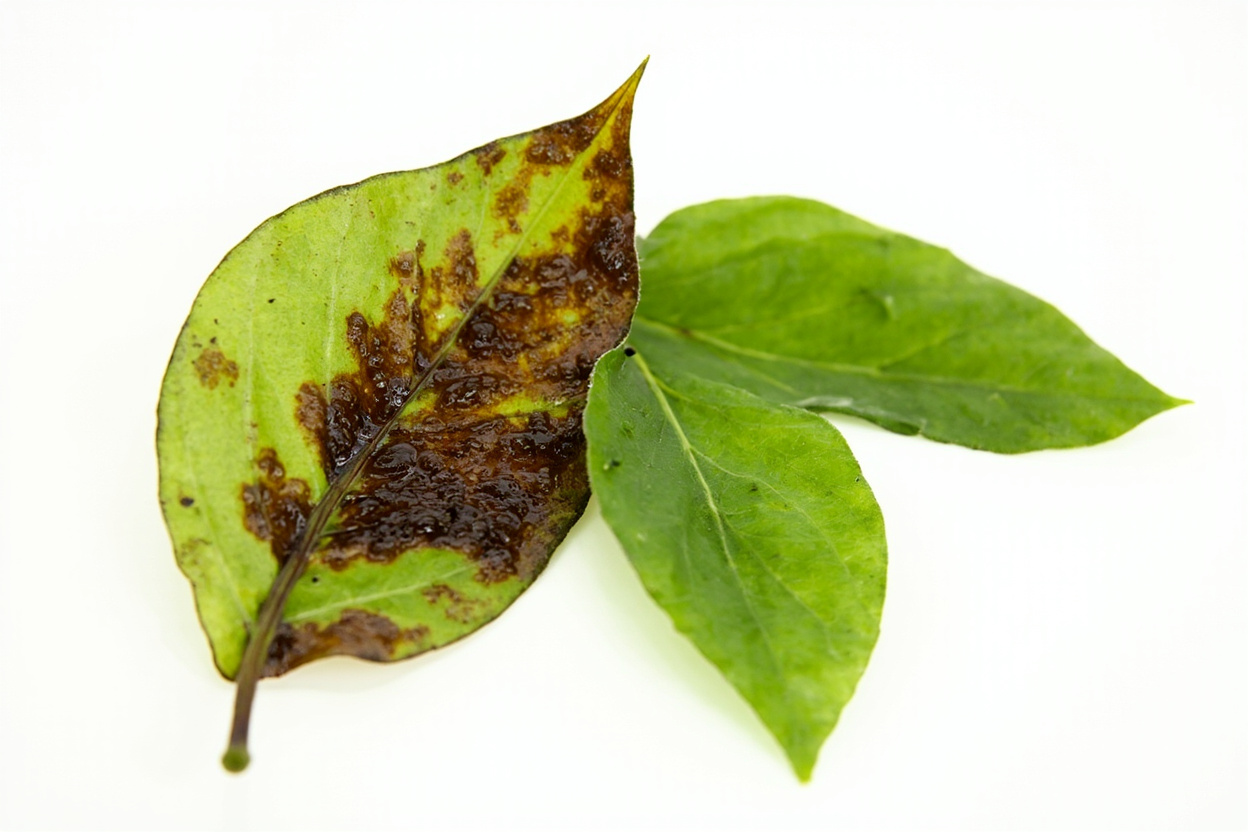
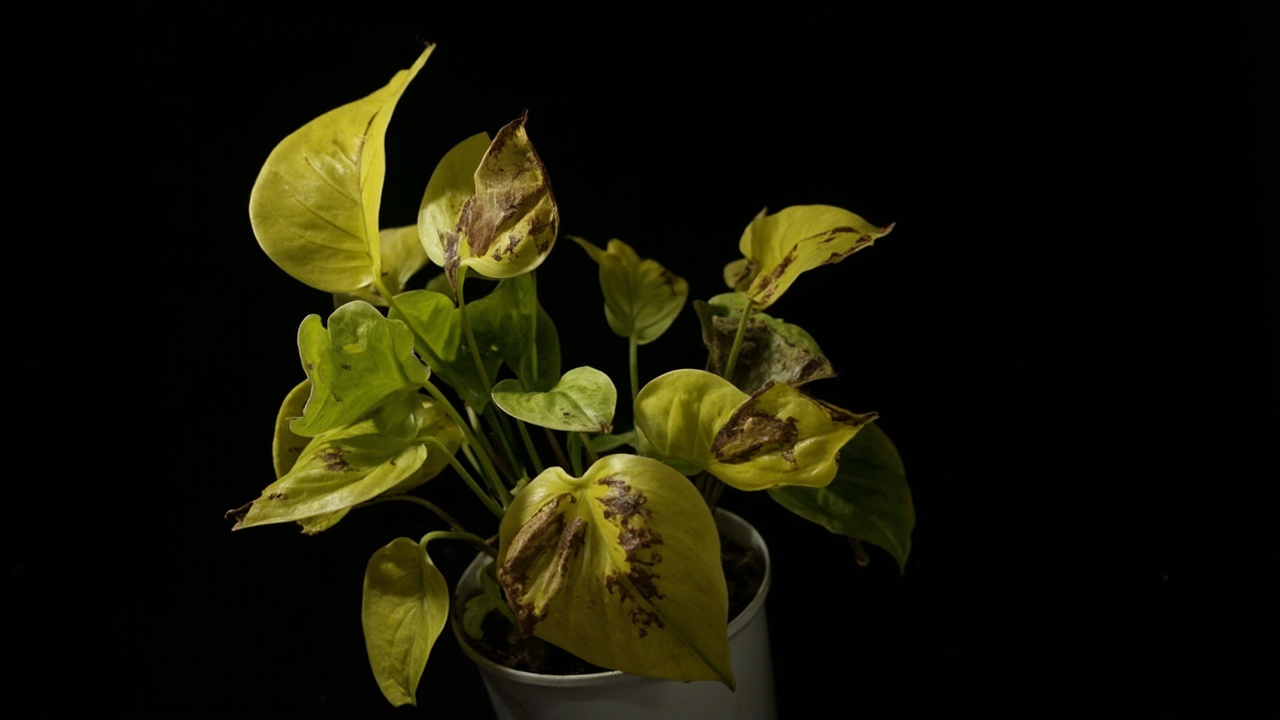
Small brown spots with yellow halos are usually a fungal issue — money plants are occasionally susceptible to leaf spot diseases in humid conditions with poor air circulation. Improve air circulation around the plant and remove affected leaves. Don’t overhead water — water on the leaves creates conditions for fungal growth.
Large brown patches after the plant has been in direct sun: sunburn. The affected leaves won’t heal, but moving the plant out of direct sun prevents further damage. New leaves will come in normal.
Wilting and Drooping
Money plants wilt dramatically when thirsty — the vines fold, the leaves curl slightly inward, the whole plant looks like it’s given up. This is usually underwatering. Water thoroughly and the plant should firm within 2-4 hours.
If the plant doesn’t firm after watering, check the roots. Persistent wilting after watering usually means root damage — either root rot from overwatering or physical damage to the root system.
Soft, Mushy Stems
This is serious and usually means root rot. The stems at the base of the plant feel soft and squishy rather than firm. Tip the plant out of its pot and check the roots. If they’re dark, mushy, and smell bad, treat for root rot immediately.
If only some stems are affected and the upper portions are still firm, cut away the affected stems and propagate the healthy tips. This sounds drastic but it’s the fastest path to a healthy plant.
Leggy, Sparse Growth
Vines that are long with widely-spaced leaves and small leaf size: the plant isn’t getting enough light. This is etiolation — the plant is stretching toward available light. Move it closer to a window. New leaves will come in closer together once the light improves.
Variegated varieties losing their variegation and turning mostly green: insufficient light. The solid green sections are more efficient at photosynthesizing in low light, so the plant prioritizes them. Move to brighter indirect light and new leaves will be more variegated.
Pests on Money Plants
Money plants attract fewer pests than most houseplants, but they do get mealybugs, spider mites, and scale occasionally. Mealybugs appear as white cottony clusters in the leaf joints. Spider mites create fine stippling on leaves and fine webbing between leaves. Scale appears as small brown discs on stems that don’t wipe off easily.
For light infestations, dab individual insects with isopropyl alcohol on a cotton swab. For heavier infestations, insecticidal soap or neem oil applied as a spray works. Repeat every 7-10 days for at least a month to catch hatching eggs.
From PDF to Excel in one click
Forget retyping line by line. Upload any bank statement, get a spreadsheet you can actually use. Your files are never stored, and you can test the converter with 3 free conversions.
Try it free