Not all pineapple plants are the same, and choosing the right variety for your situation matters more than most growing guides admit. A plant that thrives on a sunny patio in Miami will behave very differently from the same species in a windowsill in Chicago. Understanding the difference starts with knowing what you are actually growing.
Why Pineapple Variety Matters for Home Growers
People talk about pineapple plants as if they are one uniform thing. They are not. Some varieties stay more compact. Some produce sweeter fruit. Some are better for commercial farming than home containers. If you are starting from scratch, the growing pineapple guide covers everything from crown selection to first harvest. They are not. Some varieties stay more compact. Some produce sweeter fruit. Some are better for commercial farming than home containers. And some are simply easier to live with if your goal is a healthy ornamental plant first and fruit second.
If you are growing pineapple at home, the right question is not just, “Can I grow a pineapple?” It is, “Which type makes sense for my climate, space, and patience level?” That question saves time.
Most growers never ask it. They start with whatever crown came from the grocery store and hope for the best. That can work. But if you have the option to choose, variety gives you leverage. It shapes plant size, fruit quality, and how practical the plant feels in a pot on an actual patio or windowsill.
The Main Pineapple Variety Groups You Should Know
Home growers do not need an academic taxonomy lesson. You need the broad groups that affect real-world growing. Once you know what you are growing, the pineapple care calendar adapts to your variety’s specific size and fruiting timeline.
- Smooth Cayenne
- Queen
- Red Spanish
- Pernambuco / Abacaxi types
- ornamental and dwarf pineapple selections
Each group has its own trade-offs. Fruit quality, plant size, disease resistance, and container friendliness do not all line up neatly in one perfect variety.
Smooth Cayenne: The Familiar Standard
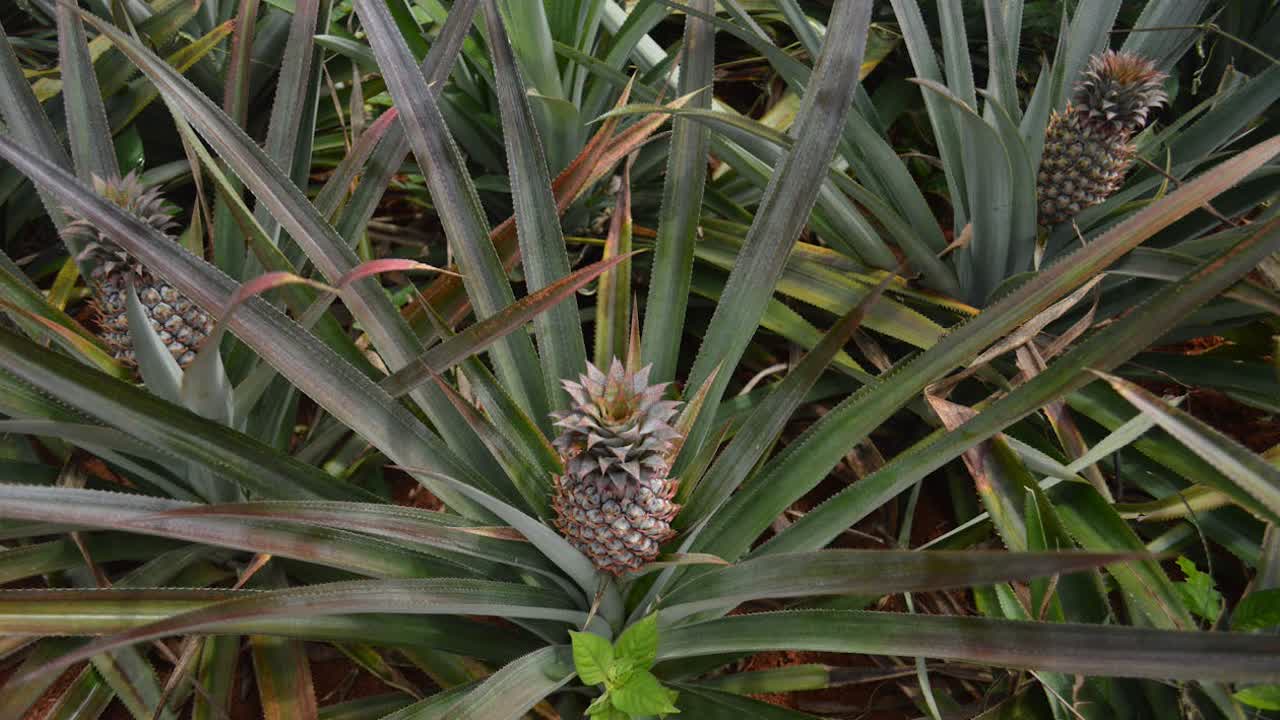
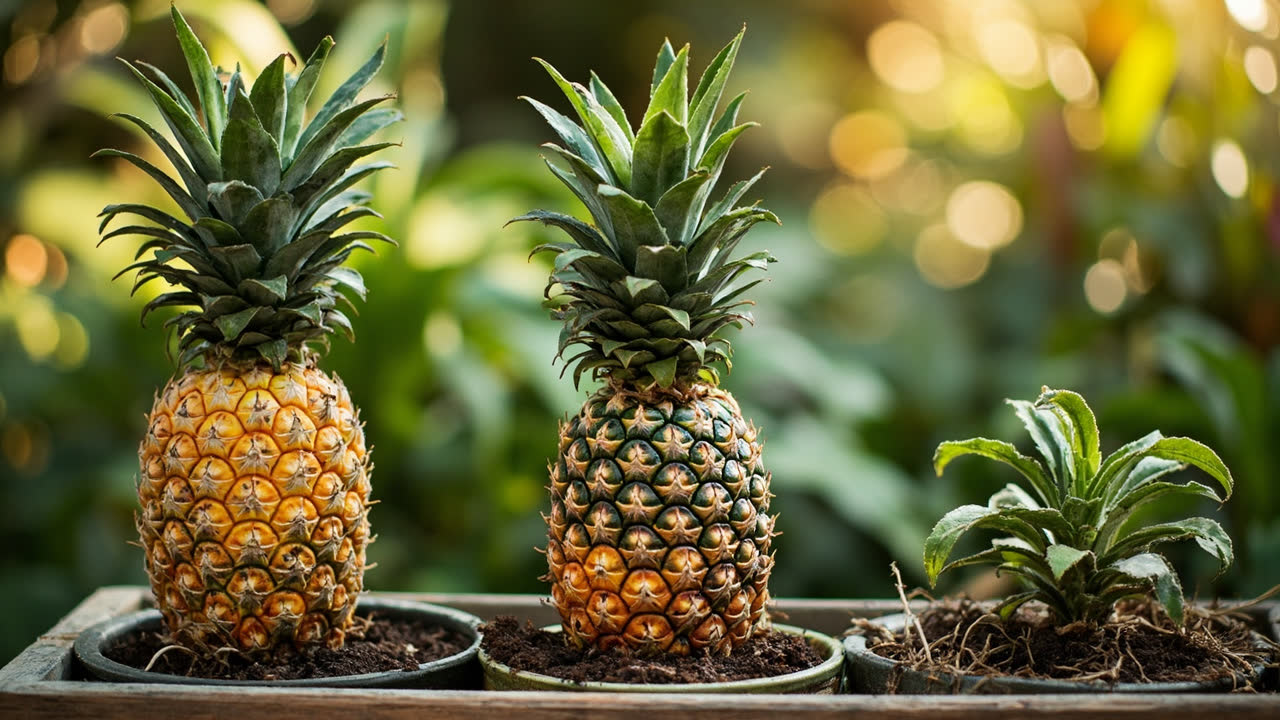
Smooth Cayenne is the classic commercial type behind many store-bought pineapples. It is popular because the fruit is large, juicy, and relatively consistent. It handles heat reasonably well and tolerates cool nights better than most — check the temperature tolerance guide if you are growing outdoors in a marginal climate. If you have ever rooted a grocery-store crown, there is a decent chance it came from this type or something closely related.
Why Home Growers Like It
- fruit quality is usually strong
- widely available through store-bought crowns
- reliable choice if your main goal is edible fruit
Its Main Limitation
The plant can get fairly large and ungainly in containers. That is fine on a sunny patio. Less fine in a small apartment where every pot needs to earn its space. What happens next with a large vigorous type is predictable: you either commit to the plant properly, or you start resenting the footprint.
Queen Pineapple: Sweeter and Often Better for Smaller Spaces
Queen types usually produce smaller fruit, but often with a richer, sweeter flavor. They also tend to be more practical for growers who want a plant that does not become a giant rosette taking over the whole balcony. Compact does not mean low-light tolerant — all pineapple varieties still need strong light to develop proper flavor.
Why It Works Well at Home
- more compact growth habit than many commercial types
- excellent flavor reputation
- better ornamental value because the plant stays tidier
The Trade-off
You get smaller fruit. If your mental picture of success is one huge supermarket-style pineapple, Queen may feel underwhelming at harvest. But if your real goal is a manageable, attractive plant with worthwhile fruit, this is often the smarter home-growing choice.
Red Spanish: Tougher but Not Always the Favorite for Flavor
Red Spanish varieties are known for sturdier plants and better tolerance in some tougher field conditions. They can be a practical choice in warm climates where resilience matters. The fruit is usually firmer and a bit less tender than Smooth Cayenne.
That makes Red Spanish more of a structural choice than a flavor-first choice. If your environment is challenging — stronger sun, variable moisture, rougher conditions — this type can make sense. If your priority is the sweetest fruit possible in a pampered container setup, it is less exciting.
Abacaxi and Pernambuco Types: Excellent Flavor, Less Convenient Handling
These varieties are often praised for their sweeter, aromatic fruit and lower acidity. On flavor alone, they can be wonderful. But they are not always the easiest choice for casual home growers because the fruit tends to be softer and less shipping-friendly. That matters commercially, which is why they are less common in mainstream supply chains.
For the home grower, that softness is not necessarily a problem. In fact, it can be an advantage because you are not shipping the fruit across a continent. The real issue is availability. These are simply harder to find as planting material.
Dwarf and Ornamental Pineapple Types
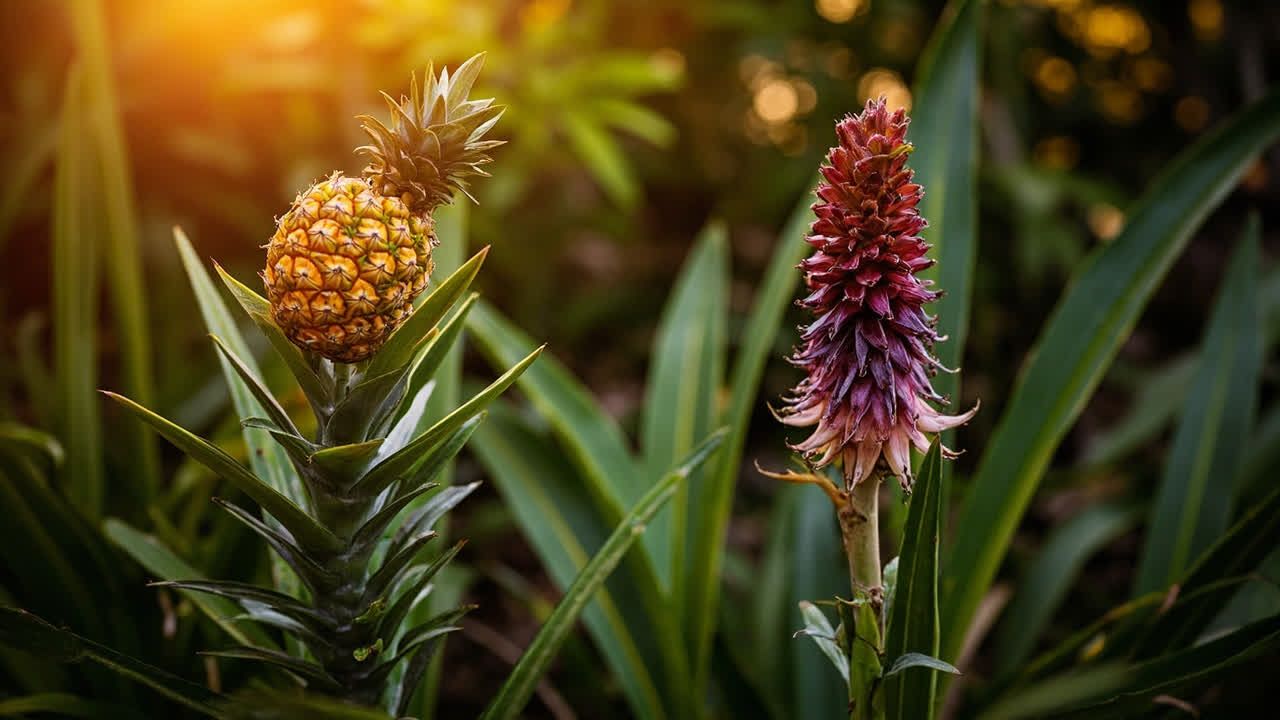
If you care as much about appearance as fruit, dwarf and ornamental selections deserve attention. Ornamental appeal only stays impressive with adequate light — in low light, even compact varieties lose the deep green color that makes them worth growing. These are often grown for compact form, colorful fruit, or decorative foliage rather than heavy food production.
Why People Choose Them
- smaller footprint for containers and patios
- more decorative fruiting habit
- often easier to integrate into mixed tropical plant displays
What They Cannot Do as Well
They are usually not the best choice if your main goal is a substantial edible harvest. The fruit is often smaller, sometimes more ornamental than useful. So the decision comes down to your actual priority: edible yield or visual appeal.
Best Pineapple Variety for Containers
If container growing is the plan, I would rank them this way:
- Queen types for balance of flavor, size, and manageability
- dwarf ornamental types if space and aesthetics come first
- Smooth Cayenne if fruit size matters more than compact form
The reason is simple. Containers exaggerate plant size issues. A variety that is manageable in the ground can feel oversized in a pot after a year or two. Choose accordingly.
If you are growing in a pot, the soil mix and watering schedule become even more important because container roots have less margin for error.
Best Variety for Sweet Fruit
If sweetness is your main goal, Queen and Abacaxi-type pineapples usually come up first in serious grower conversations. Smooth Cayenne is still very good, but it is often prized more for consistency and size than for being the absolute sweetest.
What happens next depends on your expectations. If you want a balanced, familiar pineapple flavor, Smooth Cayenne makes sense. If you want a sweeter, more fragrant fruit and you can source the right plant, Queen or Abacaxi is more interesting.
Best Variety for Beginners
For pure beginner practicality, store-bought crown propagation is still the easiest entry point. That usually means starting with a Smooth Cayenne-type crown whether you planned to or not. The big benefit is availability. The limitation is that you do not always know the exact cultivar.
If you can buy a named plant from a nursery, a compact Queen-type is often the better beginner experience because the plant is easier to manage in containers. Less wrestling with size means fewer care mistakes caused by awkward placement.
Climate Matters More Than Variety Perfection
It is easy to over-romanticize cultivar choice and ignore the bigger truth: a healthy pineapple plant in the right light, soil, and temperature range will outperform a “better” variety in bad conditions.
Pineapple plants want warmth — ideally 70–90°F / 21–32°C — and they stall when nights stay cold. Below 50°F / 10°C, damage risk rises fast. So before you obsess over variety, make sure you can provide the environment.
This is classic garden logic. Genetics matter. Conditions matter more.
How to Choose Based on Your Real Goal
Choose Smooth Cayenne if…
- you want the most familiar edible pineapple type
- you are starting from a grocery-store crown
- you have enough space for a larger plant
Choose Queen if…
- you want a more compact home-growing option
- you care about sweetness and manageability
- your plant will live in a container long-term
Choose Red Spanish if…
- you need a tougher plant for more rugged outdoor conditions
- you value resilience over elite flavor
Choose Ornamental or Dwarf Types if…
- you want a decorative tropical plant first
- you have limited space
- fruit size is not your top priority
The Honest Recommendation
If I were planning a home pineapple cluster for real gardeners, I would not pretend there is one perfect variety for everyone. There isn’t. For edible results with easy access, start with Smooth Cayenne from a healthy crown. For a smarter long-term container choice, choose Queen if you can source it. For decorative value in tight spaces, go dwarf or ornamental.
The best variety is the one that matches your setup honestly, not the one that sounds most exotic in a list.
Once you choose your variety, the next articles to read are the light guide and propagation guide. The variety shapes the experience, but the environment determines the outcome.
From PDF to Excel in one click
Forget retyping line by line. Upload any bank statement, get a spreadsheet you can actually use. Your files are never stored, and you can test the converter with 3 free conversions.
Try it free