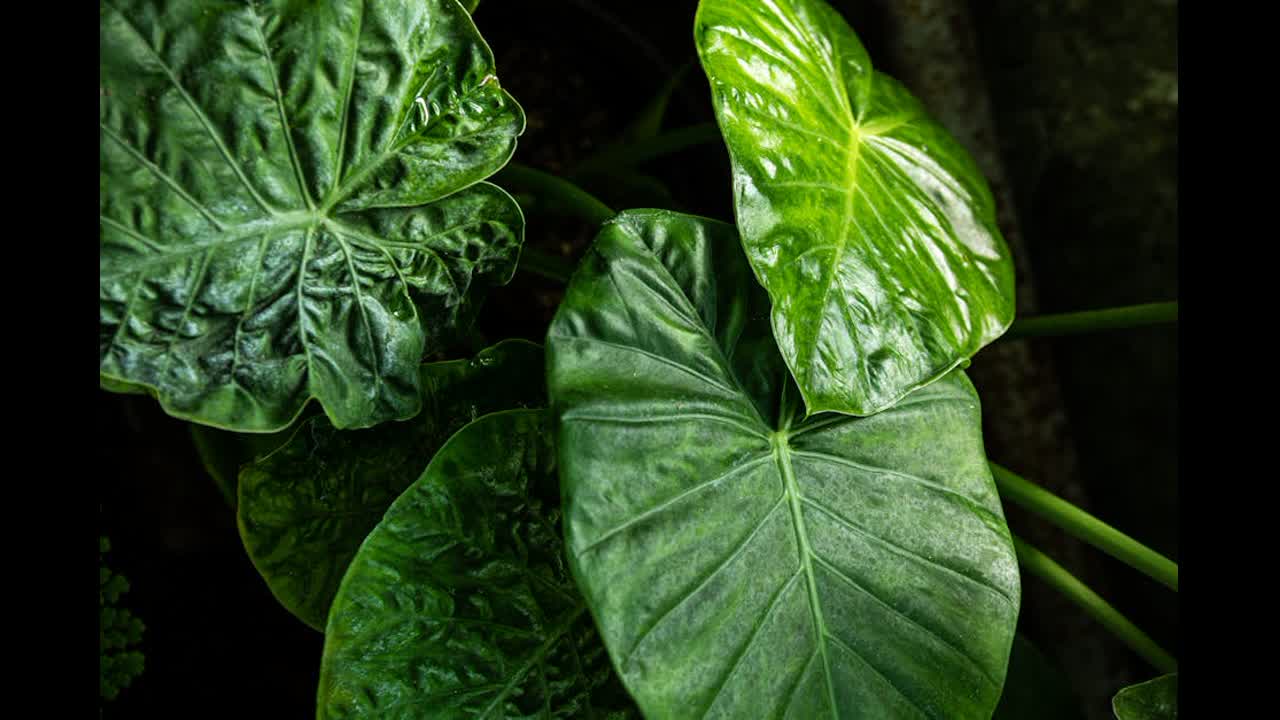
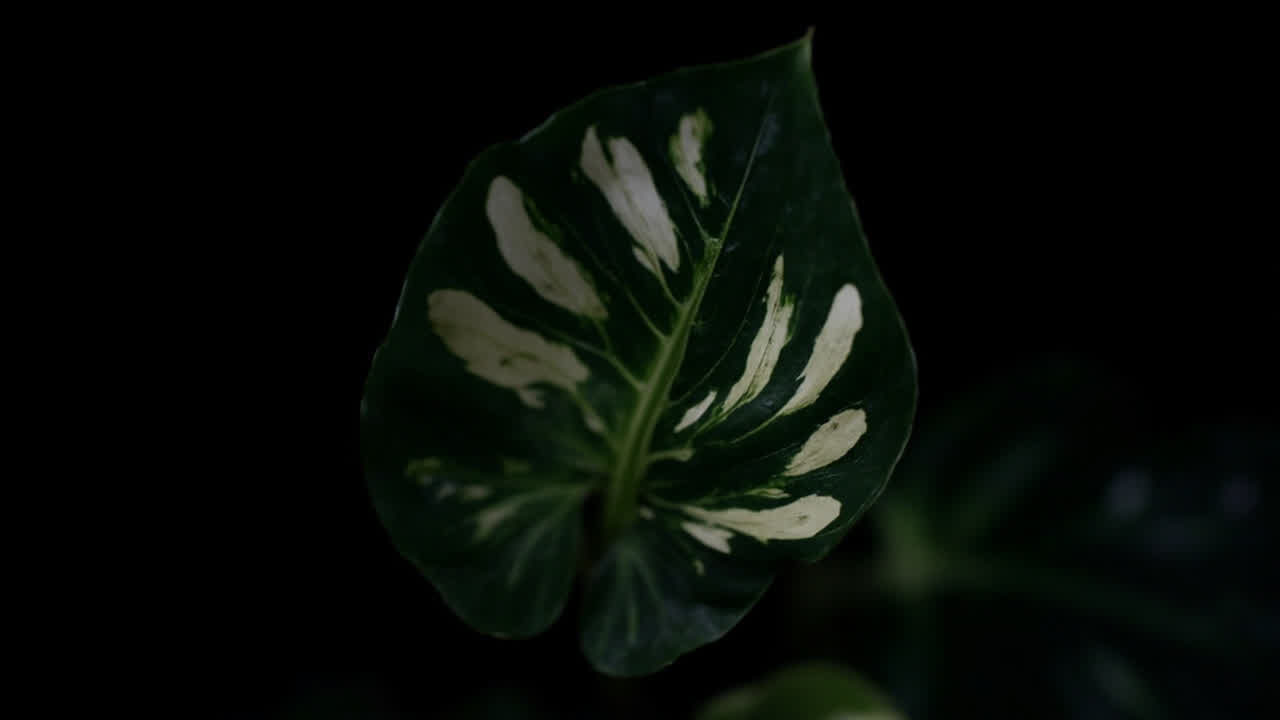
Alocasia problems are usually caused by one of four things: wrong watering, insufficient humidity, incorrect light, or pests. The plant communicates clearly — the leaves show exactly what is wrong within days of conditions changing. Knowing how to read the symptoms helps you diagnose problems quickly and take corrective action before the plant declines seriously.
Yellow Leaves
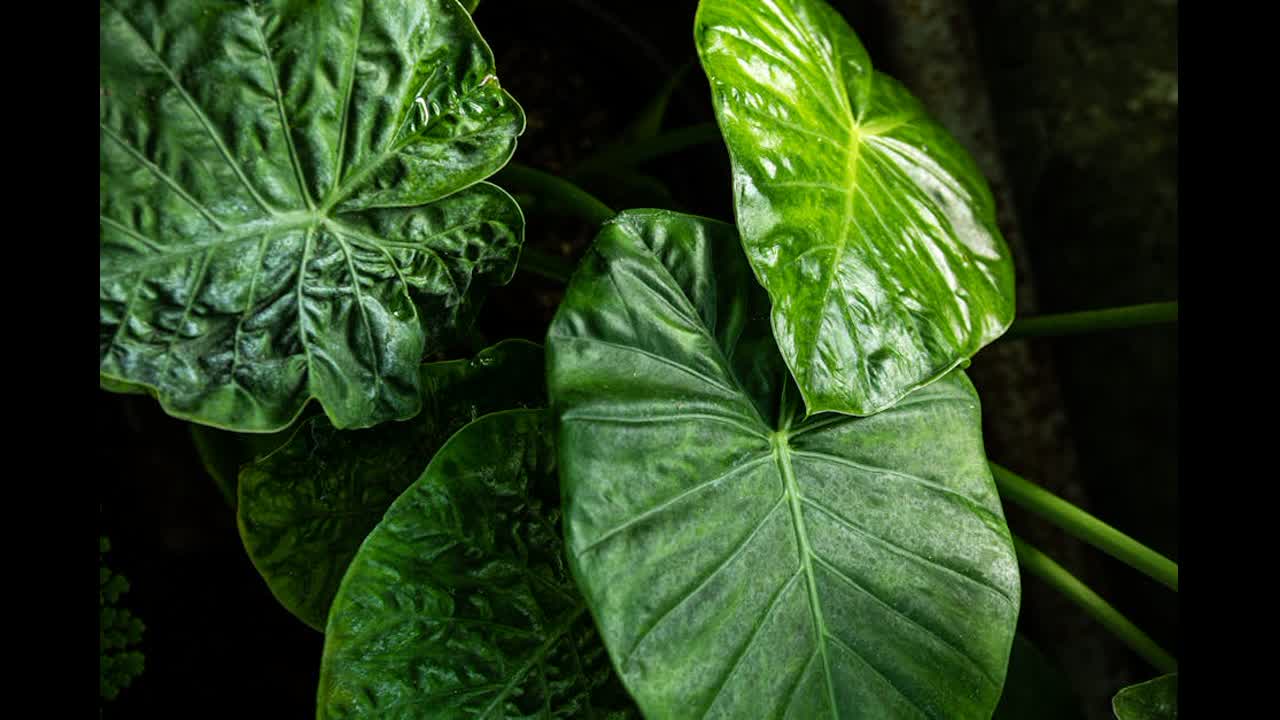
Yellow leaves on Alocasia most commonly indicate overwatering — the plant is more sensitive to this than most people expect. If the soil is wet and the lower leaves are yellowing, stop watering immediately and let the soil dry more between waterings. If the yellowing is widespread across many leaves simultaneously and the plant is declining rapidly, unpot and check the roots.
Healthy Alocasia roots are pale and firm. Dark, mushy, or smelly roots indicate root rot. Trim all affected roots with clean scissors, dust the cuts with cinnamon, repot in fresh fast-draining soil, and water very sparingly for at least a month while the plant recovers.
Occasional yellow leaves at the base of the plant — one or two at a time, not multiple simultaneously — are normal aging. Alocasia regularly replaces old leaves with new growth. Remove the yellow leaf and continue normal care.
Brown Edges and Tips
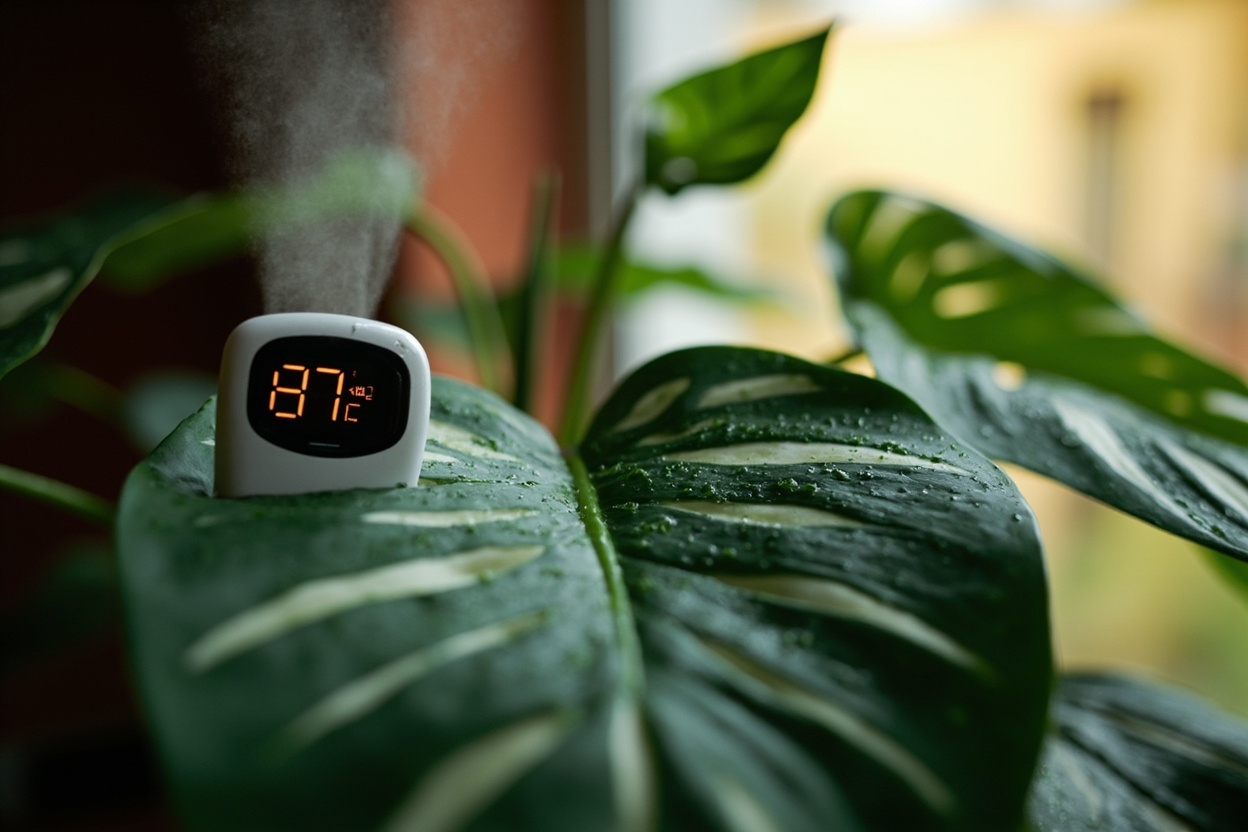
Brown edges and tips on Alocasia leaves are almost always caused by low humidity — not watering problems. The large, thin leaves of Alocasia transpire water rapidly, and in dry air, the leaf edges lose moisture faster than the plant can supply it. The result is dry, crispy brown edges that spread from the tips inward.
The fix is raising the humidity around the plant to above 60%. A pebble tray provides some improvement; a room humidifier is more effective. If the browning is mild, improving the humidity will prevent it on new growth within weeks. Existing damaged leaves will not recover but can be removed once new growth is clean.
From PDF to Excel in one click
Forget retyping line by line. Upload any bank statement, get a spreadsheet you can actually use. Your files are never stored, and you can test the converter with 3 free conversions.
Try it freeDrooping and Collapsing Leaves
Alocasia leaves droop dramatically when the plant needs water — this is a normal response and the leaves usually perk back up within hours of thorough watering. If the leaves do not perk up after watering, the plant may be severely underwatered or the roots may be damaged.
If the soil is wet and the plant is still drooping, the roots are likely damaged — either from root rot or from being too dry for too long — and the plant cannot absorb water. Let the soil dry out fully, check the roots, and treat for root rot if needed.
Dormancy Confusion
Alocasia dormancy is alarming — the plant appears to die, losing all its leaves and leaving only the corm behind. This is a natural survival response to cool temperatures, drought, or insufficient light. It is not a death sentence. If the corm is firm and healthy, the plant will regrow when conditions improve.
If your Alocasia enters dormancy in summer: check the corm, keep the soil barely moist (just enough to prevent it from drying out completely), place in a warm position with bright light, and wait. New growth may take several weeks to months to emerge. Do not give up on the plant or throw it away while the corm is still firm.
Pest Problems
Spider mites are the most common Alocasia pest — they thrive in the dry conditions that Alocasia hates, making this a frustrating combination. Inspect the undersides of leaves regularly for fine webbing, tiny moving dots, or the stippling damage that mite feeding causes. Wipe the leaves with a damp cloth monthly to remove dust and catch infestations early.
Mealybugs and scale also affect Alocasia. Remove with a cotton swab dipped in rubbing alcohol, followed by neem oil spray. Repeat treatment after one week.
The Key Principle
Alocasia is a responsive plant — it shows you what it needs. The golden rule is: consistent moisture in well-draining soil, bright indirect light, humidity above 60%, and warmth above 60°F. Get these five things right and most problems disappear. When problems appear, they are almost always a signal that one of these five conditions has drifted outside the acceptable range. Check, correct, and watch for improvement on new growth.