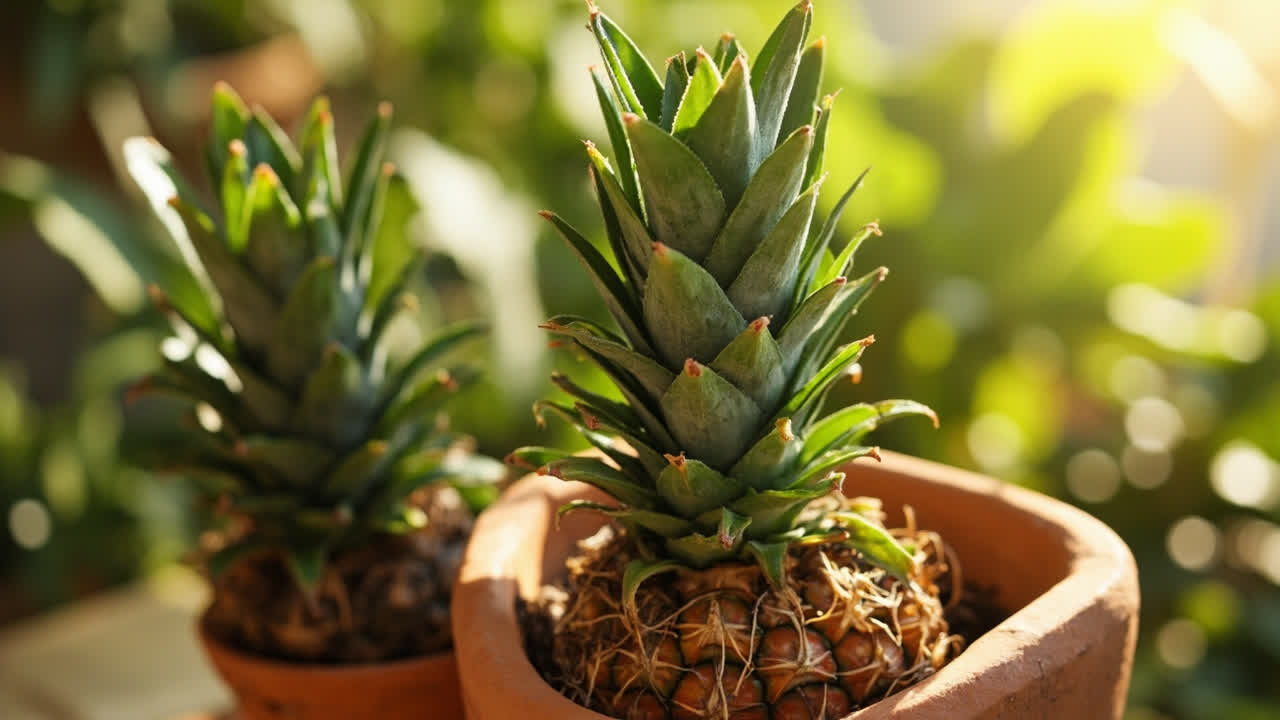

A pineapple plant (Ananas comosus) is a tropical bromeliad you can grow at home in a container, starting from the crown of any grocery-store fruit. It requires at least 6 hours of direct sunlight daily and a consistent temperature range of 65–90°F. With those two conditions met, a properly prepared crown will establish roots and grow into a productive house plant that can eventually produce fruit right in your living room.
If you have tried this before and felt like the plant was doing nothing for months — no visible growth, leaf tips browning, the whole thing looking vaguely sorry for itself — you are not imagining it. Pineapple grows slowly by design, and understanding why changes everything about how you read its signals. Saving a struggling pineapple plant starts with knowing that slow progress is not failure; it is the plant building a resource base for fruit production on its own multi-year schedule.
This guide covers every factor that determines success or failure: crown selection, light placement, pot sizing, soil and watering discipline, and a clear honest look at whether you’re growing for fruit or tropical foliage. By the end you’ll know exactly what to expect and when.
Why Growing Pineapple at Home Feels Harder Than It Is
Most people pick up a pineapple, twist off the crown, stick it in soil, and expect dramatic results within a few weeks. When nothing visible happens, they assume the crown was dead or they did something wrong. The issue is that Ananas comosus is slow-growing by evolutionary design, not accident. In its native tropical habitat, it evolved to withstand drought and intense sun — not rapid vertical growth. Its root system is shallow and designed to capture infrequent rainfall, not to push aggressive expansion like a tomato plant.
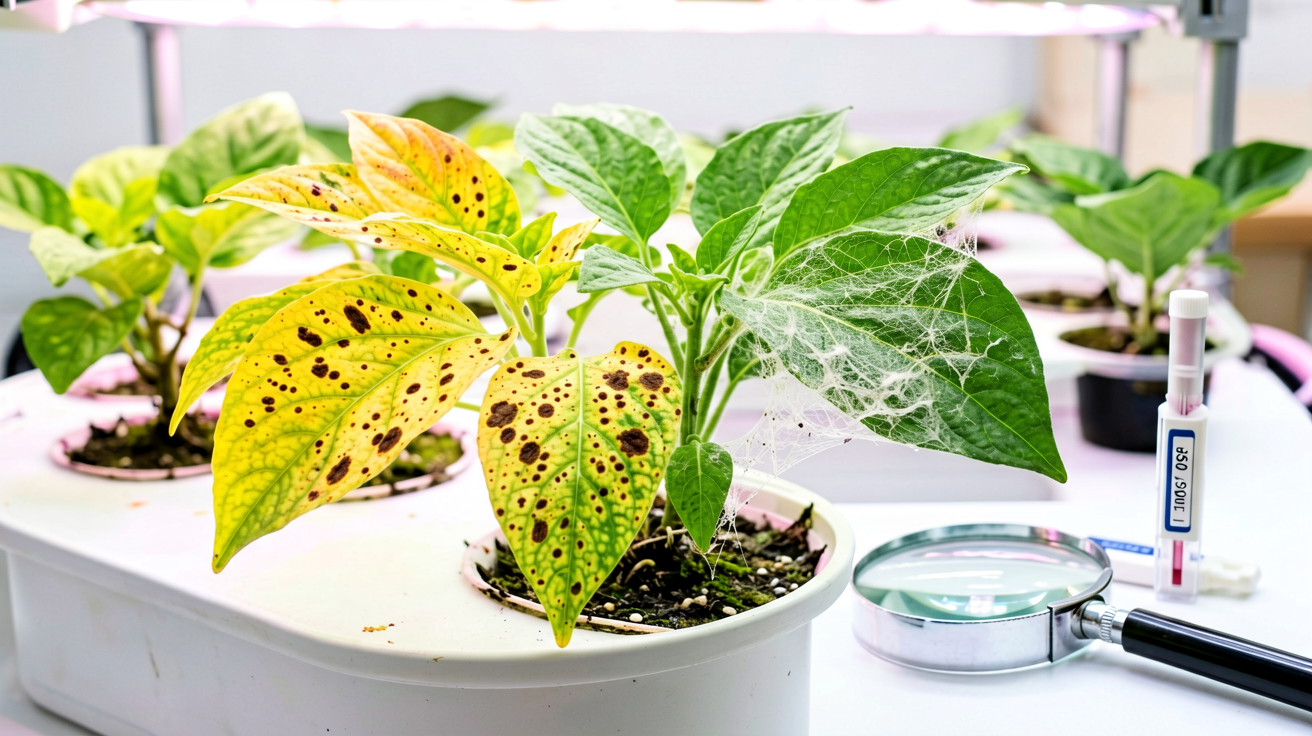
Pineapple also shows distress less obviously than most house plants. Where a pothos wilts dramatically when something is wrong, a pineapple simply stops expanding. By the time you notice leaf-tip browning or a silvering of the foliage, the plant has been signalling for weeks. Early detection — and knowing what corrective care looks like — is the difference between a plant that recovers and one that quietly declines past the point of rescue.
Why Pineapple Grows Slowly: The Science Behind It
Pineapple uses CAM photosynthesis (Crassulacean Acid Metabolism), a carbon-fixation pathway shared with cacti and succulents. Most plants open their stomata during daylight hours to absorb carbon dioxide, losing water through the open pores in the process. CAM plants do the opposite: they open their stomata at night to collect CO2, store it as malic acid, and then use it for photosynthesis during the day with the stomata closed. This makes them extraordinarily water-efficient — a critical adaptation in their native tropical rocky slopes where rainfall is intermittent.
For the home grower, this mechanism means patience is structural, not optional. The plant is not dying or stalled. It is assembling the carbohydrate and mineral resource base needed to support a fruit structure, a process that in commercial cultivation takes 18–24 months from planting to harvest and in a home environment can stretch to 2–3 years. If the leaves look healthy green and the base feels firm when pressed, the plant is doing exactly what it should be.
Light: The Most Critical Factor for Pineapple
Light is the non-negotiable variable. Unlike shade-tolerant house plants that will persist indefinitely in low light, a pineapple in a dim corner will slowly decline — not dramatically, but measurably. The survival minimum is about 4–5 hours of direct sun, but for active growth and any chance of fruiting you want 6 or more hours of direct sunlight daily. South-facing windows are the standard recommendation. East-facing windows work if the plant sits directly in the sun from morning through early afternoon without obstruction.
If your home does not offer enough natural light — particularly in northern climates during winter — a full-spectrum LED grow light is a practical supplement. Position it 12–18 inches above the plant and run it for 10–12 hours per day to approximate a tropical sun cycle. The electricity cost is modest and the difference in growth rate is substantial. Matching light levels to specific plants is covered in depth in our house plant light requirements guide, which maps PPFD thresholds and window placement for dozens of common house plants.
Signs of insufficient light include leaves that grow longer and thinner than normal, a fading of the bluish-silver tint in healthy foliage, and growth that stalls beyond the plant’s already-slow baseline pace. Move the plant closer to your brightest window or add supplemental lighting at the first signs of these symptoms — before the plant begins drawing down its internal reserves to compensate.
Temperature: Keeping It Warm Enough Indoors
Ananas comosus is strictly tropical with no tolerance for frost or sustained cool conditions. The acceptable range is 65–90°F (18–32°C), with active growth occurring most reliably in the 75–85°F band. Below 60°F the plant effectively stops growing. Below 50°F for more than a few hours, cellular damage begins in the leaf tissue. This is easy to overlook because room air temperature and leaf surface temperature are often different things — especially near single-pane windows in cold weather, where the glass can be several degrees colder than the thermostat reading suggests.
The most reliable indoor locations for pineapple are kitchens, sunrooms, and south-facing bathrooms, all of which hold warmth and ambient humidity better than bedrooms or living rooms. Avoid placing the plant near cold glass in fall and winter. If your home runs cool at night during colder months, a heat mat placed under the pot can raise root-zone temperature by 5–10°F — a small difference that meaningfully accelerates metabolic activity during the plant’s most vulnerable season.
Soil and Watering: Drainage Is Everything
The single most common cause of pineapple failure at home is root rot from overwatering, and the most important fix is the soil medium. Ananas comosus is a bromeliad whose root system evolved for fast-draining, aerated conditions and has zero tolerance for waterlogged soil. A standard potting mix retains too much moisture for too long. The right medium is a cactus and succulent mix amended with 30–40% perlite by volume. This combination creates a well-aerated environment the roots tolerate well while still holding enough moisture between waterings to support active growth.
Water when the top 1–2 inches of soil are dry. In summer with a plant in active growth, that typically means every 5–7 days. In winter or cool rooms, that stretches to every 10–14 days. The test: insert your finger to the second knuckle. If it reads dry at that depth, water thoroughly until it flows freely from the drainage hole, then discard the drained water immediately — never leave the pot sitting in a saucer of standing water.
Root rot from overwatering is one of the most common houseplant problems across all species, and pineapple is particularly vulnerable because its tough-looking leaves mask a surprisingly fragile root system. For a full breakdown of overwatering symptoms and corrective steps, see our guide to common houseplant problems.
Choosing the Right Container
Container size directly affects root health and fruiting potential. Start a rooted crown in a 4–6 inch pot — anything larger means excess soil that holds moisture beyond what the young roots can draw down, raising rot risk significantly before the root system has filled the volume.
Once roots have colonized the initial pot — visible through the drainage hole or signalled by growth slowdown despite good light and warmth — step up to a 10–12 inch pot. This container can support the plant’s full ornamental lifespan. For fruit production, a final move to a 14 inch pot at maturity provides the additional root mass needed to support a fruit structure. Whatever the stage, the container must have drainage holes: pineapple roots require oxygen, and waterlogged soil depletes it within 24–48 hours.
Material affects watering frequency. Terracotta loses moisture faster than plastic or ceramic — generally an advantage for pineapple since it reduces the risk of staying wet too long. Plastic retains moisture longer and can be useful if your watering discipline is inconsistent. Choose based on your environment and how often you can realistically check the soil.
Fruit vs. Ornamental: Setting Realistic Expectations
This is the trade-off most guides skip, and it is the one that causes the most long-term disappointment. If you are growing for fruit, understand the full timeline: 2–3 years under optimal conditions (6+ hours direct sun or equivalent supplemental light, stable 65–90°F, disciplined watering, monthly fertilizing through the growing season). Even with all of that executed consistently, the first fruit is often smaller than what you’d bring home from the store.
The ornamental path is shorter, lower-commitment, and equally satisfying. A pineapple grown for foliage stays manageable in a 10–12 inch pot indefinitely, produces striking architectural leaves year-round, and can live for many years in the same container. Decide your goal before investing the time — both paths are valid, but they require different levels of sustained attention.
How to Select and Prepare Your Pineapple Crown
Not every grocery-store pineapple produces a viable crown. Choose fruit with firm, green outer leaves and a golden-orange base at the stem end — the riper the fruit, the more developed and ready-to-grow the crown typically is. Reject crowns with brown dried leaf tips (rough handling in transit), any visible mold at the base, or leaves that pull away easily when gently tugged. A firm sideways twist at the base should separate the crown cleanly, revealing a smooth, pale cut surface at the bottom of the leaf rosette.
After separation, strip away the bottom 3–4 layers of leaves by pulling them straight downward — this exposes the root initials already forming at the base of the stem. Set the crown in a dry, shaded spot and allow it to cure for 2–3 days. The cut surface must callous over before it meets moisture; skipping this step substantially increases rot risk. The crown is ready when the base looks dried and pale, not wet or dark.
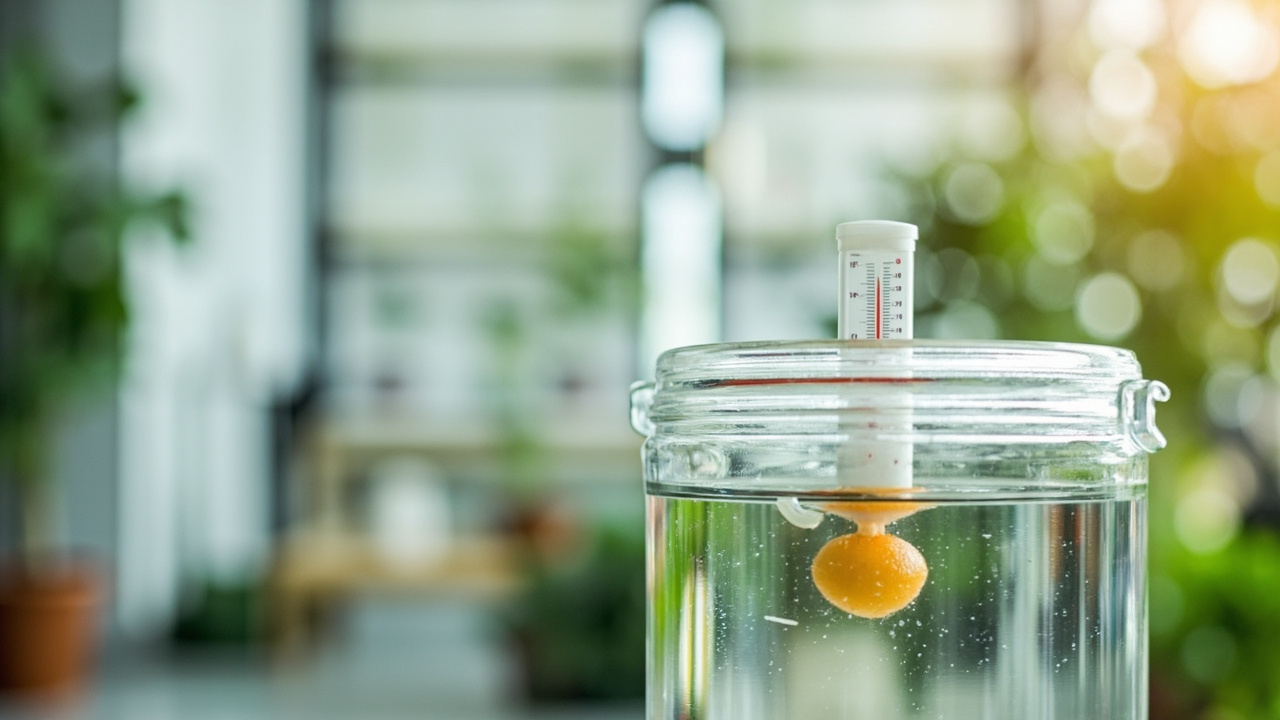
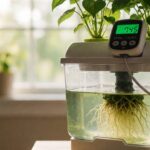
Root initiation can happen in water or directly in soil. The water method lets you observe progress: set the crown in a glass with only the bottom quarter submerged, refresh the water every 2–3 days, and wait 2–4 weeks for roots to reach 2–3 inches before planting. The direct-soil method skips the observation step but requires careful watering restraint until roots establish. Either works; the water method simply offers more reassurance that things are progressing before you commit the crown to soil.
Ongoing Care: A Simple Routine That Actually Works
Once established, pineapple care is simpler than most people expect. During spring and summer, feed the plant once a month with a balanced liquid fertilizer at half the label strength — a 10-10-10 or 20-20-20 formula diluted accordingly. Stop fertilizing in fall and winter to match the plant’s dormancy-period metabolism.
Wipe the leaves with a damp cloth every few weeks to remove dust, which reduces the leaf surface’s light-capture efficiency. This is especially relevant in kitchens where airborne grease can form a film over time. While cleaning, check the base where leaves meet the soil — this is where rot initiates. A firm base is healthy; a mushy or soft base requires immediate corrective action.
If you’re looking to build out your collection while your pineapple matures over the coming years, the best indoor plants for beginners list includes several species that are more forgiving of irregular care schedules. Starting with easier specimens makes the hobby more sustainable while you learn your pineapple’s rhythms.
What to Grow Next to Your Pineapple
Pineapple is most visually striking grouped with other tropical foliage plants that share its cultural profile: bright light, warmth, and fast-draining soil. Lucky bamboo is a natural companion — it tolerates the same bright window positions, shares the tropical houseplant context, and its vertical architectural form contrasts nicely with the pineapple’s radial rosette, creating visual balance on a bright shelf or windowsill without competing for the same horizontal space.
Bird of paradise (Strelitzia reginae) shares the same bright light and warm temperature requirements, and its large paddle-shaped leaves create a layered, lush canopy effect when grouped with pineapple. For smaller spaces, a monstera deliciosa in the same light zone adds trailing foliage texture that complements the pineapple’s upright form without demanding different care conditions.
Whatever you add, keep plants on their individual watering schedules. Grouping species with similar but not identical needs is fine. Putting a humidity-loving fern next to your fast-draining cactus-and-succulent mix pineapple is not — the cultural mismatch creates a chronic overwatering temptation that will harm one or both plants.
From PDF to Excel in one click
Forget retyping line by line. Upload any bank statement, get a spreadsheet you can actually use. Your files are never stored, and you can test the converter with 3 free conversions.
Try it free