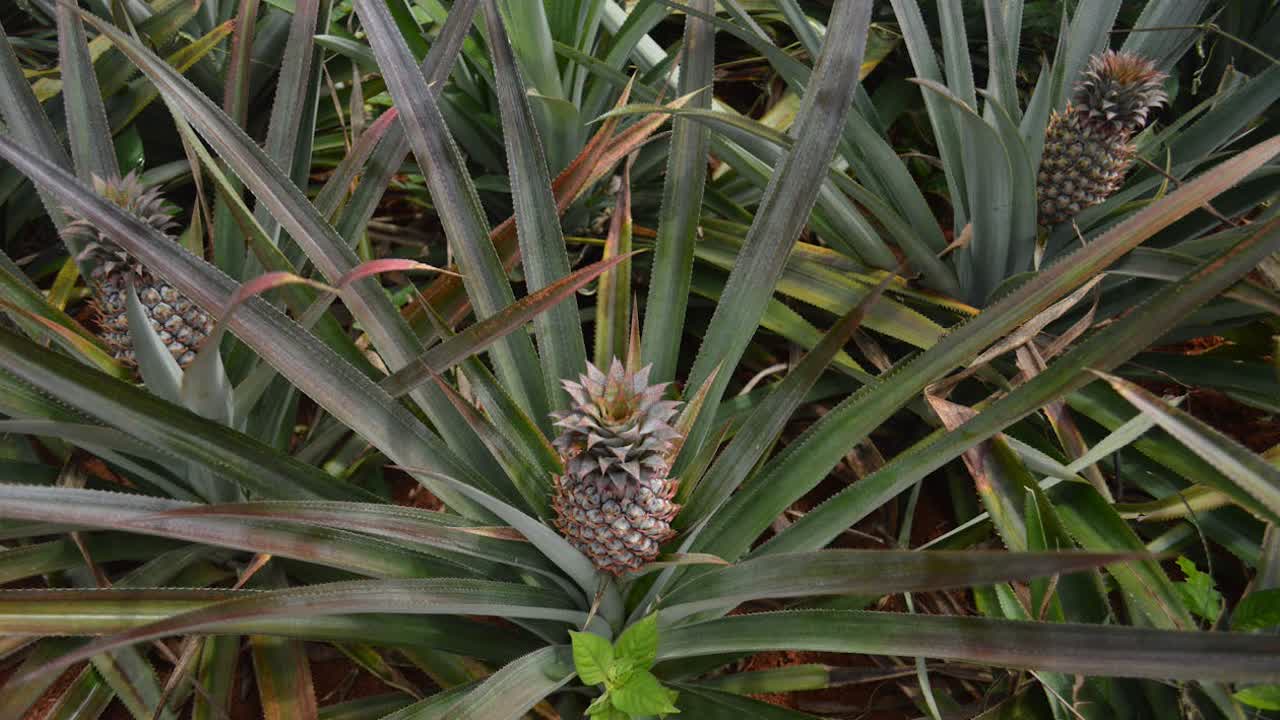
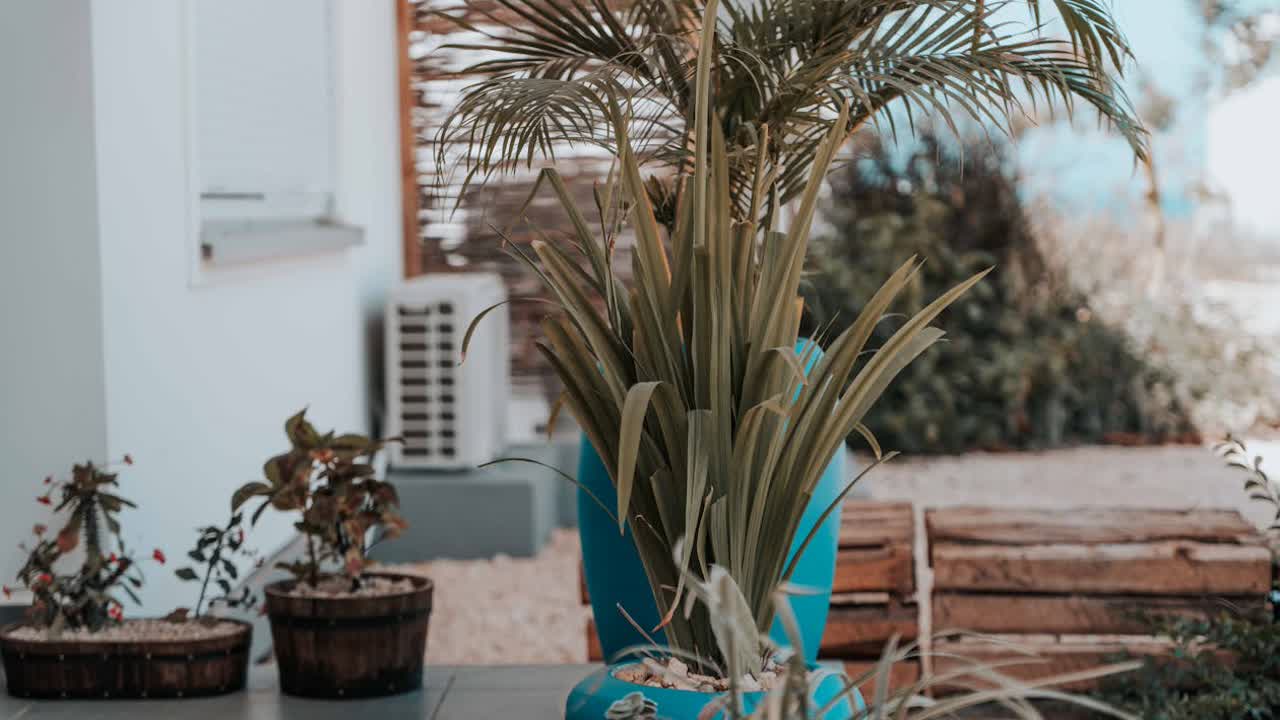
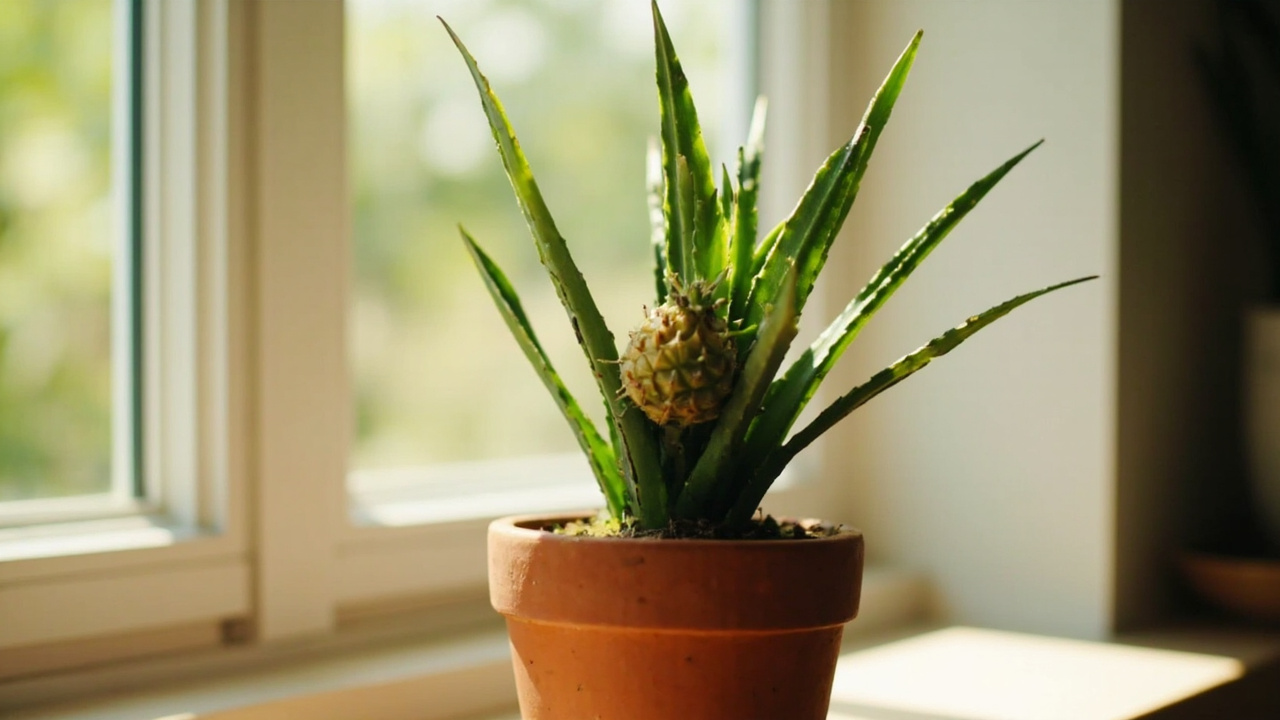
The best soil for a pineapple plant is simple in concept and easy to get wrong in practice. It does not need to be rich — it needs to drain fast and let the roots breathe. Everything else about watering, fertilizing, and root health either works with that foundation or fights against it.
Why Ordinary Potting Soil Fails Pineapple Plants
Pineapple plants look tropical, so people assume they want rich, damp, compost-heavy soil. That assumption leads to the single most common reason pineapple roots fail — overwatering from soil that holds too much moisture. That sounds reasonable. It is also how you end up with weak roots, stalled growth, and a plant that slowly yellows from the outside in.
Ananas comosus wants a soil mix that drains fast, holds some moisture without staying wet, and keeps oxygen around the roots. That’s the whole game. If the mix stays soggy for too long, the roots stop functioning first. The leaves tell you later.
You’ve probably seen this pattern already: the plant looks fine right after watering, then a few days later the center slows down, outer leaves soften, and the pot still feels heavy. That is not a fertilizer problem. It’s usually a soil structure problem.
What Kind of Soil a Pineapple Plant Actually Needs
The best soil for a pineapple plant is fast-draining, airy, and slightly acidic. Aim for a pH of 4.5 to 6.5. That acidity helps nutrient uptake stay stable, especially for iron and manganese, which tropical plants often struggle with in alkaline mixes.
The texture matters more than the brand. Your mix should:
- drain thoroughly in under 30 seconds after a full watering
- feel loose, not dense or sticky
- dry through the top 2–3 inches within several days, not stay wet for a week
- hold enough moisture that the plant is not bone-dry the next morning
This is the trade-off: a very open mix protects the roots, but it also dries faster in hot weather. That means you get healthier roots, but you need to pay more attention in summer.
The Best Homemade Pineapple Soil Mix
If you want the most reliable setup, use this:
- 50% high-quality potting mix
- 30% perlite or pumice
- 20% orchid bark or coarse sand
Mix it thoroughly before potting. What happens next is important: after watering, the extra perlite and bark create air pockets that let the roots breathe. This same quality matters when rooting a pineapple crown or separating pups — young plants are even more sensitive to saturated soil than established ones. gaps, so the roots can breathe while the mix still holds enough moisture to stay usable. That balance is what prevents root rot without turning the pot into a desert.
If you do not have all three ingredients, a simpler version still works:
- 60% potting mix
- 40% perlite
It is not quite as stable long-term, but it is far better than plain potting soil.
Can You Use Cactus or Succulent Soil?
Yes — but don’t use it straight from the bag without checking the texture. Many cactus mixes are a good starting point because they drain faster than standard houseplant mixes. The problem is that some are still too fine and peat-heavy for pineapple roots.
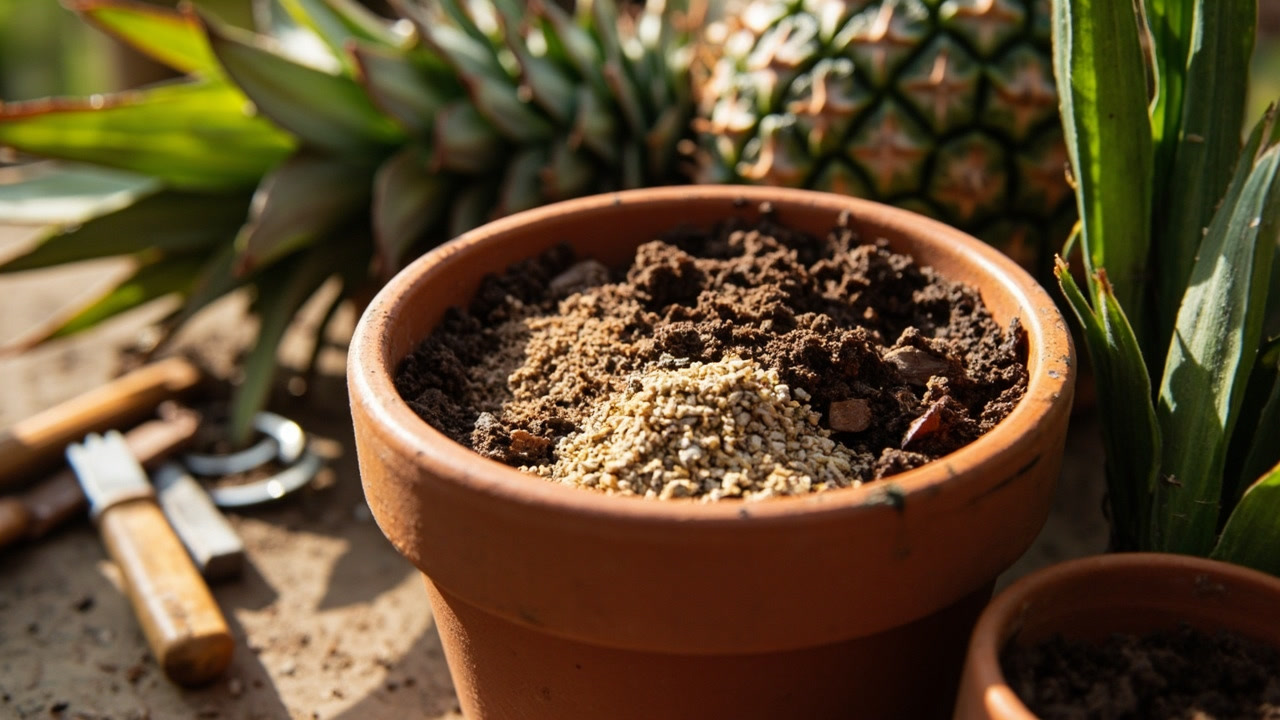
If your cactus mix feels dusty, compacts when wet, or stays saturated in the middle of the pot, amend it with extra perlite or bark before using it. The safer approach is to treat cactus soil as a base, not a finished solution.
When Cactus Mix Works Well
- small indoor pineapple plants in 4–6 inch pots
- humid climates where soil dries slowly
- growers who tend to overwater
When It Needs Adjusting
- cool indoor rooms below 68°F / 20°C
- plastic pots that already hold moisture longer
- mixes with too much peat and not enough coarse material
What to Avoid in Pineapple Soil
Some materials create problems even when they sound helpful.
- Heavy garden soil: compacts too easily in containers. After watering, it holds too much water and the roots lose oxygen fast.
- Pure compost: too rich, too dense, and too moisture-retentive. You may get early leaf growth, but root health usually declines underneath.
- Moisture-control potting mixes: these are designed to stay wet longer. That is the opposite of what pineapple roots want.
- Fine play sand in large amounts: this often makes the mix denser instead of looser unless the grain is actually coarse.
Most people focus on nutrients first. The real bottleneck is usually structure. If the roots cannot breathe, extra nutrients do not help — they just sit in wet soil with nowhere useful to go. Once the soil structure is right, the fertilizer schedule becomes genuinely useful rather than a guessing game.
How Soil Changes Watering Frequency
Your watering schedule is only as good as your soil mix. A dense mix makes even careful watering dangerous because the water stays trapped too long. The watering guide covers the rhythm that works with fast-draining soil — which is very different from standard potting mix. An open mix gives you more margin for error.
For example:
- in a dense mix, the pot may still be wet after 7–10 days
- in a balanced pineapple mix, the top layers often dry in 4–6 days during active growth
- in very hot weather above 86°F / 30°C, a terracotta pot with airy mix may dry even faster
What happens next is predictable: better drainage means the roots stay healthier, and healthier roots make the plant more stable during heat, feeding, and repotting.
If you have not already, pair this article with the pineapple watering guide. Soil and watering are not separate topics. They are the same system from two angles.
Best Pot Types for Pineapple Soil Performance
The same soil behaves differently depending on the pot.
Terracotta Pots
Terracotta is usually the safest option for pineapple plants because the walls breathe. Moisture escapes through the clay, which helps the mix dry more evenly. The trade-off is that you may need to water more often in hot climates.
Plastic Pots
Plastic holds moisture longer. That can help in very dry homes, but it raises the overwatering risk if your soil is already too dense. If you use plastic, increase the amount of perlite or bark in the mix.
Ceramic Pots
Glazed ceramic looks better, but it behaves more like plastic unless it has excellent drainage. Use it if the pot has a real drainage hole, not a decorative false bottom. After watering, the pot should drain fully and the saucer should be emptied right away. If water stays trapped underneath, the soil profile stays wetter than it looks from the top.
How to Know Your Soil Mix Is Working
You do not need a lab test. The plant and pot tell you enough. Good soil handles water without drowning roots — and that foundation makes everything else work better, including the light your plant needs to actually use those nutrients.
- good sign: new center growth stays firm and upright
- good sign: the pot feels noticeably lighter within a few days of watering
- good sign: roots stay pale and firm when inspected during repotting
- bad sign: soil smells sour or swampy
- bad sign: the base of the plant softens
- bad sign: the pot remains heavy for a week or longer
If the mix is wrong, you will usually see a growth slowdown before dramatic leaf damage. That delay fools people. They think the plant is fine because it still looks green. Meanwhile, the roots are already struggling.
When to Repot Into Better Soil
If your pineapple plant is sitting in dense nursery soil, repot during active growth in spring or early summer if possible. That gives the roots time to recover while temperatures stay warm — ideally 70–90°F / 21–32°C. After repotting, water the mix thoroughly once, let the excess drain, and then wait for the upper layers to dry before watering again. That first dry-down period tells you whether the mix is actually balanced.
If the plant is already stressed, do not wait forever hoping it corrects itself. Root problems rarely fix themselves in the same bad soil.
The Real Decision Guide
Choose a more open, bark-heavy mix if your main risk is overwatering, humidity, or low indoor airflow. Choose a slightly more moisture-retentive version if your home is hot, dry, and bright all year. Either way, the answer is never plain heavy potting soil.
If you want the short version: pineapple plants want air around the roots, steady but brief moisture, and fast drainage. Get those three right and almost everything else gets easier.
For the next step, read the pineapple light requirements guide so the plant has enough energy to use that healthier root system well. Good soil without enough light still creates a stalled plant.
Turn That PDF Into a Spreadsheet in Minutes
You've seen how to do it manually — now let the tool handle the heavy lifting. Upload your bank statement and get Excel, CSV, or QBO in a few clicks.
Try It Free