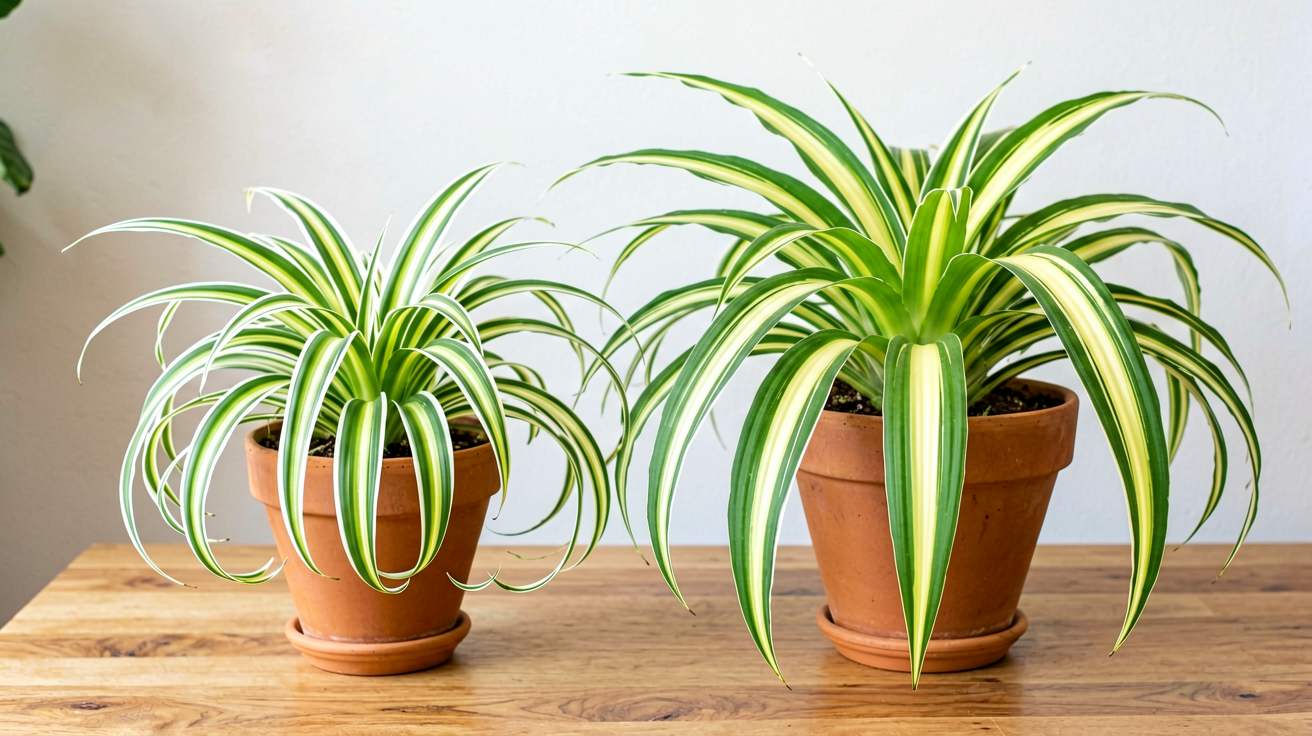
The curly spider plant — Chlorophytum comosum ‘Curly’ — is a naturally occurring mutation of the standard variegated spider plant that produces leaves which curl and spiral along their length rather than growing straight. The effect is distinctive: the plant looks textured and dynamic even when it is completely still, and it brings a different aesthetic to a room compared to the classic straight-leaved spider plant. Beyond the visual difference, its care is essentially identical to standard spider plant care, which also covers light, watering, and troubleshooting in detail.
What Makes Curly Spider Plants Different
The curly leaf mutation is stable and inheritable — propagated spiderettes will grow into curly spider plants, not revert to straight-leaved forms. The degree of curl can vary slightly depending on growing conditions — plants in brighter light often show more pronounced curling — but the characteristic is consistent.
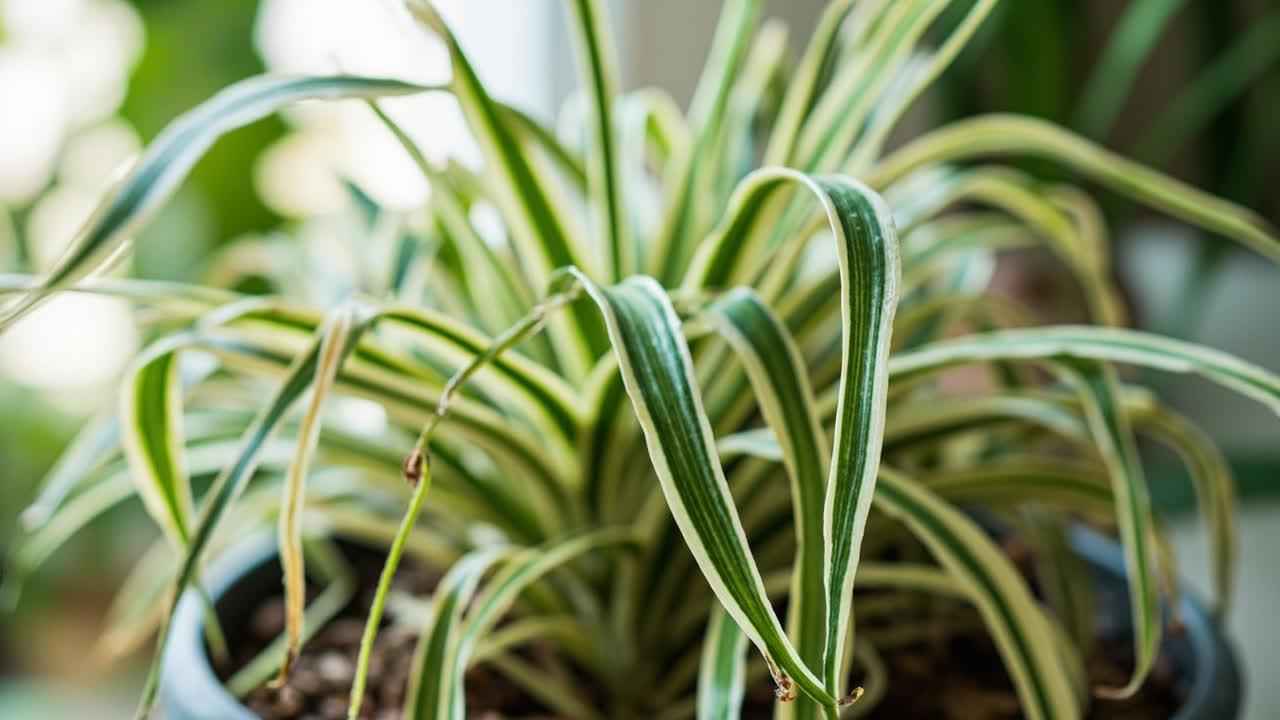
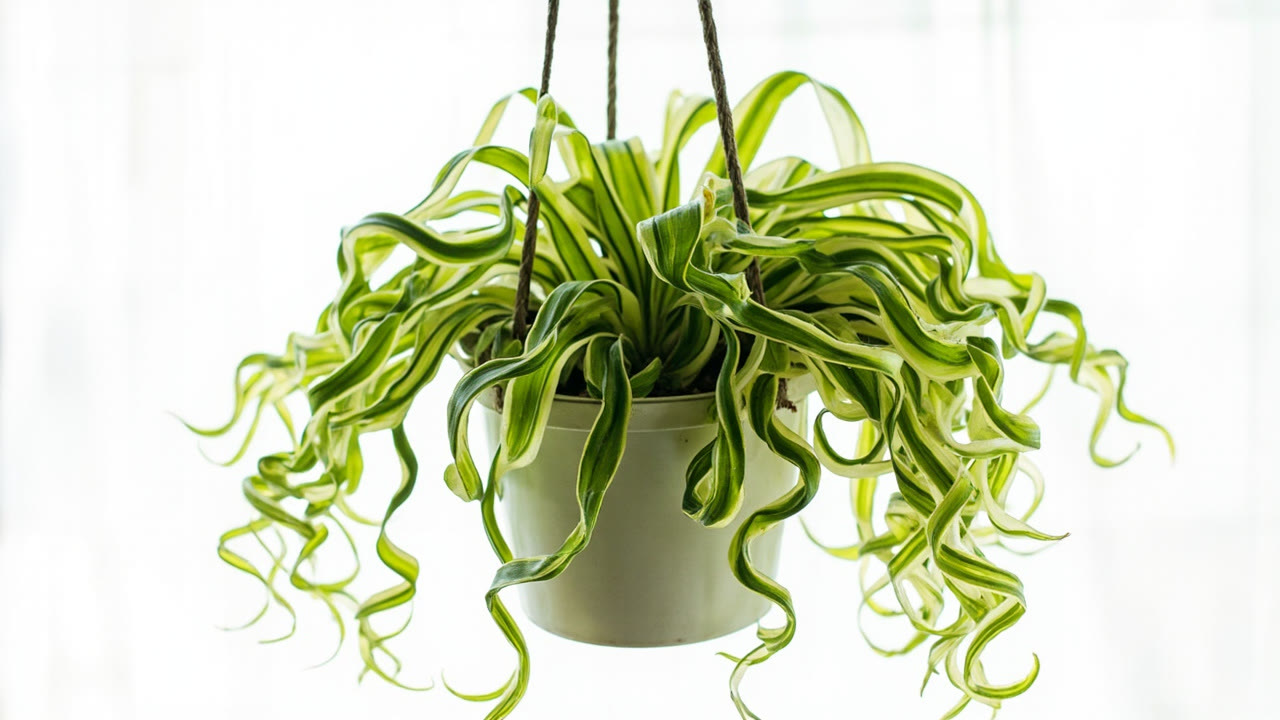
The curl affects the entire leaf from base to tip, giving the plant a corkscrew or spiral appearance. The leaves are typically variegated with a white or pale centre stripe and green margins, similar to Vittatum, but the curl means you see more of the leaf surface at different angles as you move around the plant.
Curly spider plants tend to stay more compact than standard variegated varieties, which makes them well-suited to shelves, desks, and smaller spaces where a sprawling standard spider plant would be awkward. They do produce spiderettes on long stems — the curling applies to the leaves, not the flowering stems — and the spiderettes will trail with their characteristic cascading habit.
Light Requirements
Curly spider plants have the same light preferences as all spider plants: bright, indirect light is ideal. The curling does not reduce the plant’s light tolerance compared to straight-leaved varieties, but plants grown in very low light may produce less pronounced curls as the plant stretches toward available light.
Variegated spider plants — including curly varieties — need more light than solid green plants to maintain their variegation. In very low light, the white or pale centre stripe may fade. Move the plant to a brighter spot if you notice the variegation becoming less distinct. Full light requirements are covered in the spider plant light requirements guide.
Watering
Water curly spider plants the same way as standard varieties: when the top inch of soil is dry. The curly mutation does not affect drought tolerance or water needs. Overwatering is the most common care mistake — let the soil dry between waterings. The curly compact growth form means the plant looks proportionally more water-stressed than a larger spider plant when it is dry, but the watering interval is the same.
Soil and Potting
Use the same fast-draining potting mix as for standard spider plants — an all-purpose mix with perlite added at a 3:1 ratio, or a phalaenopsis orchid bark mix. Good drainage is essential because curly spider plants have the same root system as standard varieties and are equally susceptible to root rot from waterlogged soil. See the spider plant root rot guide for prevention and treatment.
Humidity and Temperature
Average household humidity is fine. Curly spider plants are not more or less humidity-sensitive than other spider plants. Temperature preferences are also the same: 60°F to 80°F (15°C to 27°C), with protection from cold drafts in winter.
Propagating Curly Spider Plants
Propagate curly spider plants exactly as you would standard varieties: cut a mature spiderette with a section of stem attached, root it in water or soil, and pot once roots are established. The propagated plant will retain the curly characteristic — there is no special consideration needed for propagation of this variety beyond the standard method.
If you have both curly and standard spider plants, note that the spiderettes produced by a curly plant on a standard variety’s stolon would be a cross — but spider plants are primarily propagated asexually via spiderettes, so the offspring are clones of the mother plant regardless of what other spider plants are nearby.
The Curly Spider Plant in Interior Design
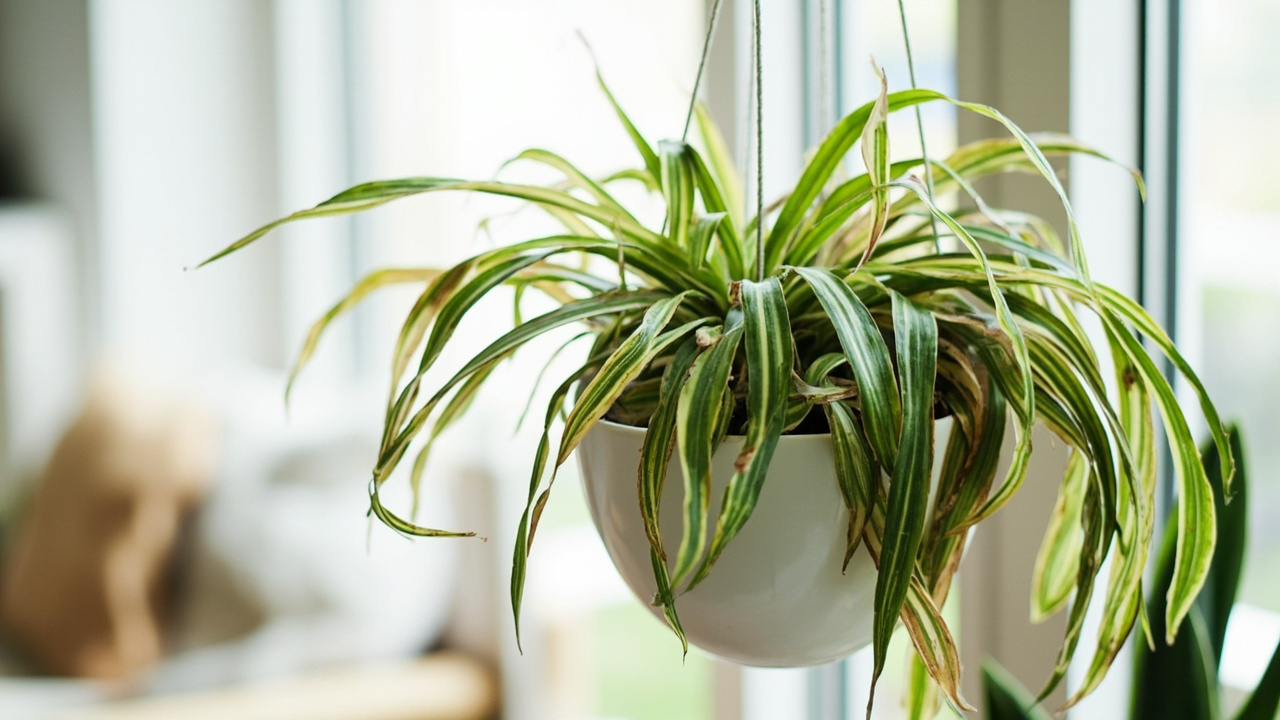
The curly spider plant’s compact, textural form makes it more versatile in interior design than the standard cascading form. It works well on shelves where the leaves can be seen from above and the spiral form is most visible. It is less suited to hanging baskets than standard varieties because the compact growth does not produce the same dramatic trailing effect — though it can still be displayed in a hanging planter, where the spiderettes will trail below the curly foliage. See spider plant hanging basket care for display ideas.
The plant is easy to find in specialty nurseries and is becoming more common in mainstream garden centres as its popularity grows. It is an excellent choice for plant collectors who already have the standard spider plant varieties and want something with a different character while staying within the same care requirements.
From PDF to Excel in one click
Forget retyping line by line. Upload any bank statement, get a spreadsheet you can actually use. Your files are never stored, and you can test the converter with 3 free conversions.
Try it free