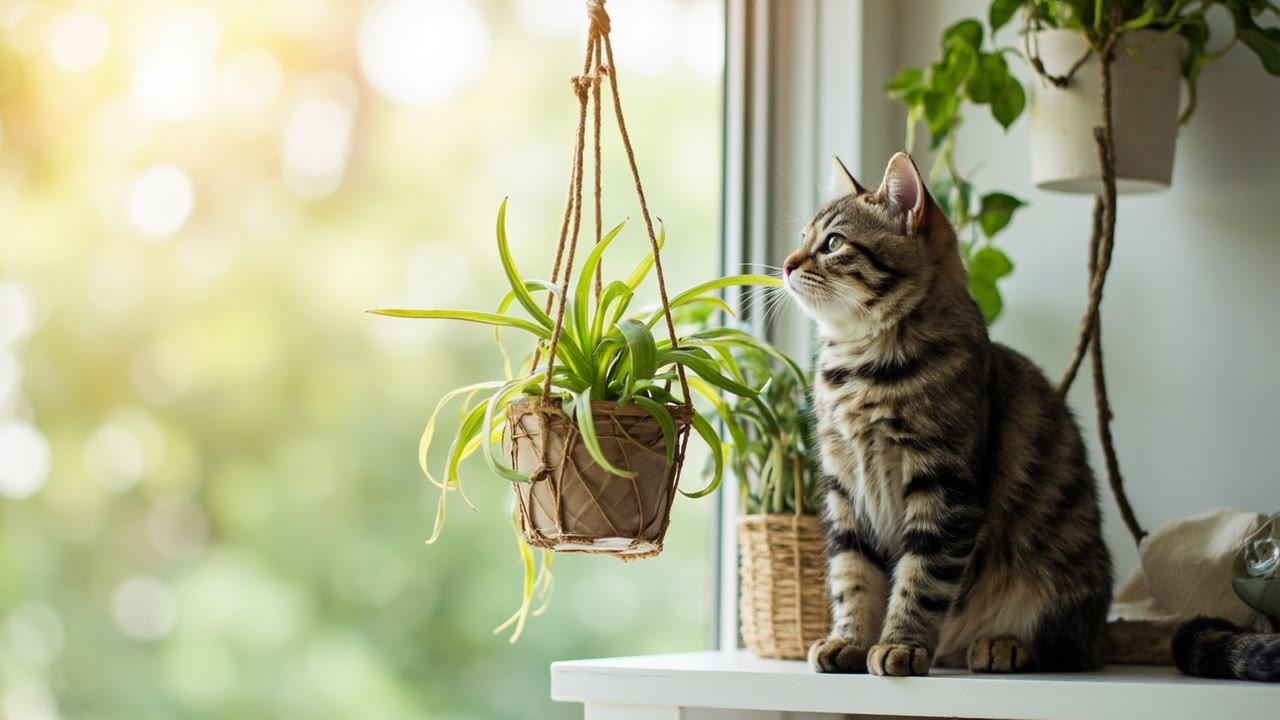
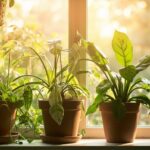
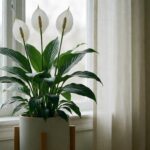
Getting the light right for a spider plant is the single most important thing you can do for its long-term health and appearance.
Too little light and the plant becomes pale, leggy, and stops producing spiderettes. Too much direct sun and the leaves scorch and turn brown at the tips.
The good news: spider plants are more adaptable than most houseplants, and finding the right spot is a matter of understanding what the plant actually needs rather than following rigid rules.
What Spider Plants Actually Need
Spider plants are native to the tropical and southern African forests where they grow as groundcovers and epiphytes in dappled shade.
In their natural habitat, they receive bright, indirect light filtered through a forest canopy — never direct sun, but never in deep shade either. This is the condition to replicate indoors, and it maps to bright indirect light in most home environments.
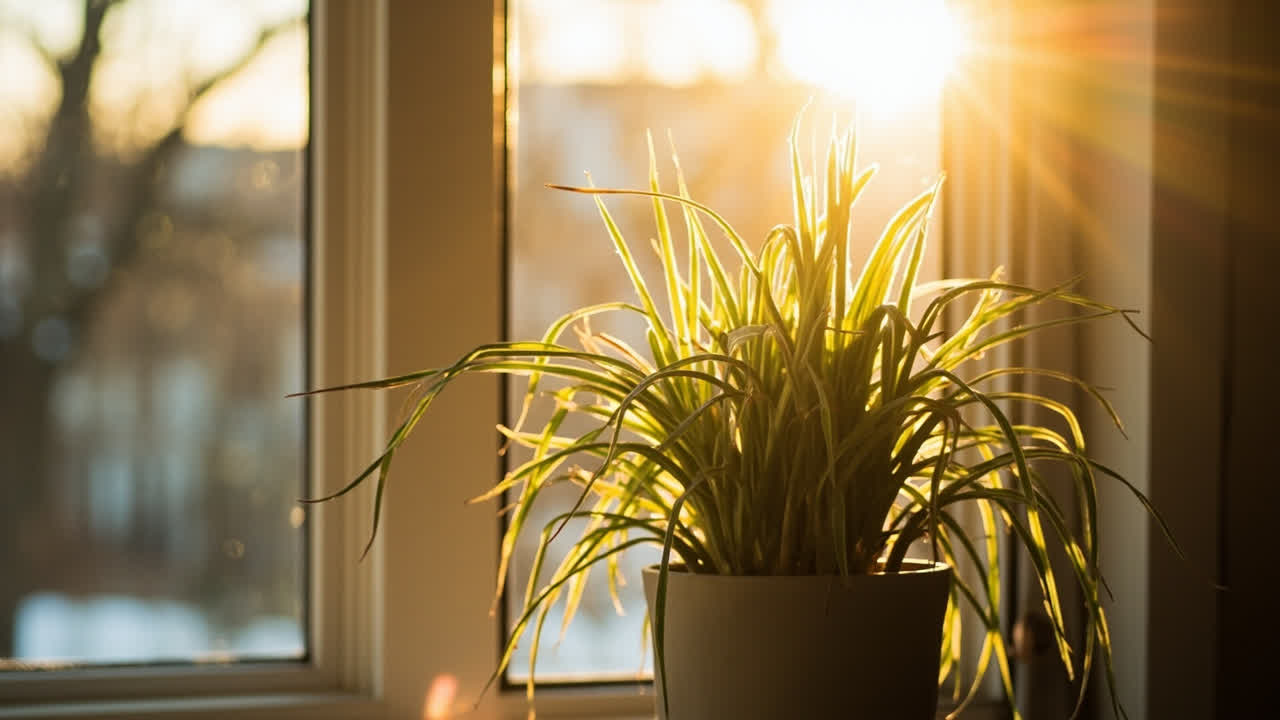
Bright indirect light means a location near a window where the plant receives direct sunlight only through a filter — either a sheer curtain, another plant’s canopy, or sufficient distance from the glass that the sun’s direct rays do not hit the leaves directly. A spot 3–5 feet back from a south- or east-facing window is the classic ideal for most homes.
Signs Your Spider Plant Needs More Light
The most common symptom of insufficient light is loss of variegation. The white stripes on the leaves fade, becoming pale green or almost yellow. This happens because the plant prioritizes chlorophyll production over maintaining its decorative variegation when light is limited — it needs all the chlorophyll it can make to capture whatever light is available, so it reduces the white non-photosynthetic tissue.
Leggy growth is another sign. The plant stretches toward the light source, with longer spaces between leaves along the stem. The leaves themselves may be smaller than usual. Spider plant stems may also become floppy and unable to support themselves, causing the whole plant to lean or sprawl rather than hold its natural arching shape.
Failure to produce spiderettes is a strong indicator of insufficient light. A mature spider plant in adequate light will produce long stems with spiderettes every growing season. If your plant has not produced any in a year or more, and the overall appearance is pale or leggy, the light is almost certainly the limiting factor.
Signs Your Spider Plant Is Getting Too Much Light
Direct afternoon sun causes physical damage to spider plant leaves. The most obvious sign is browning at the tips and edges — sharp, clearly defined brown patches that appear on the side of the plant facing the window. The brown tissue may appear dry and papery. In severe cases, the leaves lose colour and become bleached or yellowish before turning brown.
Bleaching is different from brown scorching — the leaf turns pale and washed out, losing its green colour entirely. This happens when a plant that has been in low light is suddenly moved to direct sun. The combination of high light intensity and heat overwhelms the chlorophyll, essentially bleaching the leaf tissue. This is why any plant moved from a dark location to a sunny windowsill should be transitioned gradually over two weeks.
Heat stress can also cause temporary wilting even when the soil moisture is adequate. Spider plants near south- or west-facing windows in summer can experience temperatures significantly higher than the rest of the room, especially if the window glass magnifies the sun’s heat. This causes the plant to lose water faster than it can absorb, leading to wilting that is not about water availability but about temperature and evaporation rate.
The Best Window Directions
East-facing windows provide the ideal light for spider plants in most homes. The morning sun is gentle — less intense than afternoon sun — and provides good light levels for the rest of the day. A spider plant placed on a shelf or table near an east-facing window will receive two to four hours of morning sun filtered through the glass, followed by bright indirect light for the rest of the day.
South-facing windows offer the most light but require more management. Place spider plants a few feet back from the window, or use a sheer curtain to diffuse the direct rays. The further the plant is from a south-facing window, the more indirect the light becomes. A plant on the opposite side of the room from a south-facing window may receive enough ambient light to maintain healthy growth even though it is not in direct sun at all.
West-facing windows provide strong afternoon sun that can be too intense in summer. Again, distance from the window and sheer curtains are the management tools. A west-facing window with a spider plant several feet back and a sheer curtain diffusing the light is a perfectly good setup.
North-facing windows provide the lowest light levels and are the most likely to result in insufficient light for spider plants, especially in winter when daylight hours are short. A spider plant in a north-facing window may survive but will likely become pale and leggy over time. Use them for spider plants only if the window is large and unfiltered — even then, monitor the plant for signs of light deficiency.
Growing Spider Plants Under Artificial Light
Spider plants thrive under fluorescent and LED grow lights and do not require natural light to grow well. This makes them excellent candidates for offices, basements, and rooms without windows. A standard fluorescent tube or a moderate LED grow light kept 12–18 inches above the plant for 12–14 hours per day will provide sufficient light for healthy growth and spiderette production.
With artificial light, the signal to watch for is the same as with natural light: the plant should maintain its variegation, produce new growth regularly, and eventually produce spiderettes if mature. If the plant is growing but losing variegation under artificial light, the light level may be insufficient for the variegated tissue to be maintained — increase the duration or bring the light closer.
Seasonal Light Changes
The light in a room changes with the seasons. A spot that works perfectly for a spider plant in summer may be too dark in winter when days are shorter and the sun is lower in the sky. This is why it is worth observing your spider plant across the year — if it looks fine in summer but declines slightly in winter, it may be getting marginally insufficient light in the darker months. Moving it slightly closer to the window for winter, then back in spring, is a simple adjustment that can maintain consistent health year-round.
The other seasonal consideration is direct sun intensity. In summer, the sun is higher and more intense, meaning south- and west-facing windows are more likely to cause leaf scorch than in winter when the sun is lower and less intense. If you have a spider plant near a south-facing window in summer, move it back or add a sheer curtain before the spring transition in light intensity.
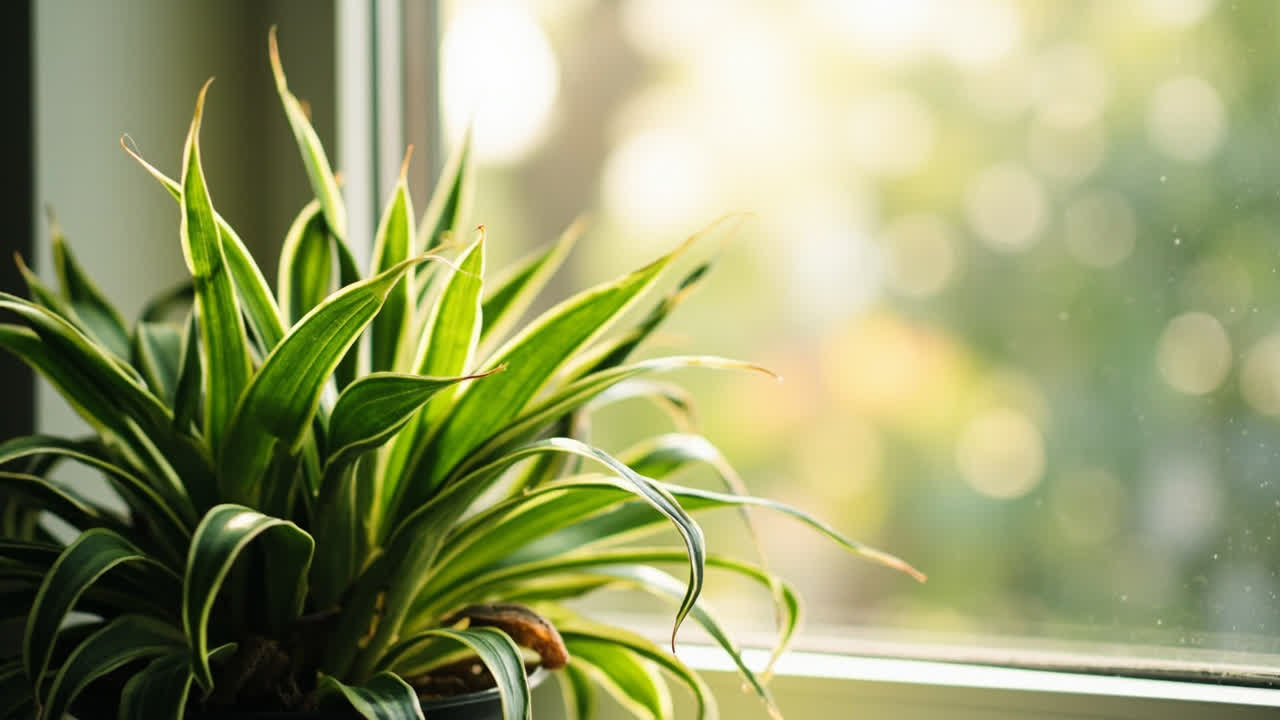
Finding the Right Spot
The practical test for whether a spider plant is in the right light is simple.
Watch it over four to six weeks after positioning it. New growth should be vigorous, with good variegation and colour contrast. The plant should hold its leaves upright without legginess. A mature plant should produce spiderettes in the growing season.
If any of these conditions are not met, adjust the position — usually moving the plant closer to the light source if things seem insufficient, or further from it or behind a curtain if the leaves are browning from sun scorch.
The right spot for a spider plant is the one where it looks visibly healthy and actively growing. Once you find it, the plant will maintain itself with minimal intervention from you beyond correct watering and occasional fertilizing in the growing season.
Turn PDF Bank Statements Into Workable Spreadsheets
Your bank statement is a mess of numbers, but your books shouldn't be. Use our converter to get Excel, CSV, or QBO files — ready for QuickBooks.
Try It Free Now