Here is something most people do not hear enough: your pineapple plant does not want to be repotted on your schedule. It wants to be repotted on its own. And if you have ever moved one and watched it sit there looking vaguely sorry for itself afterward, the timing was probably wrong.
Repotting is not a kindness by default. It is a surgical move. Done at the right moment, it unlocks better root function and stronger growth. Done unnecessarily, it costs the plant weeks of recovery and sets the watering rhythm back to zero.
So how do you know when the moment is right? You watch for specific signals, not a feeling.
The Signals That Actually Mean Repotting
Not “it has been six months” or “the pot looks small.” Actual signals. If you see more than one of these, the plant is asking for help:
- Roots are circling the bottom or visibly filling the pot
- Water runs straight through because the root zone is too dense
- The soil stays wet three or four days after watering — longer than it should
- You have a rooted pup or crown that has outgrown its starter container
- The plant is drying out faster than usual even when your routine has not changed
What happens next when you catch these signals early is usually a meaningful change in how the plant moves water and pushes new growth. The center tightens up, the leaves firm, and you start seeing actual progress again.
Why Compaction Is the Real Problem
Most potting soils break down over time. The fine particles collapse into a dense matrix that holds water at the bottom of the pot while the top stays dry. This creates a false reading: the surface looks okay, but the root zone below is suffocating.
If your pineapple soil requirements have not been reviewed in over a year, the mix is probably working against you even if it looks fine. Compaction is not always visible from the outside.
Root Rot Risk Increases in the Wrong Soil
Tired, heavy soil does not just slow growth. It creates conditions where rot can establish quietly. By the time you see yellowing or softening at the base, the damage may already be spread. Addressing soil condition before it becomes critical is usually simpler than treating root rot after it sets in.
When to Repot: Season Matters More Than Most Guides Admit
Spring into early summer is your window. That is when temperatures are consistently warm and the plant is entering its natural growth phase. Aim for conditions around 70–90°F / 21–32°C.
Why does this matter? When you repot, you disturb roots. The plant needs warmth and light to recover and push new feeder roots into the fresh mix. In cool, low-light conditions, the recovery stretches out indefinitely and rot risk climbs.
What happens next if you repot in fall or winter instead: the plant drifts, grows slowly if at all, and may not recover its rhythm until the following spring. You have not killed it, but you have wasted its best window.
Have you ever repotted a pineapple in cool weather and watched it just sit there? That is what that is.
Choosing the Right Pot Size
One size up. Not two. Not three. One.
Here is what goes wrong with oversized pots: there is more soil volume than the root system can use, so the mix stays wet longer than the plant can handle. The roots are supposed to grow into that space, but in the meantime, you are managing a moisture balance that fights you every week.
What happens next in an oversized container is a chronic dampness problem that looks like overwatering even when you are being careful. The roots have not filled the space yet, and until they do, the soil holds more water than you want.
Pot Material Considerations
Terra cotta dries faster than plastic. If you are someone who tends to water too often, a terra cotta pot is your friend. If you are in a dry climate and water lightly already, plastic gives you a little more consistency. Either works — just match the material to your actual watering habits, not to an ideal.
The Soil Mix That Actually Works
Standard potting mix alone is not enough. Pineapple roots need air as much as moisture. A dense, moisture-retentive blend is the starting point for most of the problems people have with these plants indoors.
A reliable mix:
- 50% quality potting mix
- 30% perlite or pumice for drainage and aeration
- 20% bark or coarse sand for structure and fast dry-down
What happens next when the mix is right: water moves through faster, roots get the oxygen they need, and the plant handles your watering schedule rather than being destroyed by it. This is not a minor detail. It is the foundation of everything else.
When to Add Coarse Material
If your environment is humid or the pot sits in a lower-light spot, bump the perlite or bark up slightly. Better drainage buys you more room for error when conditions are not ideal. Your watering guide routines will thank you for it.
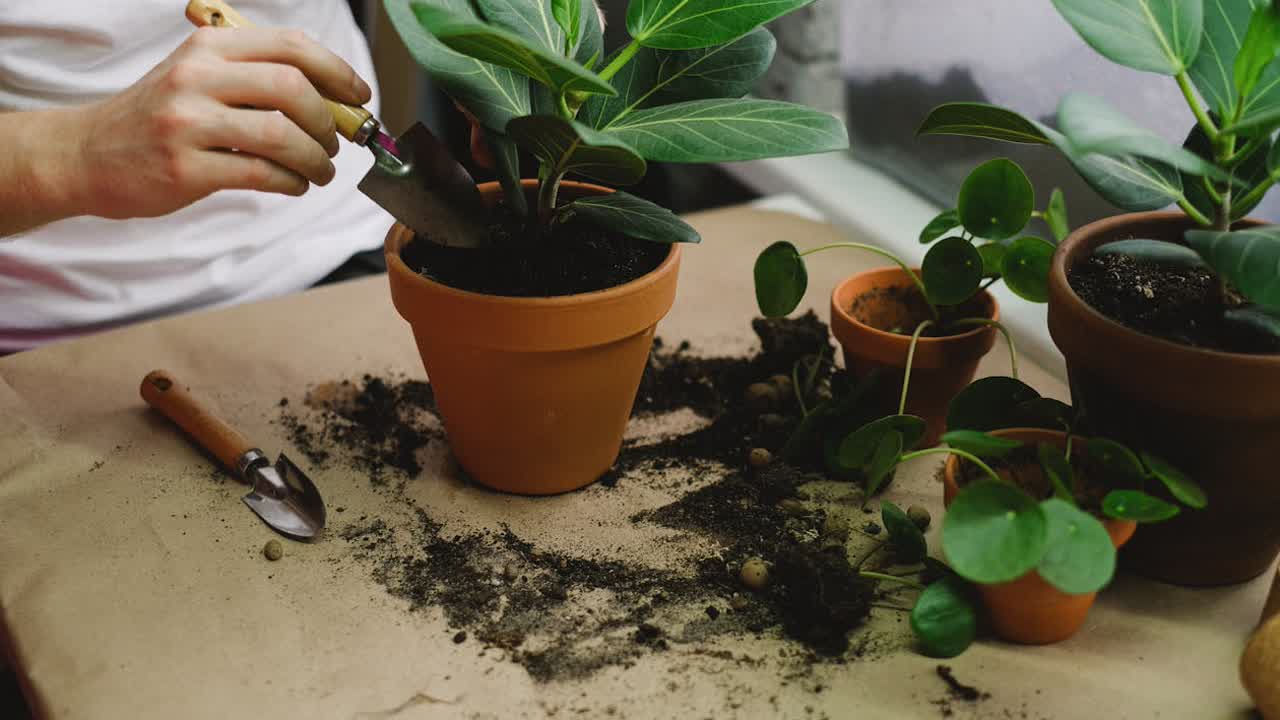
Step by Step: How to Repot Without Wrecking the Plant
Do not overthink this. The steps are simple. The discipline is in not adding extra steps that feel productive but are not.
- Water the plant a day or two before you plan to repot — slightly damp soil holds together better than dry or soaking wet
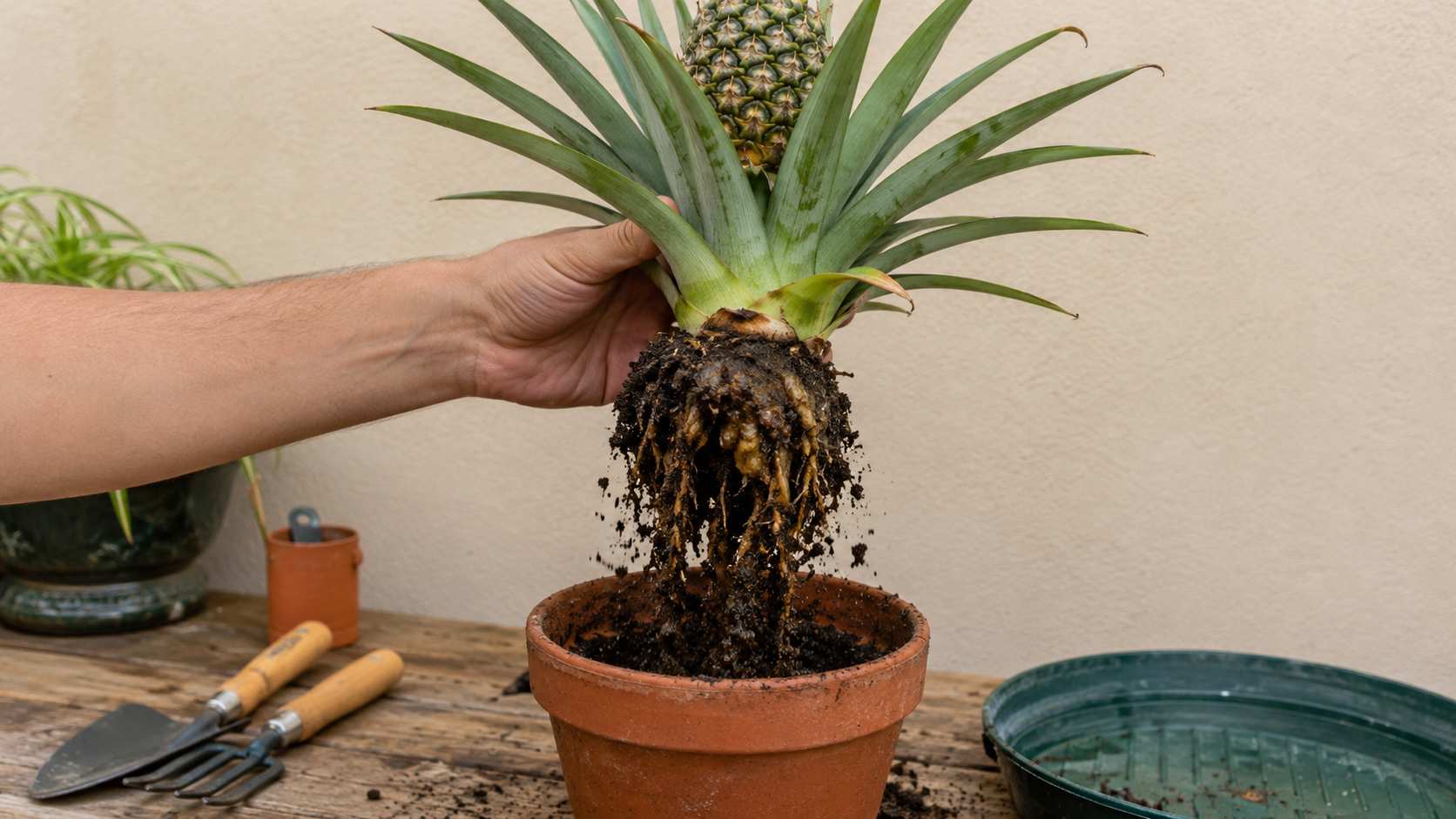
- Remove the plant gently and shake or rub off the outer layer of old soil — you do not need to remove every particle
- Inspect the roots and trim only what is clearly dead, mushy, or rotted — leave healthy roots alone
- Set the plant in the new pot at roughly the same depth it was before — not deeper
- Fill around the root zone with fresh mix, gently firming as you go — do not compact aggressively
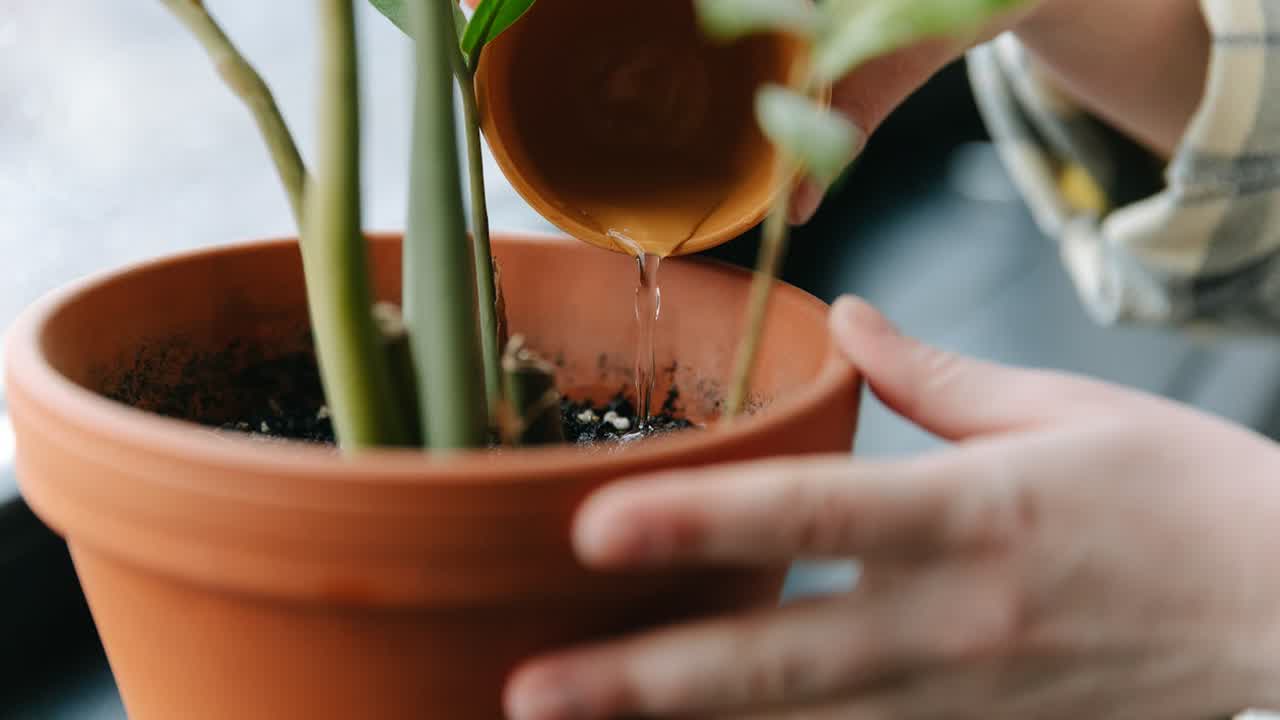
- Water lightly to settle the soil around the roots, then stop — damp, not soaking
- Place in warmth and bright indirect light and leave it alone for at least a week before you water again
What happens next: the plant redirects energy to root establishment before pushing new leaf growth. You will see the center start to firm up before you see obvious new leaves. That is the timeline working correctly.
Post-Repotting Care: The Part Most Guides Skip
After repotting, the instinct is to keep the plant warm, give it extra water, and watch it closely. Resist that.
Light watering only, and not again until the top inch or two of soil is clearly dry. The roots need to reach into the new mix before they can handle normal watering volume. Overwatering immediately after repotting is one of the most common ways to undo the benefits of the whole process.
Keep the plant in stable warmth — 70°F minimum / 21°C — and do not move it around. Consistency matters more than excitement for the first few weeks.
What happens next when you get this right: the recovery window shortens, new root growth happens within two to three weeks, and the plant starts looking like itself again without a long plateau in between.
The Honest Take
Repotting a pineapple plant is not complicated. It is just specific. Watch for real signals, choose the right season, size up by one pot only, and use a mix that actually drains. That is most of what determines whether the plant recovers quickly or slowly.
If you have been repotting on a fixed schedule without seeing those signals first, try waiting next time. The difference in plant response will tell you whether the timing was right.
From Bank Statement to QuickBooks-Ready File
That manual cleanup you just read about? This tool skips it. Turn your PDF into QBO for QuickBooks without storing your data anywhere.