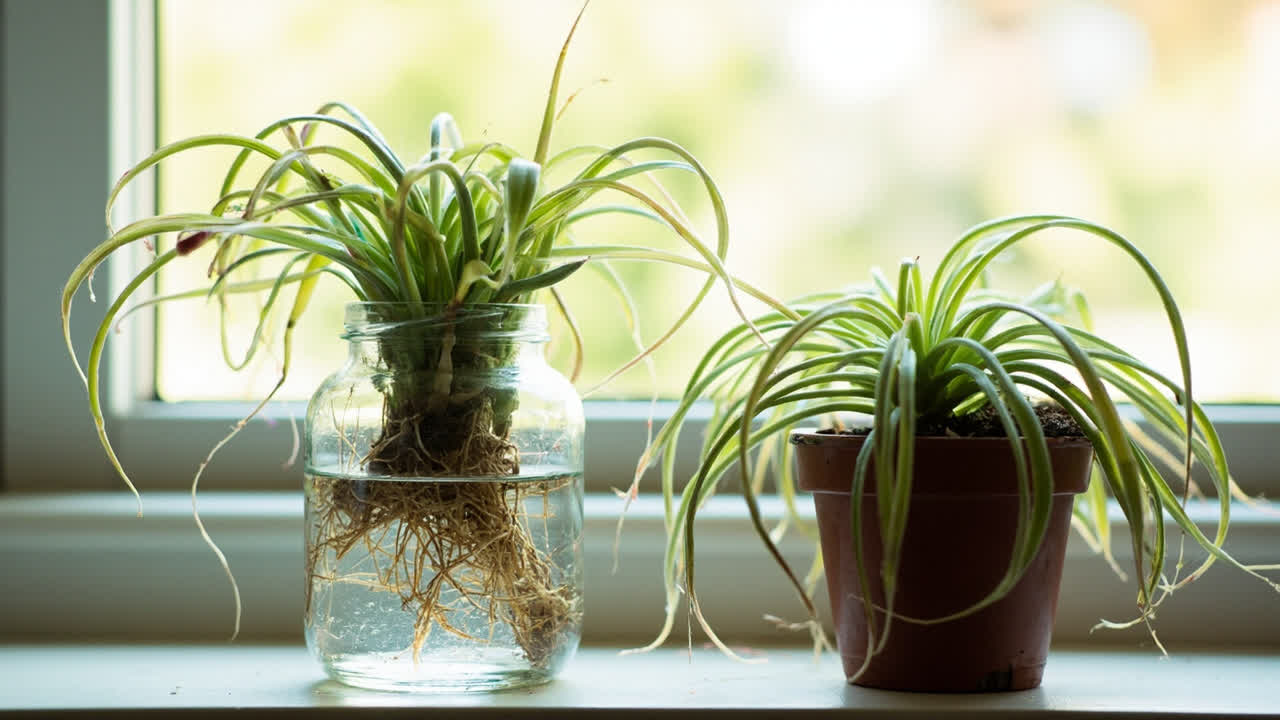
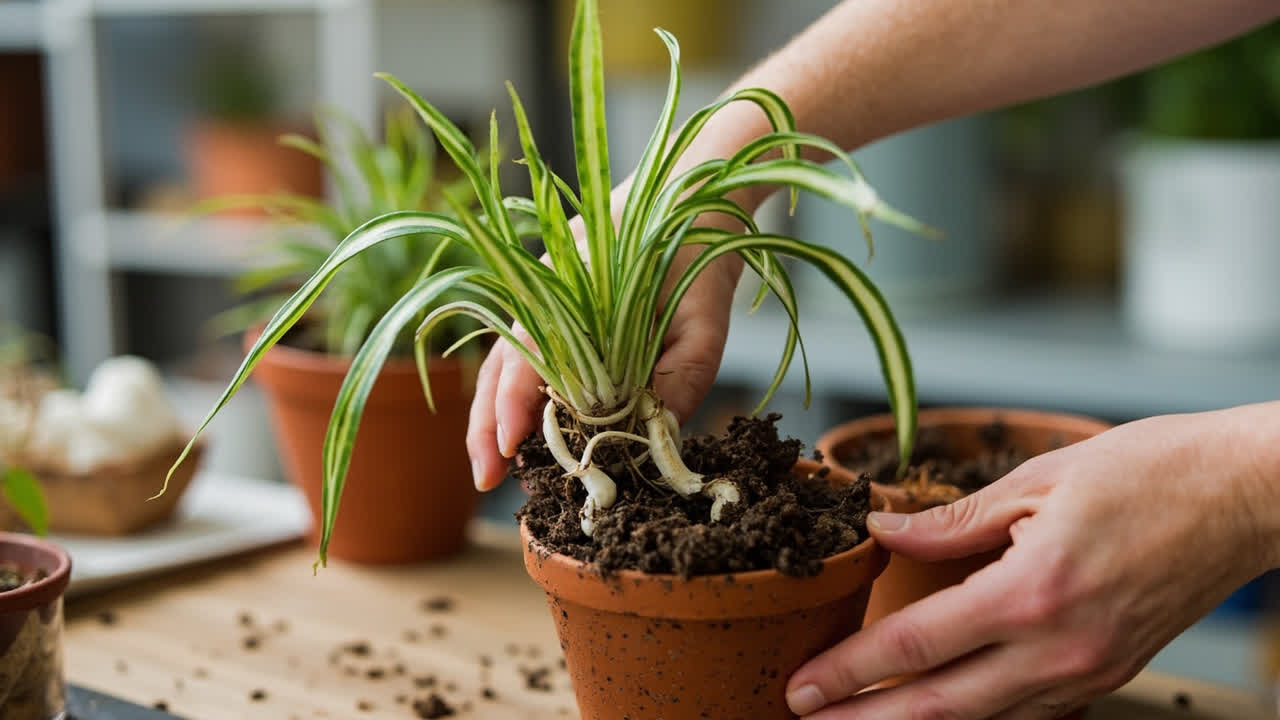
The two most common spider plant varieties — Vittatum and Variegatum — are frequently confused with each other, and the differences matter mostly for aesthetics rather than care. Both are excellent houseplants, both are equally easy to grow, and both produce the classic cascading spiderettes that make spider plants so popular. The choice between them is largely about which look fits your space, but there are a few practical differences worth knowing before you buy.
Visual Differences
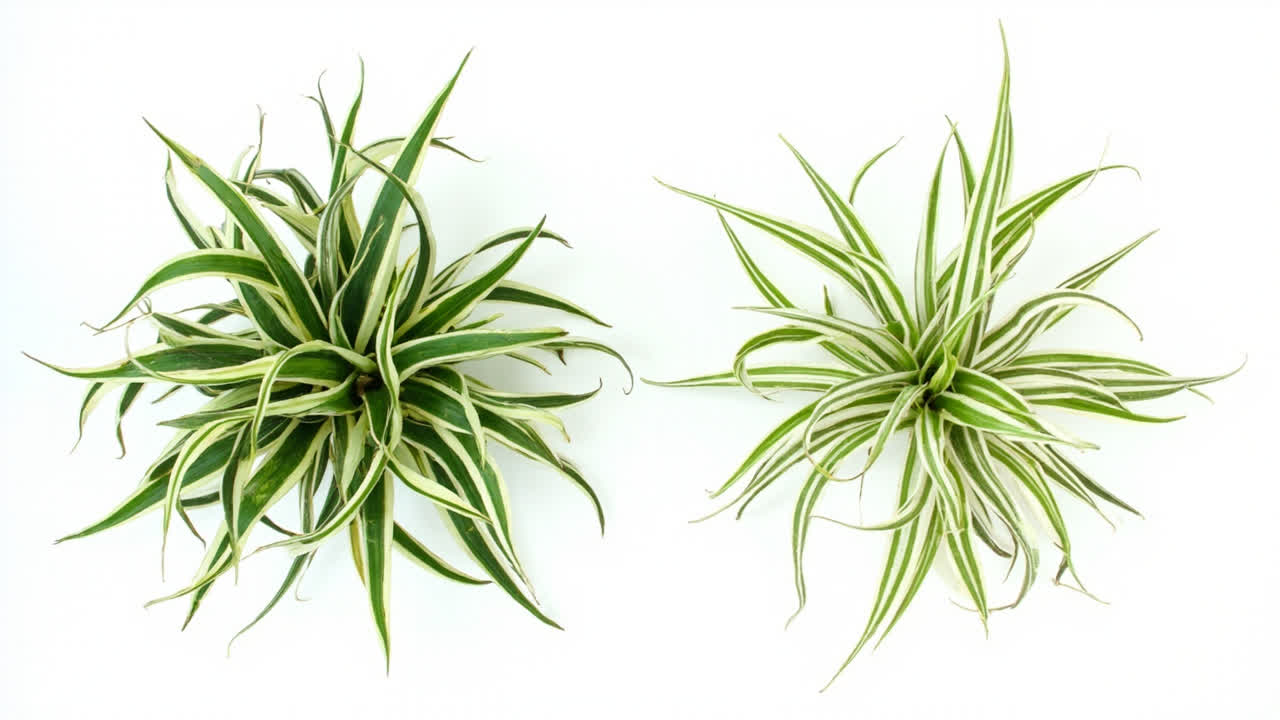
Variegatum has white or cream stripes along the outer margins of each leaf, with dark green running down the centre. The white margins are the dominant visual element — the plant looks darker and more green than it does white from a distance, because the green centre is broad and the white margins are relatively narrow.
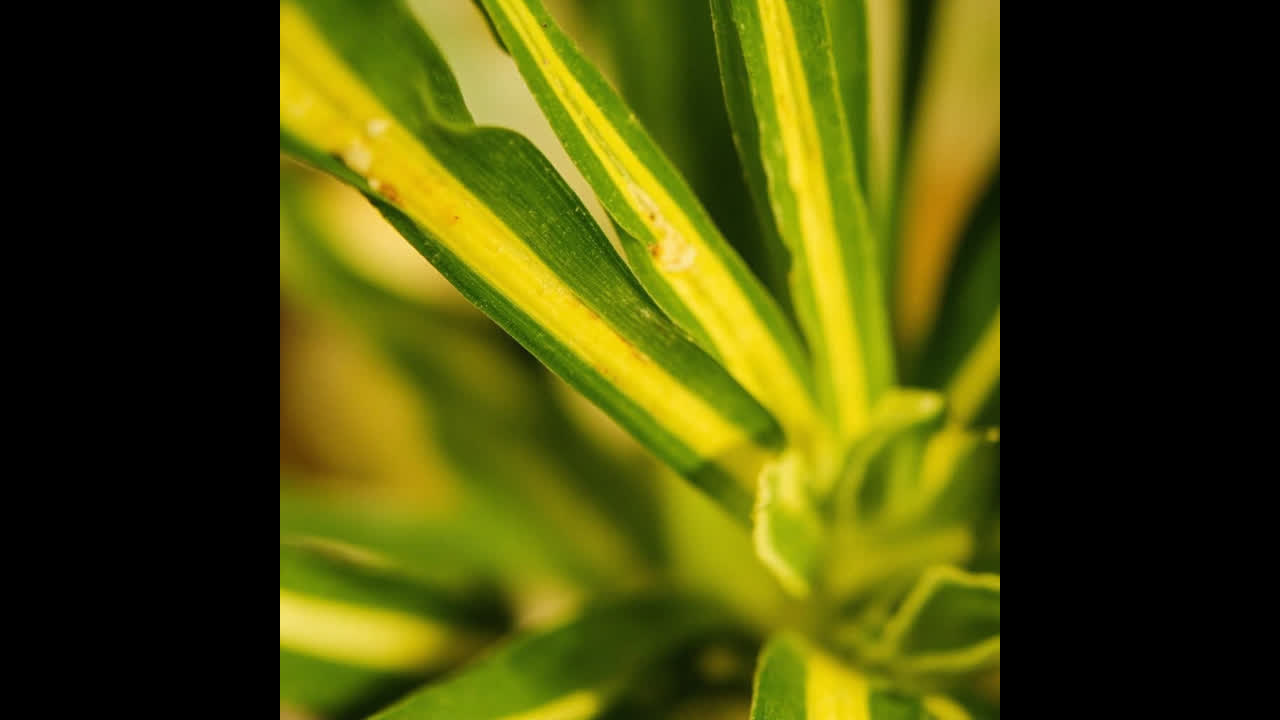
Vittatum has the pattern reversed: a broad white or pale yellow stripe runs down the centre of each leaf, with green margins on either side. The white centre is the dominant visual element, which means Vittatum reads as a lighter, brighter plant than Variegatum. From across a room, a Vittatum looks predominantly white and green; a Variegatum looks predominantly dark green with white edges.
Both have the same arching leaf growth and produce spiderettes on long stems. Neither is more or less attractive than the other — it is a matter of what fits your space. Vittatum’s lighter appearance works well in rooms with darker walls or furnishings. Variegatum’s stronger contrast works well in rooms with lighter backgrounds.
Growth Differences
Vittatum tends to grow slightly larger than Variegatum — leaves can reach 18–24 inches and the plant spreads more widely. This makes Vittatum better suited to larger pots or floor-level display where the full spread is visible. Variegatum stays more moderate in size and is often a better fit for shelves, smaller pots, or hanging planters where the compact growth is an advantage.
Both are vigorous growers when given good conditions. The variegation on Vittatum is slightly more demanding of light — the large areas of white tissue contain less chlorophyll, which means Vittatum photosynthesizes slightly less efficiently than Variegatum in low light. If you’re using tap water, note that spider plants are sensitive to the chlorine and fluoride commonly found in municipal water supplies. In very low light, Vittatum may lose some of its variegation and become more uniformly pale green. Variegatum tolerates low light more gracefully because its green centre provides more photosynthetic tissue.
Care: Same Rules for Both
Both varieties have identical care requirements: bright indirect light, watering when the top inch of soil is dry, fast-draining soil, and filtered or distilled water if your tap water is treated with fluoride or chlorine. Neither is more demanding than the other.
The same sensitivity to overwatering applies to both — root rot does not distinguish between varieties. The same spiderette production can be expected from both once mature, and the same propagation methods work for both.
Which Should You Choose?
Choose Variegatum if you want the classic spider plant look with strong contrast and more green in the foliage. Choose Variegatum if you are placing the plant in lower light conditions, as it tolerates reduced light more gracefully than Vittatum.
Choose Vittatum if you want a brighter, lighter-looking plant that reads well from across a room. Choose Vittatum for larger display positions where its broader leaves and more expansive growth are an advantage rather than a problem.
If you cannot decide, buy both — they look different enough to be distinct and can be displayed together without competing. A mature Variegatum and a mature Vittatum in matching hanging baskets make for a display that is more interesting than either one alone.
What About Bonnie and Curly?
Bonnie and Curly are distinct from both Variegatum and Vittatum because their leaf shape is fundamentally different, not just the variegation pattern. The comparison between Variegatum and Vittatum is about stripe placement; the comparison with Bonnie or Curly is about leaf architecture. Both Bonnie and Curly have the Vittatum-type centre variegation but in a curled or wavy leaf form.
If you are choosing between all four varieties, start with the leaf form you prefer: straight arching leaves (Variegatum or Vittatum) or curly leaves (Bonnie or Curly). Then decide on variegation pattern. The care is the same regardless of which you choose.
Turn PDF Bank Statements Into Workable Spreadsheets
Your bank statement is a mess of numbers, but your books shouldn't be. Use our converter to get Excel, CSV, or QBO files — ready for QuickBooks.
Try It Free Now