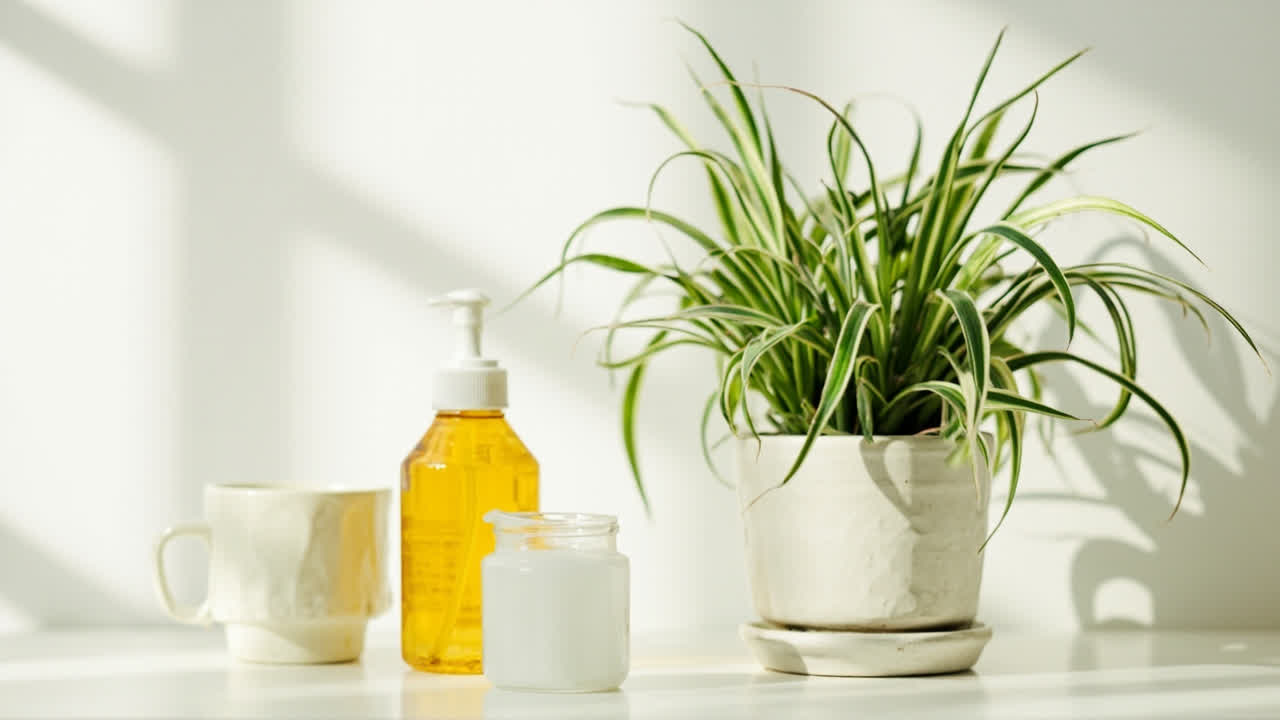
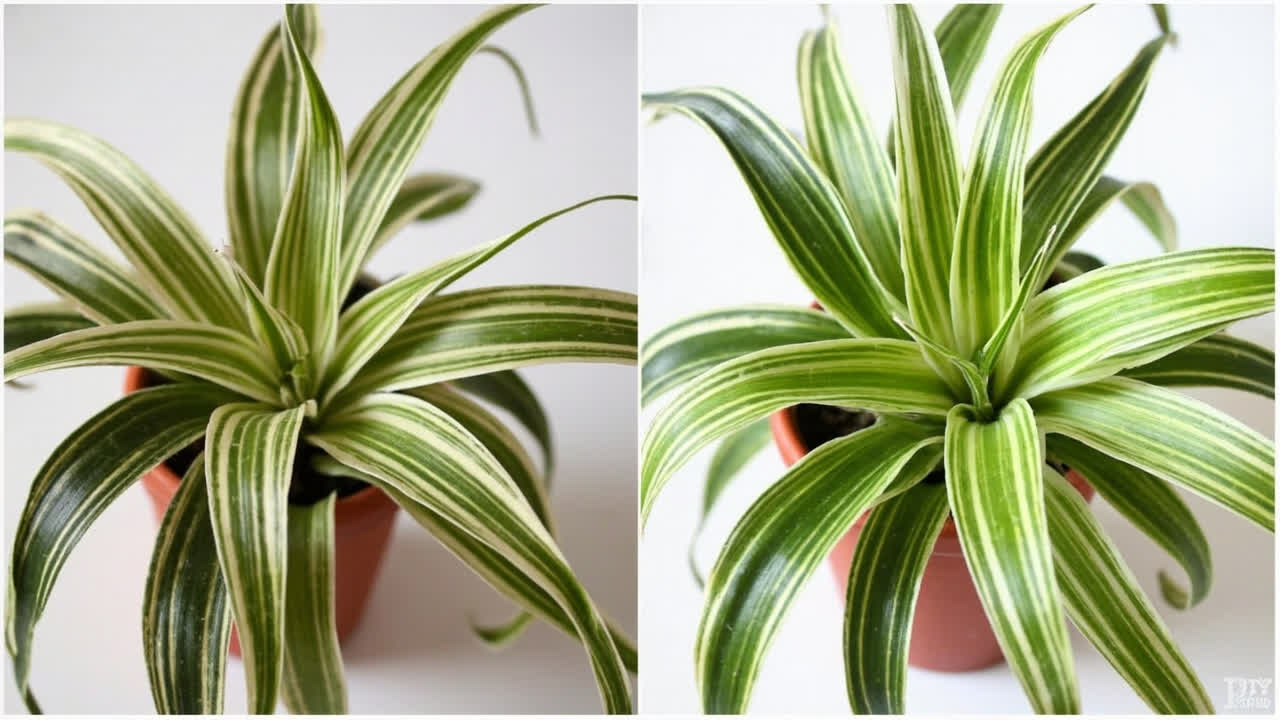
Spider plant variegation — the distinctive white and green pattern on the leaves — is one of the plant’s most attractive features and one of the most reliable indicators of its overall health. When the variegation fades — the white stripes becoming pale green, cream-coloured, or almost yellow — it is the plant telling you something has changed in its environment. The good news is that faded variegation is almost always recoverable on new growth, and understanding what caused it helps you prevent it from recurring.
What Causes Variegation to Fade
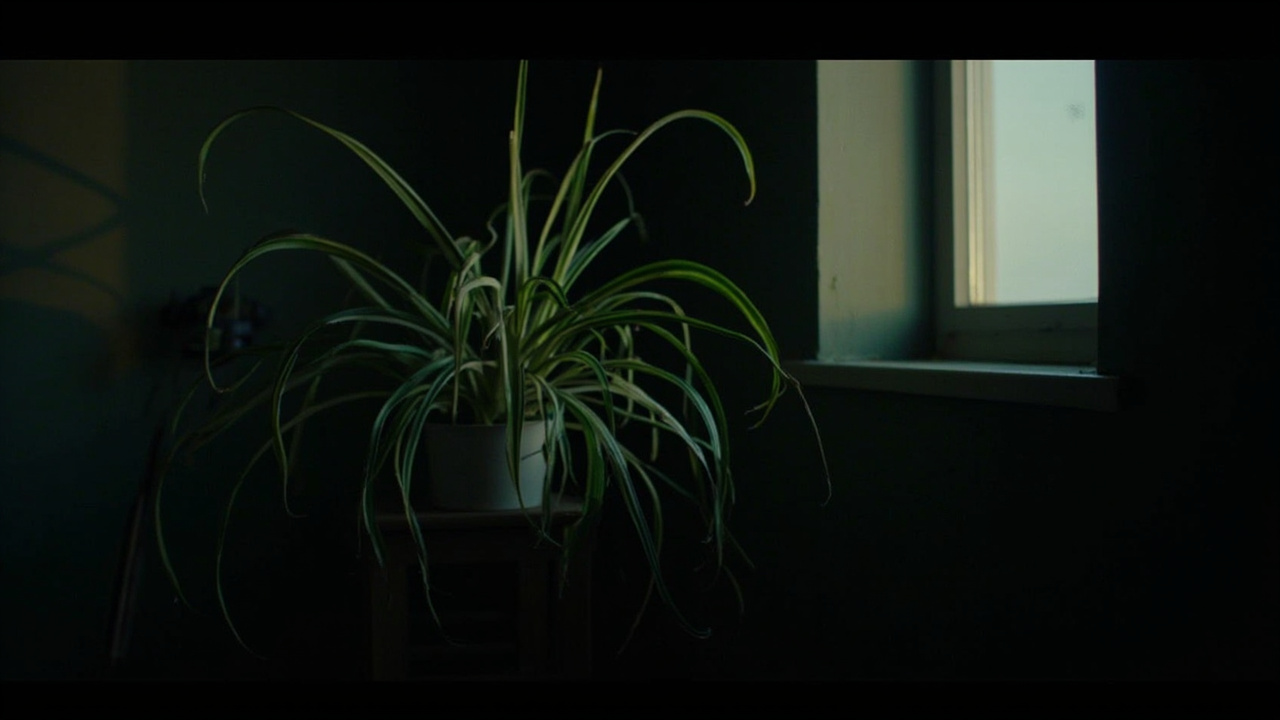
Insufficient light is the most common cause of fading variegation. Spider plant variegation is a mutation that reduces chlorophyll in certain leaf tissues — the white areas have less photosynthetic capacity than the green areas. In low light, the plant prioritizes survival over maintaining decorative variegation. It compensates by producing more chlorophyll in the variegated areas, which reduces the contrast between white and green. The white stripes become pale green or cream, and the plant looks washed out.
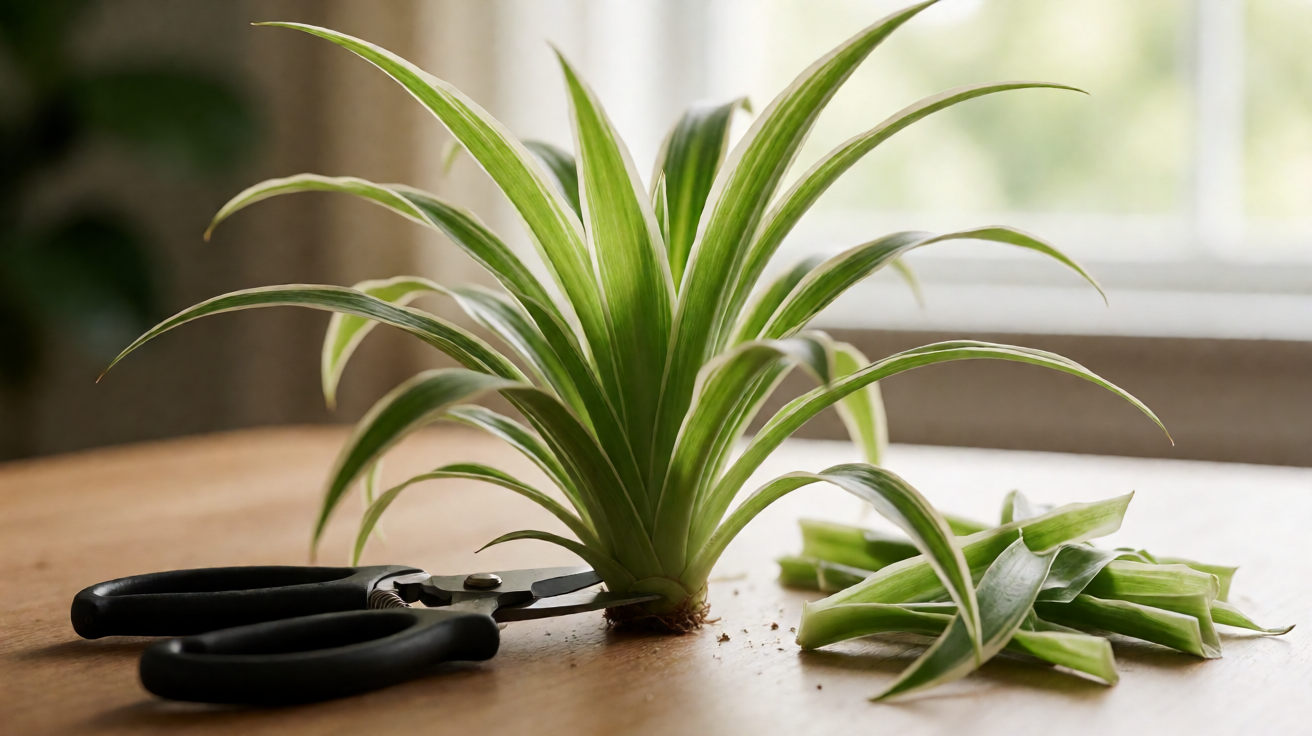
The fix is straightforward: move the plant to a brighter position. East-facing windows are ideal. Within a few weeks of improved light, new leaves will emerge with more distinct variegation. Existing faded leaves will not recover — variegation lost from individual leaves is permanent on those leaves — but the new growth will be properly variegated. You can remove the faded leaves once new growth is visibly strong to improve the plant’s appearance.
Overwatering and root stress can also cause variegation to fade. When a spider plant is struggling with waterlogged soil or a damaged root system, it reduces investment in non-essential tissue — and decorative variegation is non-essential from the plant’s perspective. The green areas continue to function, but the white areas diminish or disappear. Addressing the root problem — correcting watering, treating root rot, or repotting — restores the conditions for normal variegation on new growth.
Nutrient deficiency, particularly nitrogen deficiency, can reduce variegation contrast. This is uncommon in spider plants that are fertilized regularly during the growing season, but a plant that has been in the same soil for several years without feeding may show fading variegation as part of general nutrient depletion. A monthly application of balanced liquid fertilizer at half strength during spring and summer usually resolves this.
Natural Variation and Age
Some variegation variation is natural and expected. New leaves on spider plants often emerge with more intense variegation that slightly fades as the leaf matures and hardens. This is normal — not a problem — and the contrast will remain distinct even if it is slightly less dramatic on mature leaves.
Spiderettes produced by a mature plant may occasionally display different variegation patterns from the parent plant, particularly if the parent is itself a variegated cultivar. This is a natural genetic variation and is not a sign of poor health. The new plant will establish its own stable variegation pattern as it matures.
Preventing Faded Variegation
The single most effective prevention is adequate light. A spider plant in bright, indirect light will maintain its variegation indefinitely. If your space has lower light, accept that the variegation may be less pronounced than it would be in better light, and monitor the plant for progressive fading that would indicate the light is genuinely too low rather than just moderate.
Consistent, correct watering also matters. A spider plant that is overwatered and root-stressed is not a plant that maintains crisp variegation. Saving a dying spider plant starts with correcting the root cause — then water when the top inch of soil is dry, use fast-draining soil, and make sure the pot has drainage holes. This keeps the root system healthy and the plant in a state where it can invest in maintaining its ornamental features.
Monthly fertilizing during the growing season at half strength prevents nutrient depletion that can affect variegation. See our guide to fertilizing spider plants for the full schedule and technique.
The Bottom Line on Variegation
Faded variegation is almost always a light or stress issue, not a fundamental problem with the plant. Fix the light, correct the watering, address any root problems, and the new growth will come in with proper variegation. The faded leaves are permanent and can be removed once the plant is producing healthy new growth. A spider plant in the right position, watered correctly, and fed lightly during the growing season will maintain its variegation indefinitely.
From PDF to Excel in one click
Forget retyping line by line. Upload any bank statement, get a spreadsheet you can actually use. Your files are never stored, and you can test the converter with 3 free conversions.
Try it free