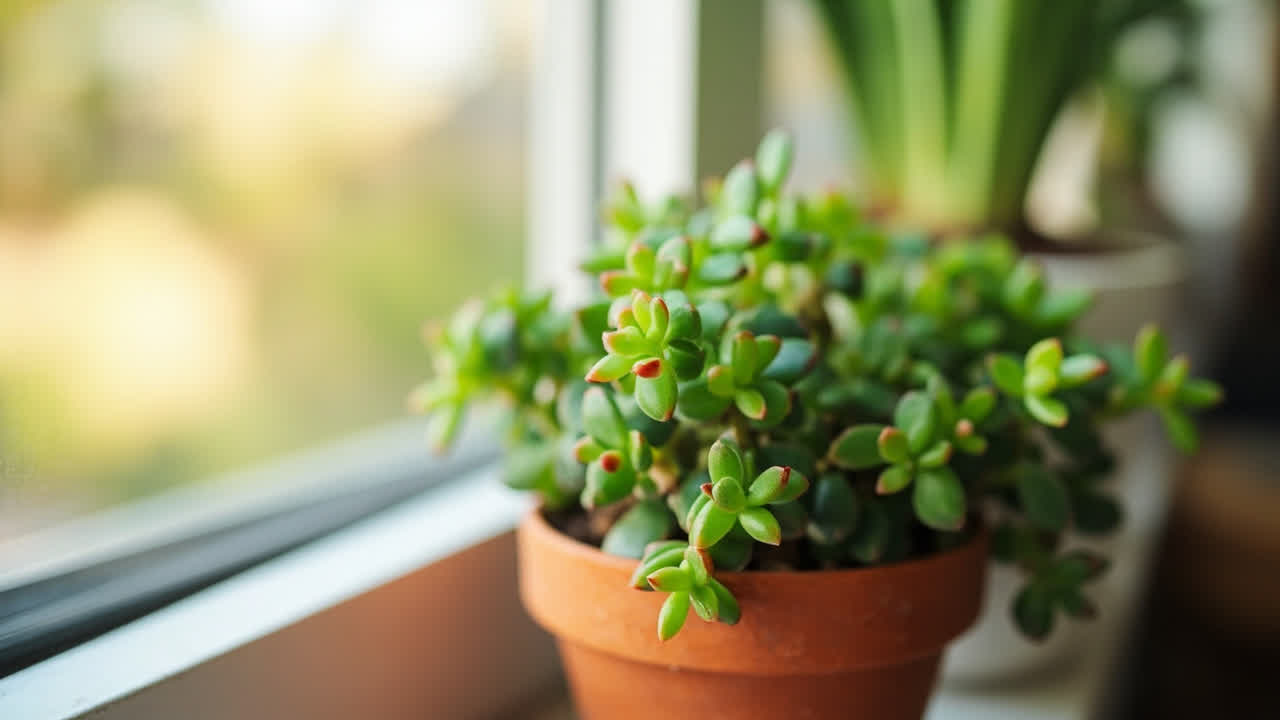
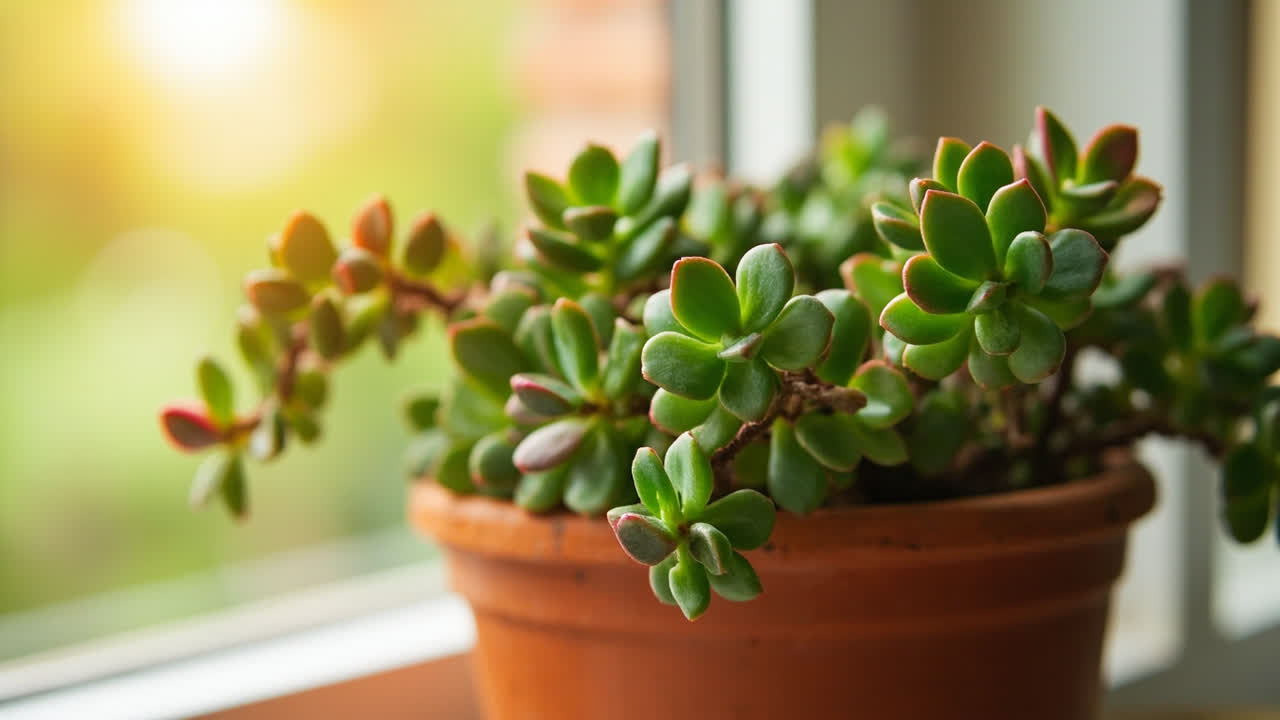
Jade plant propagates with remarkable ease. Whether you use stem cuttings or leaf cuttings, the process requires minimal equipment, no special skills, and produces new plants that are genetically identical to the parent. If you have a mature jade plant, you already have everything you need to grow as many new jade plants as you want — at no cost.
This guide covers both methods in full, with step-by-step instructions for stem cuttings (faster, more reliable) and leaf cuttings (slower but requires no equipment beyond a single healthy leaf).
When to Propagate Jade Plant
The jade plant care guide covers the complete growing context for parent plant health.
Spring and early summer are the best seasons for jade plant propagation. The plant is in active growth, temperatures are warm, and cuttings root more quickly — typically two to four weeks for stem cuttings and four to six weeks for leaf cuttings.
That said, jade plant cuttings can root at any time of year if kept in a warm, bright location. The process is just slower in winter when the plant’s metabolism slows. Autumn propagation works but expect roots to take longer to develop.
Method 1 : Stem Cuttings (Recommended)
Stem cuttings are the fastest and most reliable way to propagate jade plant. They produce a recognizable small plant faster than leaf cuttings and have a higher success rate, particularly for beginners.
Step 1 : Gather Your Tools
You need: a clean, sharp scissors or pruning snips, a small pot (three to four inches in diameter), well-draining succulent and cactus mix, and optionally, rooting hormone powder. Rooting hormone is not strictly necessary for jade plant — it roots reliably without it — but it does reduce the risk of rot during the callousing period and can speed root development slightly.
Step 2 : Take the Cutting
Select a healthy stem at least three to four inches long. It should be firm, green, and free of any signs of disease or pest damage. Using sharp, clean scissors, cut just below a leaf node — the point where a leaf attaches to the stem. New roots will grow from the cut end and from the nodes below the soil line.
Any part of the stem that looks woody or overly mature will root more slowly. Aim for a semi-mature stem — it has some thickness and has not yet become completely woody. If you are pruning an existing jade plant anyway, use the healthy cuttings you remove during pruning. This makes propagation effectively free.
Step 3 : Let the Cutting Callous
This step is critical. Do not plant the cutting immediately after cutting. Fresh cut surfaces exposed to moist soil are an open invitation to rot. Set the cutting aside in a warm, dry location away from direct sunlight and let the cut end dry out completely and form a callous — a dry, whitish seal over the wound.
Callousing typically takes two to three days. Larger cuttings may need four to five days. The cutting is ready when the cut end looks leathery and dry, not moist or oozing.
Step 4 : Plant the Cutting
Fill a small pot with succulent and cactus mix — dampen it lightly so it is moist but not wet. Make a small hole in the center of the soil with your finger or a pencil. Insert the calloused end of the cutting into the soil to a depth of about one to two inches. Press the soil gently around the stem so it stands upright on its own.
Do not water immediately. Wait a week, then water lightly — just enough to moisten the top inch of soil. After that, water only when the soil is completely dry. Overwatering before roots have formed is the most common reason propagation fails.
Step 5 : Wait for Roots
Stem cuttings typically develop roots in two to four weeks in spring and summer. You will know roots have formed when you feel resistance when you gently tug on the cutting — it stays in place rather than lifting out of the soil. New growth at the top of the cutting, usually tiny leaves emerging from the growing tip, also signals that roots have formed.
Once the cutting is established and showing new growth, treat it as a mature jade plant: bright light, thorough watering when the soil is dry, and well-draining soil.
Method 2 : Leaf Cuttings
Leaf propagation takes longer but requires no cutting — just a single healthy leaf. It is a good option for propagating from leaves that fall off naturally or from leaves that break off during handling.
Step 1 : Select a Healthy Leaf
Choose a leaf that is plump, firm, and fully mature. Pale, thin, or damaged leaves will not propagate successfully. The leaf should detach cleanly from the stem — if it tears or breaks leaving part of the leaf tissue on the stem, it will not root.
Twist the leaf gently off the stem with a sideways motion. The goal is to detach the entire leaf, including the base where it attaches to the stem — this is where root growth will originate.
Step 2 : Callous the Leaf
Set the leaf on a dry surface in a warm location away from direct sunlight. Let it dry for two to three days until the cut surface callouses over. Do not skip this step — a leaf placed directly on moist soil before callousing will rot.
Step 3 : Position on Soil
Fill a small tray or shallow pot with succulent and cactus mix. Lay the leaf on top of the soil with the calloused end resting against the soil surface. Do not bury the leaf — simply rest it on the soil. The base of the leaf needs contact with the soil to root, but the leaf itself should not be covered.
Step 4 : Wait
Keep the soil lightly moist (not wet) and place in bright indirect light. Within four to six weeks, tiny roots will begin to grow from the base of the leaf. A small rosette — a miniature jade plant — will form at the base. This is the new plant.
Once the new plant has developed its own roots and is growing independently, the original leaf will wither and dry up — this is normal. At that point, the baby plant can be treated as a standalone jade plant.
Common Propagation Problems
Cutting rots before rooting: Usually caused by watering too soon after planting or by not letting the cut surface callous properly. The fix is to start over with a fresh cutting, callous it thoroughly, and water much less during the rooting period.
Leaf cutting shrivels completely: This happens when the leaf runs out of stored moisture before roots develop. It can occur if the leaf is too thin or was already stressed when removed. Prevention: choose plump, healthy leaves from actively growing parts of the plant.
No roots after six weeks: The cutting may not have had enough warmth or humidity, or the leaf may not have been positioned with sufficient contact against the soil. Move the cutting to a warmer location with brighter light (but still no direct afternoon sun), ensure the base is making solid contact with the soil surface, and be patient — some cuttings simply take longer.
Cutting grows but roots do not form: Sometimes a cutting will push out new leaves without rooting — the plant is living on stored energy but not establishing itself. If you see new top growth but no root development after six weeks, gently remove the cutting, check the base, re-callous it if it looks healthy, and try again in fresh dry soil.
Watering During Propagation
Less is more. The cutting has no roots to absorb water — what it needs is enough moisture in the surrounding soil to encourage root growth without causing rot. Water sparingly: light misting of the soil surface every few days is usually sufficient in warm months. In winter, misting once a week may be enough.
When in doubt, err on the dry side. A cutting that is slightly underwatered will survive and eventually root. A cutting that is overwatered will rot and die.
What to Do After Roots Form
Once your cutting has established roots and is showing new growth, treat it like a mature jade plant. Move it to its permanent pot with well-draining succulent mix, place it in bright indirect light (gradually introducing it to more sun over two weeks), and water thoroughly when the soil is completely dry.
Do not fertilize until the plant has been in its permanent pot for at least two months — the fresh soil provides enough nutrients initially.
The Simplest Way to Multiply Your Jade Plant
Every time you prune your jade plant for any reason — to shape it, remove dead growth, or control size — save the healthy cuttings. Let them callous for two to three days, then plant them. Within a month or two you have new plants. There is no easier or more cost-effective way to build a collection of jade plants, share them with friends, or expand the plants you already have.
Propagation is not a separate project — it is a natural byproduct of jade plant care. Every pruning session is also a propagation opportunity. Once you have the habit of saving cuttings, your collection grows almost without effort.
From Bank Statement to QuickBooks-Ready File
That manual cleanup you just read about? This tool skips it. Turn your PDF into QBO for QuickBooks without storing your data anywhere.
Start Converting