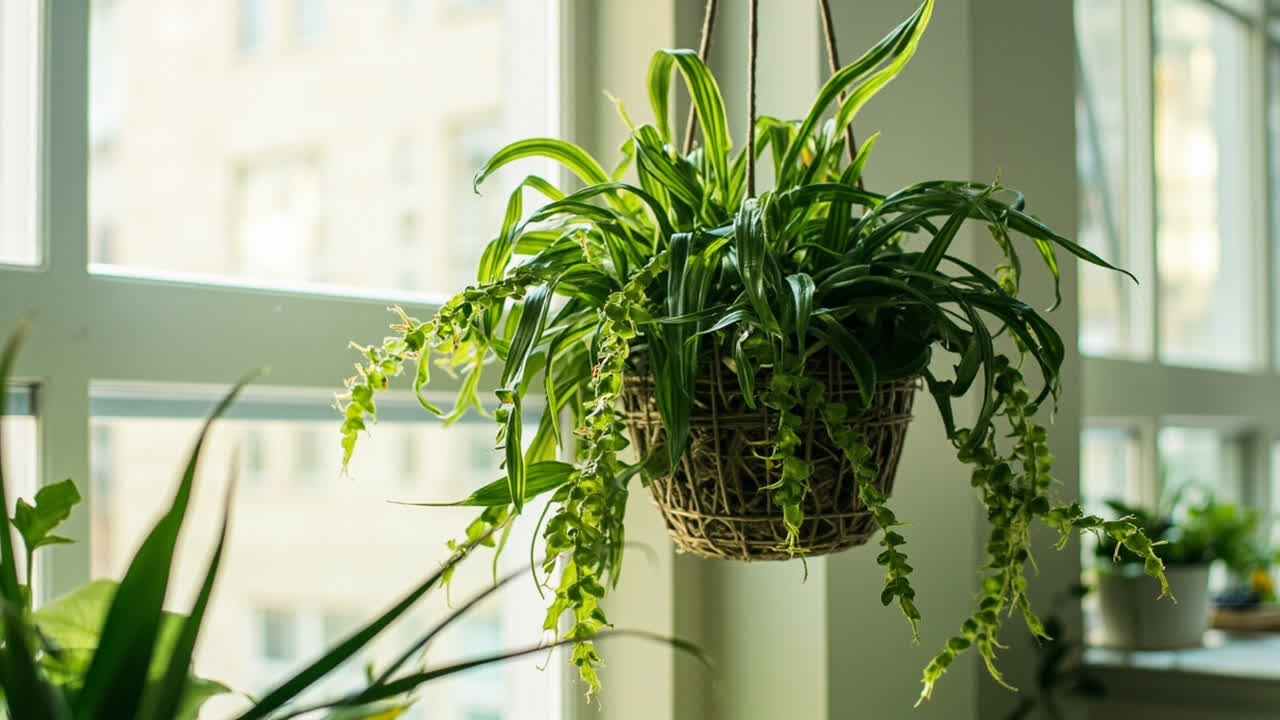
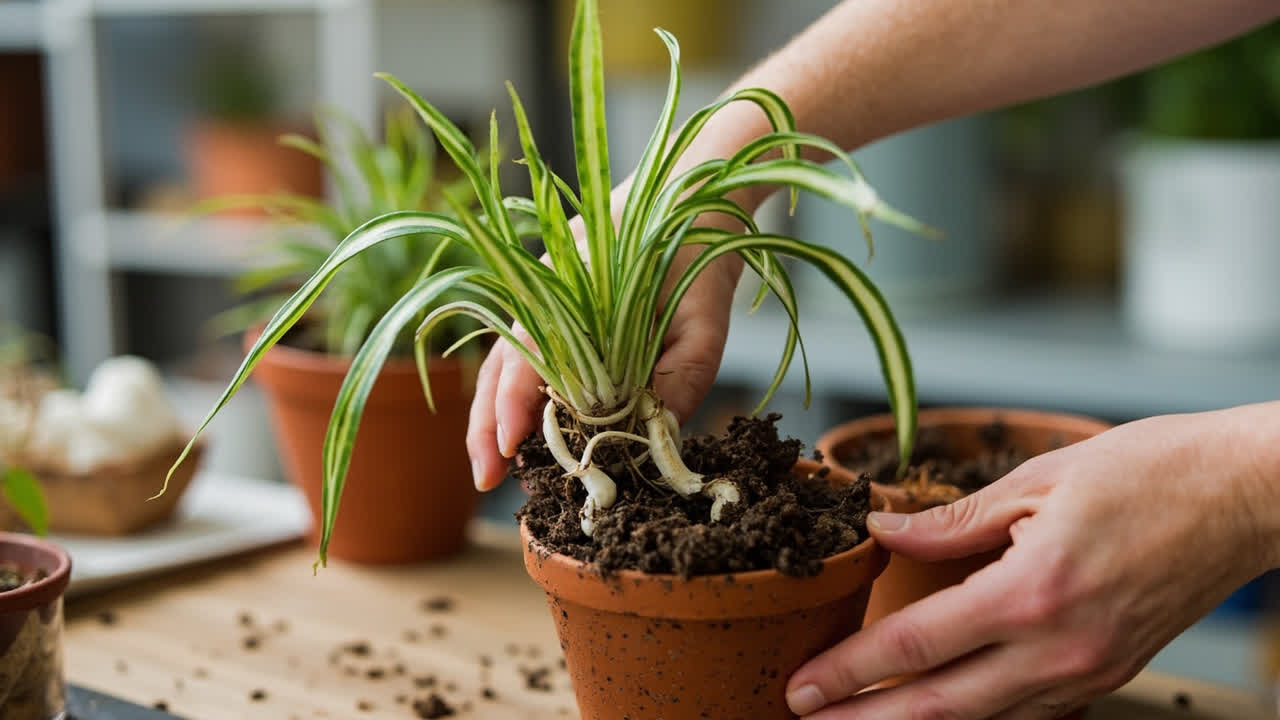
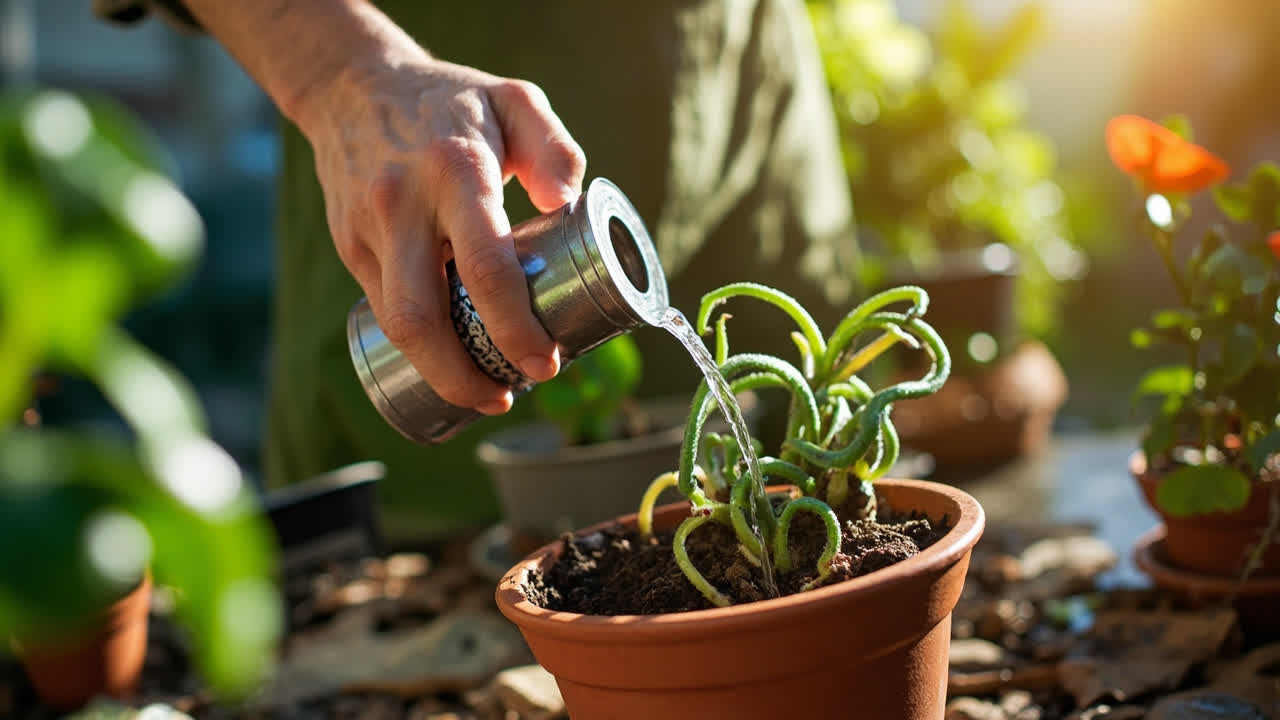
Filtered water is not a luxury for spider plants — it is a practical necessity. Fluoridated tap water causes the brown leaf tips that make spider plants look unhealthy and neglected, even when the plant is otherwise well cared for. Switching to filtered water is the single most effective change you can make for an existing spider plant.
Why Standard Filters Work
The chemicals in tap water that harm spider plants are fluoride and chlorine. Chlorine evaporates from standing water within 24 hours — the common advice to leave tap water out overnight addresses chlorine. Fluoride does not evaporate and must be physically removed by filtration.
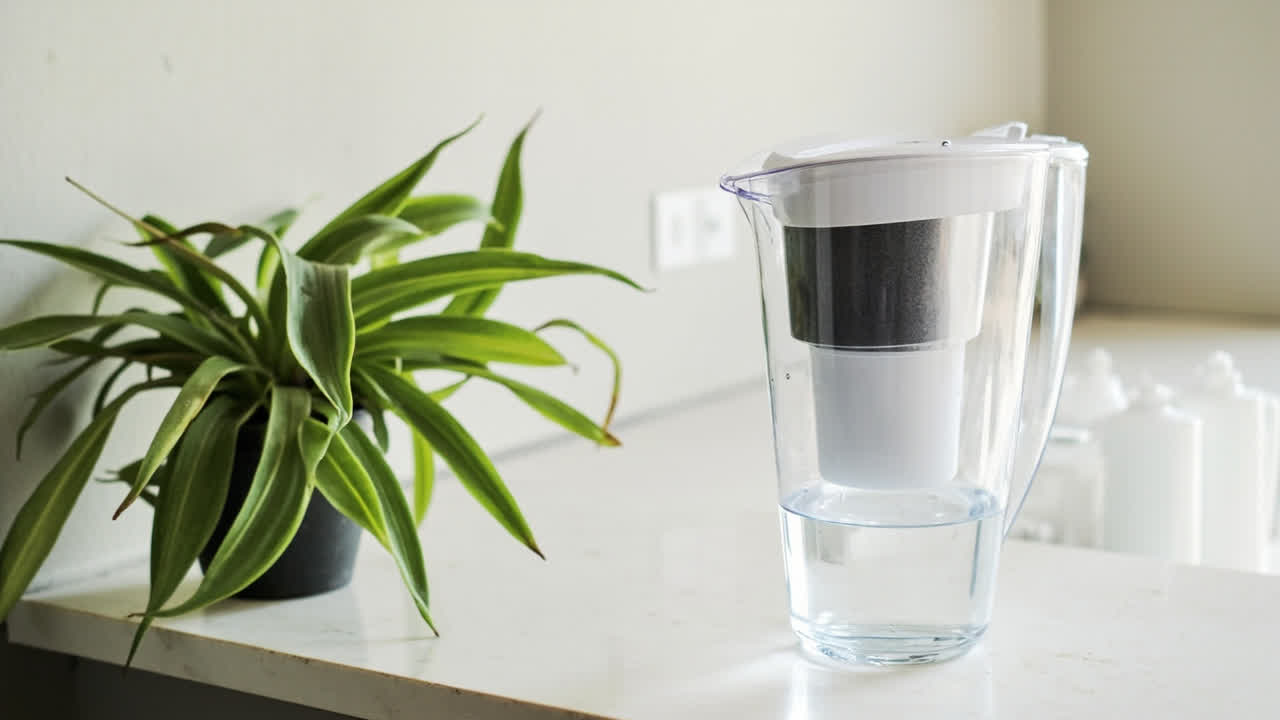
Standard activated carbon water filters — the kind used in most countertop water filter systems, pitcher filters, and refrigerator water dispensers — remove fluoride and chlorine effectively. The activated carbon media binds to both chemicals and removes them from the water. A standard water filter is sufficient; there is no need for reverse osmosis or specialized fluoride filters unless your water is heavily fluoridated beyond normal municipal levels.
Reverse osmosis systems remove fluoride completely along with other minerals, producing water that is pure but lacks the trace minerals that spider plants benefit from. Using only RO water for months can cause minor nutrient deficiencies. Standard filtered tap water removes the harmful chemicals while retaining some beneficial trace minerals, making it the ideal choice for spider plants.
Practical Filter Options
Countertop gravity filters — such as systems using activated carbon block cartridges — are effective and require no plumbing modification. They sit on the counter and filter water as you pour it through.
Pitcher filters with activated carbon cartridges are the most affordable option. Fill the pitcher, wait for it to filter, and use the filtered water for your spider plants. The main limitation is volume — a pitcher filter is slow and produces limited filtered water at a time.
Refrigerator water filters — if your refrigerator has a water dispenser with a filter — produce filtered water on demand. This is the most convenient option if your spider plants are near your kitchen, as you can fill a watering can directly from the dispenser.
Faucet-mounted filters are another option — they attach to the tap and filter water as you run it. These produce filtered water on demand at higher volume than pitchers and are relatively inexpensive.
Using Filtered Water Correctly
The key to using filtered water effectively is consistency. Spider plants accumulate fluoride over time — the damage is cumulative. A week of filtered water followed by a month of tap water will not undo the damage from the tap water period. Overwatering combined with poor water quality can also lead to root rot in spider plants, compounding the problem. Once you switch to filtered water, maintain it consistently. The existing brown tips will not heal, but the new growth will come in clean, and over several months the plant will look progressively better as damaged leaves are replaced.
Do not alternate between filtered and tap water. Use filtered water every time you water the spider plant.
What About Rainwater?
Rainwater is an excellent alternative to filtered tap water if you can collect it cleanly. It is naturally soft, fluoride- and chlorine-free, and contains trace nutrients from the atmosphere. Collect rainwater in a clean container and use it within a few days. Do not collect from roof surfaces that may be treated with chemicals or that accumulate debris.
Distilled water is safe but lacks trace minerals, as noted above. If using distilled water, consider adding a very small amount of balanced liquid fertilizer at half strength occasionally to compensate for the lack of minerals in the water. Our guide to fertilizing spider plants covers the full routine.
The Practical Routine
For spider plants, keep a container of filtered water next to your watering station — a jug or pitcher that you fill from your filter and use for spider plant watering. This takes seconds to prepare and eliminates the water quality problem entirely. Most spider plant owners who switch to filtered water notice a visible improvement in their plants within four to six weeks as new clean growth emerges. For a complete overview of keeping spider plants healthy, refer to our spider plant care guide.
From Bank Statement to QuickBooks-Ready File
That manual cleanup you just read about? This tool skips it. Turn your PDF into QBO for QuickBooks without storing your data anywhere.
Start Converting