Jade plants are one of the most problem-resistant houseplants, but they are not problem-proof. When issues arise, they almost always trace back to one of two causes — overwatering or insufficient light. Everything else is minor by comparison. Once you understand what to look for and how to respond, keeping a jade plant healthy becomes almost automatic.
Overwatering : The Leading Cause of Jade Plant Death
More jade plants die from overwatering than any other cause — our watering requirements guide has the prevention system., often before the owner recognizes there is a problem. The plant looks healthy for a while even as root rot develops below the surface. By the time visible symptoms appear, the damage is already significant.
Early signs of overwatering: leaves that feel soft rather than firm when pressed, yellowing leaves starting at the base of the plant, and soil that stays visibly wet for more than a week after watering. At this stage, stopping watering and letting the soil dry completely can stop the damage from progressing.
Advanced root rot: the stem base turns black and feels mushy, leaves drop easily with a gentle touch, and the plant may develop a musty smell from the pot. At this stage, saving the plant requires cutting away all rotted tissue, letting the remaining portion callous, and rooting it as a new plant from scratch. Root rot cannot be reversed — only managed by removing damaged tissue.
The fix for overwatering is always the same: stop watering immediately, let the soil dry completely, and only resume watering when the soil tests dry two inches below the surface. Prevention is the only real solution — proper fast-draining soil, a pot with a drainage hole, and watering only when the soil is completely dry.
Underwatering : Recognizable and Reversible
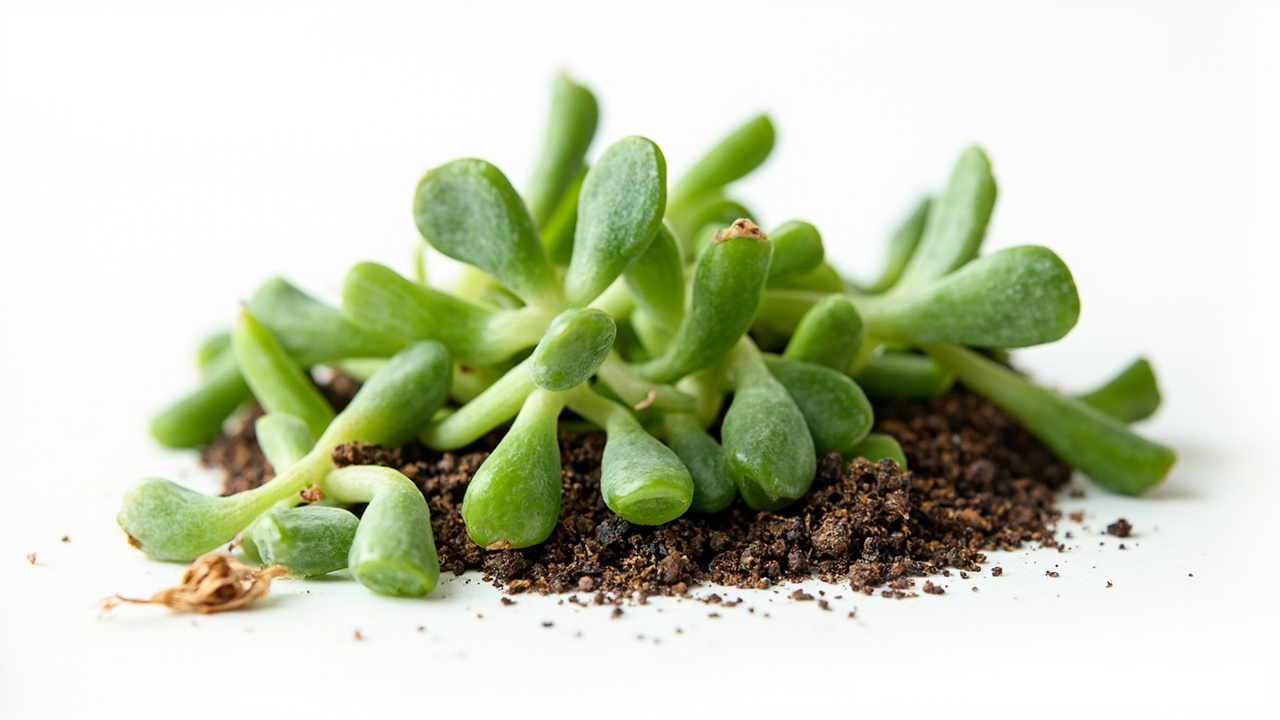
Underwatering is easier to identify and easier to fix than overwatering. A jade plant that is underwatered has wrinkled, shriveled leaves that look deflated. The leaves feel thin and papery rather than thick and firm. The plant may drop leaves but typically only after prolonged, severe dehydration.
The fix is straightforward: water thoroughly until water flows from the drainage hole, then let the plant drain fully. Recovery is usually rapid — within a few days to a week, the leaves firm up as the plant restores its water reserves. Unlike overwatering damage, which affects the root system structurally, underwatering stress is resolved quickly with no lasting damage to healthy roots.
Chronically underwatered jade plants grow more slowly and may develop brown, crispy leaf tips from low humidity combined with dry soil. Increase watering frequency slightly and the plant returns to normal growth.
Leaf Drop : Diagnosing the Cause
Jade plants drop leaves for several reasons, each with a different solution:
Overwatering leaf drop: leaves turn yellow, feel soft, then drop. The soil is wet and the plant has been overwatered. Stop watering, let the soil dry, and do not water again until the soil tests completely dry.
Underwatering leaf drop: leaves look deflated and wrinkled before dropping. The soil is bone dry. Water thoroughly and establish a proper watering schedule based on soil dryness rather than a calendar.
Cold shock leaf drop: jade plants exposed to temperatures below fifty degrees for sustained periods drop leaves. Moving a plant from a warm indoor location to a cold windowsill in winter commonly triggers this. Keep jade plants away from cold glass and drafts in winter.
Natural leaf aging: jade plants occasionally drop older leaves at the base of stems as part of their normal growth cycle. This is normal — the leaf ages out, yellows briefly, then drops. The remaining leaves look and feel healthy. This is not a problem and requires no action.
Etiolation : Stretched Growth from Low Light
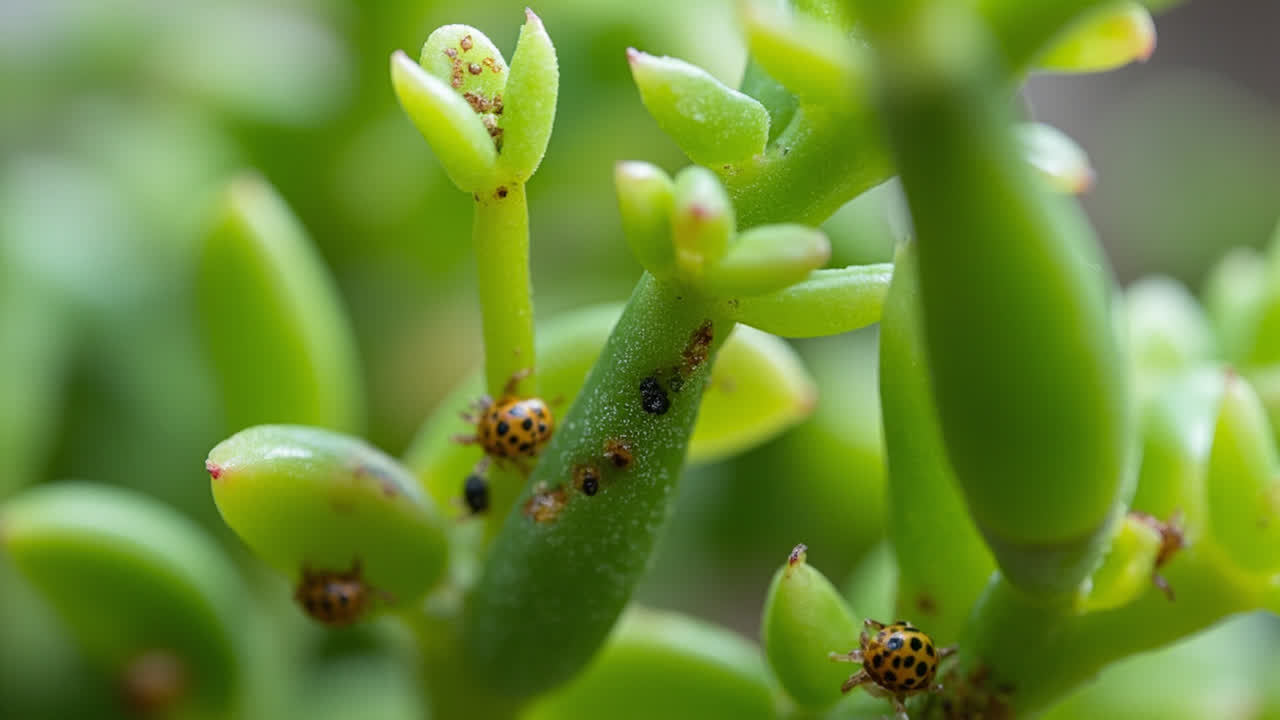
Etiolation is the jade plant’s response to insufficient light. The stem grows long and thin between leaf nodes, leaves grow smaller and paler, and the overall structure becomes leggy and weak rather than compact and tree-like. The plant is reaching toward whatever light is available.
The fix is to move the jade plant to a brighter location — ideally a south or west-facing window with several hours of direct sun. New growth will come in more compact and properly structured. Existing etiolated growth does not reverse, but it can be pruned back once the plant is in better light. Pruned stems root easily, so you lose nothing by cutting back.
Prevention is simple: give the jade plant enough light from the start. Four to six hours of bright light daily, including some direct sun, prevents etiolation entirely. If you cannot provide adequate natural light, a grow light is an effective substitute.
Leaf Scorch : Brown Patches from Too Much Direct Sun
Ironically, both too little and too much light cause brown patches, but they look different. Scorch patches are dry, crispy, and brown from the start, appearing on leaves that were previously healthy. The plant was moved too quickly from shade into direct sun without gradual acclimation.
Scorched leaves cannot heal. Remove them if they are severely damaged, or leave them if the damage is minor — the plant will eventually shed them naturally. To prevent further scorch, move the plant to a less intense light position and increase sun exposure gradually over two to three weeks.
Morning sun is gentler than afternoon sun. East-facing windows are less likely to cause scorch than west or south-facing windows, particularly in summer when the sun is most intense.
Brown Leaf Tips
Brown leaf tips on jade plant have several causes:
Low humidity: jade plants tolerate average household humidity fine, but very dry air — common in homes with heating in winter — can dry out leaf tips. This is cosmetic and rarely serious. Increase humidity slightly by placing the pot on a tray of pebbles with water, or simply move the plant away from heating vents.
Salt buildup from over-fertilizing: excess fertilizer salts accumulate in the soil and draw moisture out of the leaf tips, causing them to brown. The fix is to flush the soil thoroughly with plain water — run water through the pot until it flows from the drainage hole, let it drain, then repeat once. Reduce fertilizing to half the recommended frequency.
Underwatering: chronic underwatering produces the same crispy brown tips as low humidity. Check the soil and water more frequently.
Stem Softening and Rot
A jade plant stem that feels soft anywhere above the soil line indicates rot that has spread from the roots up the plant. This is serious. If the soft area is at the base — the root crown — the plant may still be savable if you catch it early.
To save a jade plant with base rot: remove it from the pot, shake off all soil, and examine the roots and stem. With sterile scissors, cut away all black, mushy, or foul-smelling tissue. Cut until you reach clean, firm, greenish-white tissue with no discoloration. Let the plant sit uncovered in a dry, warm location for two to three days to callous the cut surfaces. Then plant in fresh, completely dry cactus mix in a clean pot with drainage. Do not water for at least a week, then water sparingly and only when the soil is bone dry.
If the rot has spread through most of the stem and only the top is still firm, cut off the healthy top portion, let it callous, and root it as a new plant. The original plant is lost, but the cutting grows into a new jade plant that is healthy and clean.
Pest Problems on Jade Plant
Jade plants are relatively pest-resistant, but two pests occasionally appear:
Mealybugs: small white cottony insects that cluster in leaf axils and under leaves, feeding on plant sap. They leave a sticky residue called honeydew, which can lead to sooty mold. Treat by dabbing each bug with a cotton swab dipped in isopropyl alcohol, or spray with a solution of one part alcohol to three parts water. Repeat every week until the infestation is gone. Isolate affected plants to prevent spread.
Spider mites: tiny mites that create fine webbing between leaves and cause stippled, pale discoloration on leaves. They thrive in dry conditions. Treat by increasing humidity around the plant — spider mites hate moisture — and spraying with neem oil or insecticidal soap every few days until mites are eliminated. Increase watering and cleaning of leaves to make conditions less hospitable to mites.
Scale insects: small brown or tan bumps on stems and leaves that are stationary. They are difficult to remove with alcohol alone. Use a soft toothbrush dipped in soapy water to scrub them off, then treat with neem oil. Systemic insecticides are effective for severe infestations.
Mushy Leaves : Different from Soft Leaves
Mushy leaves are a sign of severe overwatering and internal cell damage. The leaves feel waterlogged, look translucent, and will eventually rot. Unlike firm leaves that have been overwatered for a short period — which can recover if the soil is allowed to dry — mushy leaves indicate cells have burst and will not recover.
Remove all mushy leaves immediately. They serve no function and are a site of potential rot and fungal infection for the rest of the plant. Stop watering, let the soil dry completely, and adjust your watering schedule to prevent recurrence. If the stem is still firm, the plant can recover. If the stem is also mushy, treat it as stem rot and cut above the damaged area.
Yellow Leaves : Many Causes
Yellow leaves on jade plant most commonly indicate overwatering or a nitrogen deficiency in plants that have not been fertilized in years. Start by checking the soil: if it is wet and stays wet, overwatering is the cause. If the soil is dry and the plant has not been fed in a long time, the yellowing may be nutritional.
Fight overwatering by letting the soil dry and reducing watering frequency. Address nutritional yellowing with a balanced liquid fertilizer at half strength applied once during the growing season.
The Common Thread
Most jade plant problems share the same prevention strategy: proper watering based on soil dryness, adequate light, and fast-draining soil in a pot with a drainage hole. These three conditions alone prevent the majority of issues that jade plant owners encounter. When problems do appear, they are almost always traceable to one of these three gaps in care.
Turn PDF Bank Statements Into Workable Spreadsheets
Your bank statement is a mess of numbers, but your books shouldn't be. Use our converter to get Excel, CSV, or QBO files — ready for QuickBooks.