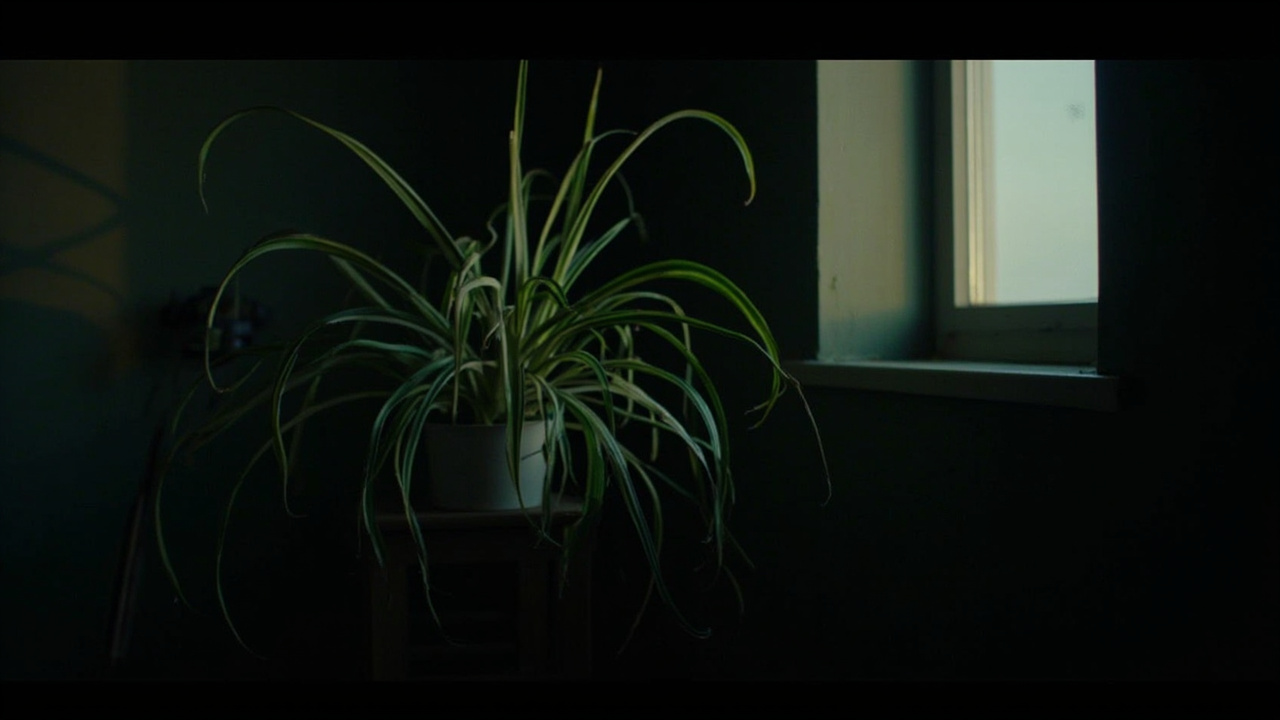
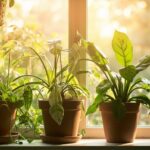
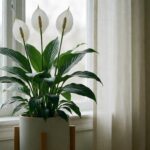
A spider plant in a well-chosen hanging basket, positioned well, and shown off properly is one of the most attractive displays in indoor gardening. For detailed guidance on setting up and caring for hanging displays, follow our spider plant hanging basket care guide. The natural arching leaves, the runners, and the spiderettes create a layered, living sculpture that improves over time as the plant grows and fills out. Getting the display right is less about expensive pots and more about position, pot selection, and complementing the plant’s natural form.
Choosing the Right Basket
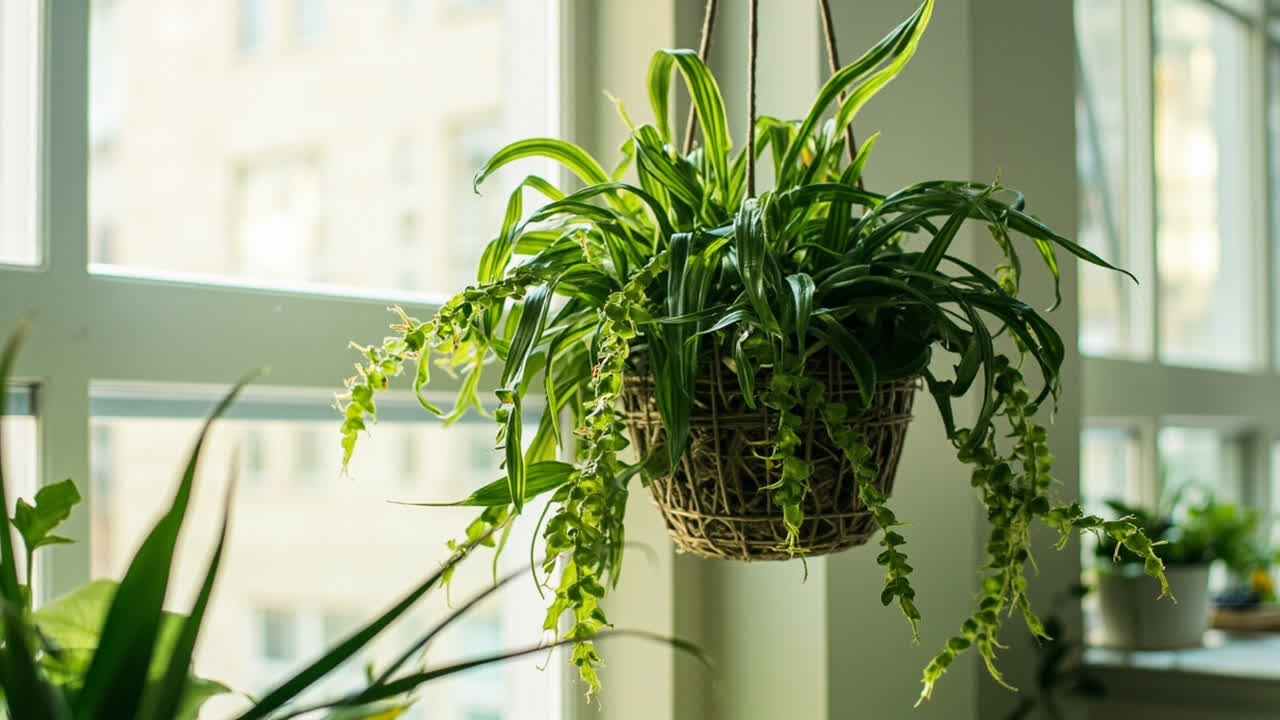
The basket itself matters less than you might think. A simple, plain-coloured hanging pot — white, grey, natural fibre, or woven material — keeps the focus on the spider plant’s variegated leaves. Ornate or highly decorated pots compete with the plant visually and distract from the cascade of leaves. The most effective spider plant displays use simple, clean containers that let the plant be the feature. Our comprehensive spider plant care guide covers everything from pot selection to ongoing maintenance.
Pot size should match the plant’s root ball. A spider plant in a hanging basket that is too large holds excess soil that stays wet too long. A pot that is only slightly larger than the root ball — the standard “pot up one size” rule — is correct. As the plant grows and the root ball fills the pot, move to a larger basket at repotting time.
Hanging height matters. Spider plants look best when viewed from slightly above or at eye level, which means hanging the basket high enough that the bottom of the pot is above head height when someone is standing beneath it. The leaves and spiderettes should be visible and cascading downward into the room. A basket hung too low looks cramped and loses the dramatic cascading effect.
Positioning for Light
Spider plant displays work best near east-facing windows or in bright rooms with filtered light from larger windows. A spider plant hung near a window where it receives good ambient light throughout the day — without direct afternoon sun — will grow actively, maintain its variegation, and produce the cascading runners and spiderettes that make the display distinctive.
Kitchens and bathrooms — rooms with higher humidity and often better ambient light — are ideal positions. The humidity in a kitchen or bathroom is closer to what spider plants prefer, and the natural light from windows in these rooms is usually sufficient. For a full breakdown of humidity needs and care requirements, see our spider plant care guide.
Displaying Multiple Spider Plants
Multiple spider plants in hanging baskets at staggered heights create a more dramatic display than a single plant. Vary the height of the hanging positions so that the bottom of each basket is at a different level — this creates visual depth and makes the cascading leaves of each plant visible rather than having them all at the same height where they obscure each other.
If you have several spider plants at different stages of growth, display the most mature — the one producing spiderettes — at the highest position so the runners and babies are visible above the lower plants. Younger plants in lower positions will grow to fill their positions over time.
Complementing with Other Plants
Spider plants work well in mixed displays with other plants on shelves or surfaces at the same height as the lower edge of the hanging basket. The spider plant’s arching leaves and runners fill the upper layer of the display while other plants — pothos, peace lilies, or other shade-tolerant plants — fill the lower layers. This creates a complete, layered indoor garden effect rather than just a single plant on its own.
The key is to group plants with similar care requirements — spider plants alongside other tropical plants that need bright indirect light and regular watering makes for a coherent display that is easy to care for as a unit.
Keeping the Display Clean
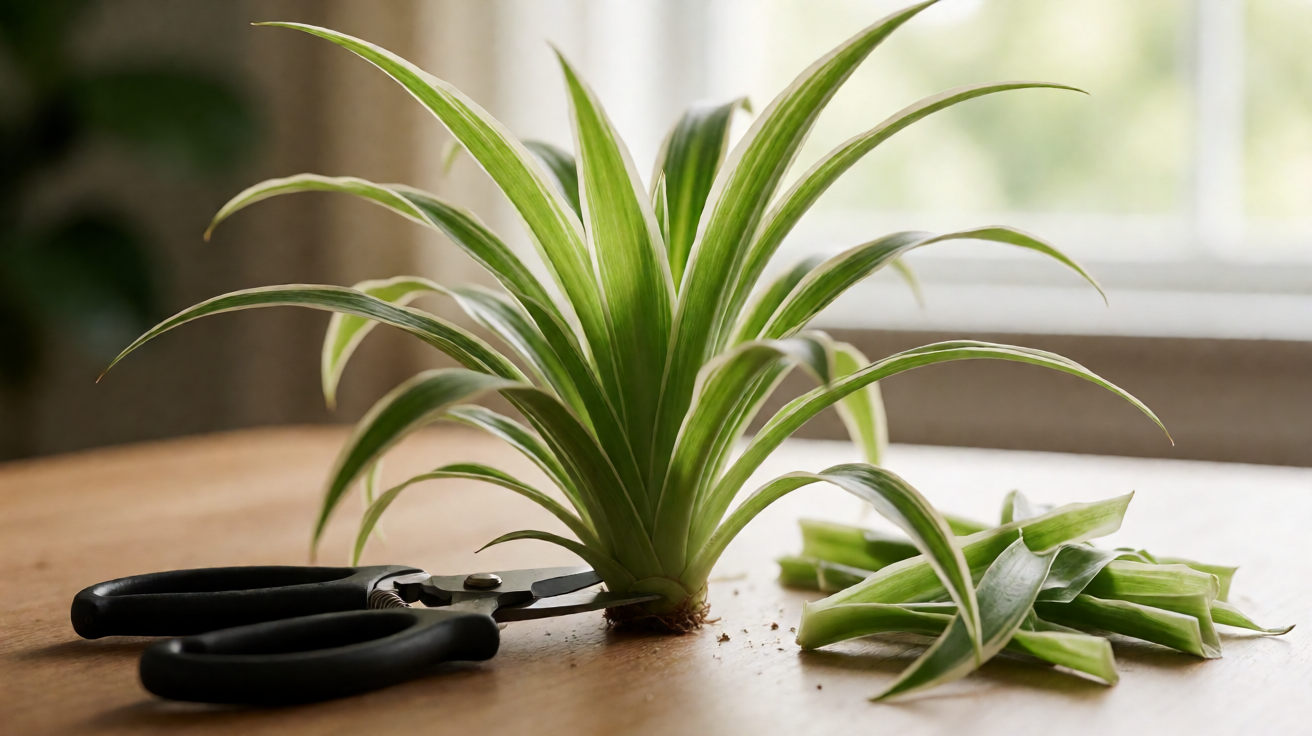
A spider plant display requires the same maintenance as the plant itself: filtered water to prevent brown tips — see our full guide to spider plant tap water issues for the root cause and solution — monthly feeding during the growing season, and removal of dead leaves and spent spiderettes as they occur. If you notice any pests on your display plants, our spider plant pest identification guide will help you identify and treat the issue quickly. Brown leaf tips that have already developed cannot be fixed without switching to filtered water, but trimming the worst tips with sharp scissors improves the appearance while the plant grows new clean leaves.
A spider plant that has been switched to filtered water and is producing clean new growth is a display that improves for months — the old damaged leaves are gradually replaced and the plant becomes progressively more clean and impressive as it grows.
From Bank Statement to QuickBooks-Ready File
That manual cleanup you just read about? This tool skips it. Turn your PDF into QBO for QuickBooks without storing your data anywhere.
Start Converting