A pineapple plant with brown leaves can look worse than it actually is. That is the first thing worth knowing. A few browned tips are very different from a soft brown base, and a scorched patch from hot glass is not the same problem as a root system failing underneath.
People usually respond to brown leaves emotionally. They cut everything off, water more, move the plant three times in two days, and start guessing. That usually adds a second problem before the first one is even understood.
The useful question is not “Why is it brown?” The useful question is “What kind of brown, where, and what happened right before it started?” Brown tips, brown edges, brown patches, and brown mush mean different things.
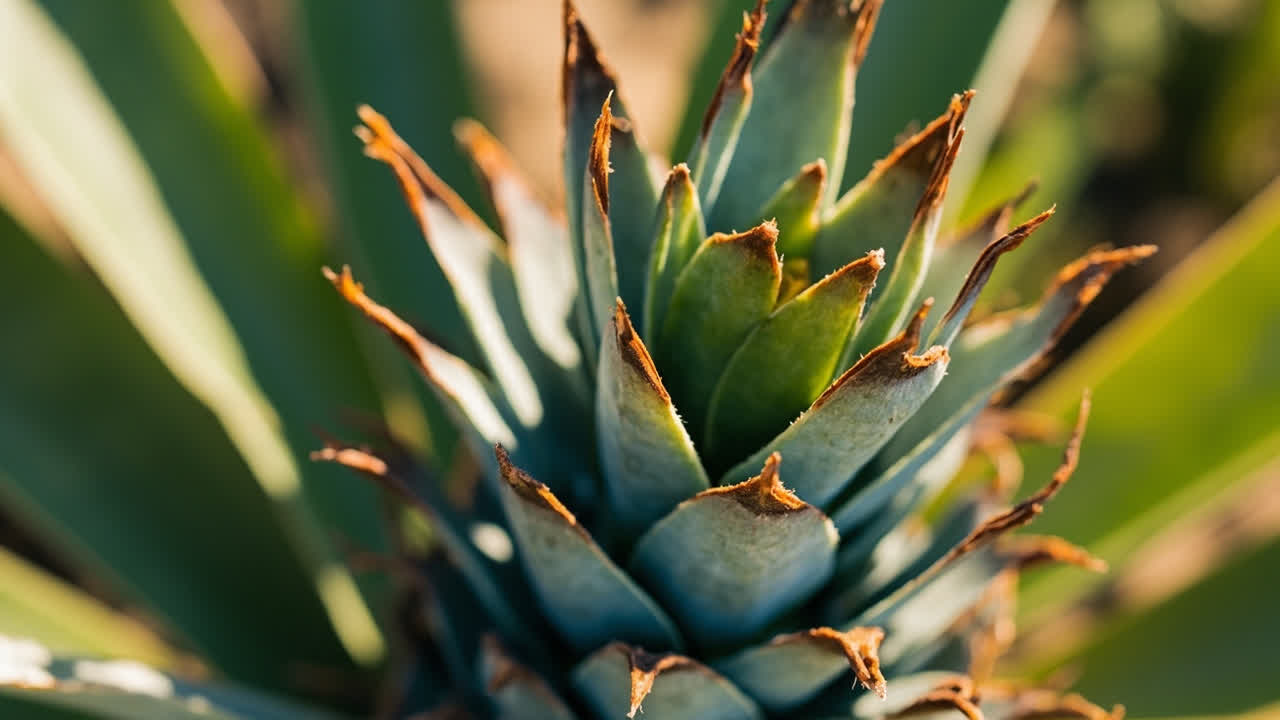
Brown Tips Usually Mean Dryness or Salt Buildup
If only the tips are turning brown while the rest of each leaf stays mostly green, the usual causes are:
- dry air, especially below 35–40% humidity
- inconsistent watering where the plant swings from dry to soaked
- fertilizer salt buildup in the potting mix
- hard tap water leaving mineral deposits in the root zone
n
What happens next if this continues is slow spread from the tips inward. The plant may still keep growing, but it starts looking rough and becomes less resilient over time.
If the base of the plant is still firm and the center is active, this is usually fixable without panic. Flush the pot with clean water, review the feeding routine, and check whether the air is too dry. The humidity guide and fertilizer schedule help here.
Brown Edges Often Point to Water Stress
When the browning runs along the leaf margins rather than just the tips, the plant is often dealing with moisture imbalance. That can mean underwatering, but it can also mean the roots are stressed and cannot regulate moisture properly.
This is why brown edges can be misleading. The leaves may look dry while the soil is actually too wet. If the roots are impaired, the plant cannot move water correctly, so the leaves behave as if they are dehydrated even when the pot is heavy.
Check the soil before doing anything else. If the pot is still damp several days after watering, do not add more water just because the leaves look dry. The watering guide explains the rhythm that prevents this kind of stress from building up.
Brown Patches Can Be Sunburn
Pineapple plants love strong light, but they can still burn if they move too abruptly from lower indoor light into harsh direct sun. The light requirements guide explains the hardening-off process that prevents this kind of damage. This is especially common when a plant goes from a dim room to a blazing patio in one day.
- sunburn looks patchy, often tan to medium brown
- the damage is usually on the side facing the sun
- the tissue feels dry and papery, not mushy
n
What happens next is mostly cosmetic. The damaged parts will not turn green again, but new growth can remain healthy if the plant is acclimated gradually. Move it to bright filtered light first, then increase direct sun over 1–2 weeks.
Brown Soft Base Means Something More Serious
This is the warning sign that matters most. If the base of the leaves or the crown area turns brown and feels soft, you may be dealing with root rot or crown rot rather than a minor environmental issue.
- soft brown tissue near the base
- sour smell from soil or crown
- center growth weakening
- whole plant losing firmness
n
That is not a “wait and see” problem. At that point, go directly to the root rot guide or the dying pineapple plant article because the roots or crown may already be failing.
Cold Damage Can Also Cause Browning
Pineapple plants are tropical. They do not like cold windows, cold drafts, or nights below 50°F / 10°C. Cold damage often shows up as dull brown patches or edges after exposure, especially when the plant was already a bit stressed. The temperature tolerance guide has the exact thresholds and explains why duration matters as much as how cold it got.
What happens next depends on how cold and how long. A brief cold snap may only scar outer leaves. Repeated cold exposure weakens the whole plant and slows recovery from every other problem.
How to Diagnose the Cause Correctly
Before you treat anything, check these in order:
- location of the browning — tips, edges, patches, or base?
- leaf texture — dry and crisp, or soft and wet?
- soil condition — dry, balanced, or staying wet?
- recent changes — stronger sun, more fertilizer, colder nights?
n
That sequence matters because the same brown color can come from opposite causes. Dry crisp tissue points one way. Soft wet tissue points another.
What to Do for Brown Tips and Edges
If the browning is dry and limited to tips or margins:
- flush the pot with clean room-temperature water
- reduce fertilizer strength for a while
- improve humidity if the air is very dry
- make watering more consistent without keeping the soil wet
n
What happens next should be gradual stabilization. The existing brown tissue stays brown, but new damage should stop spreading and new leaves should come in cleaner.
Should You Cut the Brown Parts Off?
Yes, if the appearance bothers you, but do it carefully. Trim just the dead brown tissue following the shape of the leaf tip, and leave a thin margin of brown rather than cutting into healthy green tissue. That keeps the wound smaller and looks more natural.
The trade-off is cosmetic versus functional. Trimming improves appearance, but over-trimming can create more stress if you cut deep into living tissue. If a leaf is mostly brown and clearly finished, remove it completely with sanitized pruners.
How to Prevent Brown Leaves Going Forward
- use balanced watering, not emotional watering
- avoid heavy fertilizer buildup
- keep humidity reasonable
- acclimate the plant slowly to stronger sun
- protect it from cold drafts and cold glass
n
Most brown-leaf problems come from preventable stress stacking. One small issue rarely wrecks the plant. Several small issues at once usually do.
The Honest Take
Brown pineapple leaves are often repairable as long as the center is still firm and the browning is mostly dry, not soft. Once the base starts going brown and mushy, the situation is more urgent.
So do not overreact to every crispy tip. But do take soft brown tissue seriously. That is the difference between cosmetic cleanup and actual plant rescue.
n”}
Turn any PDF statement into a clean sheet
Skip the typos and the hours of copying. Our converter handles any bank statement format and outputs Excel, CSV, or QBO for QuickBooks. No file retention, free to try.
Convert your statement