
Your pineapple plant is struggling, but that doesn’t mean it’s gone. A dying pineapple plant (Ananas comosus) can most often be revived — provided you identify the actual cause and act on it specifically. The five most common killers are overwatering (which causes root or crown rot), underwatering, light stress, cold damage, and pest infestations. Each has a distinct rescue protocol. The key insight: pineapples are bromeliads with a shallow root system and a unique leaf-rosette watering method, so generic house plant advice frequently fails them. Getting the diagnosis right is 80% of the recovery.
If you’ve been losing sleep over a drooping, yellowing, or mushy-base pineapple — you’re in the right place. Pineapples recover slowly: 4–8 weeks before visible new leaf growth is normal. This guide walks you through a complete diagnostic sequence, then the exact rescue step for each cause, and finally how to prevent the problem from returning.
What You’re Seeing Is Reversible
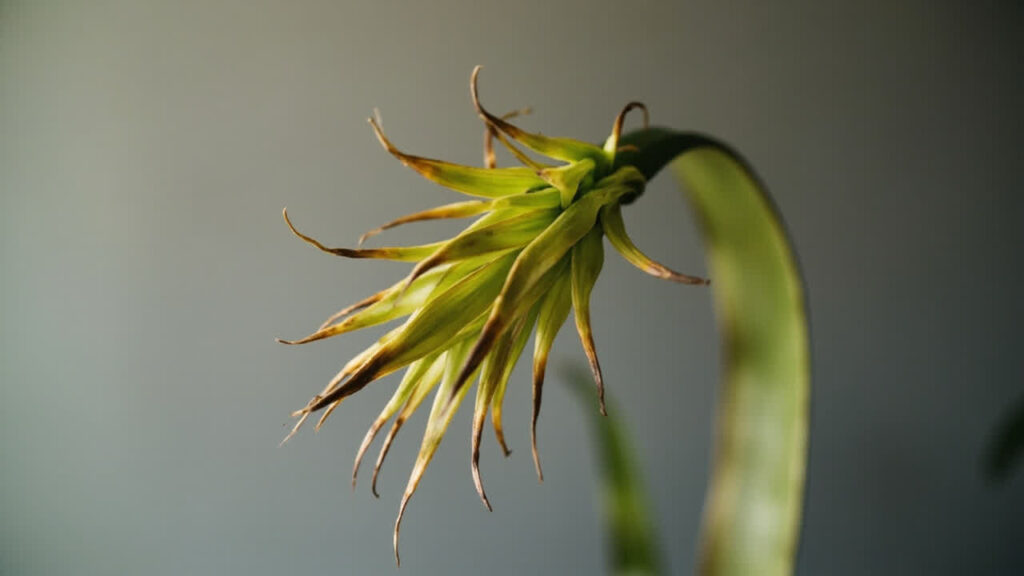
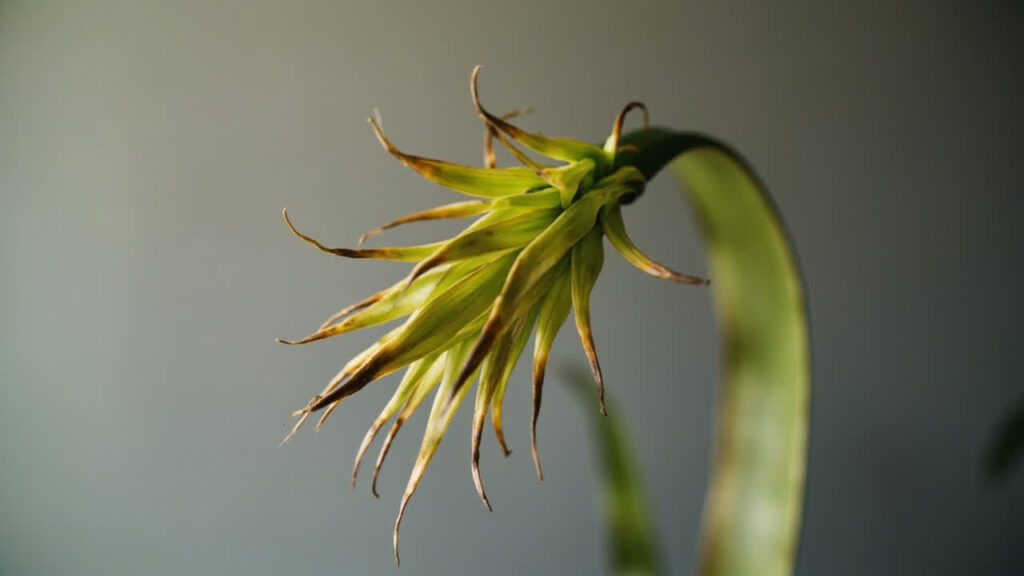
Pineapple plants signal trouble early. Yellow leaves usually appear first — starting at the tips and moving inward. Brown leaf edges follow as the damage spreads. If the base of the plant smells sour or mushy, root rot has already set in, which is the primary cause of indoor pineapple deaths. A final diagnostic check: gently tug at the center leaves. If they come out easily with no resistance, the crown has rotted and recovery becomes unlikely — but healthy offsets (pups) at the base can still be propagated to save something.
The most common mistake during recovery is overcorrection. Because improvement is slow, anxious owners often increase watering when they see no immediate change, or move the plant to different locations repeatedly. Both responses stress the plant further. Establishing consistent care and waiting through the 4–8 week visible recovery window is part of the rescue itself.
Why Pineapple Plants Decline: 5 Common Causes
Every pineapple problem traces back to one of five root causes. Knowing the mechanism behind each one prevents you from making things worse while trying to help.
Overwatering and Root Rot
Overwatering causes roughly 70% of all indoor pineapple deaths. Pineapple roots are shallow and fine — evolved to absorb water quickly during tropical rainfall, then dry out fast in well-drained soil. When soil stays wet for more than a day or two, those roots begin to decay. Root rot sets in, and the plant loses its ability to take up water and nutrients. Paradoxically, this makes the leaves look even more dehydrated, which leads people to water more — accelerating the rot. The cycle completes: overwater → roots die → leaves look dry → water more → more rot.
This commonly starts when someone brings a pineapple indoors for winter. The plant’s growth slows in lower light and cooler indoor temperatures, so it needs far less water than in summer. A watering schedule that worked in August becomes dangerous by October.
Underwatering and Drought Stress
While less immediately lethal than overwatering, prolonged drought causes pineapple leaves to curl, desiccate, and brown from the tips inward. The plant shuts down non-essential functions to conserve water — extended deprivation damages the root system and delays recovery once normal watering resumes. If you’ve been traveling or missed watering for several weeks, drought stress is the likely cause.
Light Stress
Pineapples need bright, indirect light to sustain photosynthesis and growth. Direct midday sun scorches the leaves; insufficient light causes the plant to etiolate — stretching toward light sources, losing compact form, and weakening. A plant that thrived on a sunny patio through summer, then gets moved indoors in autumn, often declines rapidly simply because light levels dropped too sharply. The plant isn’t dying — it’s protesting a sudden energy crisis.
Temperature and Cold Damage
Pineapples are strictly tropical and cannot tolerate temperatures below 55°F (13°C) for more than a few hours. Cold damage presents as blackened leaf tips or a mushy base at the soil line. Even brief exposure to a drafty window in winter is enough to cause damage. If your plant sits near a window where nighttime temperatures dip, cold stress is likely contributing to the decline.
Crown Rot vs. Root Rot
Here is the distinction most generic plant advice misses: pineapples are equally vulnerable to crown rot as root rot. The crown — the cluster of leaves at the top — can rot if water pools in the central leaf rosette and sits there. This is a bromeliad-specific failure mode. Root rot affects the underground portion. Both cause similar surface symptoms (yellowing, mushy base at soil level), but the rescue differs. Crown rot requires cutting away rotted tissue and allowing the crown to dry for several days before repotting. Root rot requires unpotting, trimming dead roots, and repotting in fresh, dry medium.
Pest Damage
Mealybugs, scale insects, and spider mites occasionally attack pineapple plants, especially when the plant is already stressed. Signs include sticky honeydew residue on leaves, fine webs between leaf bases (spider mites), or visible insects clustered at the leaf axis. Pest damage weakens the plant and opens the door to secondary fungal infections.
How to Diagnose What’s Killing Your Pineapple Plant
A systematic diagnostic check takes about 10 minutes and tells you exactly what’s wrong. Work through these steps in order — the sequence matters because later steps require earlier causes to be ruled out first.
Step 1: Check the Leaves and Crown
Start at the center. Are the inner leaves firm and green, or soft, brown, and foul-smelling? Firm inner leaves mean the growing point is alive — the plant has a real chance. Soft or smelly inner leaves point to crown rot. Next, examine the outer leaves: yellowing starting from the tips suggests overwatering or nutrient deficiency; browning from the edges suggests underwatering, fertilizer burn, or cold damage.
Step 2: Test the Soil and Root System
Press your finger into the soil up to the second knuckle. Wet soil 2 inches down means overwatering is your problem. Bone-dry soil means underwatering is the cause. To check for root rot, gently tip the plant out of its pot (wrap the base in newspaper and tilt — never pull by the leaves). Healthy pineapple roots are white and firm; rotted roots are brown, mushy, and smell sour.
Step 3: Assess the Crown Base
Spread the inner leaves apart and look at the crown’s base — where the leaves meet the fruit or root mass. Water pooled in the center is a crown rot risk that needs immediate attention. The base should feel firm, not soft. A soft base means rot has progressed into the growing point tissue.
Step 4: Review the Environment
Check the temperature near the plant. Below 60°F (15°C) significantly slows pineapple growth and makes the plant vulnerable to cold damage. Check light: is the plant more than 3 feet from a bright window? Are there cold drafts from doors or heating vents? Check drainage: does the pot have at least one drainage hole? Is it sitting in a saucer that collects standing water?
How to Save Your Pineapple: Step-by-Step Rescue
The rescue steps depend entirely on which cause you’ve identified above.
If Overwatering / Root Rot Is the Cause
Stop watering immediately. Do not resume until the soil is completely dry — this may take 7–14 days depending on pot size and ambient humidity. Remove the plant from its pot and inspect the root system. With sterile scissors, trim away all brown, mushy roots back to firm white tissue. Let the plant air-dry for 24–48 hours in a warm, shaded location — this allows cut root ends to callous, which prevents reinfection. Repot in fresh well-draining potting mix — a blend containing perlite, coarse sand, or orchid bark works well for pineapple’s shallow root system. Use a pot with at least one drainage hole, and never let the pot sit in standing water.
When you resume watering, go slowly: only when the top 2 inches of soil are completely dry. In low-light winter conditions, this may mean watering once every 10–14 days. Avoid the bounce-back temptation — once improvement appears to stop, resist the urge to water more. As a soil amendment, mixing a thin layer of worm castings into the top few inches can improve drainage while providing slow-release nutrition without the burn risk of synthetic fertilizers. Learn more about this in our guide to using worm castings for house plants.
If Underwatering Is the Cause
Water thoroughly until you see runoff flowing freely from the drainage holes. Then let the soil dry out completely over the next 5–7 days before watering again. Do not compensate by watering more frequently — this leads directly to the bounce-back overwatering problem. Place the recovering plant in bright indirect light to encourage root activity without the stress of full sun while the root system re-establishes.
If Light Stress Is the Cause
Move the plant to the brightest location available — a south or east-facing window within 2–3 feet of the glass works best. If the plant has been in very low light for weeks or months, introduce brighter conditions gradually over 5–7 days to avoid sunburn. A sudden jump from shade to full sun will scorch already-weakened leaves. If natural light remains insufficient, a grow light placed 12–18 inches above the plant for 10–12 hours per day effectively supplements the light budget.
If Cold Damage Is the Cause
Move the plant away from cold windows and drafts immediately. Trim any blackened or mushy leaf tips with clean scissors. Do not water for 2–3 days while the plant recovers — cold-damaged roots are highly vulnerable to rot in wet soil. Keep the plant in a room that maintains at least 60°F (15°C) consistently. New leaf growth emerging from the center crown is the signal that recovery is underway.
If Crown Rot Is the Cause
Cut away all soft, brown, and foul-smelling tissue from the crown using a clean, sharp knife. Remove any leaves that are completely rotted. Place the plant in a warm, dry location with good air circulation and let the cut surfaces dry for 3–5 days — longer is always better than shorter. Once the crown is dry and firm to the touch, repot in fresh, dry, well-draining mix. Wait 7–10 days after repotting before the first watering to allow the cut surface to heal fully.
If Pests Are the Cause
Wipe the leaves down with a soft cloth dampened in water with a few drops of dish soap. For stubborn infestations, spray with isopropyl alcohol diluted 50% with water, or apply a neem oil solution every 5–7 days for three consecutive weeks. Isolate the affected plant from other house plants to prevent the infestation spreading.
How to Prevent Future Decline
Recovery is only half the work. Preventing recurrence requires a few consistent habits that address the most common pineapple failure modes.
The single most effective change you can make: check soil moisture before every watering. Insert your finger 2 inches into the soil. If it still feels moist, wait another day or two. This one habit alone prevents the overwatering cycle that causes 70% of indoor pineapple deaths. Adjust your schedule seasonally — a plant that needed water every 5 days in July may need it every 14 days in January. For a practical seasonal schedule, our house plant care calendar walks through month-by-month adjustments for tropical house plants.
Light transitions matter, especially in autumn. When bringing a pineapple indoors for winter, make the transition gradual — start by bringing it in for a few hours each day, then extend over two weeks. This reduces the shock that causes rapid decline in newly overwintered plants.
Humidity also plays a role. Pineapples prefer average household humidity above 50%. If your home runs dry in winter — common with forced-air heating — consider grouping plants together or placing the pot on a humidity tray: a shallow tray filled with pebbles and water, with the pot sitting on the pebbles, never submerged. Our guide to increasing humidity for indoor plants covers all practical methods from trays to humidifiers.
Pot size is a factor many people overlook. A pot too large holds excess moisture against the shallow root system — this is the most common cause of hidden overwatering. Choose a pot only 1–2 inches larger than the root ball, with at least one drainage hole. Terra cotta pots work especially well because the porous sides let soil dry faster than plastic.
Quick-Reference: Symptom to Fix Table
| Symptom You See | Most Likely Cause | What to Do |
|---|---|---|
| Yellow leaves, wet soil 2 inches down | Overwatering / root rot | Stop watering, dry out, trim roots, repot in fresh mix |
| Brown leaf tips, bone-dry soil | Underwatering | Water thoroughly, then maintain proper schedule |
| Stretched, pale, weak leaves | Insufficient light | Move to brighter location or add a grow light |
| Blackened leaf tips, mushy base | Cold damage | Move to warmth (above 60°F), trim damaged tissue |
| Soft center crown, sour smell | Crown rot | Remove rotted tissue, dry 3–5 days, repot in dry mix |
| Sticky residue, visible insects | Pest infestation | Wipe with soapy water, apply neem oil for 3 weeks |
How to Know Your Pineapple Is Recovering
Recovery in pineapple plants is slow and subtle — you need to know which signals actually matter. The first and most reliable positive sign is new leaf growth from the center crown. These new leaves emerge lighter green from the very center of the rosette and are a direct confirmation that the growing point is alive and functioning. If you see this, the plant has turned the corner.
Leaf color improvement comes next — the yellowing stops spreading, and existing yellow leaves gradually green up from the base outward. This regreening is slow because the plant prioritizes new growth over repairing old leaves. Old damaged leaves may never fully recover their green color, and that’s normal — the plant will replace them naturally over time.
Expect to wait 4–8 weeks for visible improvement in most cases. Severe root rot, significant crown damage, or extended drought can extend this to 12 weeks. During this window, consistency matters more than anything else — maintaining the same watering schedule, light levels, and temperature builds the stability the plant needs to complete its recovery. Inconsistency during this period is what causes most bounce-back failures.
When to accept loss: if the center crown is completely soft and rotted with no firm tissue remaining, the growing point is dead and the plant cannot be saved. Before giving up completely, however, check the base of the plant for pups — small offsets that grow from the sides of the mother plant. These can be separated with a clean cut and rooted in dry medium to start a new plant. Our guide to growing pineapple at home covers propagation in detail so you can carry the cycle forward.
Turn That PDF Into a Spreadsheet in Minutes
You've seen how to do it manually — now let the tool handle the heavy lifting. Upload your bank statement and get Excel, CSV, or QBO in a few clicks.
Try It Free