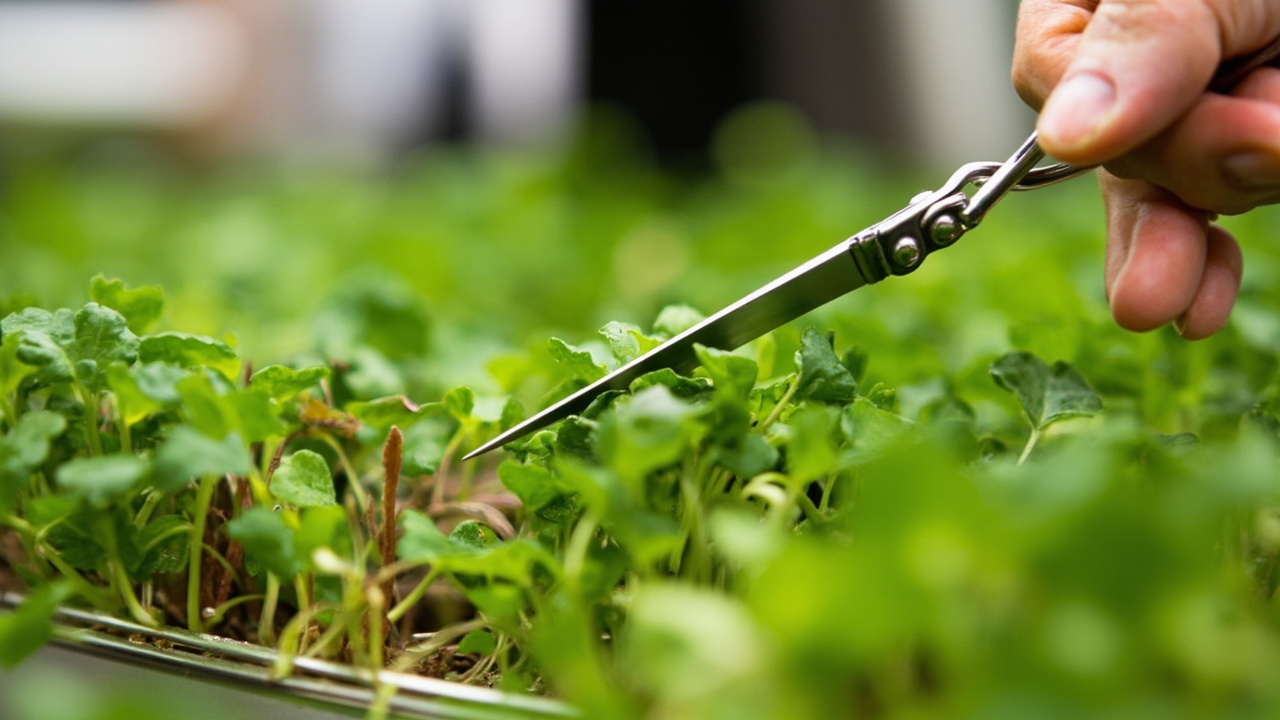
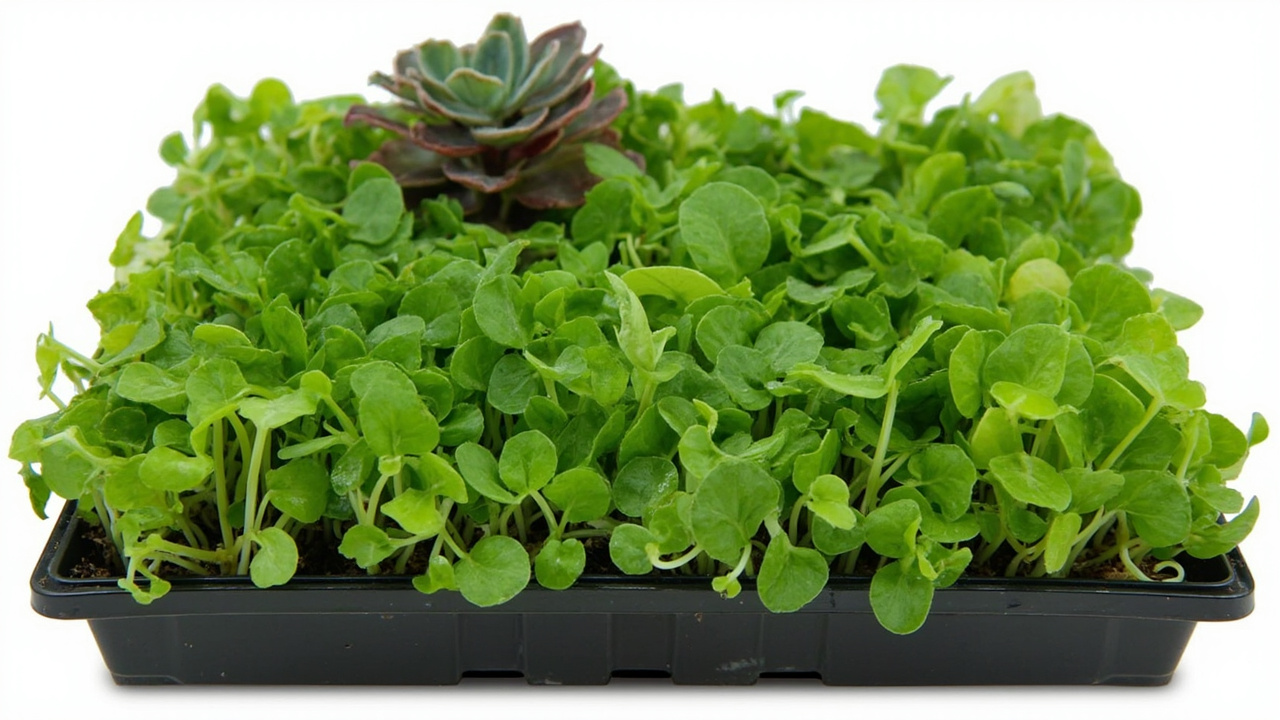
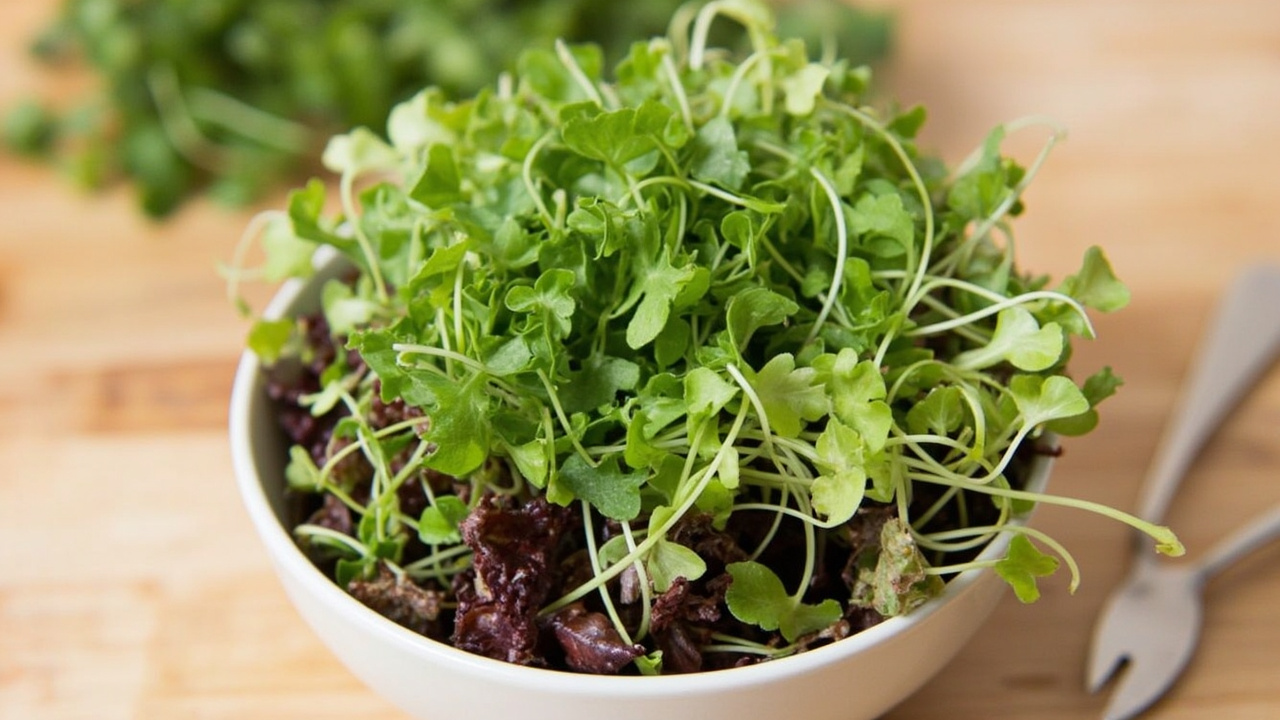
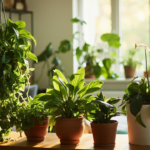
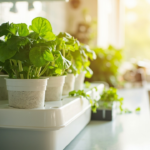
The best microgreens seeds are untreated, fresh, high-germination seeds from crops that grow quickly in a shallow tray. For a first grow, choose simple single crops such as broccoli, radish, mustard, kale, cabbage, pea shoots, or sunflower shoots before buying a complicated mix.
Seed choice affects more than flavor. It changes how densely you sow, how long germination takes, how much moisture the tray holds, and how easy the crop is to harvest cleanly. A good packet makes the first tray predictable; a poor packet makes every other part of the setup look worse than it is.
What Makes Seed Suitable For Microgreens
Microgreens seed should be food-safe for edible seedling production and should not be chemically treated for outdoor sowing. Seed choice sits at the start of the tray method in how to grow microgreens. If a packet says treated, coated, or not for consumption, skip it for microgreens.
Freshness matters because microgreens are sown densely. A few weak seeds in a garden bed are easy to ignore. In a tray, poor germination leaves bare patches, wet pockets, and uneven harvest timing. Look for suppliers that state germination rate, lot freshness, and crop use clearly.
The safest beginner habit is to buy small packets first. Once a crop performs well in your room, then buy a larger bag.
The Best Beginner Microgreens Seeds
Smaller seeds are easier to spread evenly across microgreens trays. They also tend to show mistakes quickly, which helps you learn.
- Broccoli: mild, reliable, and usually ready in about 7 to 12 days.
- Radish: fast, colorful, peppery, and forgiving for beginners.
- Mustard: quick and flavorful, though it can become strong if held too long.
- Kale or cabbage: steady brassicas with a mild green flavor.
- Pea shoots: larger seeds, but easy if soaked and given enough tray space.
- Sunflower shoots: satisfying and substantial, but more sensitive to hulls and sanitation.
Start with one crop per tray. Mixes are attractive, but different seeds germinate and size up at different speeds. A single crop teaches you what normal looks like.
Seeds To Avoid On Your First Tray
Some seeds are not bad; they are simply harder as a first lesson. Sticky or large seeds also change how they sit on a microgreens growing medium. Basil, chia, flax, and some other mucilaginous seeds form a gel coat when wet. They need a different sowing style and can frustrate beginners who expect them to behave like broccoli.
Very large seeds, such as sunflower and pea, often need soaking, wider spacing, and more attention to hull removal. Slow herbs can test patience because the tray sits damp for longer before it looks full. Treated garden seed is the one hard no. The honest trade-off is that specialty microgreens seed may cost more, but it removes a safety question from a crop you plan to eat young.
Avoid old seed from an unlabelled drawer for your first tray. If it fails, you will not know whether the problem was seed age, sowing density, moisture, or light.
How Much Seed To Buy
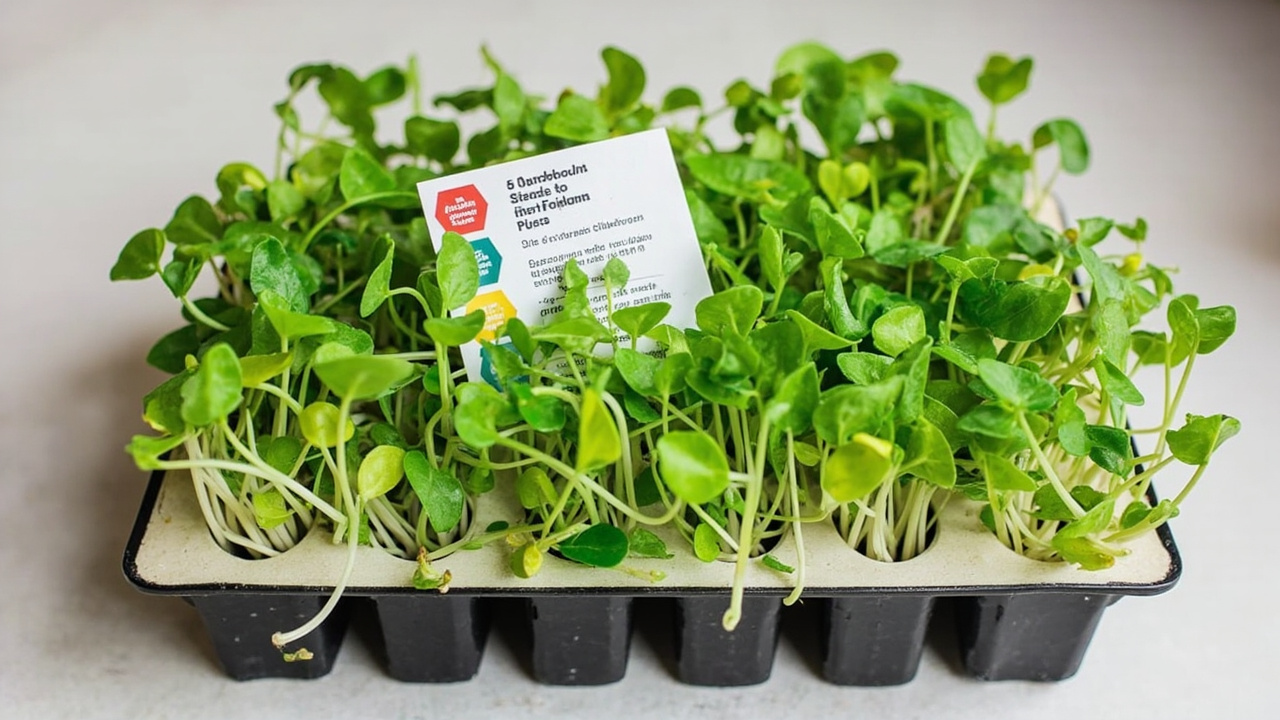
For testing, buy enough seed for two or three trays of the same crop. One tray can be misleading. A second tray tells you whether the seed is consistent and whether your first result was technique or luck. For common brassicas, a small packet may cover several small trays; larger pea and sunflower seeds disappear faster because each seed takes more space.
Do not buy bulk seed until you have grown the crop at least twice. Bulk looks cheaper per ounce, but seed loses vigor with poor storage. Keep packets dry, cool, sealed, and labelled with the purchase month. If germination drops or the tray becomes uneven, old seed may be part of the problem.
Microgreens Seeds Versus Sprouting Seeds
Some seeds can be sold for either sprouting or microgreens, but the intended use still matters. The intended use matters because microgreens vs sprouts are grown and eaten differently. Sprouting seed is meant for jar germination where the whole seedling is eaten. Microgreens seed is meant for tray growing where stems and leaves are cut above the medium.
If a supplier clearly labels seed for microgreens, that is the easiest choice. If the seed is labelled for sprouting, check whether it is untreated and whether the crop also performs well as a tray-grown microgreen. When the label is vague, choose a different source.
What To Track After Sowing
Keep notes through the microgreens harvest window before buying larger seed bags.
- How many days did germination take?
- Did the tray fill evenly or leave bare patches?
- Did seed hulls cling to the leaves?
- Did the crop taste better early or after true leaves appeared?
- Did the seed need soaking, weight, or lower density next time?
The best seed for you is not always the trendiest crop. It is the crop that germinates reliably in your room, grows cleanly in your tray, and gives you a harvest you actually want to repeat.
Turn PDF Bank Statements Into Workable Spreadsheets
Your bank statement is a mess of numbers, but your books shouldn't be. Use our converter to get Excel, CSV, or QBO files — ready for QuickBooks.
Try It Free Now