Microgreens and sprouts are not the same. Sprouts are germinated seeds grown mostly in water and eaten root, seed, and shoot together. Microgreens are young seedlings grown on a medium, exposed to light, and cut above the root line after the first leaves open.
That difference changes almost everything: the container, the harvest timing, the texture, the part you eat, and the safety routine. Sprouts are fast and minimal. Microgreens take a little more space, but they give you greener flavor, more texture, and better control over airflow and harvest cleanliness.
The Simple Difference
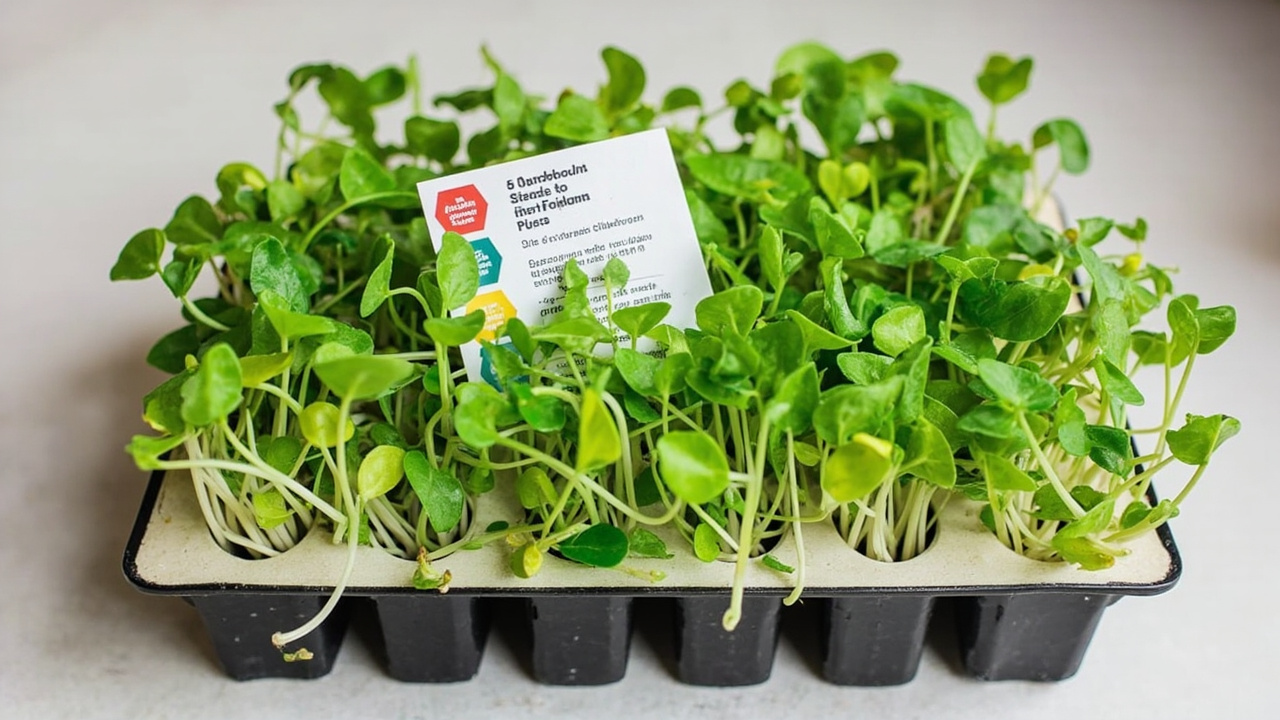
A sprout is the seed in its earliest germination stage. It is usually grown in a jar or sprouting tray, rinsed often, and harvested before it develops a green canopy. You eat the whole young plant, including the root and remaining seed hulls. A microgreen is grown a step longer. The tray method in how to grow microgreens is what separates microgreens from jar sprouts.
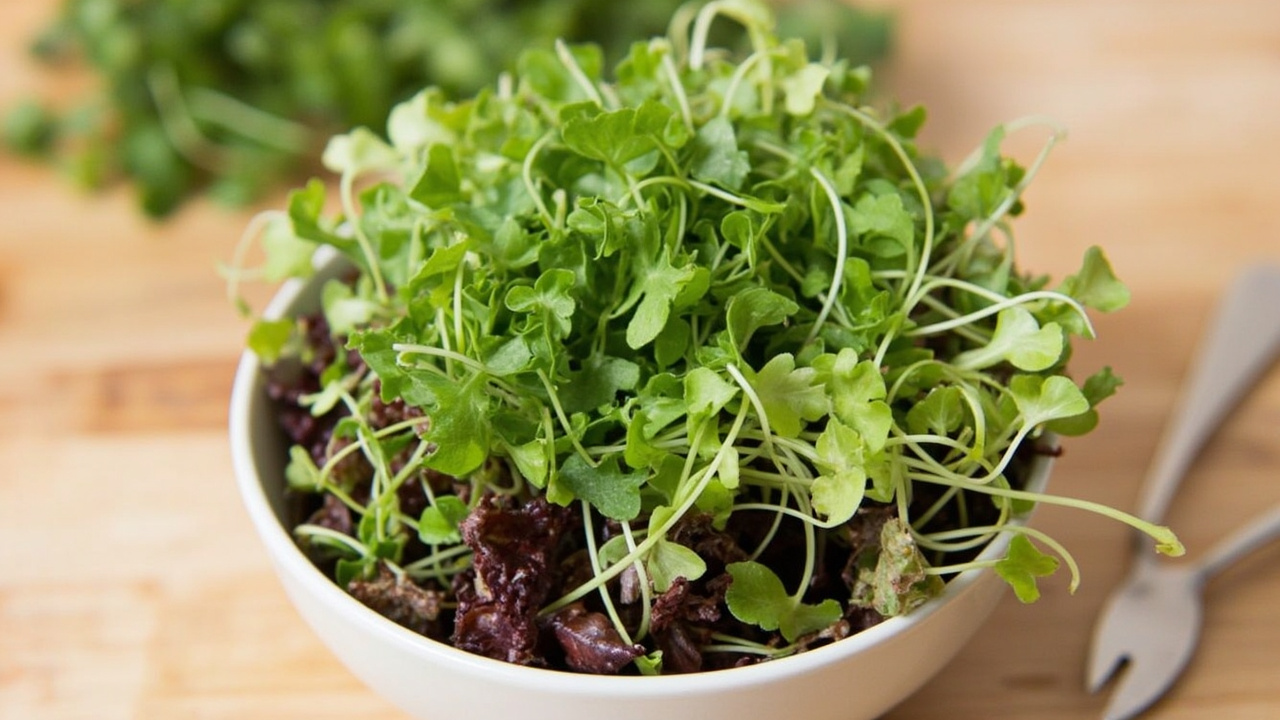
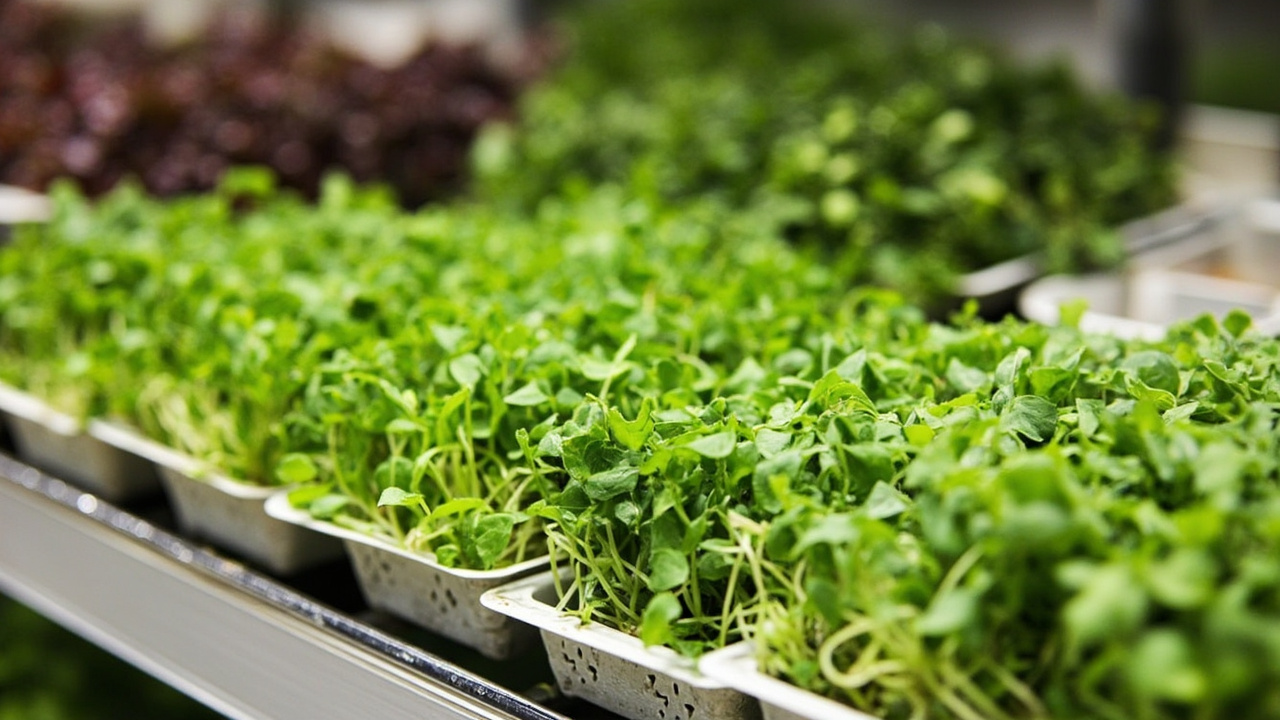
Microgreens grow with light, a shallow medium, and an open tray. You cut the stems above the medium, leaving the root mat behind. That is why microgreens look and behave more like tiny salad greens, while sprouts behave more like crunchy germinated seed.
The two foods can come from some of the same crops, such as broccoli, radish, mustard, and pea. The name changes because the growing stage and method change.
Growing Method And Harvest Timing
Microgreens need a shallow container, so tray choice follows the same logic as microgreens trays. Sprouts need repeated rinsing and draining. Neither is difficult, but they ask for different routines.
| Feature | Microgreens | Sprouts |
|---|---|---|
| Growing place | Tray with medium | Jar or sprouter |
| Light | Needed after germination | Usually little or none |
| Harvest timing | About 7 to 21 days | Often 2 to 7 days |
| Edible part | Cut stems and leaves | Whole sprout |
| Main risk | Mold in dense trays | Warm, wet seed conditions |
The timing alone explains why they feel different in the kitchen. Sprouts are a quick germination food. Microgreens are a short crop.
This also changes the daily workload. Sprouts ask for frequent rinsing because the jar environment is wet by design. Microgreens ask for a better setup at the beginning: a level tray, a suitable medium, a clean cover for germination, and light after the seedlings lift. Once that setup is right, the routine is usually less hands-on than a jar that must be rinsed and drained several times.
Texture, Flavor, And Kitchen Use
Sprouts tend to be crisp, watery, and seed-forward. They work well in sandwiches, wraps, and quick toppings where crunch matters more than leaf texture. Microgreens usually have more leaf surface, stronger color, and a wider flavor range. Radish microgreens can be peppery; pea shoots are sweet and grassy; broccoli microgreens are mild and green.
Because microgreens are cut above the root line, they often feel cleaner on the plate. They also bruise less during rinsing because you are not shaking the whole crop in a jar twice a day. The trade-off is that microgreens need tray space and light. Sprouts win on speed and minimal equipment; microgreens win on texture, visual appeal, and crop control.
Flavor is where the difference becomes obvious. A radish sprout gives a quick snap and heat, while radish microgreens give a leafy bite with more surface area. Pea sprouts are crisp and mild; pea shoots feel more like a tender green. Neither one is automatically better. They serve different kitchen jobs, which is why treating them as interchangeable usually leads to disappointment.
Safety And Mold Risk
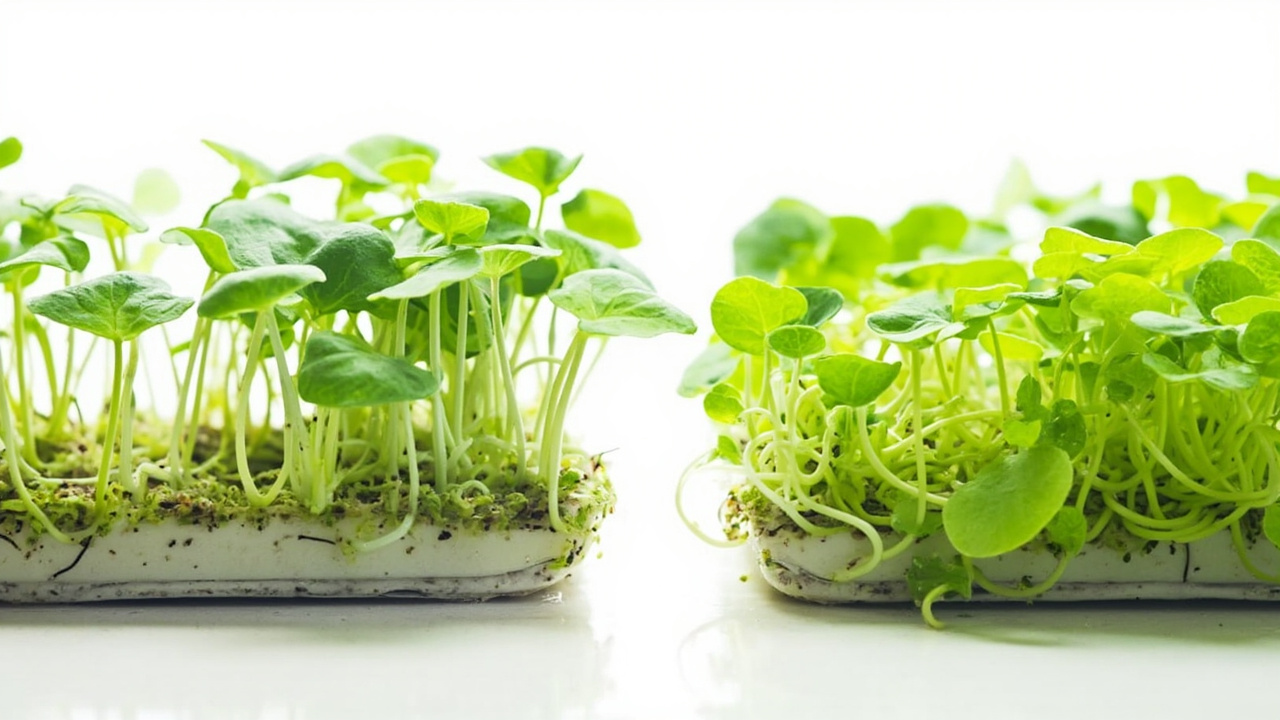
Both foods need clean handling because both begin with dense seed. Sprouts are grown in warm, wet conditions where the edible portion includes the seed and root. That is why sprout safety depends heavily on clean seed, frequent rinsing, complete draining, and refrigeration after harvest.
Microgreens are not risk-free, but their structure is different. A clean, airy microgreens growing medium helps separate the root zone from the edible cut. You still need clean trays, fresh seed, good airflow, and careful watering, but you are usually cutting above the wettest part of the system.
The honest limitation is that a moldy microgreens tray is not something to rescue for salad. If the tray smells sour, has fuzzy growth spreading through stems, or has slimy patches at the base, compost it and correct the next sowing. Food crops deserve a lower tolerance for “maybe it is fine” than ornamentals.
Which One Should You Grow At Home
Choose based on the routine you will actually keep.
- Choose sprouts if you want the fastest harvest and can rinse and drain carefully every day.
- Choose microgreens if you want greener flavor, leaves, and a crop that fits under a small light.
- Choose sprouts if you have almost no growing space.
- Choose microgreens if you prefer cutting clean stems above the root zone.
- Choose microgreens if you like controlled indoor growing; they are a simpler step than full hydroponic systems.
For most home gardeners, microgreens are the better bridge between kitchen food and indoor growing. Sprouts are more like a food-prep routine.
If you want the least equipment, start with sprouts and be strict about rinsing and draining. If you want a more garden-like process, start with microgreens and control the tray environment. The decision is less about difficulty than about which routine you will repeat cleanly. A neglected sprout jar and an overwatered microgreens tray can both fail quickly.
The Main Mistake To Avoid
The main mistake is treating microgreens like sprouts after germination. Microgreens need light, airflow, and a drier canopy once they are upright. Keeping them covered and wet because sprouts like repeated rinsing creates weak stems and a higher chance of mold.
Keep seed trays clean because edible seedlings are not the place to troubleshoot preventable vegetable garden pests. If you remember one distinction, make it this: sprouts are rinsed and eaten whole; microgreens are grown, lit, and cut.
More in the Microgreens series: How to Grow Microgreens at Home · Microgreens Growing Medium · Microgreens Trays · When to Harvest Microgreens
Turn any PDF statement into a clean sheet
Skip the typos and the hours of copying. Our converter handles any bank statement format and outputs Excel, CSV, or QBO for QuickBooks. No file retention, free to try.
Convert your statement