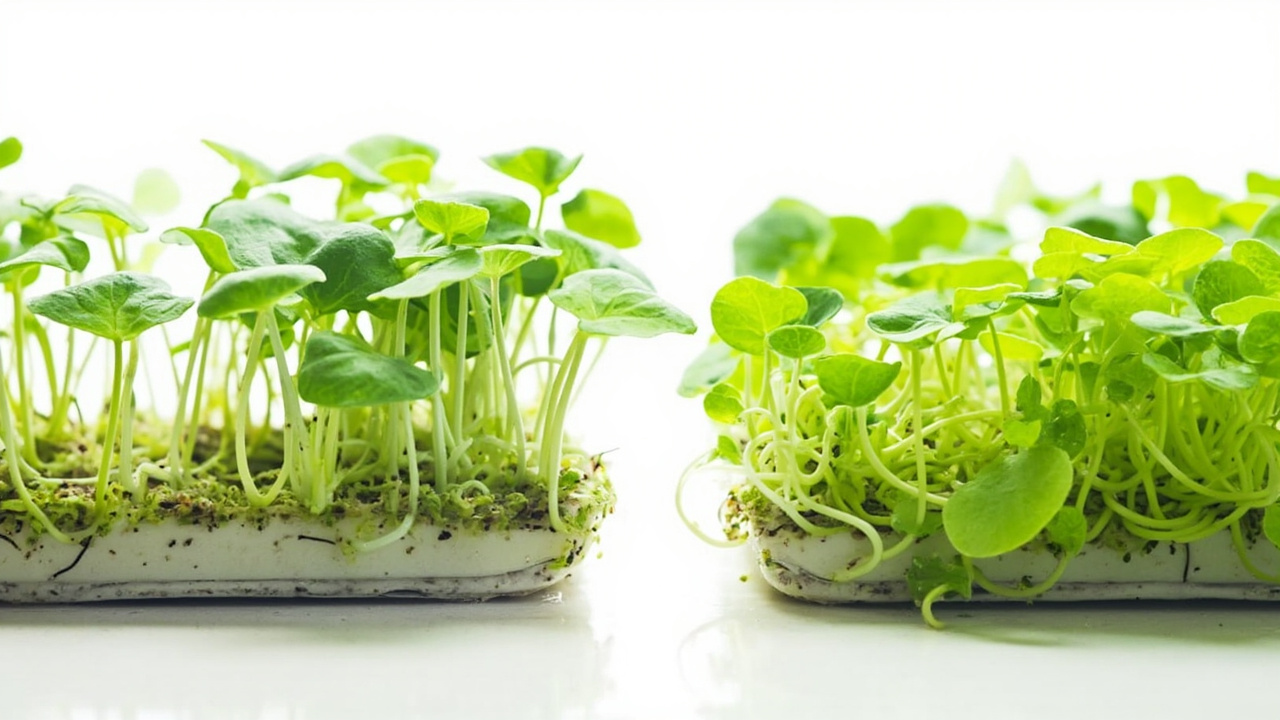
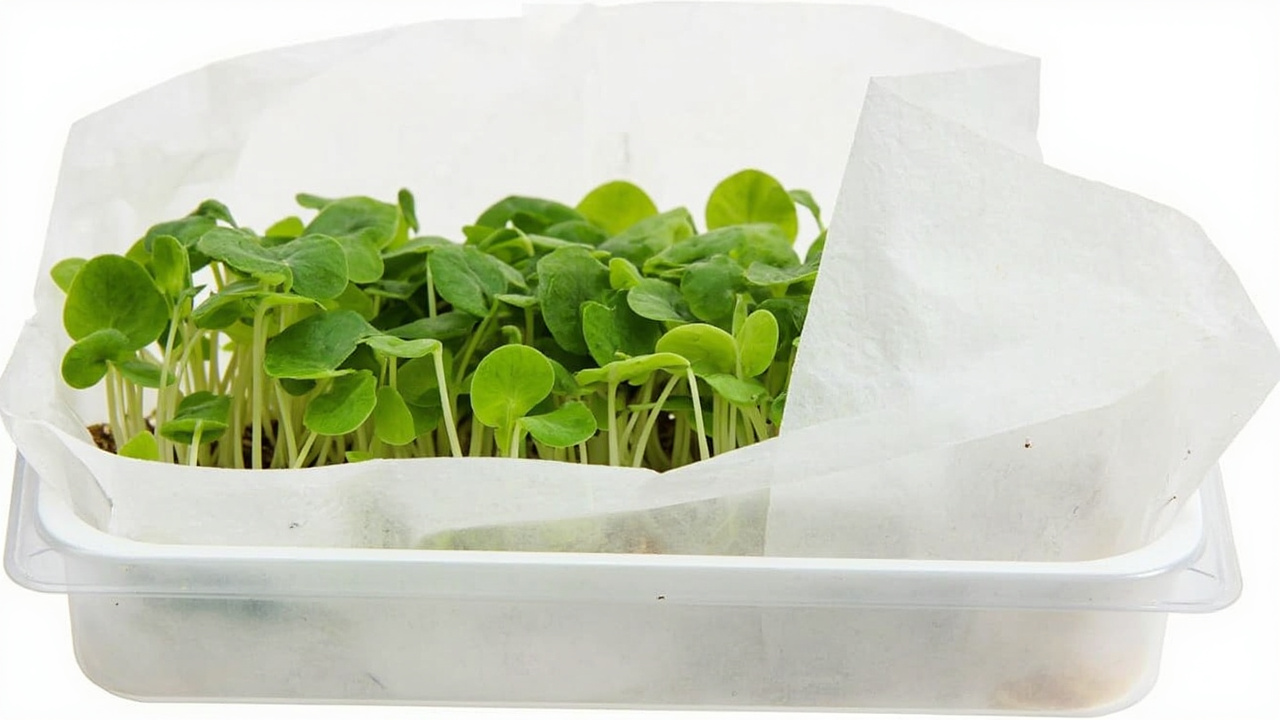
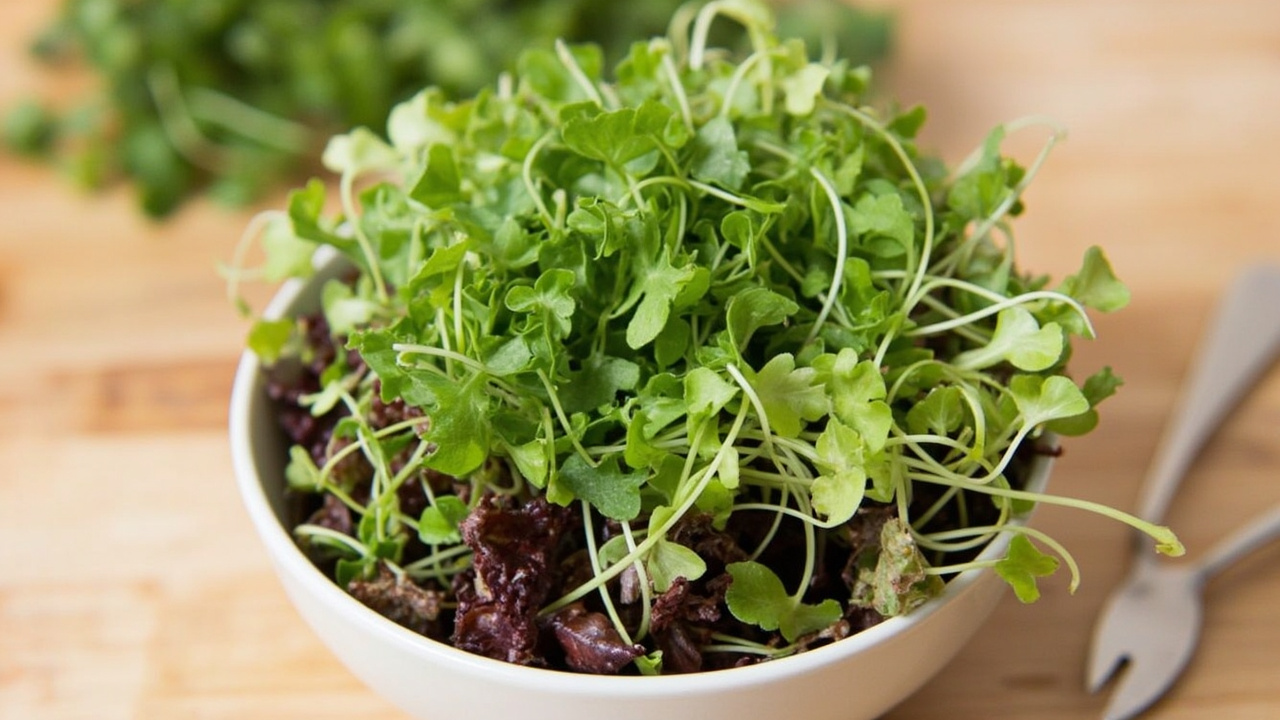
Microgreens usually stop growing because the seed is old, the surface dried during germination, the tray stayed too wet, the room is too cold, or the seedlings did not get enough light after uncovering. The pattern tells you which problem is most likely.
Do not fix everything at once. Check the stage where growth stopped: before germination, during blackout, after uncovering, or right before harvest. Each stage has a different cause.
Seeds Never Germinated
If nothing happens after several days, start with seed quality. The microgreens seeds guide explains why untreated fresh seed matters. Old seed, treated garden seed, or seed stored in heat can fail before your tray technique even matters.
Dry surface conditions also stop germination. Seeds need steady moisture and contact with the medium, not a quick mist followed by a dry crust.
Patchy Growth Across The Tray
Patchy microgreens usually point to uneven moisture, uneven seed contact, or a tilted tray. A level microgreens tray matters because water collects in low corners and leaves high spots dry.
If the center grows and edges fail, the edges may be drying faster. If one side grows better, the tray may be leaning toward light or water.
Seedlings Grew Then Stalled
Seedlings that germinate and then pause often ran into a moisture or oxygen problem. The microgreens watering guide is the first place to check. Too little water dries root tips; too much water suffocates them.
Cold rooms also slow growth. Microgreens do not need tropical heat, but a chilly windowsill can stretch a 7-day crop into a slow, uneven tray.
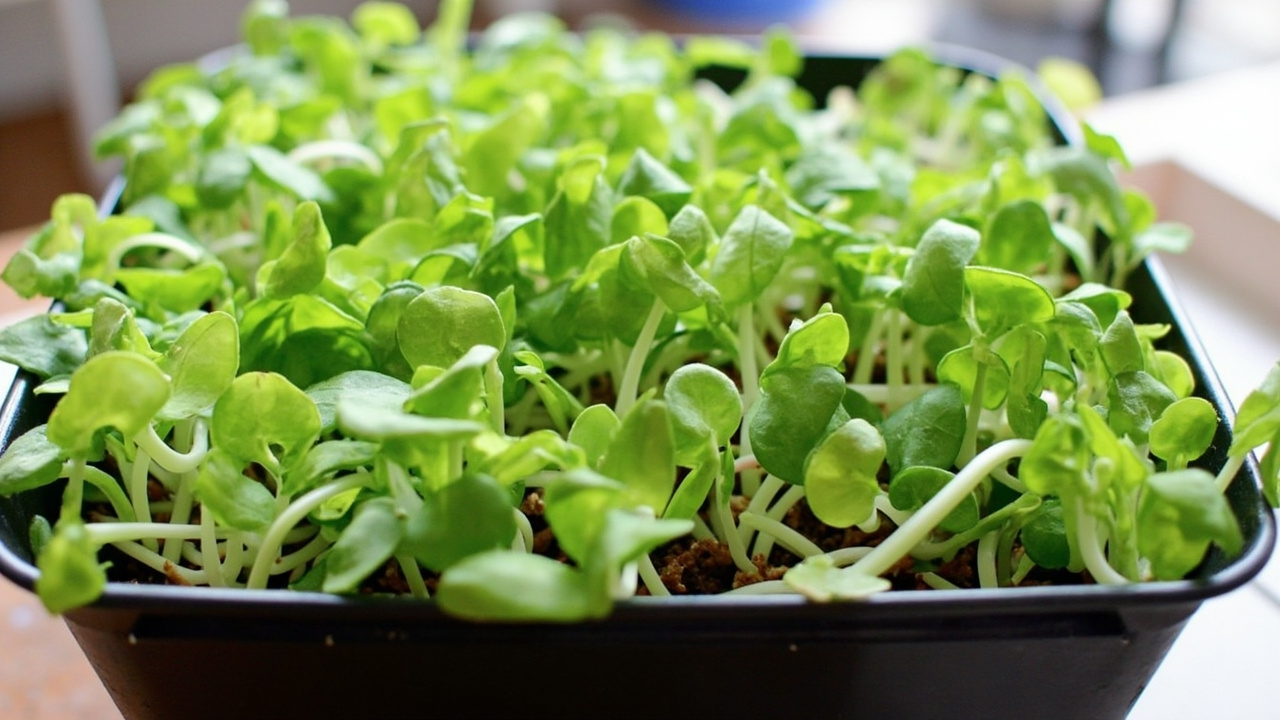
Seedlings Are Tall But Weak
Tall weak seedlings are growing, but not well. This usually means they stayed covered too long or moved into weak light. Compare the symptoms with microgreens light requirements.
Pale stems after blackout are normal for a short time. Long, leaning stems several days later mean the light is too weak, too far away, or too uneven.
Mold Or Sour Smell Appeared
If growth stops and the tray smells sour, treat moisture and sanitation as the cause. The warning signs in microgreens mold are more important than saving one harvest.
Dense seed, standing water, weak airflow, and delayed uncovering create the usual pattern. Compost questionable trays and correct the next sowing.
How To Fix The Next Tray
- Use fresh untreated seed.
- Pre-moisten the medium evenly before sowing.
- Press seed lightly into contact without burying it too deeply.
- Uncover once seedlings lift and push the cover.
- Move the tray into brighter light immediately after uncovering.
- Bottom-water and drain excess after 10 to 20 minutes.
A failed tray is still useful if you identify the stage where it failed. Fix that one stage first, then repeat the crop before changing seed, medium, light, and watering all at once.
Turn any PDF statement into a clean sheet
Skip the typos and the hours of copying. Our converter handles any bank statement format and outputs Excel, CSV, or QBO for QuickBooks. No file retention, free to try.
Convert your statement