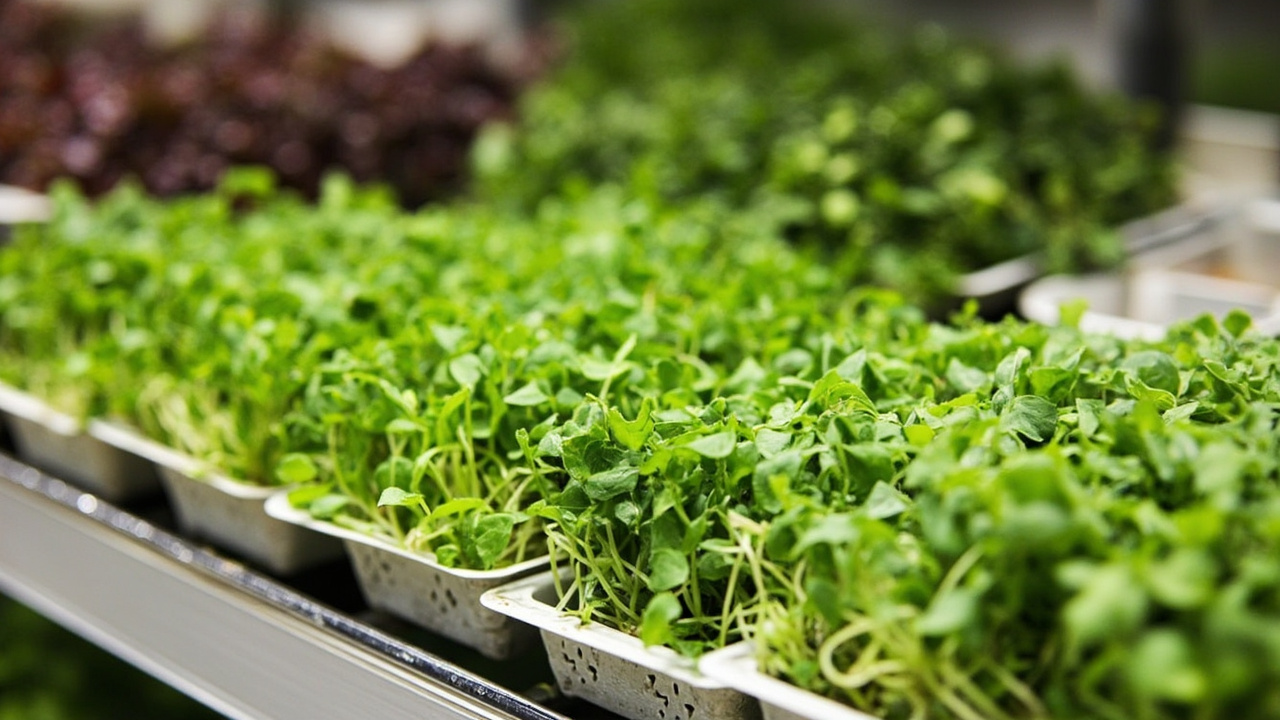
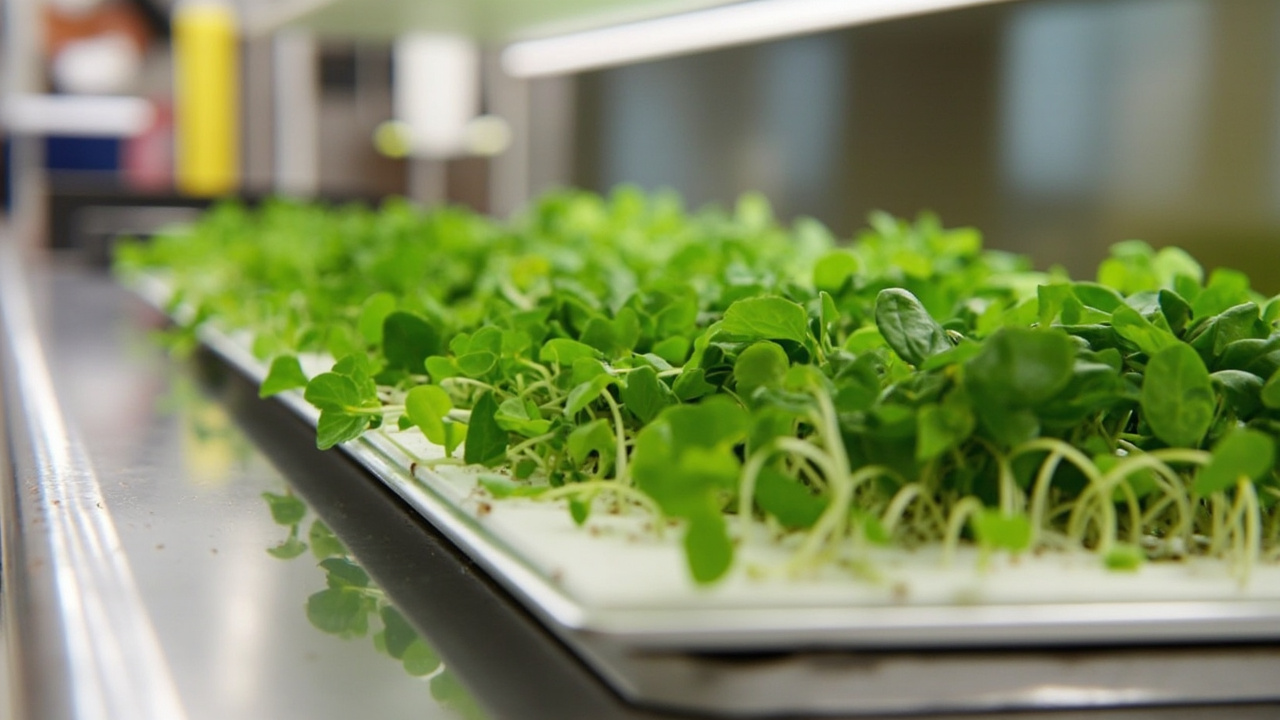
Broccoli microgreens are one of the easiest beginner crops because they germinate quickly, grow evenly, and have a mild green flavor that works in everyday food. They are small brassica seedlings harvested after the cotyledons open, usually before the first true leaves become dominant.
The crop is forgiving, but not automatic. Fresh untreated seed, an even sowing layer, bright light after germination, and careful watering matter more than any special kit. Once those basics are in place, broccoli is a reliable tray to repeat.
Why Broccoli Microgreens Are Beginner-Friendly
Broccoli follows the basic process in how to grow microgreens closely. The seeds are small enough to spread evenly, fast enough to give feedback within days, and mild enough that most people can use the harvest in sandwiches, eggs, salads, and bowls.
Unlike some larger seeds, broccoli does not need a long soak. Unlike mucilaginous seeds, it does not form a sticky gel layer. That makes it a good crop for learning seed density, blackout timing, and bottom watering without adding too many special rules at once.
Seed And Tray Setup
Start with untreated seed as described in the microgreens seeds guide. For a first tray, use a small amount and aim for a dense single layer, not piles of overlapping seed. Too much seed is one of the easiest ways to create trapped humidity and uneven stems.
A shallow tray with drainage works well. Spread about half an inch of pre-moistened medium, level it lightly, scatter the seed evenly, and press the seed into contact with the surface. You do not need to bury broccoli seed deeply. A light press and even moisture are usually enough.
For a small home tray, it is better to sow slightly less than to sow heavily. The harvest may be smaller, but the seedlings stand cleaner and teach you more.
Germination And Blackout Timing
The seed layer should sit on an evenly damp microgreens growing medium. Broccoli usually germinates quickly when kept warm and evenly moist.
- Mist the surface after sowing so the seeds settle.
- Cover the tray with a lid or another tray for the blackout period.
- Check daily for lifting seedlings and even moisture.
- Uncover when stems are pushing upward, often after 2 to 4 days.
- Move the tray into bright light so the pale stems green up.
The failure mode is leaving broccoli covered too long. The stems stretch, humidity builds, and the tray becomes weaker even if germination looked strong.
Light And Water After Germination
Once stems are upright, use the bottom-watering rhythm from the microgreens watering guide. Pour water into the lower tray, let the medium wick it upward, and drain excess after 10 to 20 minutes. This keeps the canopy drier than daily misting.
Broccoli microgreens also need bright, even light after uncovering. A windowsill can work if it is genuinely bright, but a small grow light gives more consistent results. Good light keeps stems shorter and leaves greener. Weak light produces tall, pale, leaning trays that are harder to harvest cleanly.
When Broccoli Microgreens Are Ready
Broccoli usually fits the early window in when to harvest microgreens. Many trays are ready around 7 to 12 days after sowing, depending on room temperature and light. Look for open cotyledons, upright stems, good green color, and a tender texture.
The honest trade-off is flavor versus size. Waiting longer may add mass, but broccoli can become stemmy or stronger tasting. For a first tray, cut when the canopy is open, even, and still tender. You can always hold the next tray a day longer if you want a stronger flavor.
Common Broccoli Tray Problems
- Patchy germination: old seed, dry spots, or poor seed contact.
- Long pale stems: cover left on too long or light too weak after uncovering.
- Fuzzy white roots: often root hairs, especially if they disappear after misting.
- True mold: usually wet, crowded, stagnant conditions with a stale smell.
- Seed hulls on leaves: common when the tray dries unevenly or seed is crowded.
Broccoli is a good teacher because it responds quickly. If one tray is weak, adjust only one or two things on the next sowing: fresher seed, lower density, earlier uncovering, stronger light, or cleaner bottom watering.
Turn any PDF statement into a clean sheet
Skip the typos and the hours of copying. Our converter handles any bank statement format and outputs Excel, CSV, or QBO for QuickBooks. No file retention, free to try.