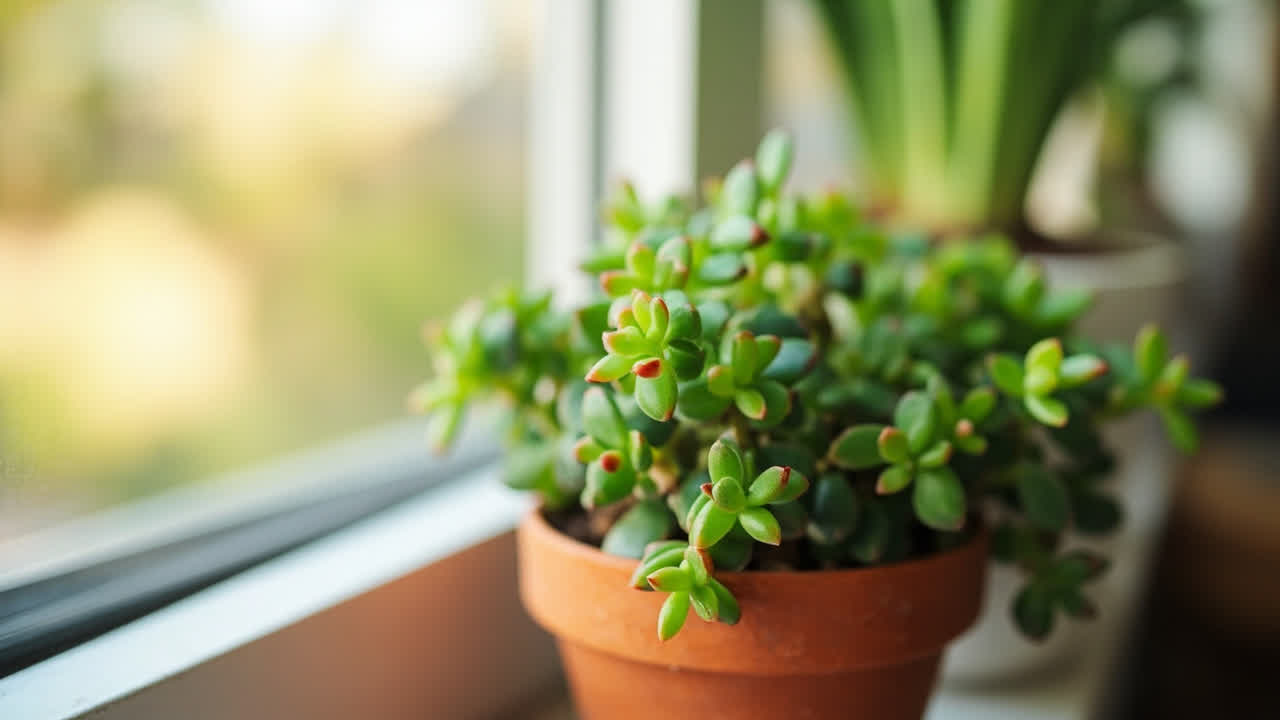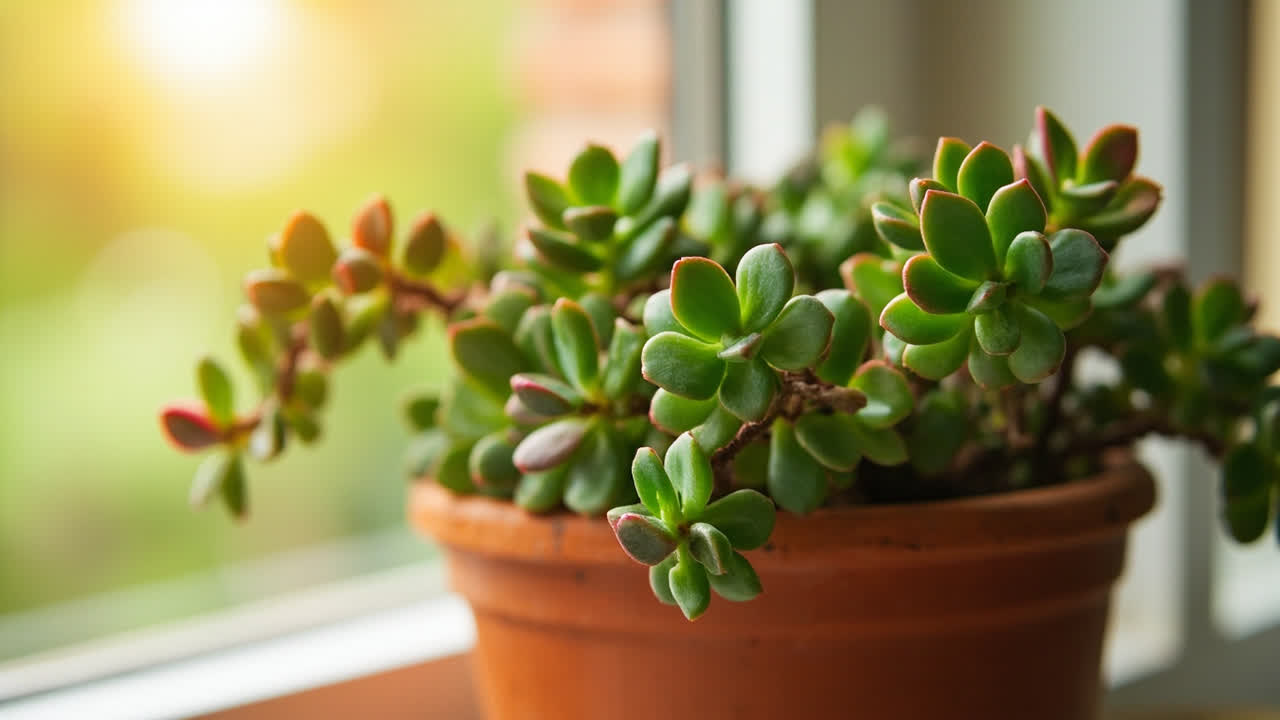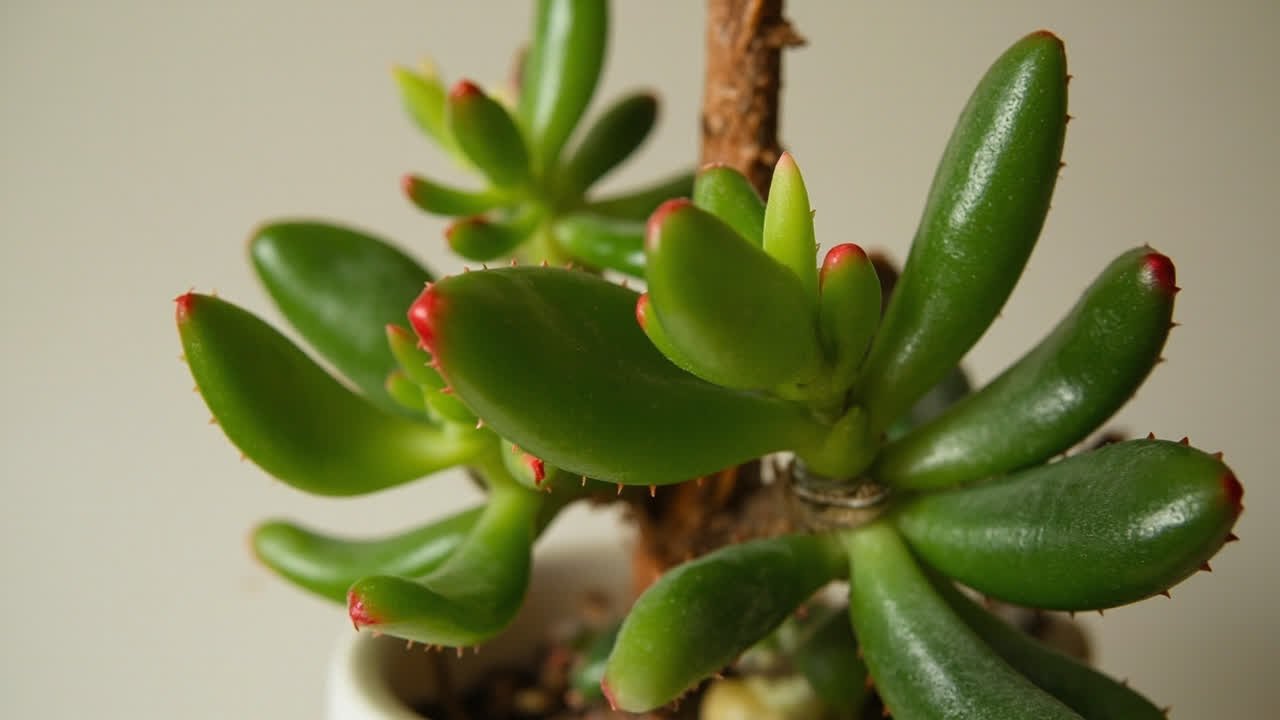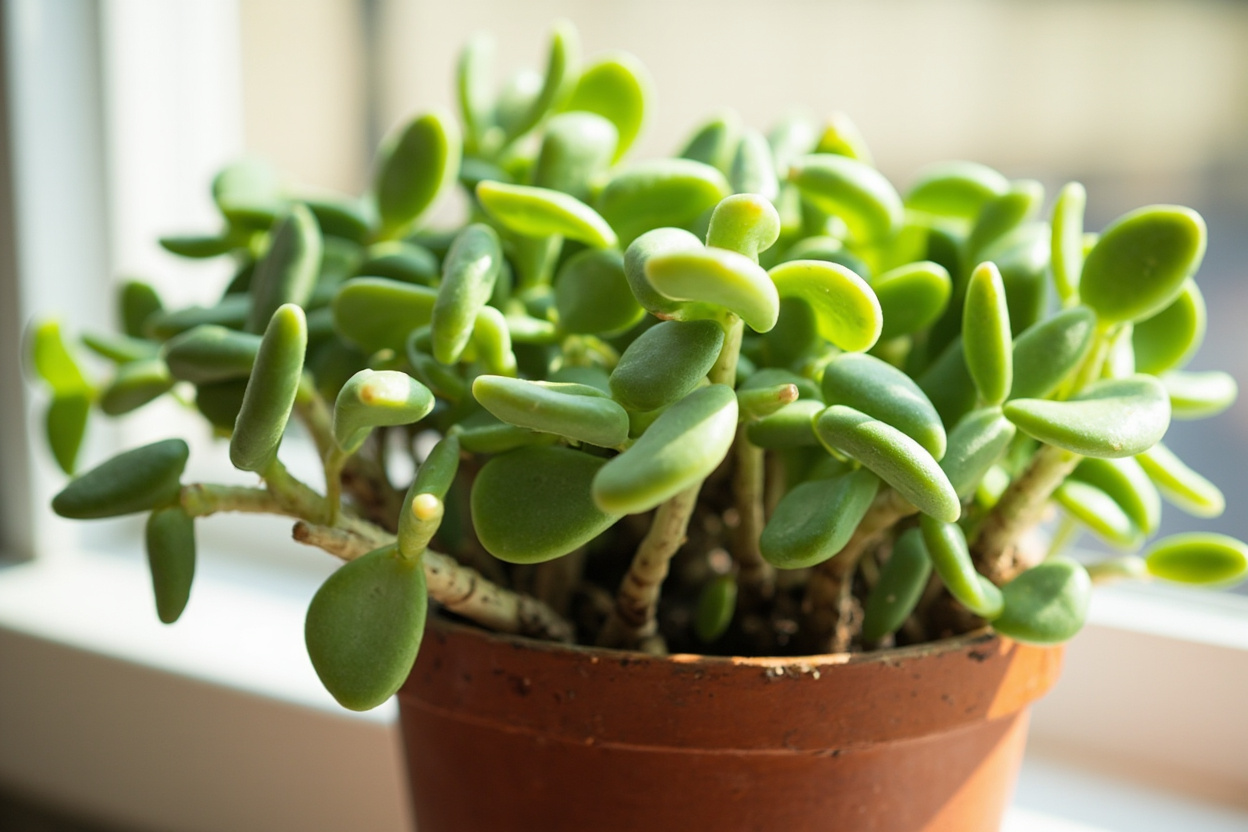

A jade plant (Crassula ovata) drops leaves, shrivels, or develops black spots for very specific reasons: overwatering, root rot, cold damage below 50°F (10°C), or sap-sucking pests like mealybugs. Once you match the symptom to the actual cause, revival is usually straightforward within 2–4 weeks because jade plants are succulents that regrow from healthy stem and leaf tissue when you remove the underlying stress. This guide walks through the diagnosis and fix sequence that works for save dying jade plant cases, with measurements you can take at home.
Why Your Jade Plant Is Dying: The Three-Lock Diagnosis
Before any revival work, you need to identify the cause because each failure mode has a different fix. Acting on the wrong cause usually accelerates decline, since jade plants are slow to show damage and fast to decline once a critical threshold is crossed. Most dying jade plants fit one of three patterns.
The three failure modes:
- Soft, mushy stems with yellowing or translucent leaves — almost always overwatering and root rot, because Crassula ovata stores water in its leaves and cannot tolerate soil that stays wet longer than 5–7 days.
- Wrinkled, shriveled leaves on a dry plant — severe underwatering or root damage from the opposite end, where the roots have died and cannot absorb water even when it is available.
- Sudden leaf drop after a temperature drop — cold shock, because jade plants are native to South Africa and struggle below 50°F (10°C), and a single cold night can defoliate the entire plant within 24–48 hours.
If you can match your plant to one of these, the revival path is clear. If you see two failure modes at once, the plant is in cascading decline (root rot plus secondary pest infestation) and the primary cause must be fixed first, because treating pests on a plant with fatal root rot wastes the pest treatment.
Quick Recognition Checklist: Is Your Jade Plant Actually Dying?
Some symptoms look like decline but are not. Run through this checklist before any revival plan because acting on a non-problem wastes time and can stress an already-stressed plant.
Normal behavior that is not dying:
- Leaf drop in winter. Jade plants shed older leaves in low light when temperatures drop below 60°F (15°C). The plant usually re-leaves in spring when conditions improve.
- Red leaf margins. This is a sign of adequate light, not stress. Jade leaves develop red edges when they receive 4+ hours of direct sun, because the plant produces protective pigments in response to UV exposure.
- Slow growth in winter. Jade plants naturally slow their growth from November through February. Growth below 1 inch per month in winter is normal; growth below 1 inch per month in summer suggests a problem.
Actual dying signals:
- Soft, black, or mushy stem sections that leak watery sap.
- More than 30% leaf drop in a 7-day period during the active growing season.
- Leaves that drop off at the slightest touch, even gentle ones.
- Visible mealybug colonies (white, cottony tufts) in the stem joints or leaf axils.
- A persistent musty smell from the soil, which signals anaerobic root rot.
If your plant shows one of the actual dying signals, move to the diagnostic section below. If it shows only the normal behaviors, skip the revival steps and adjust light, water, or temperature gradually over 2–3 weeks.
Direct Answer: How to Save a Dying Jade Plant in 2–4 Weeks
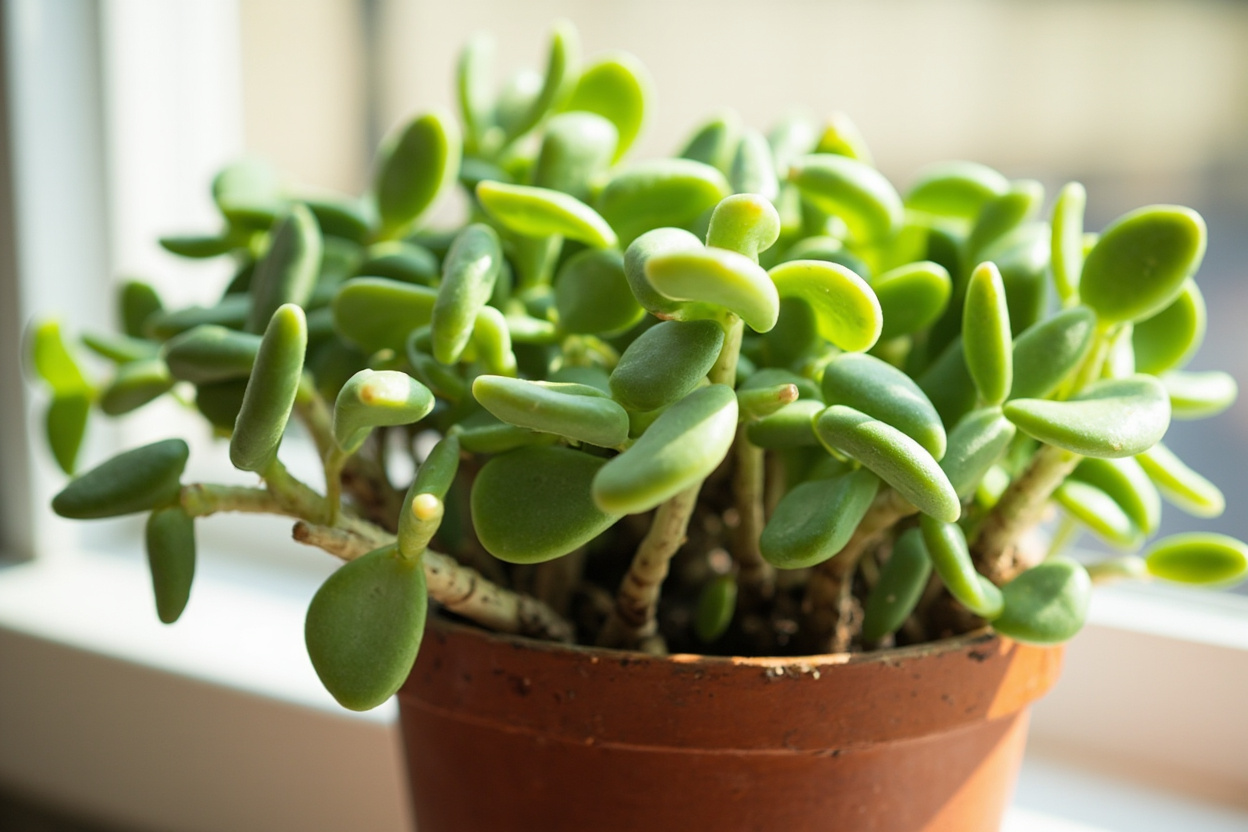
The fastest way to revive a dying jade plant is to (1) stop watering immediately, (2) unpot the plant and inspect the roots, (3) cut away any black, mushy, or hollow roots with sterilized shears, (4) let the plant callus for 24–72 hours in dry air, (5) repot in fresh, fast-draining cactus and succulent mix, and (6) resume watering only when new leaves appear. This sequence works for the most common failure mode (root rot) within 2–4 weeks, because jade plant stems can regrow roots aggressively from healthy cambium tissue once the rotted material is removed.
If the cause is cold damage, the timeline extends to 4–8 weeks because the plant needs to rebuild damaged vascular tissue, and you should not expect visible new growth before then. Mealybug infestations can be cleared in 2–3 weeks with consistent 70% isopropyl alcohol dabbing and repeat applications every 5–7 days.
Expected outcome by failure mode:
| Failure Mode | Time to First New Growth | Full Recovery |
|---|---|---|
| Root rot (early stage) | 2–4 weeks | 6–10 weeks |
| Cold damage | 4–8 weeks | 2–3 months |
| Severe underwatering | 1–2 weeks | 3–6 weeks |
| Mealybug infestation | 2–3 weeks | 4–6 weeks for full clearance |
| Light-related etiolation | 3–4 weeks (after light fix) | 3–4 months with pruning |
Mechanism: Why Jade Plants Fail the Way They Do
Jade plants are woody succulents that photosynthesize through both leaves and green stem tissue, and they store water in their fleshy oval leaves. This biology creates failure patterns distinct from leafy tropical houseplants.
Leaves are the buffer, not the engine. The leaves hold water reserves the plant can draw on during dry periods. When roots cannot keep up with water demand (during overwatering damage), the plant sheds leaves to reduce demand and protect the stem. This is why a leafless jade plant can still recover — the woody stem holds dormant buds that produce new growth within 4–8 weeks once conditions improve.
Roots evolved for dry soil. Crassula ovata roots are adapted for the well-drained, sandy soils of South Africa’s Eastern Cape. When potted in standard houseplant mix and watered weekly, the roots sit in moisture for 5–10 days at a time and begin to die. Once roots die, the upper stems go soft because the dying root tissue spreads rot upward through the vascular system.
Cold shock is irreversible at the cellular level. When jade plants experience temperatures below 50°F (10°C), cell walls rupture inside the leaves, releasing their stored water. The leaves turn translucent and drop within 24–48 hours. The plant can recover from cold damage, but only the stem tissue that was not frozen — damaged cells cannot be restored, only replaced by new growth.
Step-by-Step Revival Process
Step 1: Stop Watering and Unpot the Plant
If you suspect root rot, stop watering immediately. Unpot the plant by turning the pot sideways and tapping the bottom. Slide the root ball out and inspect the roots. Healthy roots are white, tan, or light brown and feel firm. Rotted roots are black, dark brown, gray, or hollow, and they smell sour or like decay.
Gently shake off the old soil. If the soil is soggy, lay the root ball on newspaper for 1–2 hours to wick away excess moisture before you cut. Do not wash the roots under running water because wet roots are harder to inspect, and you risk spreading rot to healthy tissue through splashing.
Step 2: Cut Away Rotted Tissue
Use sharp, sterilized pruning shears (wipe with 70% isopropyl alcohol before and after each cut). Cut back to firm, healthy tissue on both roots and any soft stem sections. The cut surface should be cream-colored or pale green, with no brown or black streaking. If a stem is hollow, cut below the hollow section to solid tissue.
Wear gloves. Jade plant sap is mildly irritating to sensitive skin, and the woody stems are tough enough to require sharp tools. Standard pruning shears work, but for thick stems (over 1 inch diameter) a small saw or loppers may be needed for clean cuts.
Step 3: Let the Plant Callus
Place the plant on a dry surface in a warm, airy location out of direct sun for 24–72 hours. This allows the cut surfaces to dry and form a callus, the plant’s natural barrier against pathogens. Skipping this step is the most common reason jade plants fail to recover after a root prune, because wet cuts invite fungal infection that the plant cannot fight off while in shock.
Longer callus times (48–72 hours) are better than shorter, especially for thick stem cuts. The callus should feel dry and slightly corky to the touch before repotting. If you can see moisture on the cut surface after 24 hours, give it another day.
Step 4: Repot in Fresh, Fast-Draining Mix
Use a cactus and succulent mix, or make your own by combining 2 parts regular potting soil, 1 part perlite, and 1 part coarse sand. The pot must have drainage holes, because jade plants cannot survive in pots without drainage even with careful watering. A terracotta pot is ideal because it wicks moisture away from the root zone through evaporation.
Plant at the same depth as before. Do not bury the stem deeper than it was originally, because buried stem tissue rots easily. Wait 7–10 days after repotting before you water, to let the disturbed roots settle and any small wounds heal. A longer wait is safer than a shorter one for jade plants, because the plant is highly susceptible to rot right after repotting.
Step 5: Resume Watering Only When New Growth Appears
New leaves or stem-tip growth is the signal that roots have re-established. Once you see small growth, water deeply until water runs out the drainage holes, then let the top 1–2 inches of soil dry completely before the next watering. In most homes, this means watering every 14–21 days during the active growing season and every 4–6 weeks in winter.
Underwatering is far safer than overwatering for jade plants. The plant can tolerate dry soil for 4–6 weeks without damage because its leaves store enough water for several weeks of drought. Overwatering, by contrast, can kill the plant within 7–14 days because the roots cannot survive in saturated soil.
Cold Damage Recovery: A Different Approach
If your jade plant was exposed to temperatures below 50°F (10°C) — for example, near a drafty window in winter, left outside during a cold snap, or transported in an unheated vehicle — the recovery path differs from root rot. Cold-damaged leaves turn translucent, then black, and drop within 24–48 hours, but the damage is usually confined to the parts that were exposed.
What to do:
- Move the plant to a warm location with temperatures between 65–75°F (18–24°C) immediately.
- Do not water for 10–14 days; the plant is in shock and cannot absorb water effectively.
- Wait 4–8 weeks. Damaged leaf and stem sections will either callus over (heal) or go black and mushy (continue to die).
- Cut back any black or mushy sections to healthy tissue after 4 weeks, when the plant has had time to delineate the damage.
- Resume normal care once you see new growth from the undamaged stems.
Cold-damaged plants can look dead for 6–8 weeks before they show new growth, because the plant is rebuilding damaged vascular tissue internally. Do not give up on the plant until at least 8 weeks have passed without any sign of life, as long as the main stem is firm, not mushy. A firm stem with no leaves is alive; a soft, mushy stem is dead.
Underwatering vs. Overwatering: A Common Confusion
Many plant owners assume a wilting plant needs more water, but for jade plants this assumption often kills the plant. The symptoms of underwatering (wrinkled, soft leaves) and overwatering (yellowing, translucent leaves) look similar at a glance, but require opposite treatments.
To tell the difference:
- Underwatering: Leaves are thin, wrinkled, and slightly soft, but they retain their green color. The soil is bone dry. The plant perks up within 24 hours of watering.
- Overwatering: Leaves are yellow, translucent, or black at the base. The soil is damp or soggy. The plant does not perk up after watering and may get worse.
When in doubt, wait 7 days before watering. If the plant was underwatered, it will perk up. If the plant was overwatered, the extra week of dry soil will not harm it further but will give you time to inspect the roots without rushing into a repotting.
Mealybug Treatment: When Pests Are the Cause
Mealybugs are the most common pest on jade plants, and a heavy infestation can defoliate the plant within 2–3 weeks. They appear as white, cottony tufts in the stem joints and along the leaf axils. Because jade plants have many crevices where pests can hide, manual removal plus repeated treatment is the only reliable approach.
Treatment protocol:
- Dip a cotton swab in 70% isopropyl alcohol and dab directly on every visible mealybug. The alcohol dissolves their waxy coating and kills them on contact.
- Spray the entire plant with a mix of 1 part 70% isopropyl alcohol to 4 parts water, including the undersides of leaves and into the stem joints. Do this in the evening or in shade so the alcohol does not burn the leaves in direct sun.
- Repeat every 5–7 days for 3–4 weeks because mealybug eggs hatch in waves, and a single treatment will not kill the next generation.
- For severe infestations, consider a systemic insecticide containing imidacloprid as a soil drench, applied per label instructions. This is a last resort because systemic insecticides also affect pollinators if the plant is moved outdoors.
Quarantine the plant away from other houseplants during treatment, because mealybugs spread readily on contact and via crawling. Inspect neighboring plants weekly for the first month after you clear the infestation. See our guide on jade plant pests for a more detailed treatment protocol.
Trade-Offs and Honest Limitations
Jade plants are forgiving once you understand their limits, but they have honest constraints that affect how aggressive a revival plan can be.
What jade plants cannot do:
- They cannot tolerate prolonged wet soil. If your pot does not have drainage, no amount of careful watering will save the plant long-term. The pot must have drainage holes, period.
- They cannot recover from total stem rot. If the main stem is mushy from the base upward for more than 4 inches, the plant is too far gone. Take leaf or stem cuttings from any firm, healthy tissue and root them in moist cactus mix to start a new plant — this is often the only way to save a plant with severe rot, because cuttings carry the same genetics and grow into mature plants faster than starting from seed.
- They cannot bloom indoors without enough light. Jade plants need 4–6 hours of direct sun daily to produce their characteristic pink-white flower clusters in late winter. You can keep the plant alive in lower light, but you will not see flowers, because blooms require sufficient light energy to trigger bud formation.
What works against expectation:
- A leafless plant is not dead. Jade plants routinely drop all their leaves in winter or under stress and re-leaf within 6–10 weeks of corrected conditions. Do not discard a leafless plant unless the main stem is mushy, because even a bare woody stem has dormant buds that can produce new leaves once the underlying stress is removed.
- Repotting in the same size pot with fresh soil can be enough. Jade plants prefer being slightly root-bound, and moving to a larger pot adds soil that stays wet too long, which often causes the very root rot you are trying to fix.
Care After Recovery: Keeping the Plant Healthy
Once your jade plant shows new growth, you have two jobs: prevent the original failure from recurring, and gradually transition the plant back to a normal care routine.
Light: 4–6 hours of direct sun daily is the target. South-facing or west-facing windows work well. If natural light is insufficient, a full-spectrum grow light on a 12-hour timer will keep the plant compact and prevent etiolation. For complete care guidance, see our jade plant care guide and jade plant light requirements.
Water: Water deeply only when the top 1–2 inches of soil are dry to the touch, and the leaves show slight signs of thirst (slight wrinkling or softness). In a typical home, this is every 14–21 days during spring and summer, every 4–6 weeks in fall and winter. Reduce watering further if the plant is in a cool room (below 65°F / 18°C). For detailed watering schedules, see jade plant watering requirements.
Soil and pot: Cactus and succulent mix in a terracotta pot with drainage holes. Repot every 2–3 years, or when the plant becomes severely root-bound (roots circling the pot or growing out of the drainage holes). Move up only one pot size at a time — going from a 6-inch to a 10-inch pot is too large and leads to overwatering problems.
Temperature: 65–85°F (18–29°C) is the comfortable range. Jade plants can handle brief drops to 50°F (10°C) but will defoliate below that. Avoid placing the plant near drafty windows in winter or air-conditioning vents in summer.
Fertilizer: Feed once per month during the active growing season (March through September) with a balanced liquid fertilizer diluted to half strength. Do not fertilize in fall or winter, when the plant is not actively growing. Over-fertilizing causes salt buildup in the soil and can burn the roots, so if you see white crust on the soil surface, flush the soil with water and skip feeding for 2 months.
Frequently Asked Questions
How do I know if my jade plant is dead or just dormant?
Scratch the main stem lightly with a fingernail. If the tissue underneath is green, the plant is alive. If it is brown and dry, that section is dead. Check several sections along the stem, because sometimes only the lower part has died and the upper portions are still alive.
Can a jade plant come back after losing all its leaves?
Yes, if the main stem is still firm. Move the plant to bright light, water sparingly, and wait 6–10 weeks for new leaves to emerge from dormant buds along the woody stem. Do not fertilize a leafless plant because the roots are not actively absorbing nutrients.
Why are the leaves on my jade plant turning yellow?
Yellowing leaves usually mean overwatering. Check the soil moisture and the roots. If the soil is wet and the roots are dark and mushy, treat as root rot. If the soil is dry and the roots are healthy, the yellowing may be from cold stress or from a recent move to a new location, and the plant will adjust in 2–3 weeks. For more diagnosis options, see jade plant wilting.
Why are the leaves on my jade plant falling off at the slightest touch?
Leaf drop at the slightest touch usually indicates overwatering or root damage. The leaf-stem connection weakens before leaves drop, so even gentle contact causes them to fall. Stop watering for 2 weeks and inspect the roots for rot.
How often should I water a jade plant in winter?
Once every 4–6 weeks is usually enough. The plant is not actively growing and uses very little water. Water only if the leaves begin to shrivel, which is the plant’s signal that it needs moisture. For complete winter care, see jade plant winter care.
Can I save a jade plant with a completely rotted base?
Yes, by taking stem or leaf cuttings. Cut firm, healthy stem tips 3–5 inches long, or pluck individual healthy leaves, let them callus for 24–48 hours, then root them in moist cactus mix. Stem cuttings root in 3–4 weeks; leaf cuttings take longer (6–8 weeks) but produce identical clones. For complete propagation details, see jade plant propagation guide.
Why does my jade plant have wrinkled leaves?
Wrinkled leaves usually mean either underwatering or root damage. If the soil is bone dry and the plant perks up within 24 hours of watering, the cause was underwatering. If the soil is moist and the plant does not respond to watering, the cause is likely root rot preventing water absorption, even when water is available.
Will my jade plant bloom again after recovery?
Yes, but expect a wait. After a major revival, the plant focuses on rebuilding roots and leaves for 3–6 months before it has the energy to bloom. Once the plant is healthy and receiving 4–6 hours of direct sun daily, blooms will return in late winter, because Crassula ovata blooms seasonally in response to short days and cool nights.
Key Takeaways
To save a dying jade plant, the core steps are simple: identify whether the cause is root rot, cold damage, underwatering, or pests; match the fix to the cause; and be patient. Jade plants are succulents that recover fast once the underlying stress is removed, and most plants show new growth within 2–4 weeks of corrected care. The two most common mistakes are overwatering and skipping the callus period after cutting — both lead to rot that the plant cannot outgrow. If your plant is severely damaged, leaf or stem cuttings give you a reliable fallback that can rebuild the plant from scratch in 6–10 weeks.
For more plant-revival guidance on related issues, see our guides on saving a dying crown of thorns plant and jade plant problems. The same diagnostic logic applies across most succulent houseplants: identify the failure mode, fix the cause, then maintain consistent care.
Turn PDF Bank Statements Into Workable Spreadsheets
Your bank statement is a mess of numbers, but your books shouldn't be. Use our converter to get Excel, CSV, or QBO files — ready for QuickBooks.
Try It Free Now