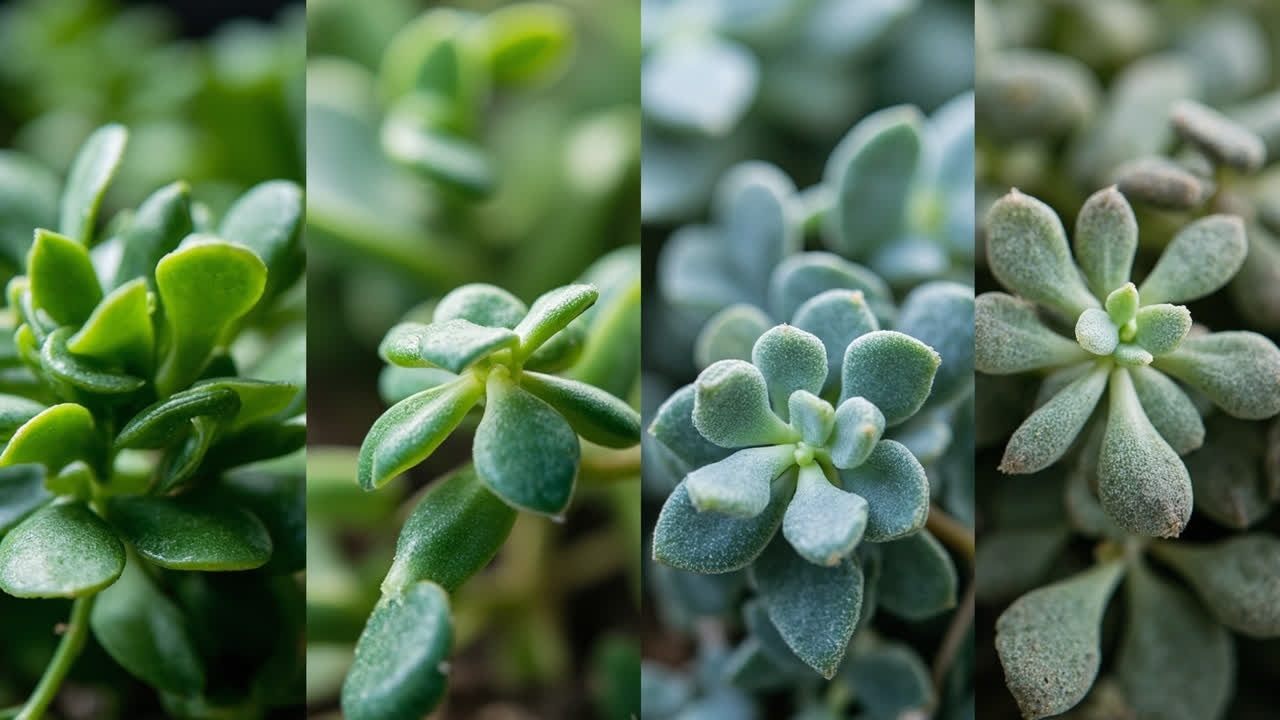
You’ve been treating your jade plant the same way all year. Same watering schedule. Same spot by the window. But lately it just looks… off. The leaves aren’t dropping exactly, but they’re not doing much of anything. This is when most people start to worry their plant is dying. It’s not. It’s dormant.
Jade plants (Crassula ovata) enter a natural dormancy period in winter, and it’s one of the most misunderstood phases of succulent care. Understanding what’s actually happening — and why — is the difference between a jade that survives winter and one that comes out strong in spring.
What Is Dormancy and Why Jade Plants Do It
Dormancy is not a sign of illness. It’s a genetically programmed response to reduced daylight and cooler temperatures. In their native South African habitat, jade plants experience a dry, cool winter — and they’ve evolved to essentially pause their growth during this period.
During active growth (spring through fall), a jade plant is building roots, storing water in its thick leaves, and producing new growth. When daylight drops below roughly 10-12 hours and temperatures fall, the plant shifts its priorities. Metabolic processes slow, water needs drop dramatically, and the plant stops producing new leaves.
This matters because many of the problems people see in winter — soft leaves, slow growth, slight leaf shrinkage — are completely normal dormancy responses. If you don’t know what’s happening, it’s easy to overwater, overfeed, or panic at the wrong moment. Your jade plant care guide has the baseline to compare against — but even a healthy plant looks different in December than it does in July.
How Dormancy Differs From Illness
The distinction matters. A dormant jade plant looks healthy — the leaves are firm, the color is consistent, there’s just no new growth. An ill jade plant shows progressive decline: yellowing leaves that soften unevenly, stems that go mushy, roots that smell rotten. Dormancy is stable. Illness progresses.
If your jade plant has been in the same spot all winter and suddenly looks like it’s pausing — no new leaves, no growth spurts — that’s the dormancy doing exactly what it should.
When Does Dormancy Start and End?
For most indoor jade plants, dormancy kicks in between late October and early December, once daylight falls below roughly 10 hours a day. It typically lasts through February or early March, ending when longer days and brighter light signal the plant to resume active growth.
The exact timing varies based on your home’s conditions. A jade plant in a warm, bright room with grow lights may never fully go dormant. One in a cooler room with fewer windows may slow down more dramatically.
You can’t force the schedule. But you can read the signals — and adjust your care to match what the plant actually needs rather than what it needed in August.
Winter Care: What Changes and What Doesn’t
Watering During Dormancy
This is where most indoor jade plant owners go wrong. In summer, you might be watering every 7-10 days. In winter, that same schedule drowns the roots. A dormant jade plant’s water needs drop by roughly 50-70% because its metabolic activity has slowed.
Water only when the soil is completely dry — and then wait another 3-5 days before watering. In a typical heated winter home, this might mean watering once every 3-4 weeks instead of every 10 days. The jade plant watering requirements guide has the full seasonal breakdown. The leaves are your guide: if they look slightly less plump than in summer, that’s normal. If they wrinkle and soften noticeably, that’s underwatering — but it takes sustained neglect to get there.
After watering, the soil should dry completely within a week. If it stays wet for two weeks or more, the mix is too moisture-retentive and you have a different problem to solve before winter sets in.
Temperature During Dormancy
Jade plants prefer 65-75°F / 18-24°C during active growth. During dormancy, they can tolerate temperatures down to 50-55°F / 10-13°C without damage. This cooler period is actually beneficial — it reinforces the dormancy cycle and leads to stronger spring growth.
What they cannot tolerate: frost. Temperatures below 32°F / 0°C will damage or kill a jade plant. If you grow jade outdoors in summer and bring it inside for winter, bring it in before first frost.
If your home stays consistently warm year-round (70°F+ / 21°C+), the jade plant may never fully enter dormancy. This isn’t catastrophic — it just means growth slows rather than stops, and you should continue a reduced watering schedule through winter.
Light During Dormancy
Jade plants still need light during dormancy — they’re not dead, just resting. The plant is photosynthesizing at a reduced rate. Keep it in the brightest available spot, ideally 4-6 hours of direct morning or evening light.
If your jade is in a low-light corner, winter is when it will show it — new growth will be leggy and stretched when spring returns. Move it closer to a window in October before the light gets truly weak, not after.
Fertilizer During Dormancy
Stop fertilizing from roughly November through February. This is the standard guidance, and it’s right. A dormant plant isn’t actively growing — fertilizer builds up as mineral salts in the root zone, damaging roots that aren’t in an active uptake phase.
Resume feeding when you see signs of new growth in spring — typically when days lengthen above 12 hours and new leaf buds appear at the branch tips. Use a balanced succulent fertilizer at half strength to start.
Signs Your Jade Plant Is Healthy in Winter
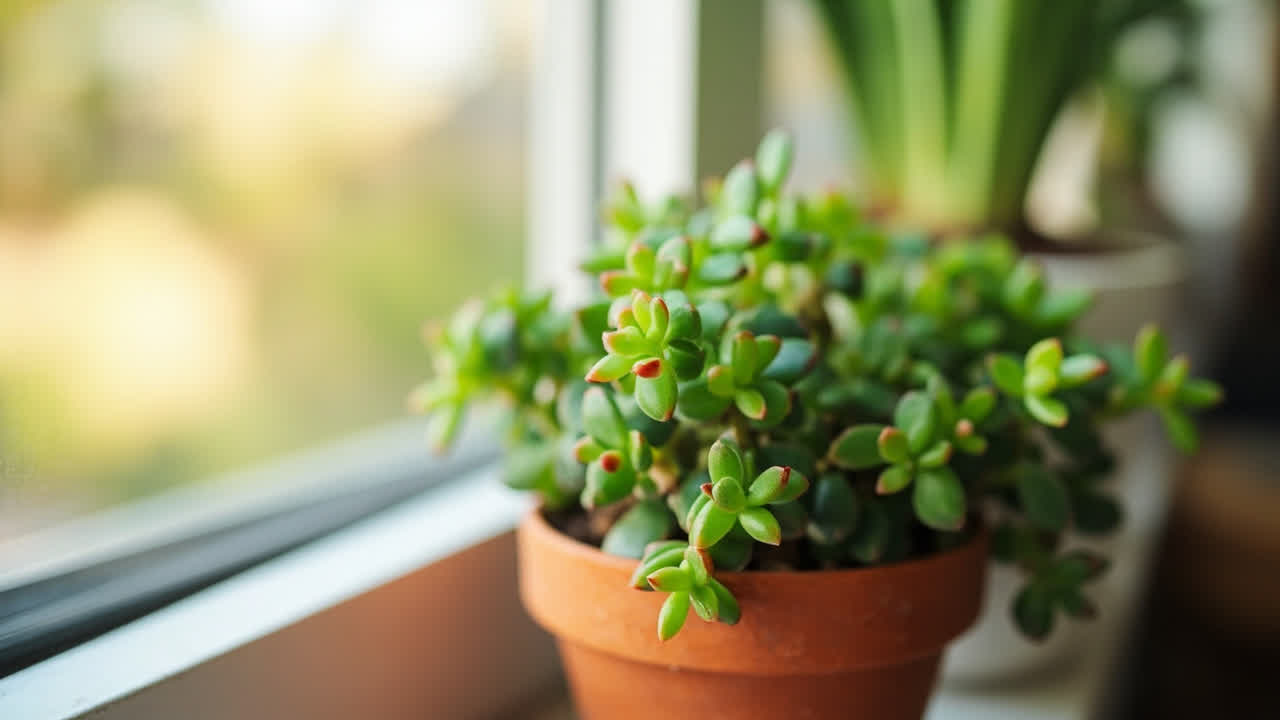
A dormant jade plant in good health looks like this: firm, waxy leaves with consistent color (typically deep green, sometimes with red edges in bright light). No softening, no yellowing, no mushy stems. The plant simply isn’t producing new leaves or elongating its stems.
The base leaves — the oldest, largest ones at the bottom of the plant — may shrink slightly as the plant draws on their stored water. This is normal. If the top leaves are still firm and the stem is solid, the plant is fine.
You’ll also notice that a healthy dormant jade feels noticeably lighter than it did in summer. This is because it’s used less water, not because it’s drying out. Pick up the pot — over time, you’ll learn what “normal light” feels like for your plant in dormancy versus summer.
Common Winter Worries That Are Usually Fine
Slight leaf drop on the bottom. A few lower leaves turning yellow and dropping off during winter is normal — the plant is shedding older leaves it no longer needs to support. If the rest of the plant looks fine, this is just the dormancy cycle doing its job.
No new growth for months. This is exactly what dormancy is. If the plant looks healthy otherwise, it’s resting, not dying. Spring will come.
Leaves looking less plump. Minor shrinkage in leaf thickness during winter is normal. Significant wrinkling across many leaves means underwatering — but “significant” means it looks obviously deflated, not just slightly less puffy than August.
What Is Not Normal and Needs Attention
Progressive yellowing across the whole plant, not just a few bottom leaves. Leaves that go soft and mushy — not just less firm. Stems that feel hollow or look dark at the base. Any smell of rot coming from the soil. These are signs of overwatering damage or root rot in jade plants, and they need to be addressed before the plant gets worse.
Bringing Your Jade Plant Out of Dormancy in Spring
When spring arrives and daylight increases, your jade plant will start to wake up. You’ll see new growth appearing at the branch tips — small, light green leaves that are unmistakably new. This is your signal to resume normal care.
Increase watering gradually as growth resumes. Hold off on fertilizer for the first 2-3 weeks of active growth, then resume at half strength using the jade plant fertilizer schedule. If the plant needs repotting — roots coming out of the drainage hole, growth stalling despite good care — spring is the right time to do it.
A jade plant that comes out of dormancy with strong new growth is a sign you’ve managed the rest period correctly. The plant was resting intentionally. Now it’s ready to grow.
Turn That PDF Into a Spreadsheet in Minutes
You've seen how to do it manually — now let the tool handle the heavy lifting. Upload your bank statement and get Excel, CSV, or QBO in a few clicks.
Try It Free