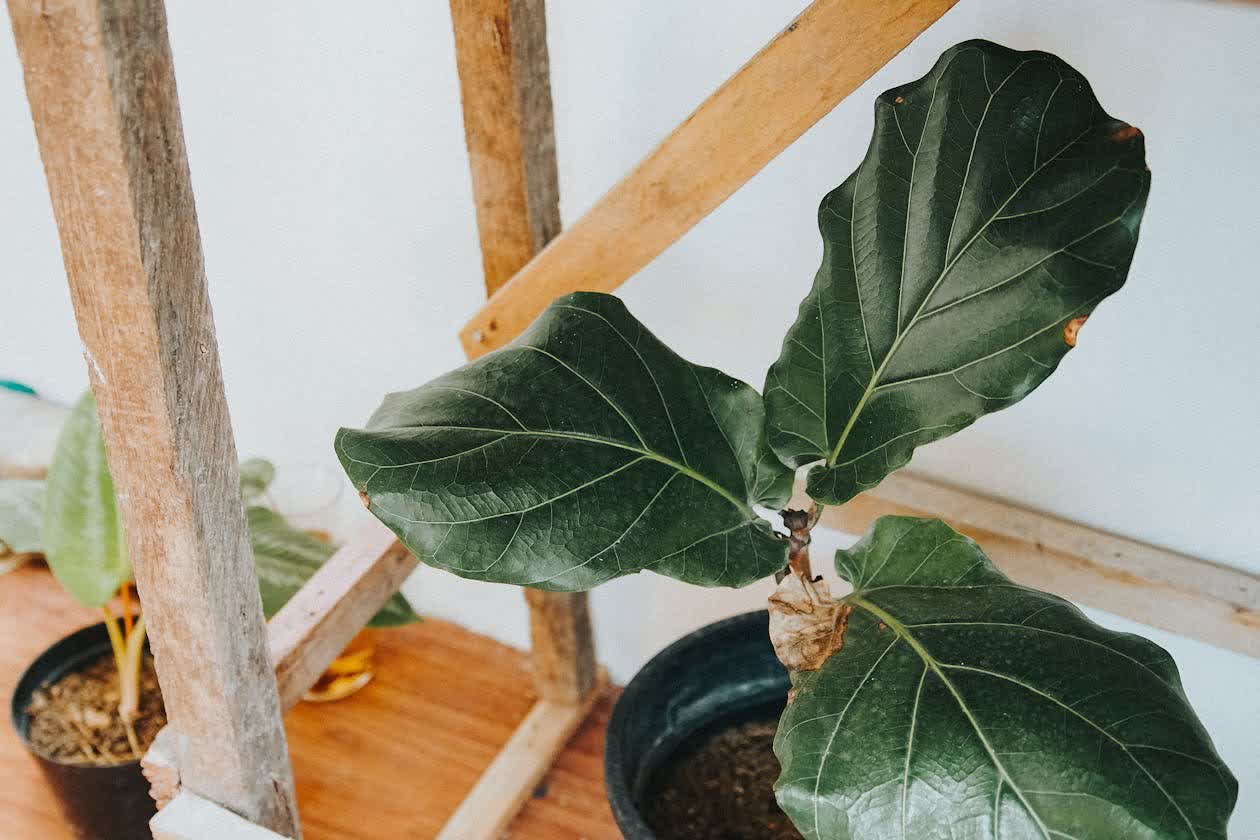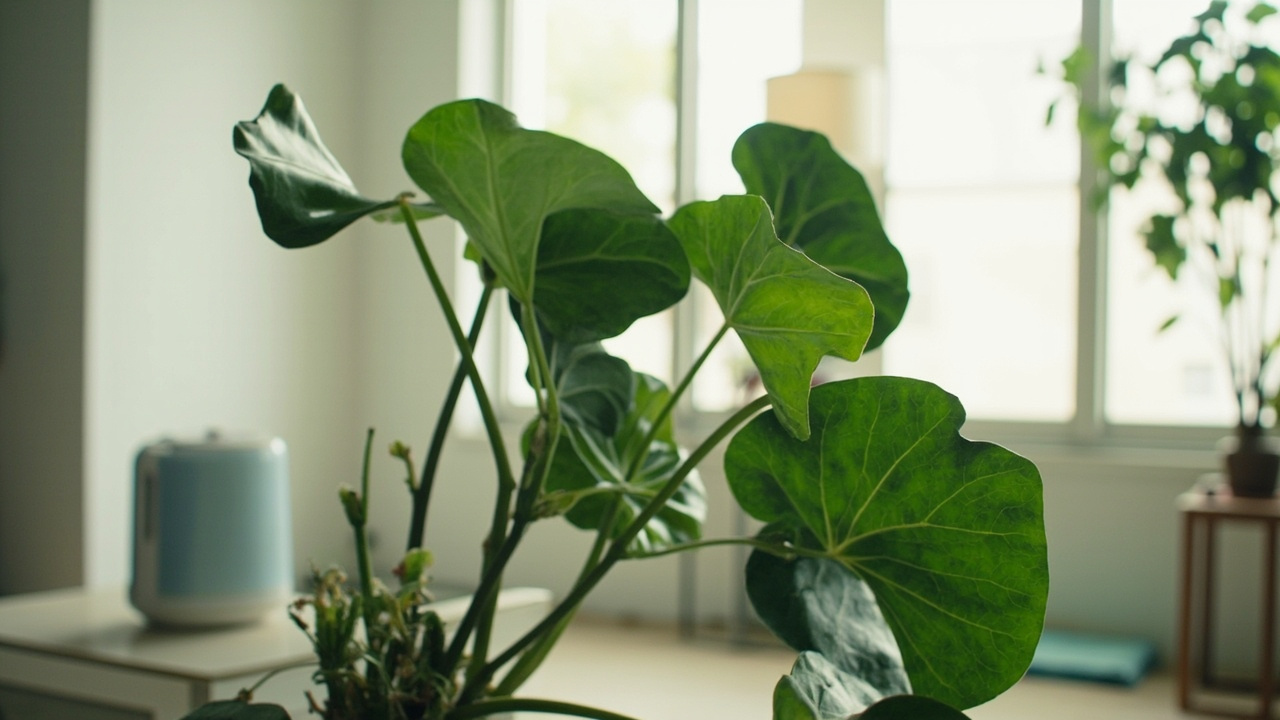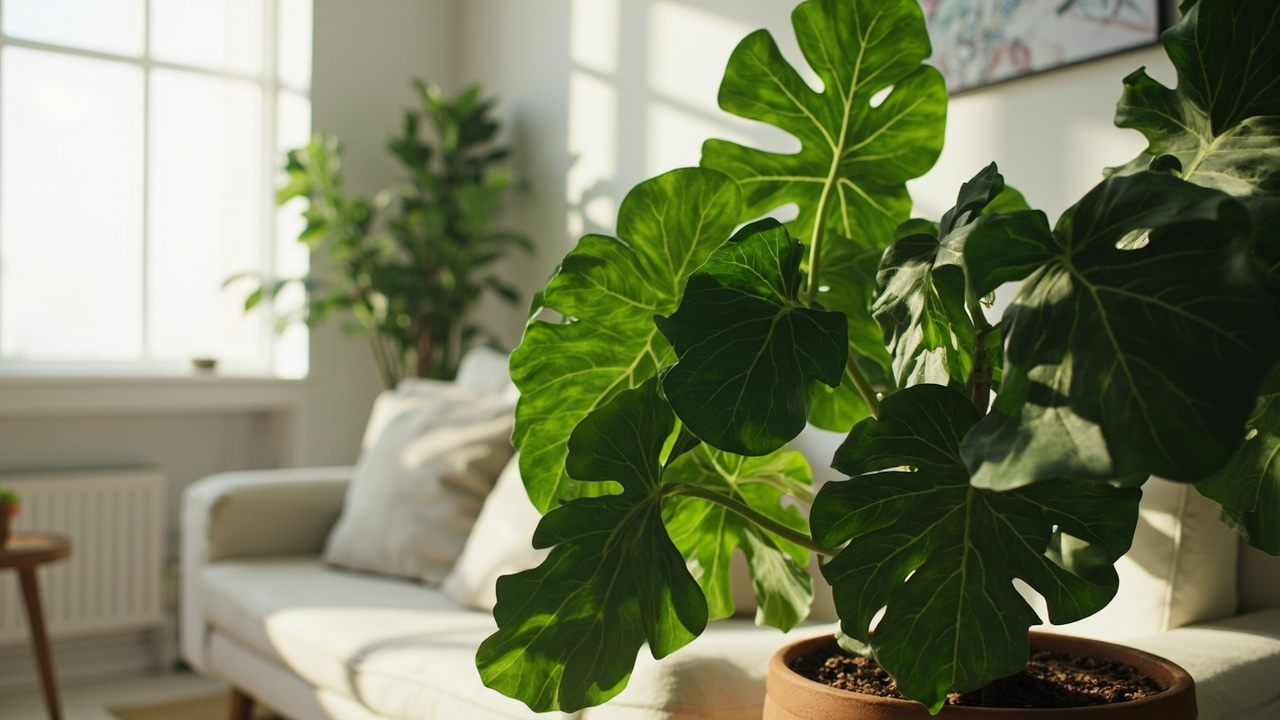

The fiddle leaf fig (Ficus lyrata) is a tropical houseplant with a reputation for being difficult — and that reputation is partly earned and partly unfair. In its natural West African rainforest habitat, it grows in consistent warmth, humidity, and dappled light with no dramatic changes in conditions. Replicate those conditions indoors and it is a genuinely rewarding, architecturally striking houseplant. The large, violin-shaped leaves that give it its name make it one of the most visually impactful houseplants you can grow, and when it is happy, it grows fast.
This guide covers everything you need to know to keep a fiddle leaf fig healthy long-term: light, water, humidity, soil, fertilizing, repotting, and the common problems that cause it to drop leaves or decline. Read it through before you buy — because the most common reason fiddle leaf figs fail in homes is that the conditions they need are not fully understood before purchase.
Light Requirements
Fiddle leaf figs need bright, indirect light to thrive. They are rainforest understory plants — in the wild they receive filtered light through a forest canopy, not direct sun. Indoors, this means a spot near a large window where the plant receives several hours of bright light but not direct afternoon sun. An east-facing window is ideal. The morning sunlight is gentle and the plant gets good ambient light for the rest of the day. See the fiddle leaf fig light requirements guide for detailed window orientation advice and grow light setup.
North-facing windows are usually too dark for fiddle leaf figs, especially in winter. If your only window is north-facing, the plant will survive but will not grow actively and will eventually decline. South or west-facing windows work if the plant is placed a few feet back from the glass or behind a sheer curtain that diffuses the direct rays. Direct afternoon sun burns the leaves. Large brown patches appear on the sun-facing side of the plant.
The single most important light rule for fiddle leaf figs is consistency. Do not rotate the pot daily. Mark the side facing the window and rotate only a quarter turn every two weeks. This keeps the plant growing evenly without the stress of constant reorientation. The leaves you see are the result of light conditions from several months ago. A sudden move to a much brighter spot will shock the plant and cause leaf drop.
Watering
Fiddle leaf figs prefer a soak and dry cycle. Water thoroughly until water runs freely from the drainage holes, then allow the top two inches of soil to dry completely before watering again. Overwatering is the number one cause of death. When the soil stays wet for more than a few days past the dry point, roots begin to suffocate and rot sets in within days. Check the soil with your finger before each watering. If it feels cool and damp two inches down, wait another day or two.
In winter, growth slows and water needs drop by roughly half. A plant that needs watering every five days in July may only need water every ten to fourteen days in January. The most common mistake is keeping the same watering schedule year round. Reduce watering gradually as daylight decreases in autumn. The fiddle leaf fig watering guide covers seasonal adjustments and the leaf plumpness test for diagnosing water stress.
Use room temperature water. Cold tap water shocks the roots and can trigger leaf drop. If your tap water is heavily chlorinated, let it sit open for twelve hours before watering. Rainwater or distilled water is ideal but not required. A well draining soil mix, covered in the next section, is almost as important as the watering schedule itself.
Humidity
Fiddle leaf figs originate in humid tropical forests and perform best at 40 to 60 percent relative humidity. Most homes run between 30 and 40 percent, which is survivable but not optimal. Brown leaf edges and crispy margins are the classic signs of low humidity stress. The plant is not dying. It is simply asking for more moisture in the air.
A humidifier placed near the plant is the most effective solution. A pebble tray works as a low cost alternative. Fill a shallow tray with gravel and water, then set the pot on top of the gravel. The water evaporates around the pot and creates a small microclimate. Do not let the pot sit directly in the water. Misting is ineffective. It raises humidity for only a few minutes and can promote fungal leaf spots if water sits on the foliage overnight. The fiddle leaf fig humidity guide covers additional methods including grouping plants together to share transpired moisture.
Soil and Drainage
A fast draining, chunky potting mix is essential. Standard houseplant potting soil retains too much moisture for a fiddle leaf fig and is the leading cause of root rot. Mix equal parts peat moss or coco coir, perlite, and coarse horticultural bark or pumice. This creates a gritty, airy medium that drains quickly while still holding enough moisture for the roots. Terracotta pots paired with this soil mix improve drainage further because the porous clay wicks excess moisture outward.
The pot must have drainage holes. Every pot. Without drainage holes, water accumulates at the bottom and the lower roots sit in standing water. Root rot follows within days during warm months. If you prefer a decorative pot without holes, keep the fiddle leaf fig in a plain plastic nursery pot and slip it into the decorative container. Remove and water the nursery pot separately, then return it once excess water has drained. See the fiddle leaf fig soil requirements guide for more on mix recipes, repotting frequency, and signs that the soil has broken down and needs replacement.
Temperature
Fiddle leaf figs grow best between 60 and 75 degrees Fahrenheit during the active growing season. They tolerate temperatures down to about 50 degrees Fahrenheit for short periods but will drop leaves if exposed to cold drafts or temperatures below 55 degrees for more than a few hours. Do not place a fiddle leaf fig next to an exterior door, a frequently opened window, or a heating vent. Even a brief blast of cold or hot air can trigger leaf drop that takes weeks to recover from.
Winter temperatures above 65 degrees with low humidity are the most challenging combination. The plant wants to rest but the dry air stresses it. Consider moving the plant slightly farther from cold windows in winter and away from heat sources. The fiddle leaf fig temperature tolerance guide covers hardiness zones, cold damage identification, and how to protect the plant during winter.
Fertilizing
Fertilize during the active growing season, spring through early autumn, with a balanced liquid fertilizer diluted to half strength. A 3 to 1 to 2 NPK ratio is ideal because fiddle leaf figs need more nitrogen for leaf growth than phosphorus or potassium. Feed once a month during spring and summer. Reduce to once every six to eight weeks in autumn as growth naturally slows. Stop fertilizing entirely in winter.
Do not fertilize a newly repotted plant for at least six weeks. Fresh potting mix contains enough nutrients. Fertilizing too soon can burn the roots because the fertilizer salts accumulate in soil that has not yet been flushed by regular watering. The fiddle leaf fig fertilizing guide covers fertilizer types, application technique, and how to recognize fertilizer burn versus underwatering.
Repotting and Propagation
Repot a fiddle leaf fig every one to two years, or when roots push out of the drainage holes or the soil dries out almost immediately after watering. Choose a pot only one to two inches wider in diameter. A pot that is too large holds excess soil that stays wet far longer than the roots can safely tolerate. Fiddle leaf figs actually prefer being slightly root bound. Forcing them into an oversized container is a common cause of root rot.
Handle the root ball gently. Fiddle leaf fig roots are fragile and snap easily. Loosen the outer roots lightly with your fingers before placing the plant in the new pot. Fill around the sides with fresh potting mix and water thoroughly. Do not fertilize for six weeks after repotting. See the fiddle leaf fig repotting guide for step by step instructions with root inspection tips.
Propagation from stem cuttings works best in spring or early summer. Choose a healthy stem with at least two nodes. Cut just below a node with a clean, sharp knife. Remove the lower leaves and dip the cut end in rooting hormone if available. Place the cutting in moist perlite, sphagnum moss, or a glass of water. Roots typically appear in three to six weeks. Transplant rooted cuttings into potting soil once the roots are one to two inches long. The fiddle leaf fig propagation guide covers the complete cutting process, water versus soil propagation comparison, and troubleshooting.
Common Problems
Brown spots on leaves usually indicate sunburn, overwatering, or a fungal infection. Sunburn spots are dry and brown with a yellow halo. Overwatering spots are soft and dark, often starting at the leaf margin. Fungal spots may have a dark center with a lighter ring and spread rapidly in humid conditions. The fiddle leaf fig problems guide has diagnostic flowcharts covering all major leaf symptoms.
Yellow leaves are a classic sign of overwatering. When the lower leaves turn yellow and drop while the soil stays damp, the roots are suffocating. It begins silently underground. Yellowing leaves, wilting despite wet soil, and a foul smell from the pot are the main above ground signs. Immediate action is required. Remove the plant from its pot, trim away all black and mushy roots with sterilized scissors, repot in fresh well draining soil, and water sparingly until new growth appears. The fiddle leaf fig root rot guide details the full rescue surgery.
Pests are uncommon but not impossible. Spider mites leave fine webbing on the undersides of leaves and cause stippled yellow dots. Mealybugs appear as white cottony masses in leaf axils. Scale insects look like small brown bumps on stems and leave sticky honeydew. Treat any pest infestation immediately with neem oil or insecticidal soap, following the fiddle leaf fig pests guide for species specific identification and treatment.
Pruning and shaping are minimal tasks for a fiddle leaf fig. Trim back leggy stems in spring to encourage bushier growth, and remove any brown or damaged leaves at any time., underwatering, transplant shock, or root rot. The pattern of droop tells the story. Soft, yellow droop points to overwatering. Dry, crispy droop points to underwatering. Sudden droop after repotting or moving is usually transplant shock and resolves on its own within a week or two. The fiddle leaf fig drooping guide walks through the diagnostic decision tree so you can identify the cause before acting.
The Most Important Rule
Fiddle leaf figs do not like change. They drop leaves in response to being moved, and they can take weeks to settle into a new position. Once you find a spot where the plant is growing well — bright indirect light, warm temperature, away from drafts — commit to keeping it there. The leaves you see are the result of conditions from several months ago. Whatever you change today will show up in the plant condition months from now. Consistent, patient care is what fiddle leaf figs reward.
If you are reading this before buying, start with a plant that is already established in a bright spot. Do not try to nurse a struggling nursery plant back to health as your first fiddle leaf fig. If you already have one, focus on getting the light and watering right and stop tweaking. The plant is telling you what it needs through its leaves. Yellow and soft means too much water. Brown and crispy means too little water or too much sun. Drooping after a move means give it time. A similar but easier Ficus species like the rubber tree may suit your needs if a fiddle leaf fig proves too demanding.
Turn PDF Bank Statements Into Workable Spreadsheets
Your bank statement is a mess of numbers, but your books shouldn't be. Use our converter to get Excel, CSV, or QBO files — ready for QuickBooks.
Try It Free Now