Light is the most fundamental requirement for jade plant health — more important than watering frequency, fertilizing schedule, or soil mix. A jade plant that receives adequate light grows compactly, maintains its deep green color, and develops the woody stem and full canopy that make it look like a miniature tree. A jade plant in low light survives, but it does not thrive.
This guide covers exactly how much light jade plant needs, what happens when it does not get enough, the signs to watch for, and how to give any jade plant — regardless of your home’s orientation — the light it needs to stay healthy and attractive.
How Much Light Does Jade Plant Need?
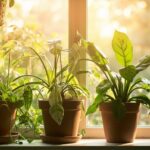
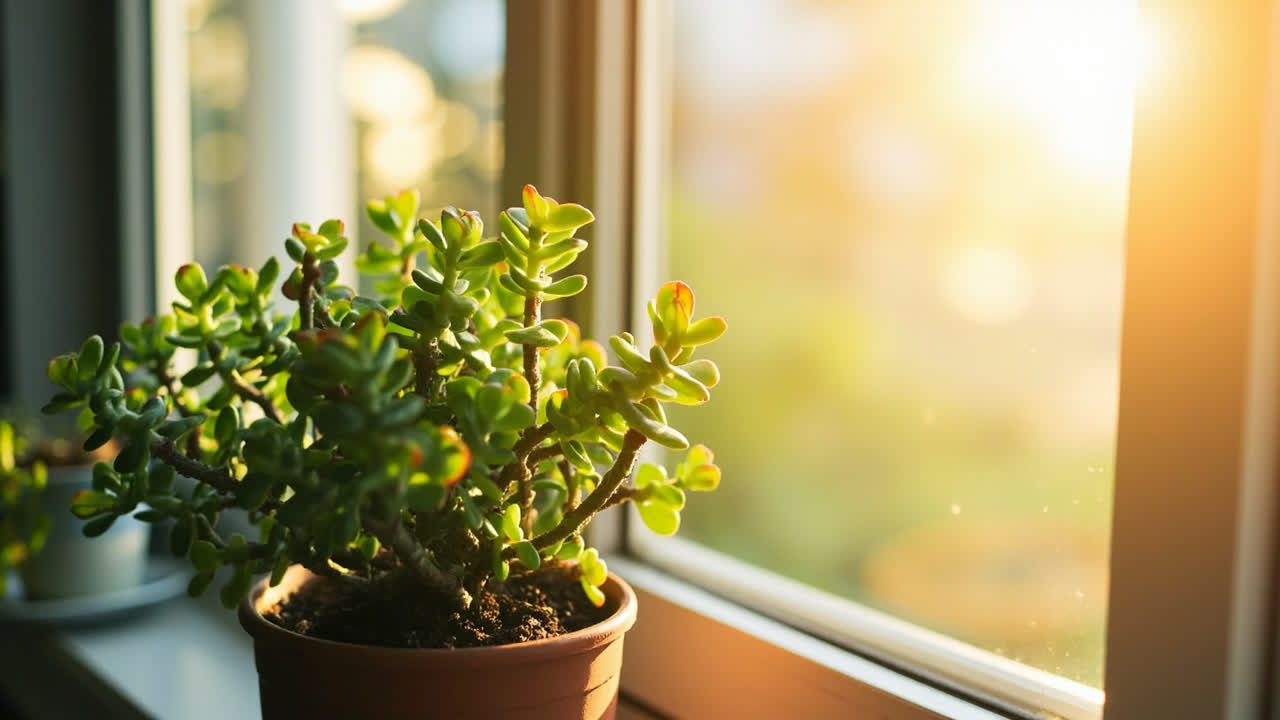
Jade plant performs best in bright, indirect light — roughly four to six hours of bright light daily. Direct morning sun (east-facing windows) is ideal. Late afternoon sun through a west-facing window can work, but the intensity may be too strong if the plant has not been gradually acclimated. South-facing windows provide the most consistent light, particularly in winter when the sun is lower and less intense.
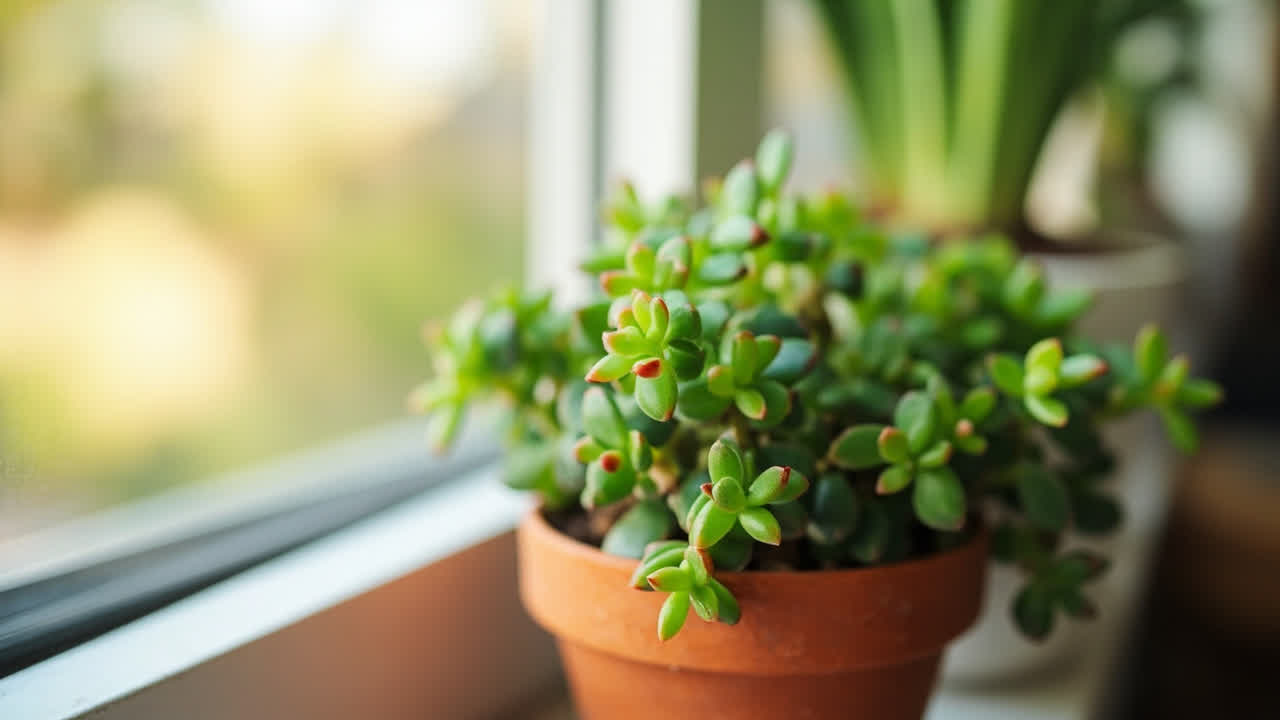
Signs of adequate light include compact, dense growth with short spacing between leaf pairs, rich green color without pale or yellow patches, and a sturdy stem that thickens over time rather than growing tall and thin. When these conditions are met, the jade plant looks like a well-formed miniature tree. When light is insufficient, it looks stretched and weak.
Direct Sun vs. Indirect Light : What Jade Plant Actually Prefers
For the complete care context including watering and soil, see the full jade plant care guide. — What Jade Plant Actually Prefers
Jade plant is not a tropical houseplant that needs filtered light. It originates from South Africa where it grows in semi-arid regions with intense, direct sunlight. In a home environment, direct sun — particularly through south or west-facing glass — is not harmful as long as the plant has been gradually acclimated to it.
Start by placing your jade plant in a location with bright indirect light and slowly move it closer to direct sun over two to three weeks. This allows the plant to build tolerance. A jade plant that has never been in direct sun and is suddenly placed on a hot south-facing windowsill in summer will scorch — the leaves develop brown, crispy patches and the plant becomes stressed.
Once acclimated, a jade plant on a sunny windowsill is one of the most attractive houseplants you can grow. The direct sun drives compact growth, deepens the green color, and can even produce a reddish tint on the leaf edges — a stress coloration that many growers actively encourage.
Signs of Insufficient Light
If your plant shows etiolation or stretching, our jade plant problems guide has recovery steps.
Jade plant in low light shows its stress clearly. The most obvious sign is etiolation — elongated, stretched growth where the stem grows long and thin between leaf nodes, with leaves that are smaller and paler than normal. The plant is reaching for whatever light is available, and the result is a leggy, weak structure that breaks easily and looks nothing like the compact miniature tree that jade plant should be.
Leaning toward the light source is another indicator. If a jade plant is near a window, it will lean noticeably toward it. While some leaning is normal, a plant that is clearly bending indicates it is not getting enough ambient light and is straining toward a single source. Rotating the plant weekly helps, but rotation alone cannot compensate for insufficient overall light.
Slow or stalled growth in spring and summer — normally jade plant’s active growing season — suggests the plant does not have enough light energy to fuel new growth. If you have not seen new leaves in months and the plant looks the same as it did last season, light is likely the limiting factor.
Pale or yellowing leaves in a jade plant that is not overwatered usually indicates insufficient light. The deep green color that makes jade plant attractive fades to a lighter, duller green when light is insufficient. Moving the plant to a brighter location typically restores the rich color within a few weeks.
Best Window Directions for Jade Plant
South-facing windows are the best option for jade plant in the Northern Hemisphere. They provide the most hours of intense light, including direct sun during the brightest part of the day. In summer, watch for signs of scorching and move back from the glass if leaves show stress. In winter, south-facing windows provide the most consistent light as the sun stays lower.
West-facing windows work well, particularly for afternoon sun. The light intensity is often high enough to support healthy jade plant growth, but the afternoon sun can be strong — again, acclimate the plant gradually to avoid scorching.
East-facing windows provide gentle morning sun, which is excellent for jade plant. The morning sun is less intense and rarely causes scorching, making east-facing windows a safe choice for plants that have not been acclimated to direct sun.
North-facing windows generally do not provide enough light for jade plant to thrive. A jade plant in a north-facing room will survive for a while but will gradually become etiolated, lose its compact shape, and slow its growth. If your only bright spot is north-facing, consider supplementing with a grow light.
Using Grow Lights for Jade Plant
A grow light is a practical solution for jade plant owners who do not have a naturally bright window. LED grow lights in the 4000-6500K (daylight) range work well. Position the light twelve to eighteen inches above the plant and run it for eight to twelve hours daily. This effectively replaces natural light and prevents etiolation.
Regular LED shop lights positioned above the plant work fine — you do not need specialized horticultural fixtures. A simple timer makes grow light management automatic: set it to run from early morning to evening, mimicking natural daylight hours.
How Light Affects Watering and Overall Health
Light levels directly affect how quickly jade plant uses water. A jade plant in high light — especially direct sun — dries out faster and needs watering more frequently. A jade plant in low light stays moist much longer after watering, which increases the risk of overwatering and root rot. If you move your jade plant to a brighter location, expect to water more often. If you move it to a dimmer spot, reduce watering frequency significantly.
This connection between light and water use is why jade plant near a south-facing window in summer may need watering twice a week, while the same plant in a north-facing room may go two weeks or more between waterings. Let the soil — not a calendar — be your guide, and adjust based on how quickly the soil dries after watering.
Seasonal Light Changes
Natural light availability changes with the seasons. In winter, days are shorter and the sun is lower — even a south-facing window receives less light in December than in June. Some jade plants show slow growth or slight etiolation in winter even with the same window placement. This is normal and usually corrects itself in spring when light intensity increases.
During winter, the reduced light and cooler temperatures mean the jade plant also uses less water. Combine this with the naturally shorter days and the plant’s semi-dormant state: cut back on watering significantly from your summer schedule, regardless of the pot size or soil mix.
Moving Your Jade Plant : Acclimation Tips
Any time you move a jade plant to a significantly brighter location, do so gradually. Start with the new location at a distance from the window or in bright indirect light, then move closer to direct sun over two to three weeks. This prevents the stress that causes leaf scorch and allows the plant to adjust its physiology to the new light environment.
Similarly, if you acquire a jade plant that has been grown in a greenhouse or retail environment under artificial or carefully controlled light, introduce it to your home’s natural light gradually. Plants from garden centers have usually been kept in shade and need time to adapt to brighter conditions.
The Simple Bottom Line on Jade Plant Light
More light is better than less for jade plant. If you can only offer low light, the plant will survive but it will not look its best — expect slow growth, etiolation, and a faded green color. If you can give your jade plant four to six hours of bright light daily, ideally including some direct sun, it will grow into the compact, attractive miniature tree that makes this plant so popular. A sunny windowsill is the single best thing you can give a jade plant.
Turn That PDF Into a Spreadsheet in Minutes
You've seen how to do it manually — now let the tool handle the heavy lifting. Upload your bank statement and get Excel, CSV, or QBO in a few clicks.
Try It Free