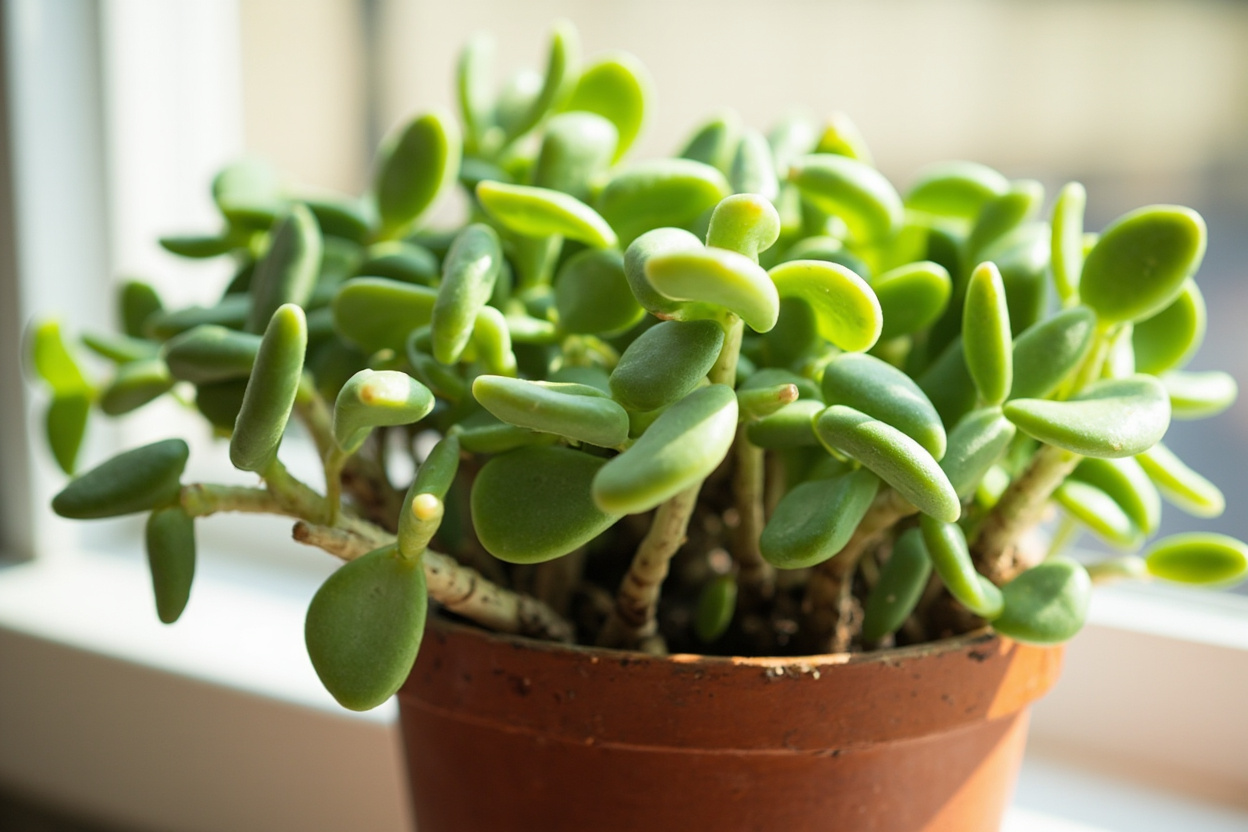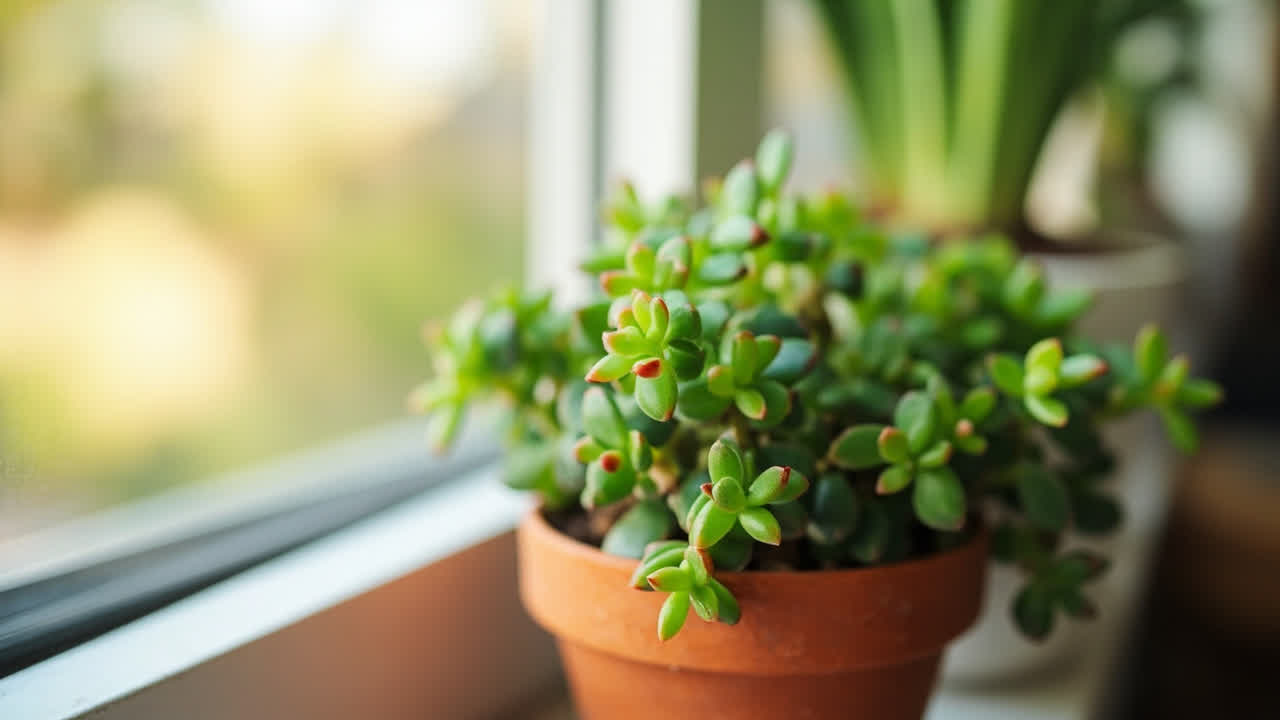

You’ve had your jade plant for a while, and the leaves have always looked thick and healthy. But lately you’ve noticed something unsettling: cracks running through the leaves, sometimes splitting them almost in half. The plant itself looks fine otherwise, so you’re not sure if this is serious or just cosmetic.
The good news: cracked or split leaves on a jade plant are rarely a sign of disease. The bad news: it’s a sign of a water management problem that, if left alone, will keep making the leaves split every time they grow new ones.
Why Jade Plant Leaves Split
Jade plants store water in their leaves — that’s the whole point of those thick, plump leaves. When the plant has plenty of water available, the leaves fill up and become rigid. When water is scarce, the plant draws on those reserves, the leaves shrink slightly, and they become more flexible. This is normal and healthy.
The splitting happens when a severely dehydrated jade plant suddenly gets a lot of water — and we mean suddenly. The plant’s cells absorb water faster than they can expand, creating internal pressure. Since jade plant leaves are relatively rigid and don’t have much stretch, that pressure has to go somewhere. The leaf splits along its natural growth line, typically from the tip toward the base. For the watering schedule that prevents this, the jade plant watering requirements guide has the full breakdown.
Think of it like a water balloon that’s been left in the sun — as it shrinks and the material hardens, a sudden flood causes it to burst at the seams.
The Difference Between Splitting and Other Leaf Damage
Not all leaf damage on jade plants is splitting. Edges browning and crisping is usually a sun burn or salt buildup from over-fertilizing. Holes in the middle of leaves are typically physical damage or, rarely, pest damage. Yellowing leaves that soften are usually overwatering or root rot.
Split leaves have a very specific appearance: a clean or ragged split running through the leaf, usually along the center vein or slightly off-center. The leaf tissue around the split may look healthy and normal. The split itself doesn’t spread to other leaves — each split is contained to the leaf it happens in. For other symptoms that look similar, the jade plant problems guide covers the full diagnosis range.
What Causes the Sudden Watering After Drought
Vacation Watering Mistakes
The most common trigger: a jade plant that goes 3-4 weeks without water while you’re away, then gets watered thoroughly the moment you return. The plant has been pulling water from its leaves, they appear slightly less plump but are otherwise fine, and then a big drink causes the split.
This happens because the owner assumes “dehydrated plant = needs urgent water.” The plant does need water, but flooding it immediately after a long drought is exactly the wrong approach.
Inconsistent Watering Habits
The second most common trigger: irregular watering. Some people water every 10 days on a good schedule for months, then forget for 3 weeks, then water heavily. Even if the plant survives this pattern, the leaf splitting can start once the cycle of drought-and-flood becomes the pattern.
This is particularly common in summer when plants dry out faster, followed by forgetfulness over a rainy period when the plant stays wet by accident rather than by intention.
Overpotting Followed by Flooding
When a jade plant is in a pot that’s too large for its root system, the soil holds far more water than the roots can absorb. The top few inches feel dry and the plant appears thirsty, but the bottom of the pot is saturated. Watering according to the surface dryness causes the same flood-drought cycle.
How to Fix a Jade Plant With Splitting Leaves
Step 1: Soak the Soil Gradually, Not All at Once
If you’ve just returned from vacation or you’ve neglected the plant for a while, don’t give it a thorough soaking right away. Instead, give it a small amount of water — just enough to dampen the top inch of soil. Wait 2-3 days. Give another small amount. Repeat this for 1-2 weeks, gradually reintroducing water rather than flooding the root zone.
After two or three cycles of light watering, the plant’s leaves will have adjusted to the return of regular water without the internal pressure spike that causes splitting.
Step 2: Remove Split Leaves
Split leaves won’t heal. They remain split permanently, growing larger but still split. For aesthetic reasons, you can remove them by gently twisting the leaf off at the stem — it should come away cleanly if it’s ready. Don’t pull hard; if it resists, leave it for another week.
Removing split leaves also redirects the plant’s energy to new growth rather than trying to sustain damaged tissue. New leaves that grow after you’ve corrected the watering pattern will be normal.
Step 3: Establish a Consistent Watering Schedule
The fix isn’t about watering less overall — it’s about watering consistently. A jade plant that’s watered every 10-14 days reliably is healthier than one that’s flooded every 10 days and neglected for 3 weeks in between.
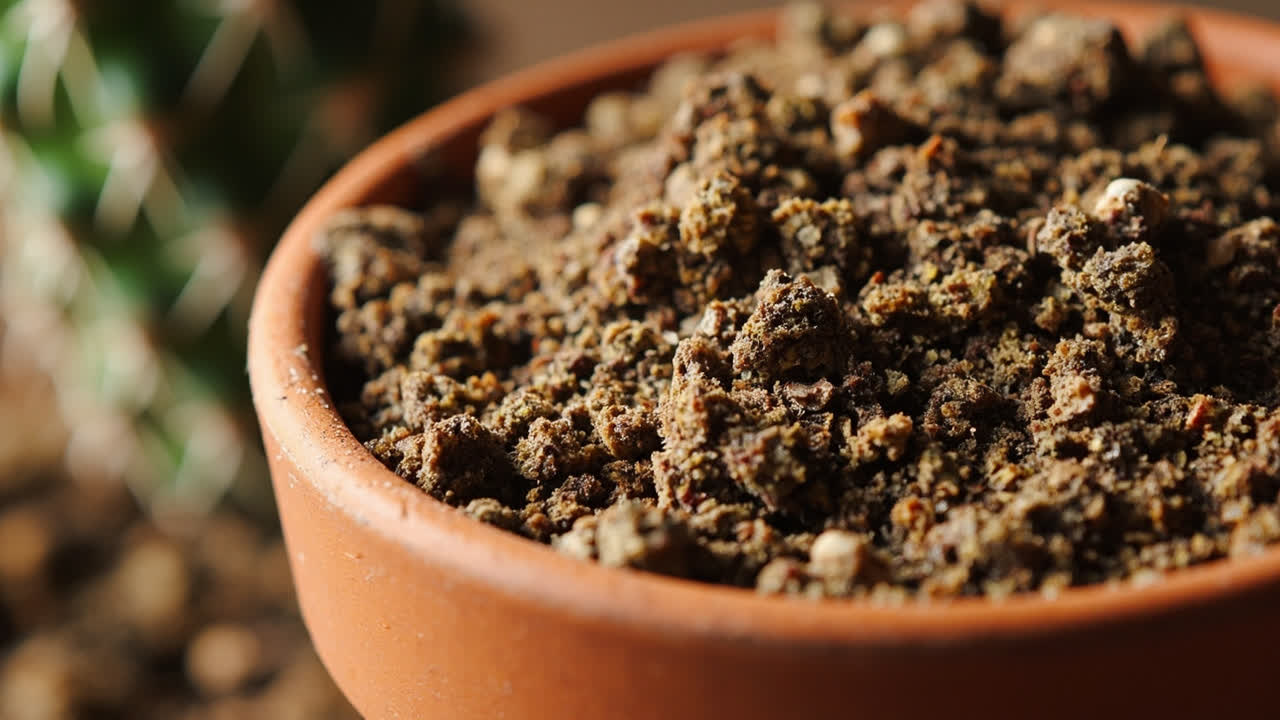
Use the soil as your guide, not the calendar. The soil should be completely dry between waterings. When you water, water thoroughly until it flows from the drainage hole. Then leave it alone until the soil is dry again. This simple rule eliminates the flood-drought cycle that causes splitting.
Preventing Splitting in the Future
The most effective prevention is consistent watering. If you know you’ll be away, ask someone to water the jade plant lightly once a week — not thoroughly, just enough to keep the root zone from completely drying out for weeks. A moisture meter costs very little and removes the guesswork for consistency.
Also check the pot size. A pot only slightly larger than the root ball drains faster and is easier to manage than a large pot with excess soil. If you have a jade plant in a 10-inch pot that looks undersized for the plant, consider whether the pot is creating watering challenges that are contributing to the problem.
If you’re going away, ease the plant into drought and ease it back out. Reduce watering frequency by a few days over two weeks before you leave, so the plant is already in a slower phase when you stop watering. When you return, restart with light waterings before returning to normal volume.
Turn any PDF statement into a clean sheet
Skip the typos and the hours of copying. Our converter handles any bank statement format and outputs Excel, CSV, or QBO for QuickBooks. No file retention, free to try.