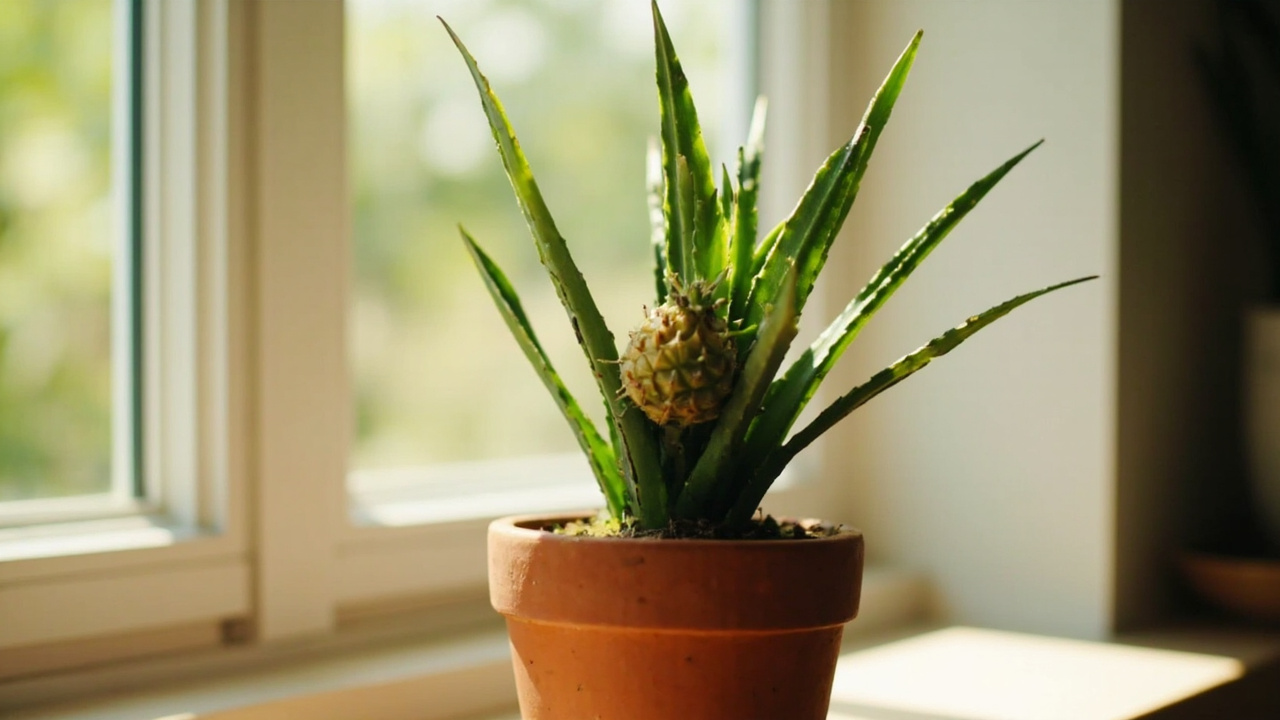
Pineapple pot size shapes everything below the leaves. It changes how fast the mix dries, how much oxygen reaches the roots, and how easy it is to keep the plant stable. That means the right pot is not the biggest one available. It is the one that matches the plant’s stage.
If you get this wrong, watering gets confusing fast. A pot that is too large stays wet too long. A pot that is too small dries too quickly and crowds the roots. The plant usually tells you which one you chose by the way it starts behaving.
Pot Size Changes How the Root Zone Functions
Pineapple plants are strongly affected by pot size because pot size changes drying speed, root spread, and overall control. A pot that is too small dries too fast and crowds the roots. A pot that is too large stays wet too long and creates rot risk.
This is one of those quiet structural decisions that shapes everything else. Get the pot size wrong, and your watering skills suddenly look worse than they really are.
The plant itself does not care about the number on the nursery tag. It cares about whether the root zone can breathe, dry, and expand on a useful rhythm.
Why the Root Zone Needs the Right Balance
Roots need oxygen as much as they need water. In an oversized pot, the soil at the bottom stays saturated while the roots are trying to function in conditions that are closer to waterlogged than moist. That is where root rot problems usually begin — not from watering too often, but from potting too large.
Best Pot Size by Growth Stage
- newly rooted crown or small pup: 4–6 inch pot
- established young plant: 6–8 inch pot
- larger mature container plant: 8–12 inch pot depending on plant size
What happens next when the pot matches the root stage is more predictable drying and steadier growth. You will water less on guess and more on feel, because the soil will actually tell you when it is dry rather than staying damp for a week.
Need help reading the signs before you repot? The repotting guide covers exactly when and how to make the move without setting the plant back.
Why Oversizing the Pot Is the Most Common Mistake
People often think a bigger pot gives the plant room to grow and solves future work in advance. For pineapple, oversized pots usually create too much unused wet soil around a root system that is not ready to use it.
The trade-off is convenience versus control. A larger pot may delay the next repot, but it raises moisture risk every single day. And in cool or low-light conditions, that risk stacks up fast.
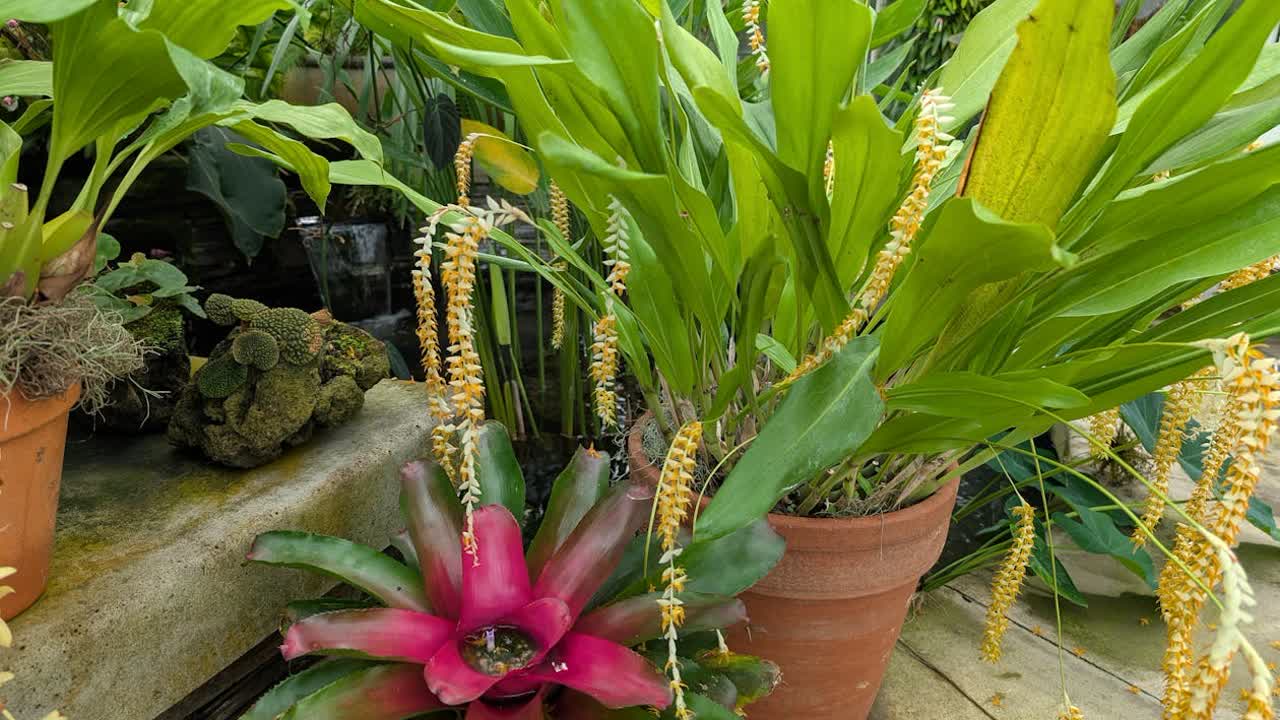
If you are the kind of grower who tends to water on instinct, a too-large pot makes that habit more dangerous. If you are careful and your room is hot and dry, you can tolerate slightly more pot. The plant always keeps the final vote.
Why Pots Too Small Also Cause Problems
Too small is not better. A cramped pot can dry out too fast, force the roots into a tight spiral, and make the plant harder to stabilize. You start needing water too often, and the whole care rhythm becomes annoying.
What happens next in a too-small pot is either chronic dryness stress or a root ball that becomes so packed it stops behaving normally. Neither one is ideal, and neither one gets better with time.
The Crowded Root Spiral Problem
When roots have no room to expand outward, they start circling inside the pot. Once that spiral sets in, it can be hard to reverse even after you finally repot. The plant adapts to growing in a tight coil, and its water uptake stays inconsistent even in a properly sized container afterward.
What Pot Material Does to Drying Speed
Pot material is not just an aesthetic choice. It directly affects how fast the root zone dries, and that changes how you manage watering.
Terracotta
Terracotta dries faster and gives you more breathing room if you tend to overwater. The tradeoff is that it can require more frequent watering in very hot weather — especially above 90°F / 32°C when evaporation accelerates. If you are in a dry climate, terracotta can buy you useful margin between watering sessions.
Plastic
Plastic holds moisture longer. That can help in dry rooms but increases root-risk if your mix is already too dense. If you are growing pineapple in plastic, be especially honest about whether the soil is actually drying between waterings rather than just looking like it is from the surface.
Ceramic
Glazed ceramic behaves somewhere in between depending on the glaze and drainage hole quality. It is fine if you can still get a real dry-down rhythm. If the pot does not have a generous drainage hole, glazed ceramic can hold onto moisture longer than you expect.
When to Size Up: The Honest Signal
Move up only when roots have clearly filled the current container or the plant is drying too quickly because the root mass is using the mix fast. Usually one pot size up is enough — if you are moving more than one size, something went wrong with the timing.
What happens next with gradual upsizing is a much safer balance between space and drainage. The plant fills the new pot steadily instead of sitting in a large volume of unused wet soil while waiting to catch up.
How Pot Size Affects Fruiting Down the Line
Pot size does not directly make a pineapple fruit. But it does affect root health and stability, and root health absolutely influences whether the plant has enough energy to mature into a fruiting stage.
A pot that is too wet slows everything. A pot that is too cramped stresses the plant. Fruiting sits downstream from root performance, and the pot is one of the primary tools for controlling what happens in the root zone.
If you are trying to get a pineapple plant to fruit, start by evaluating whether the current pot is helping or hindering. The care calendar has more on how pot decisions connect to the plant’s overall energy balance across seasons.
The Honest Take
The best pineapple pot is not the biggest one you own. It is the one that fits the current root system and lets the mix dry on a healthy rhythm.
For the full container strategy, pair this with the repotting guide and soil guide. The pot is the frame, but the soil and the watering rhythm are what actually keep the plant alive inside it.
Turn PDF Bank Statements Into Workable Spreadsheets
Your bank statement is a mess of numbers, but your books shouldn't be. Use our converter to get Excel, CSV, or QBO files — ready for QuickBooks.
Try It Free Now