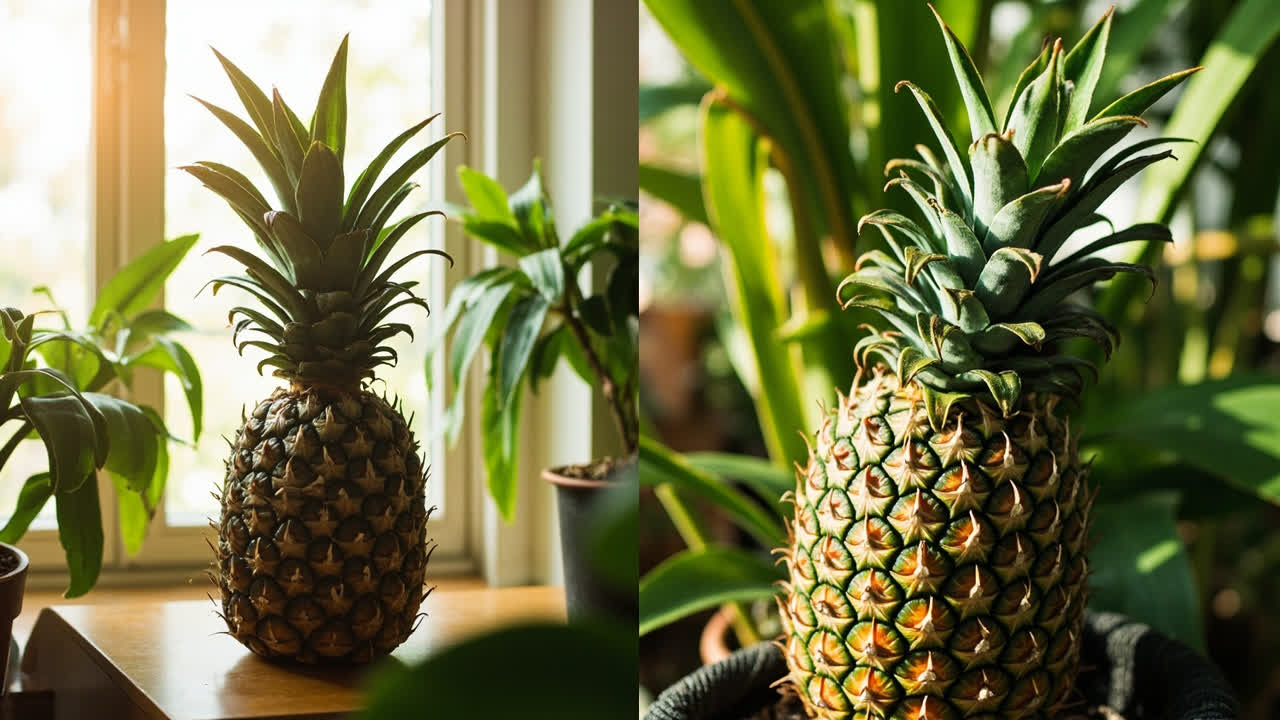
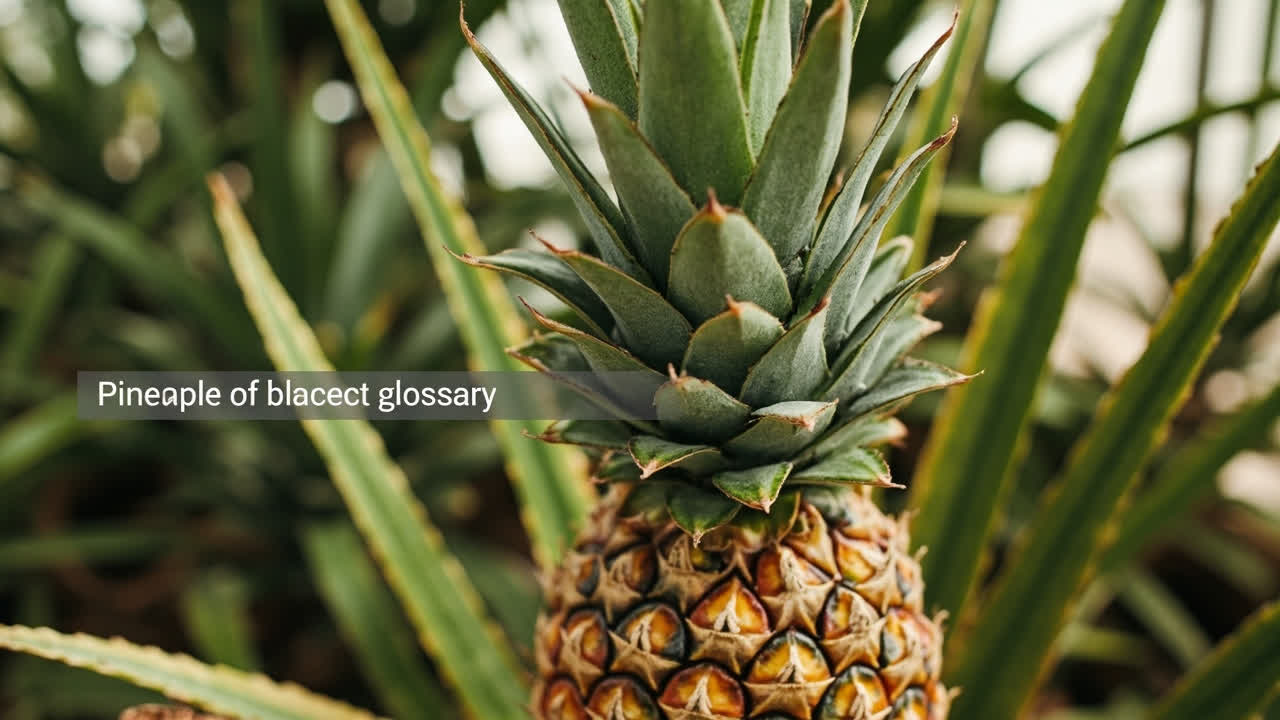
Queen pineapple is one of the best pineapple types for home growers because it stays more manageable than many larger commercial types and is often prized for sweet fruit. If your space is limited, that smaller scale is not a drawback. It is the reason the plant makes sense.
This page is about one role only: growing Queen pineapple as a home plant. Not the whole species, not every pineapple type, just the Queen form and why it fits container growers so well.
Why Queen Pineapple Appeals to Home Growers
Queen pineapple makes sense to home growers for one simple reason: it is usually a better match for real life than large commercial types. The plant is often more manageable, the fruit is known for sweetness, and the whole growing experience tends to feel less oversized in a container.
If Smooth Cayenne is the classic grocery-store workhorse, Queen pineapple is the version that feels more personal. Smaller, often sweeter, and easier to imagine on a patio without it taking over everything nearby.
The trade-off is obvious. You do not get the same large fruit size. But for many home growers, that is not really a loss. It is a more realistic fit.
What Queen Pineapple Is Known For
Queen pineapple is usually valued for:
- sweeter flavor
- smaller fruit size
- more manageable plant habit
- strong ornamental value
What happens next with a Queen type in a home setup is often a better balance between beauty and usability. You still get a serious tropical plant, but one that is less likely to feel awkward in a pot.
Because the plant is compact relative to many other pineapple types, the care rhythm can feel more controllable. That is especially useful if your only growing space is a deck, balcony, or bright corner that cannot support a giant container experiment.
Is Queen Pineapple Better for Containers?
For many growers, yes. Queen pineapple is often one of the better choices for container culture because it tends to stay more practical in scale than larger commercial types.

That does not mean tiny. Pineapple plants still need space. But the trade-off is more favorable when your growing area is a balcony, patio, or sunny corner rather than an open field.
If your potting setup is too wet or too large, though, even Queen pineapple loses its advantage. The variety helps, but it does not override bad container design.
How to Grow Queen Pineapple Well
The care basics are the same as other pineapple types:
- strong direct light for at least 6–8 hours
- fast-draining soil
- warm temperatures ideally between 70–90°F / 21–32°C
- careful watering with drying time between soakings
What changes is mostly the expectation. With Queen pineapple, you are often optimizing for sweetness and manageability rather than maximum fruit size.
Soil and Pot Setup
Use a loose mix with strong drainage and a container with a real drainage hole. If the pot stays wet, Queen pineapple suffers for the same reason every other pineapple does: weak roots, slower growth, and higher rot risk.
The soil guide and watering guide matter just as much here as variety choice does.
How Sweet Is Queen Pineapple?
Queen pineapple is often praised for sweetness and aroma, sometimes more than for size. That is part of its appeal. If your goal is flavor over spectacle, this variety group is worth the attention.
The limitation is that sweetness depends on growing conditions too. A stressed Queen pineapple in weak light will not magically outperform a healthy well-grown standard type. Genetics set the range. Conditions decide how much of that range you actually see.
What happens next with good conditions is the kind of fruit that rewards patience. With poor conditions, it is just another pineapple plant that looked promising but never reached its potential.
How Long It Takes to Fruit
Queen pineapple is not fast just because it is smaller. Expect a similar general timeline to other home-grown pineapples:
- first year: root establishment and vegetative growth
- second year: stronger structure and maturity build-up
- year 2–3: possible flowering and fruiting if conditions are good
What happens next depends heavily on warmth and light. Outdoor summer growth often speeds maturity more than indoor year-round caution.
Who Should Grow Queen Pineapple?
Queen pineapple is a smart choice if:
- you want a container-friendly fruiting pineapple
- you care about sweetness more than fruit size
- you want a plant that still looks good as an ornamental
It is less ideal if your main goal is growing the biggest possible pineapple. In that case, a larger commercial type may fit your expectations better.
Indoor or Outdoor?
Queen pineapple can do well either way, but like all pineapples it performs better with stronger light and warmth. If you can move it outdoors for warm months and keep it protected indoors in colder periods, that hybrid approach usually works best.
The indoor vs outdoor guide gives the full trade-off, and it applies here too.
The Honest Recommendation
If you can source Queen pineapple, it is one of the most appealing choices for serious home growers. Not because it is magical. Because it aligns better with how people actually grow pineapple at home: in containers, in limited space, and with flavor as a high priority.
That smaller fruit is the cost of that convenience. For many growers, that is a very good trade.
For the bigger picture, pair this with the pineapple varieties guide so you can compare it against other types before you commit.
Turn any PDF statement into a clean sheet
Skip the typos and the hours of copying. Our converter handles any bank statement format and outputs Excel, CSV, or QBO for QuickBooks. No file retention, free to try.
Convert your statement