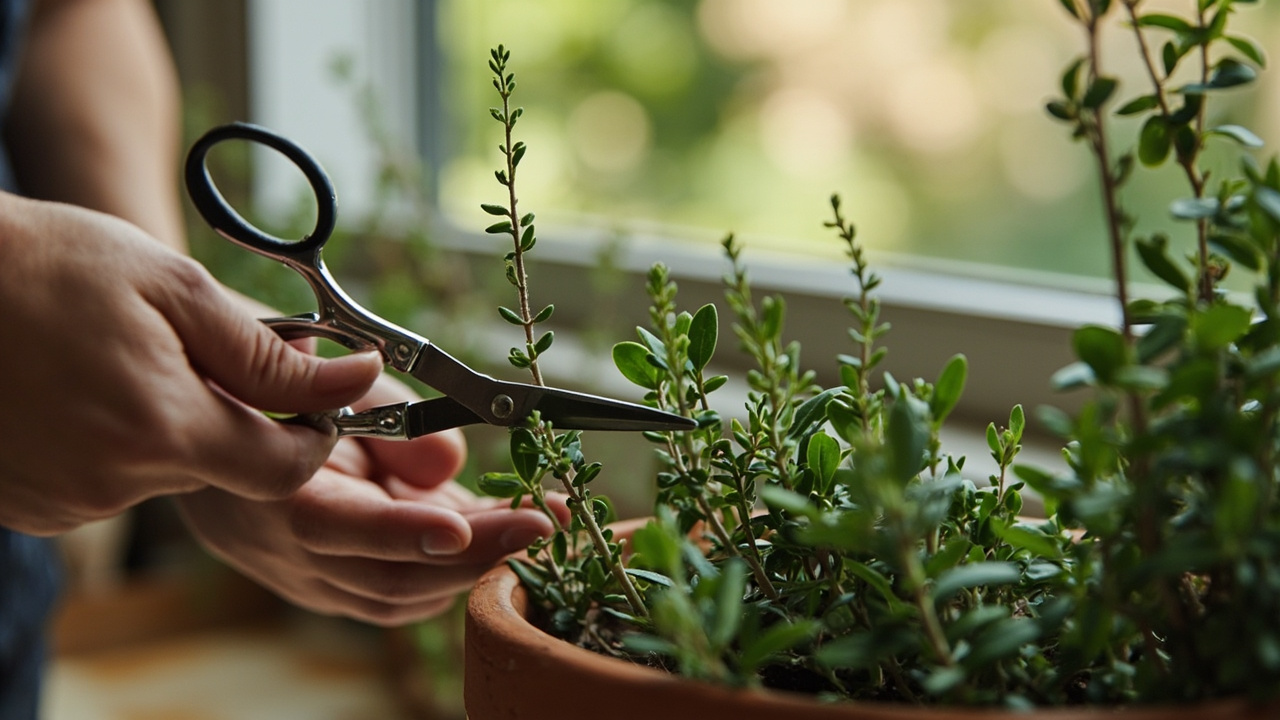
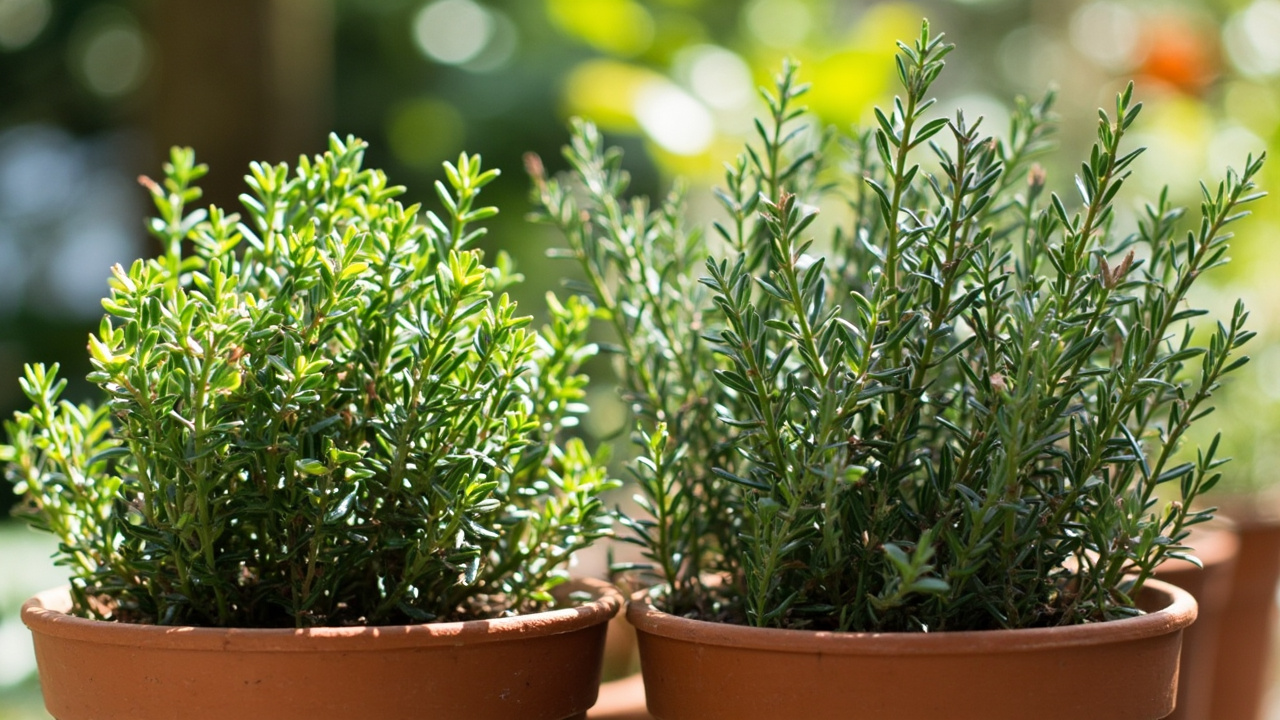
Harvesting indoor herbs correctly keeps the plant productive instead of slowly stripping it bare. The basic rule is simple: cut in a way that leaves healthy growing points behind, then give the plant enough light and moisture to replace what you took.
Different herbs need different harvest styles. Basil and mint respond well to tip cutting. Parsley is better harvested from outer stems. Cilantro is a short-cycle herb, so early, practical harvests matter more than perfect long-term shaping.
Harvest When the Plant Has Enough Leaf Area
Do not start cutting a tiny herb the moment it arrives. Let it establish several healthy leaves first. A plant needs leaf area to keep photosynthesizing after harvest, especially indoors where light is already limited.
If a plant looks weak, leggy, or yellow, fix the setup before taking more leaves. A stressed herb cannot replace harvests reliably.
Cut Basil and Mint From the Top
Indoor basil should be cut just above a pair of leaves. That encourages side shoots and keeps the plant bushy. Do not keep picking only the lowest leaves, or you will end up with a tall bare stem.
Indoor mint can be cut the same way, and it usually regrows quickly when light and water are steady.
Cut Parsley From the Outside
Indoor parsley should be harvested by cutting outer stems near the base. Leave the central crown intact so new stems can continue forming.
Taking whole outer stems gives you better leaves and avoids leaving half-cut stalks that age poorly.
Harvest Cilantro Early and Repeat the Sowing
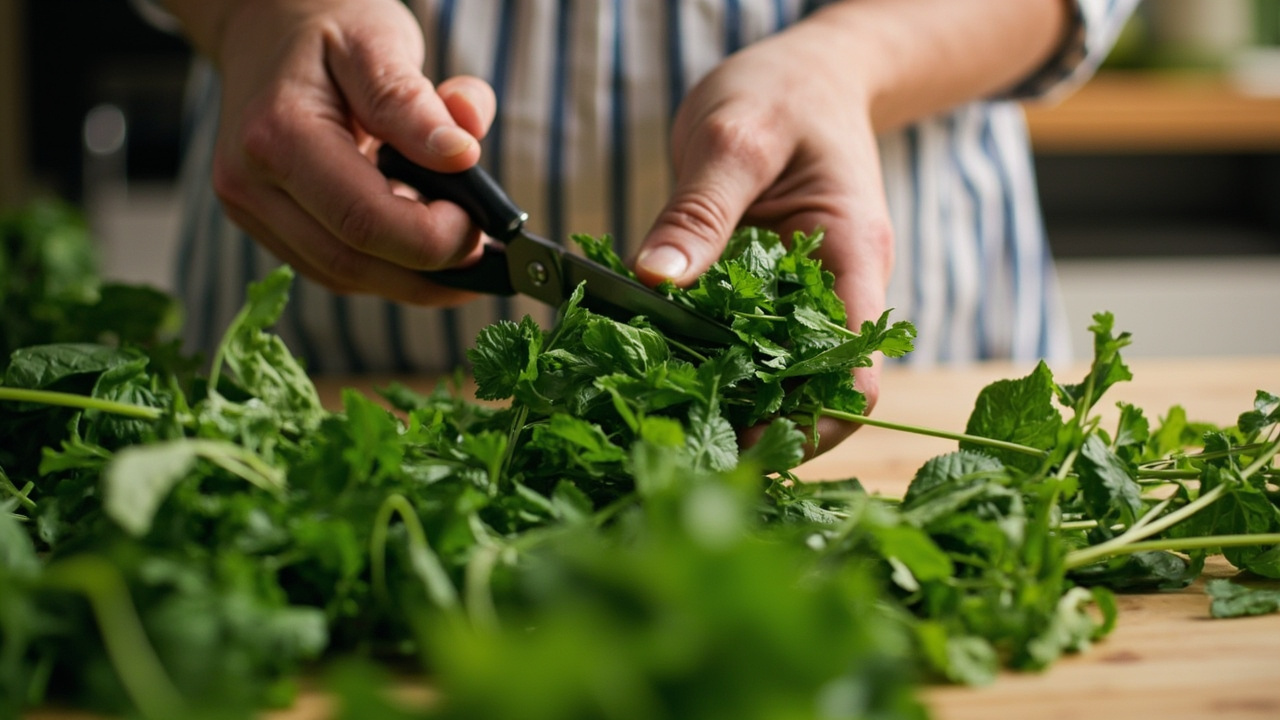
Indoor cilantro is best treated as a short-cycle crop. Cut useful outer stems once the plant is leafy enough, but do not wait for it to become large and woody.
If cilantro starts flowering, use what still tastes good and sow another small pot. This is usually more productive than fighting the plant’s natural schedule.
Do Not Strip More Than the Plant Can Replace
A healthy indoor herb can handle regular trimming, but heavy harvests slow recovery. Leave enough leaves to power regrowth. If you need a large amount for cooking, harvest from multiple plants or start extra pots.
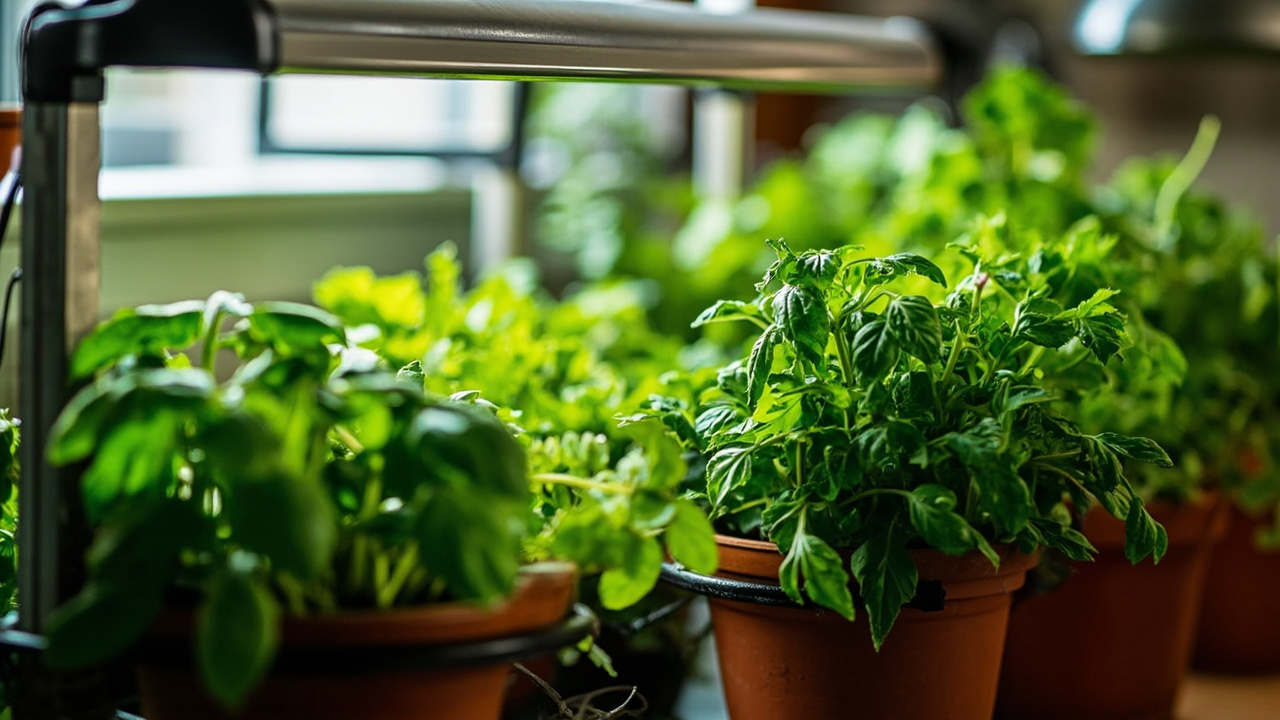
After cutting, keep the plant under an indoor herb garden grow light or strong window so new growth can replace the harvest.
Use Harvesting to Prevent Common Problems
Regular cutting helps prevent leggy indoor herbs and can delay the flowering pattern explained in why herbs bolt indoors. It also helps you notice early stress before yellowing spreads.
For the full setup, combine the harvest rhythm with Aqualogi’s indoor herb garden for beginners. The right harvest is part of care, not just the final step before cooking.
Turn any PDF statement into a clean sheet
Skip the typos and the hours of copying. Our converter handles any bank statement format and outputs Excel, CSV, or QBO for QuickBooks. No file retention, free to try.