Herbs bolt indoors when they switch from leafy growth to flowering. Cilantro, basil, dill, and parsley can all do it, but cilantro is the fastest to run through its cycle. Bolting is natural, but indoor stress can make it happen early.
The useful question is whether the plant is simply mature or whether heat, drying, crowding, or weak light pushed it too soon. That difference decides whether you adjust the setup or restart the pot.
Bolting Means the Herb Is Trying to Reproduce
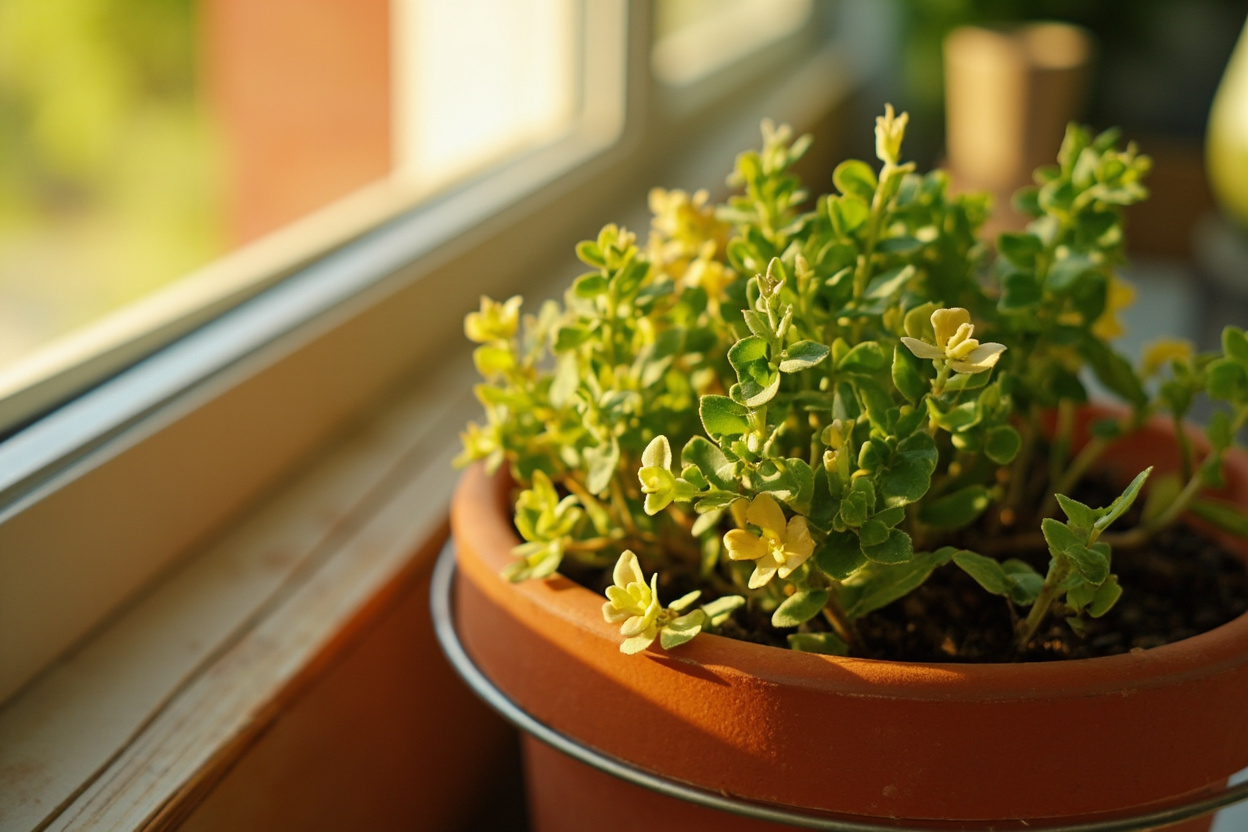
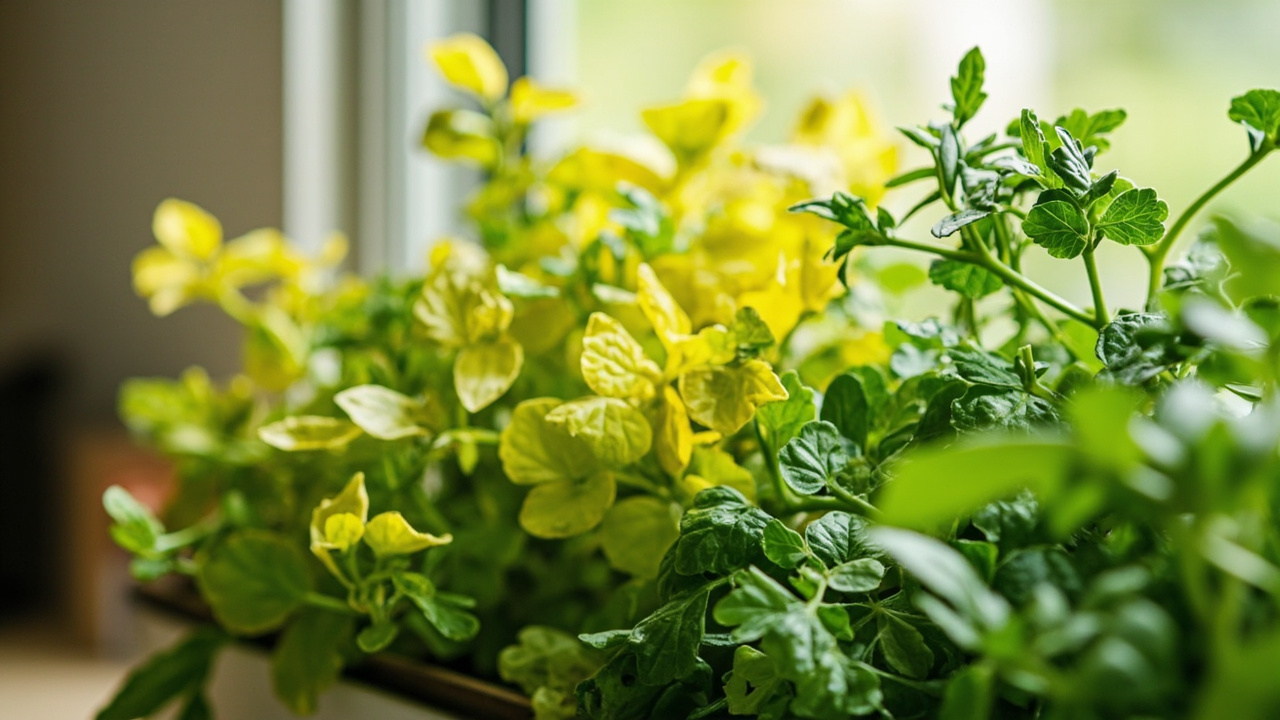
A bolting herb sends up a taller central stem, forms smaller leaves, and begins making flower buds. Flavor often changes after that point. Basil can turn sharper, cilantro can lose tenderness, and parsley may slow its useful leaf production.
You can pinch flowers, but you cannot always make an old plant young again. Prevention works better than reversal.
Heat and Drying Speed Up Bolting
Hot windows, heat vents, and repeated wilting can push herbs toward flowers. Indoor cilantro is especially sensitive because it already has a short leafy window.
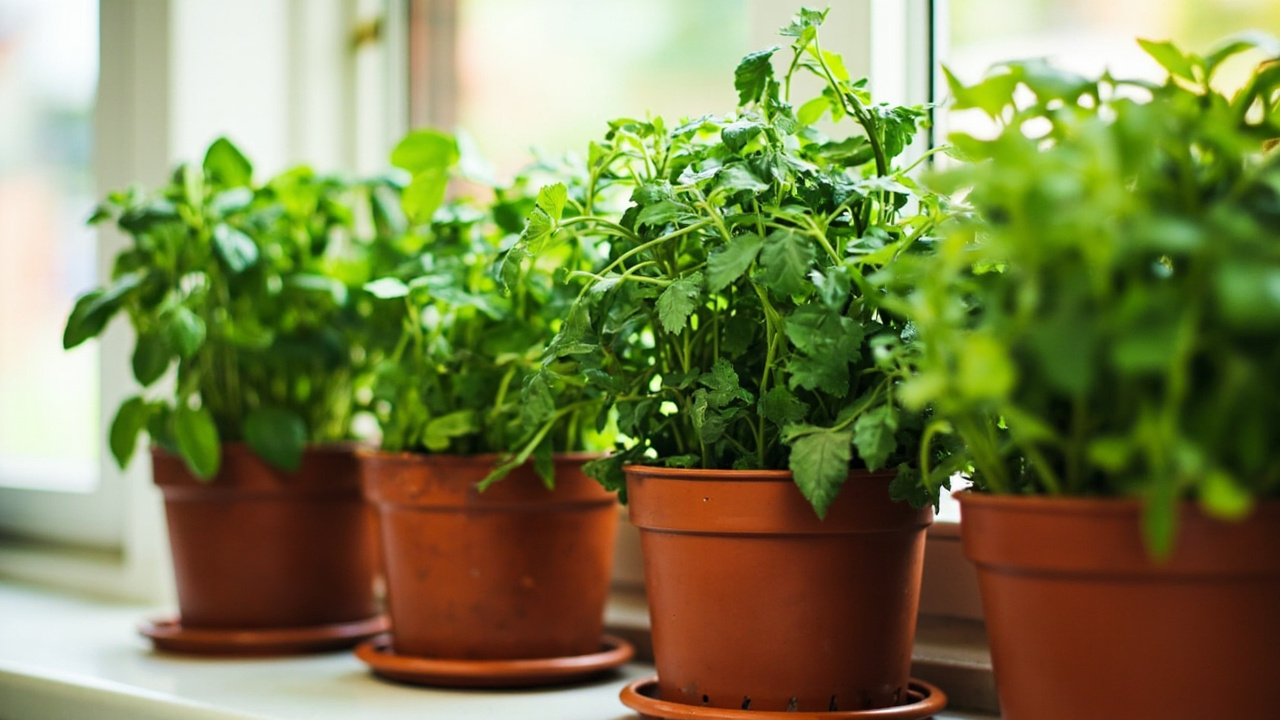
Keep short-cycle herbs in bright but moderate conditions. A cooler bright spot often works better than a hot windowsill that bakes the pot every afternoon.
Weak Light Can Also Create Stress
Bolting is not only a heat problem. Weak light can create thin, stressed plants that mature poorly. If the plant is also stretching, solve the light problem with the guidance in indoor herbs leggy.
An indoor herb garden grow light helps when the window is inconsistent, but keep the setup from getting too hot.
Harvest Earlier and More Often
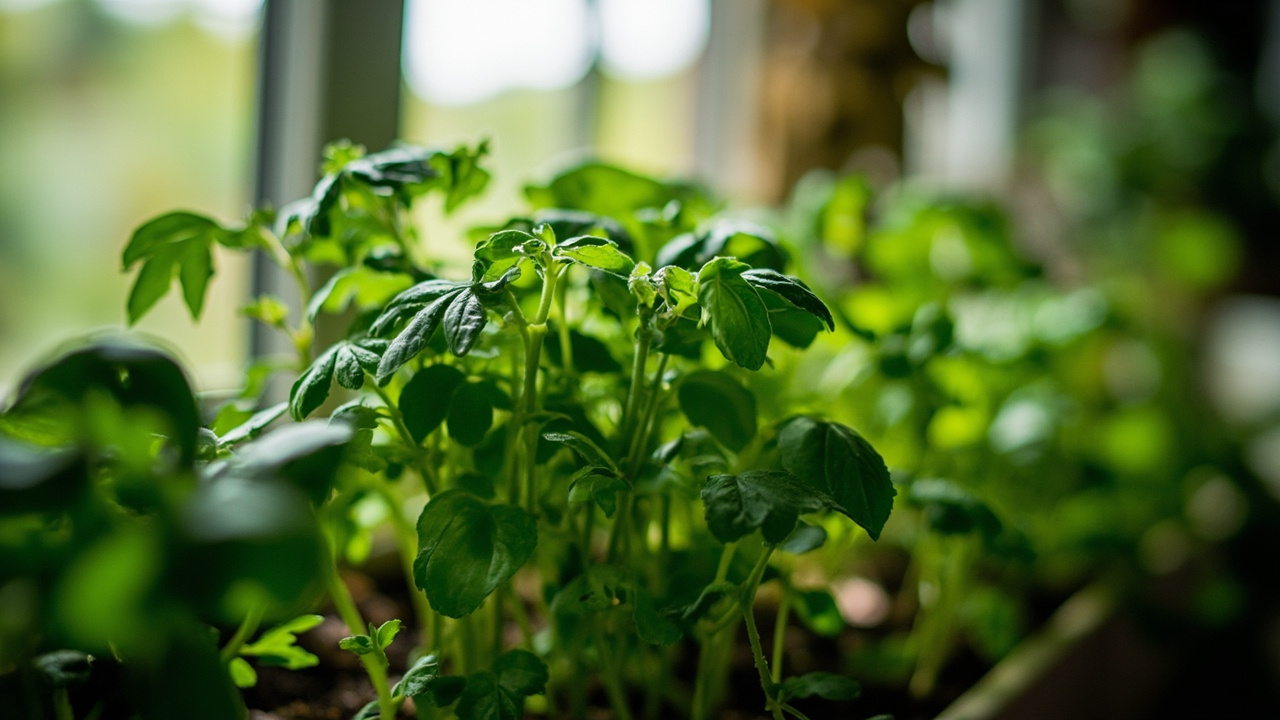
Regular cutting delays flowering in many leafy herbs because the plant keeps replacing vegetative growth. Indoor basil should be cut from the top before flower buds form.
Do not wait for a large plant if the herb is already mature. Small, frequent harvests are usually better than one late harvest after the stems have shifted toward flowers.
Use Succession Sowing for Short-Cycle Herbs
Some herbs are easier to repeat than rescue. Cilantro is the clearest example: sowing a small new pot every few weeks gives better leaves than fighting one bolting plant.
This rhythm fits an indoor herb station well. Keep longer-lived herbs like indoor mint and indoor parsley as steady plants, then rotate short-cycle herbs beside them.
When to Keep, Pinch, or Replace
If the plant has only tiny buds and plenty of leafy growth, pinch the buds and improve conditions. If it has a tall flower stalk and bitter leaves, replace it or let it flower for seed.
Use Aqualogi’s indoor herb garden for beginners setup to plan a rotation instead of expecting every herb to last the same length of time.
Turn PDF Bank Statements Into Workable Spreadsheets
Your bank statement is a mess of numbers, but your books shouldn't be. Use our converter to get Excel, CSV, or QBO files — ready for QuickBooks.