Mint is one of the easiest herbs to keep indoors if you give it enough light, steady moisture, and its own container. It grows fast, roots aggressively, and usually responds well to cutting, which makes it useful for tea, drinks, salads, and quick kitchen harvests.
The same vigor that makes mint productive also makes it messy when it is crowded or neglected. Indoors, the goal is not to let mint sprawl forever. The goal is to keep a compact, regularly trimmed plant with fresh shoots and a root zone that never sits dry for too long.
Keep Mint in Its Own Pot Indoors
Mint should have its own container. Outdoors it can run through beds; indoors it can still fill a pot quickly and crowd neighboring herbs if planted in a mixed container. A separate pot lets you water and cut it more aggressively without disturbing basil, parsley, or cilantro.
This is the same container logic Aqualogi uses in growing herbs in containers: herbs may share a theme, but they do not always share the same root behavior. Mint is more vigorous than many kitchen herbs, so giving it boundaries makes care easier.
Give Mint Bright Light, But Do Not Cook It
Mint tolerates indoor conditions better than basil, but it still grows fuller with bright light. A bright windowsill works if the plant receives several hours of usable light. If stems stretch, leaves shrink, or the plant leans hard toward the window, it needs stronger light or rotation.
A small indoor herb garden grow light can keep mint compact through darker months. Keep the plant close enough for short, leafy growth, but watch the leaf surface. If the top leaves fade, crisp, or feel hot under the lamp, raise the light or shorten the exposure.
Water Mint Before the Pot Goes Bone Dry
Mint likes more consistent moisture than many woody herbs. Let the top layer of mix begin to dry, then water thoroughly and drain the saucer. If the whole pot dries hard, mint can wilt dramatically, drop older leaves, and recover with weaker growth.
Consistent moisture does not mean swampy soil. A drainage hole is still required. If the pot sits in standing water, roots lose oxygen and the plant can yellow from the bottom. The best rhythm is evenly moist, drained, and checked often because mint can use water quickly once it starts growing.
Trim Mint Often to Keep It Productive
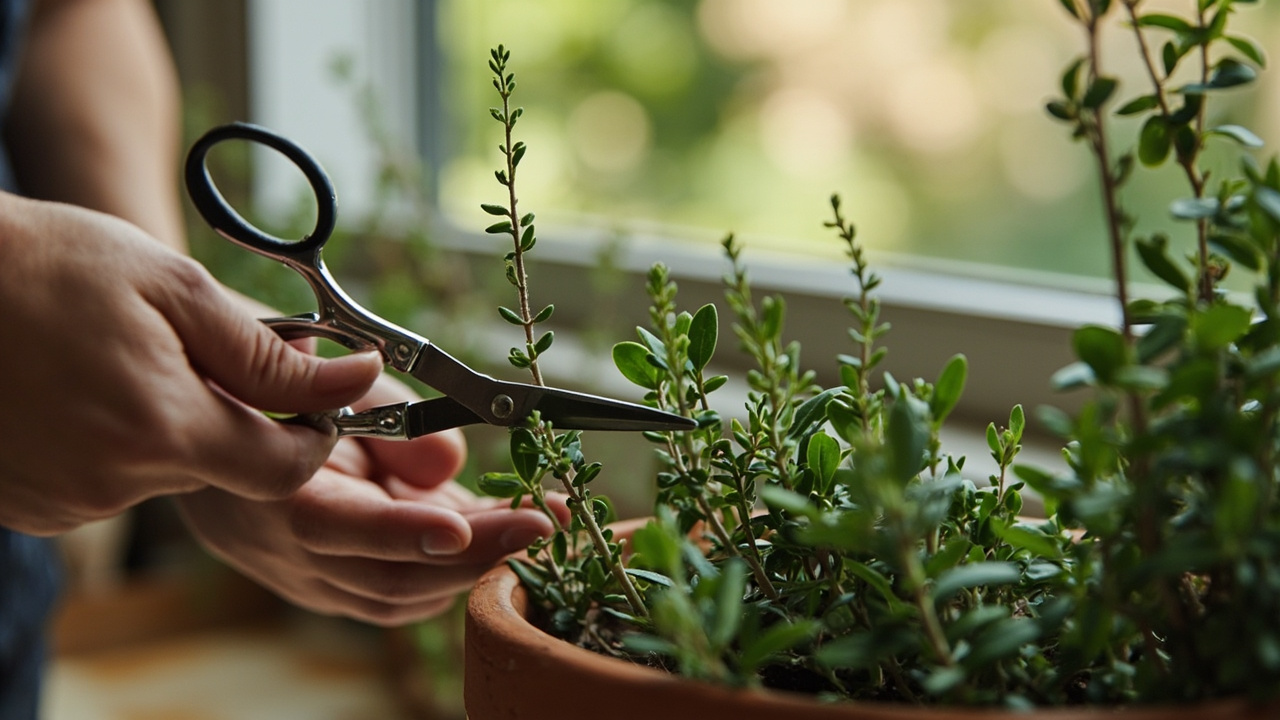
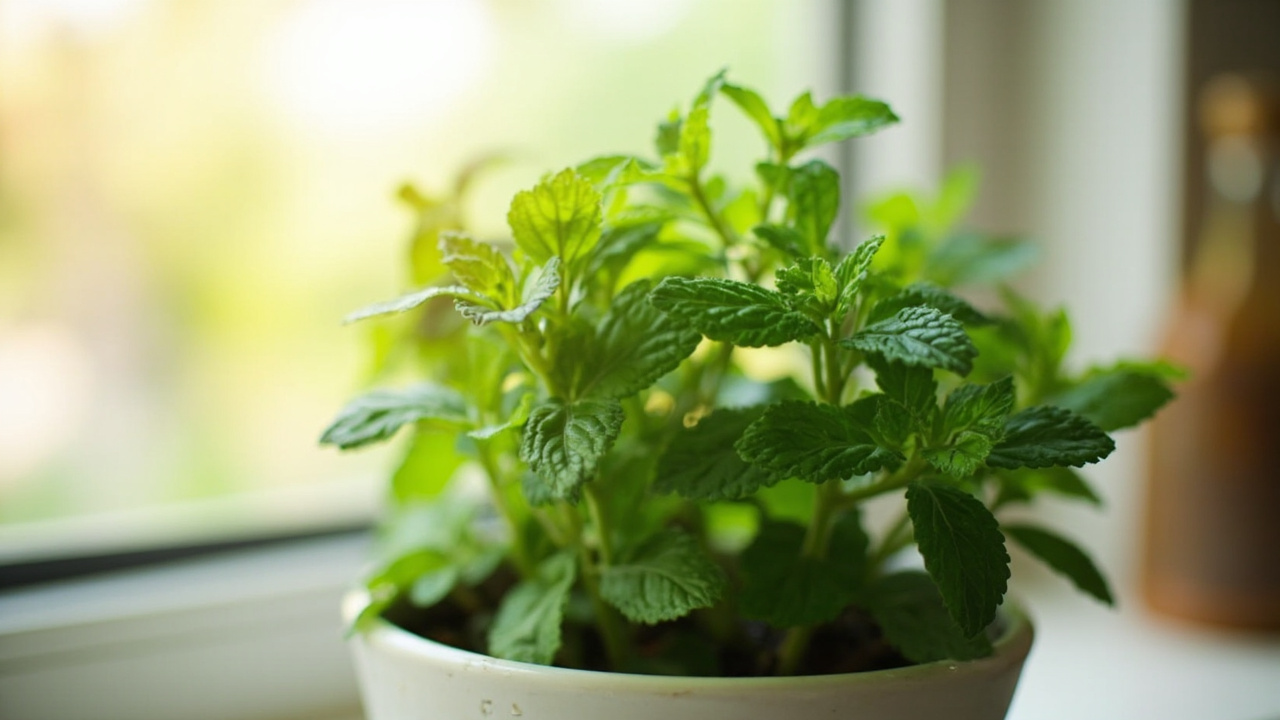
Harvest mint by cutting stem tips above a pair of leaves. That encourages side shoots and keeps the plant bushier. If you only pick individual leaves, the stems can get long and sparse, especially when light is not strong enough.
Do not wait until the plant is tangled before cutting. Small regular harvests create better flavor and shape. If the plant gets too tall, cut several stems back harder, then give it bright light and steady moisture while new growth fills in.
Refresh the Plant When Roots Fill the Pot
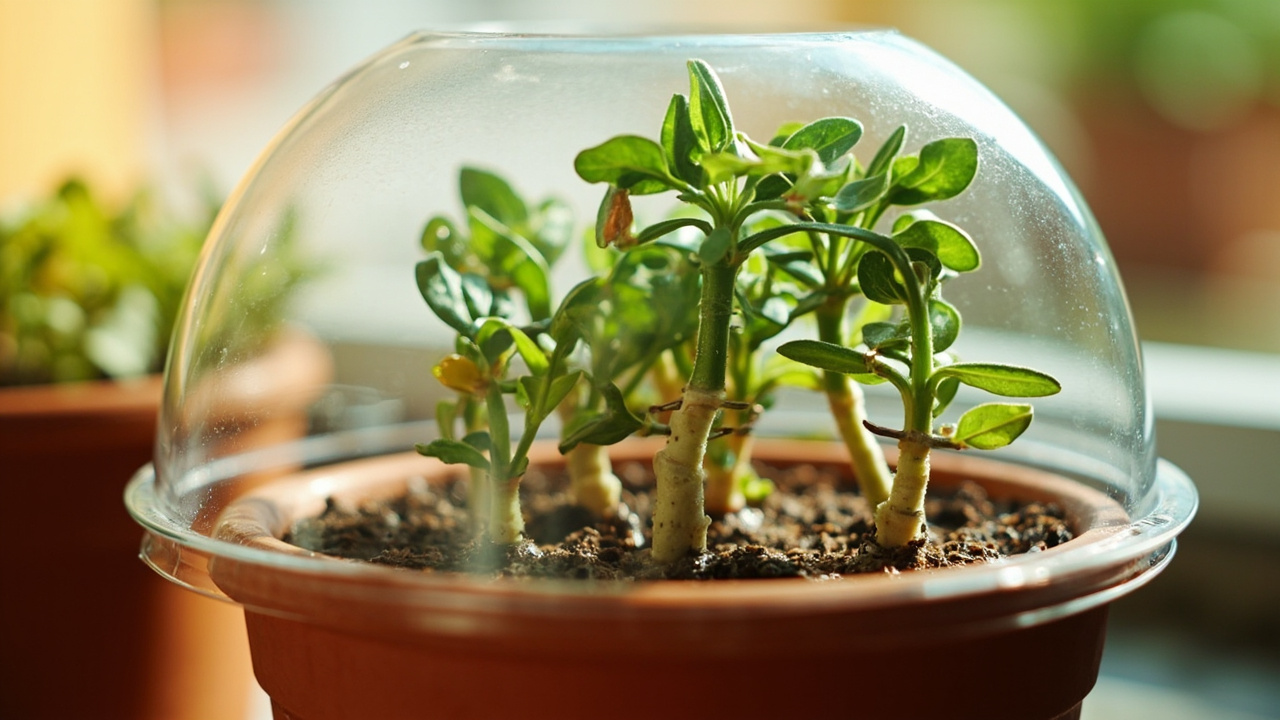
Mint roots quickly. If water runs straight through, the plant wilts soon after watering, or the root ball comes out as a dense mat, the pot is full. You can repot into a slightly larger container, divide the plant, or root a few fresh cuttings and restart.
Restarting is often cleaner than nursing an old, woody, crowded mint plant. Cut healthy tips, root them in water or moist mix, and begin again in fresh potting mix. This keeps the kitchen plant tender and easier to manage.
Pair Mint Carefully With Other Indoor Herbs
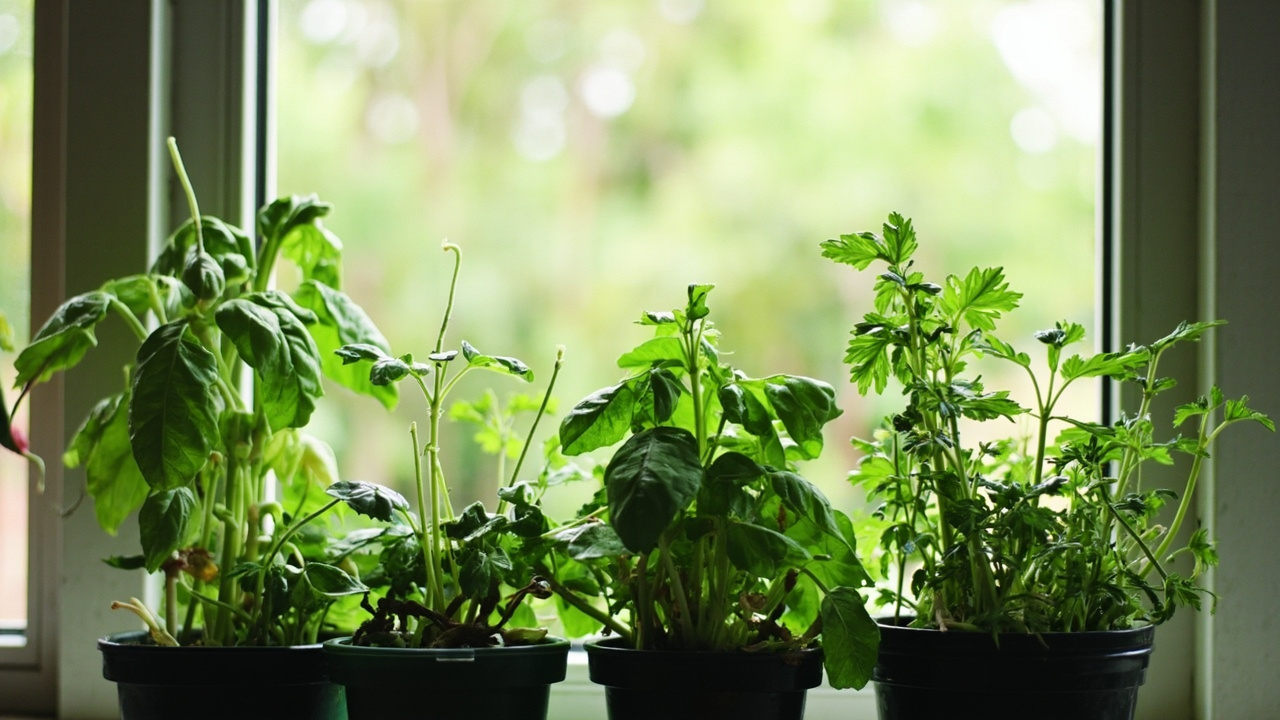
Mint belongs in an indoor herb garden, but it should not dominate the setup. Place it near other herbs that also like regular moisture, while keeping each plant in its own pot. That gives you a coherent herb station without forcing every plant into mint’s faster rhythm.
For a broader setup, use Aqualogi’s indoor herb garden for beginners as the base plan, then treat mint as the high-vigor, high-harvest member of the group. It can be one of the easiest herbs to grow indoors, but only if you give it space and cut it before it becomes unruly.
Turn PDF Bank Statements Into Workable Spreadsheets
Your bank statement is a mess of numbers, but your books shouldn't be. Use our converter to get Excel, CSV, or QBO files — ready for QuickBooks.