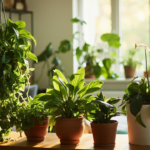
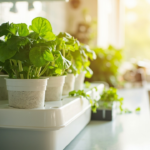
Indoor herbs get leggy when stems stretch faster than leaves can fill in. The usual cause is weak light, but crowding, warm rooms, and timid harvesting can make the problem worse.
A leggy herb is not always lost. If the stems still have healthy nodes, you can move the plant into stronger light, cut it back correctly, and restart the shape before it becomes a bare, woody plant.
Read the Leggy Growth Pattern First
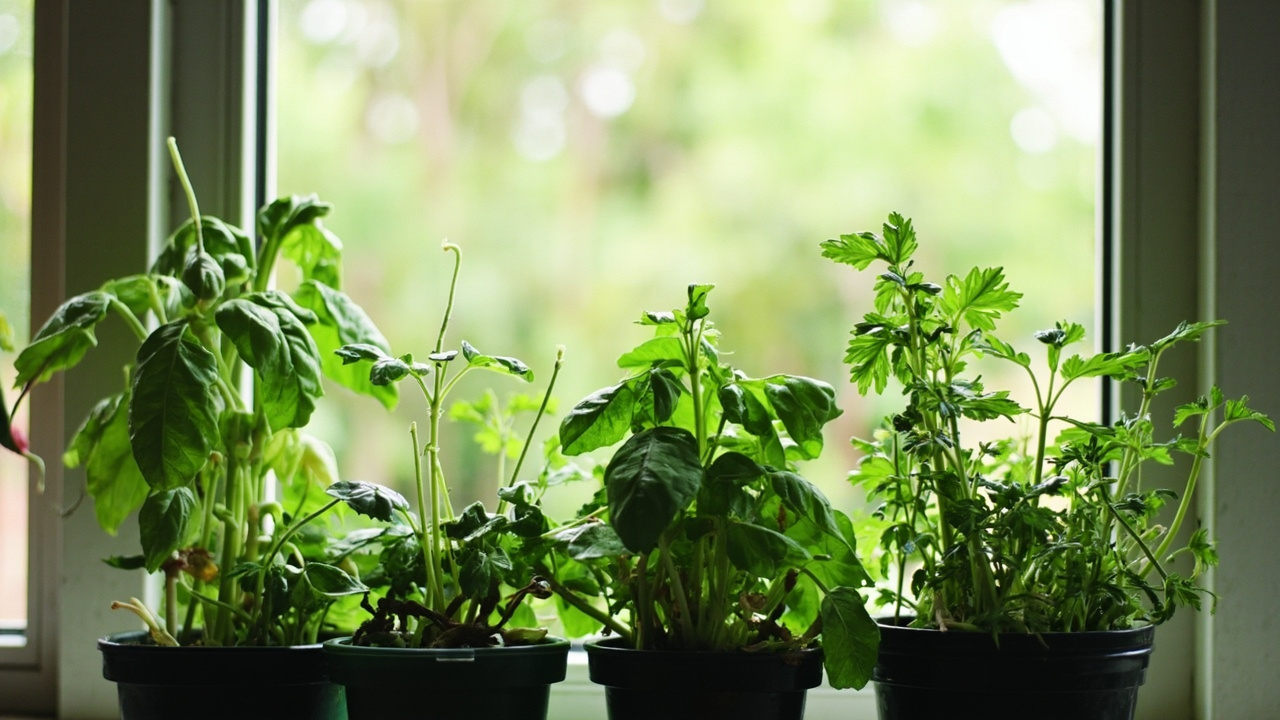
Long gaps between leaves, leaning stems, pale new growth, and a plant that reaches toward the window all point to light shortage. This is common in kitchen herb gardens because a bright room is not always bright enough for active herb growth.
If only one side is stretching, rotate the pot. If the whole plant is thin, the setup needs more light, not just a turn.
Move Herbs Closer to Stronger Light
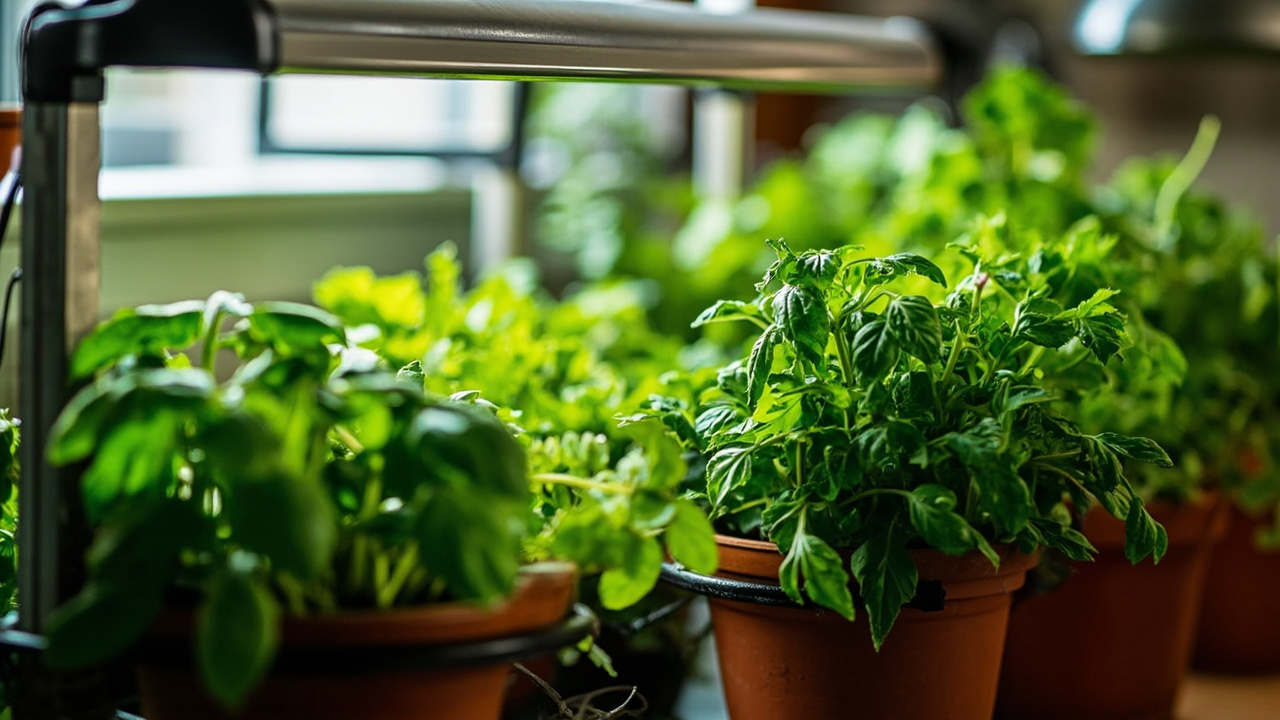
The cleanest fix is stronger, closer light. A sunny window may help in summer, but many indoor herbs respond better to an indoor herb garden grow light that runs on a steady daily schedule.
Place the light close enough for compact growth and watch the response over new leaves. Old stretched stems will not shrink, so judge the fix by fresh growth.
Cut Back Above Healthy Nodes
Do not remove every leaf at once. Cut leggy stems just above healthy leaf nodes so the plant has a place to branch. Indoor basil responds especially well to top cuts when light improves.
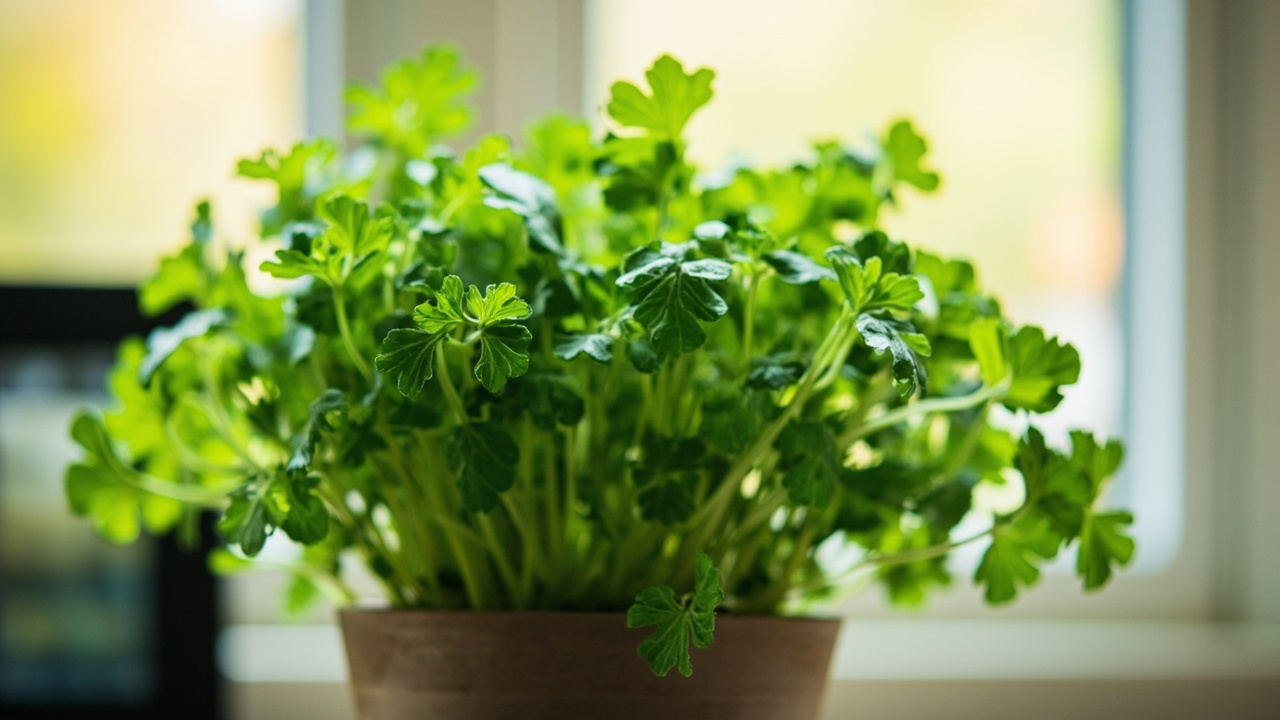
Indoor mint can handle harder trimming, while parsley should be harvested from outer stems more patiently.
Thin Crowded Pots
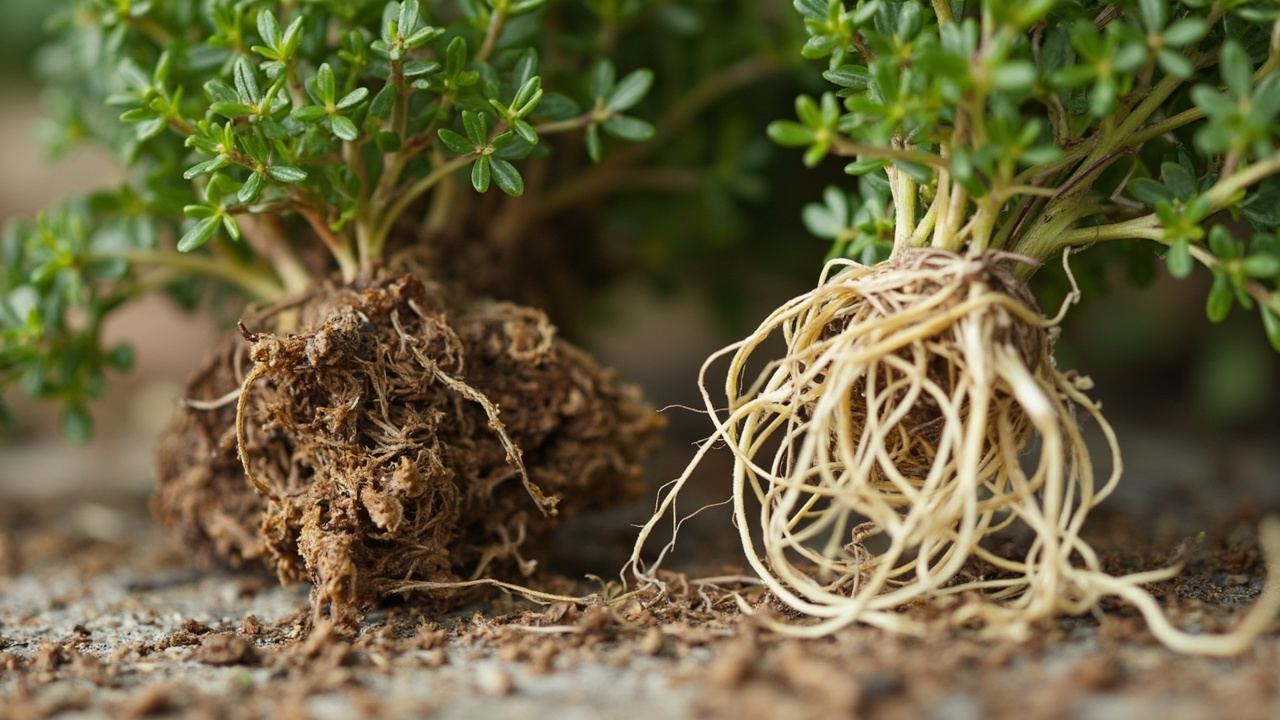
Crowded herb pots stretch because each stem competes for light and air. Grocery herb pots are often packed too tightly. Thin weak stems, divide the plant, or move a few healthy pieces into their own containers.
Better spacing also makes watering less confusing. The pot dries more evenly and leaves dry faster after watering.
Do Not Overfeed a Light-Starved Herb
Fertilizer does not fix legginess when light is the limiting factor. Extra feeding can push softer, weaker growth if the plant still cannot photosynthesize enough to support compact leaves.
Fix light and pruning first. Feed lightly only after the herb is producing healthy new growth.
Know When to Restart
If an herb is mostly bare stem, flowering, or woody at the base, restarting may be faster. Indoor cilantro is especially short-cycle and often better resown than rescued.
Use Aqualogi’s indoor herb garden for beginners guide to rebuild the setup so the next round grows dense from the start.
Turn any PDF statement into a clean sheet
Skip the typos and the hours of copying. Our converter handles any bank statement format and outputs Excel, CSV, or QBO for QuickBooks. No file retention, free to try.