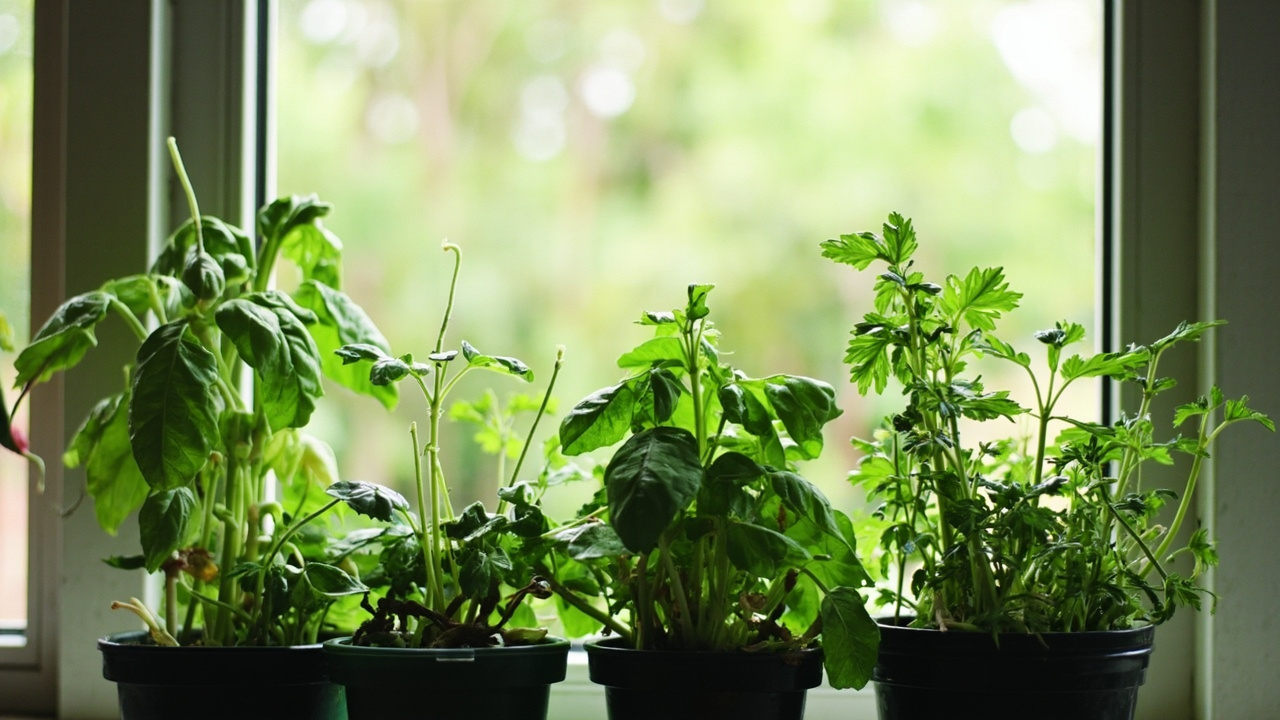
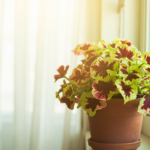
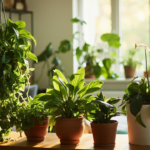
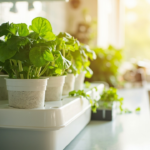
An indoor herb garden grow light is worth using when your herbs stretch, lean, lose flavor, or stop replacing harvested leaves on a windowsill. Most kitchen windows look bright to people but still deliver weak, short, or uneven light for edible herbs, especially in winter.
The best grow light is not the most complicated one. For herbs, you need enough brightness, a close enough placement, a long daily schedule, and a setup you will actually keep on. Once those pieces are right, basil, mint, parsley, and cilantro become much easier to manage indoors.
Use a Grow Light When the Window Is Not Enough
Indoor herbs show light stress in predictable ways. Basil gets leggy and pale. Mint makes longer stems with smaller leaves. Parsley slows down after harvest. Cilantro stretches, weakens, and may bolt sooner when the light is poor and the plant is stressed.
If your herb garden sits more than a few inches from a bright window, or if winter days are short, a grow light is usually the cleaner fix. It gives the plant a repeatable light source instead of asking a kitchen window to do seasonal work it cannot always do.
Choose a Full-Spectrum LED for Kitchen Herbs
A full-spectrum LED grow light is the simplest choice for indoor herbs. It gives usable plant light without the heat and energy load of older fixtures. You do not need a large professional panel for a few kitchen pots, but you do need a fixture that covers the whole herb group evenly.
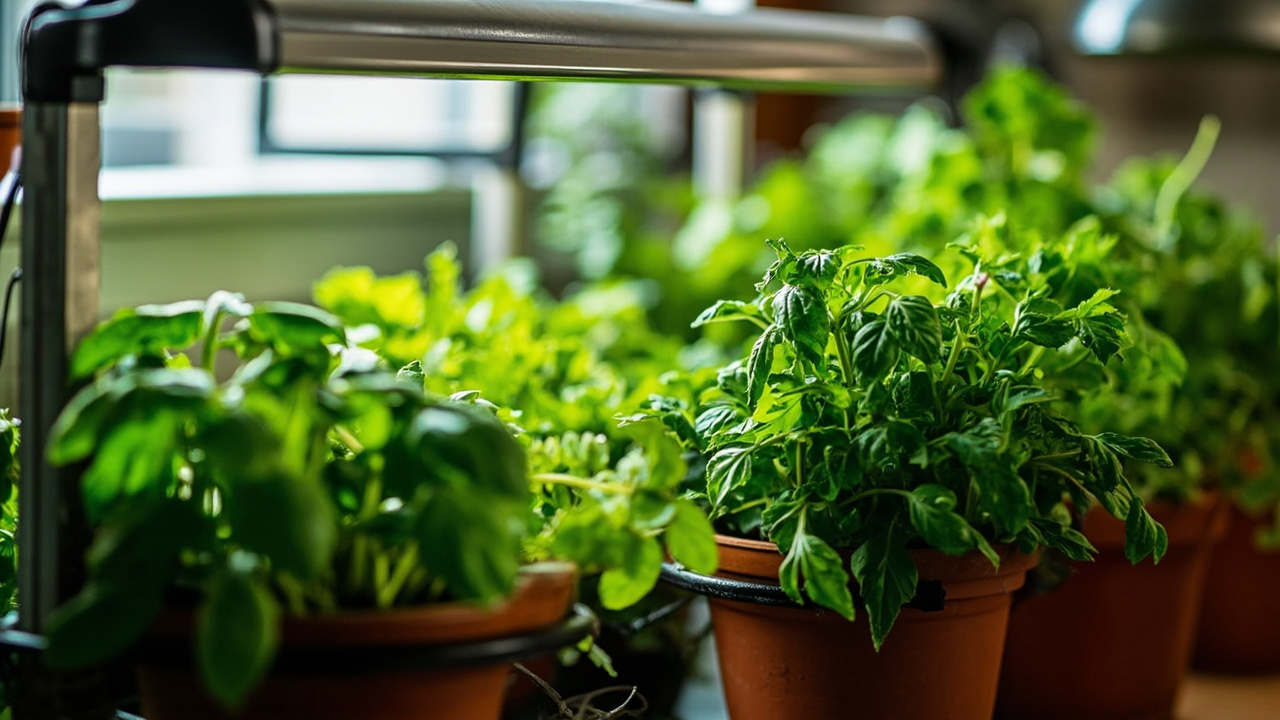
Clip-on lights can work for one or two pots. Bar lights work better for a row of herbs. Small shelf lights are useful if you want a compact station for several plants. Match the light shape to the way your herbs are arranged, not just to the product photo.
Place the Light Close Enough for Compact Growth
Most weak grow-light results come from placing the lamp too far away. Herbs need the light close enough to keep stems short and leaves dense. If the plant keeps stretching toward the fixture, lower the light or move the pot closer.
Watch the leaves after adjusting. If leaves bleach, crisp, or feel hot, the light is too close or the plant is drying too quickly. The right distance gives steady new growth without heat stress.
Run the Light Long Enough Each Day
Herbs usually need a long daily light window indoors. A short burst is not enough if the rest of the room is dim. Use a timer so the schedule stays consistent, and aim for a daily rhythm that supports active leaf growth without leaving the fixture on randomly all night.
A timer also prevents the most common human error: forgetting to turn the light on until the plant already looks tired. Consistency matters as much as the fixture itself.
Match the Light to the Herb Type
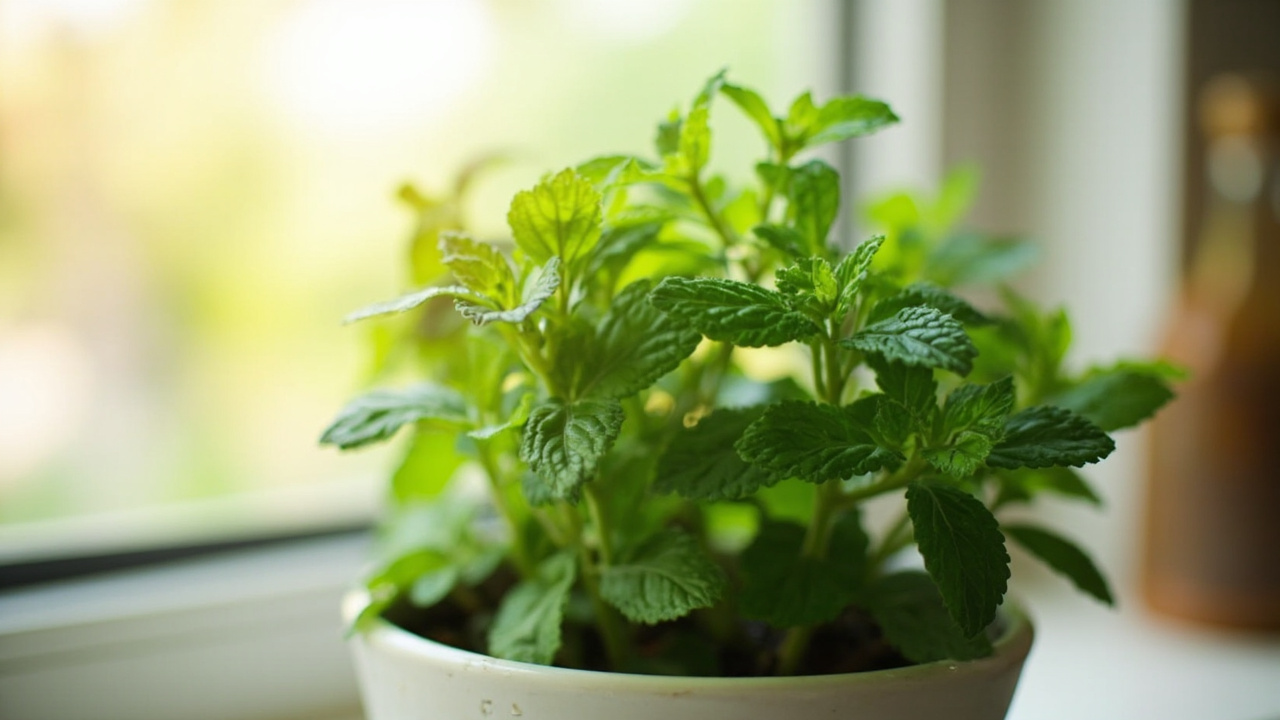
Basil is the first herb to improve under stronger light. A plant like indoor basil stays bushier and replaces harvested tips better when the light is strong. Indoor mint also grows fuller, though it still needs its own pot and regular trimming.
Indoor parsley uses grow-light support more slowly, but it replaces harvested outer stems more reliably with steady brightness. Indoor cilantro benefits from bright light too, though temperature and repeat sowing still matter because cilantro is naturally short-cycle.
Build the Herb Station Around Light Coverage
Arrange the pots so every plant sits under the usable light footprint. Do not put tall basil in front of smaller cilantro or parsley where it shades them. Rotate pots if one side grows faster than the other.
For the full setup, pair the light with the broader structure in Aqualogi’s indoor herb garden for beginners and the container logic from growing herbs in containers. Light fixes the energy problem, but pots, watering, and harvest timing still decide how long the herb garden stays useful.
Turn any PDF statement into a clean sheet
Skip the typos and the hours of copying. Our converter handles any bank statement format and outputs Excel, CSV, or QBO for QuickBooks. No file retention, free to try.