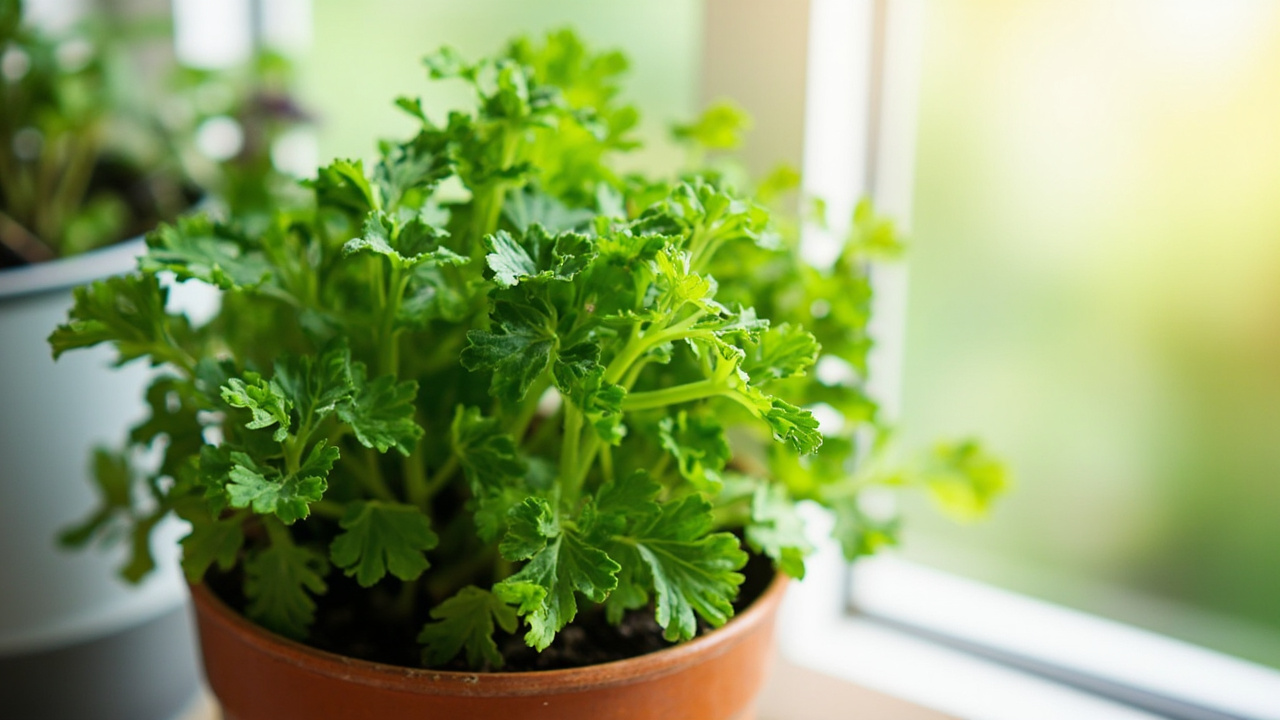
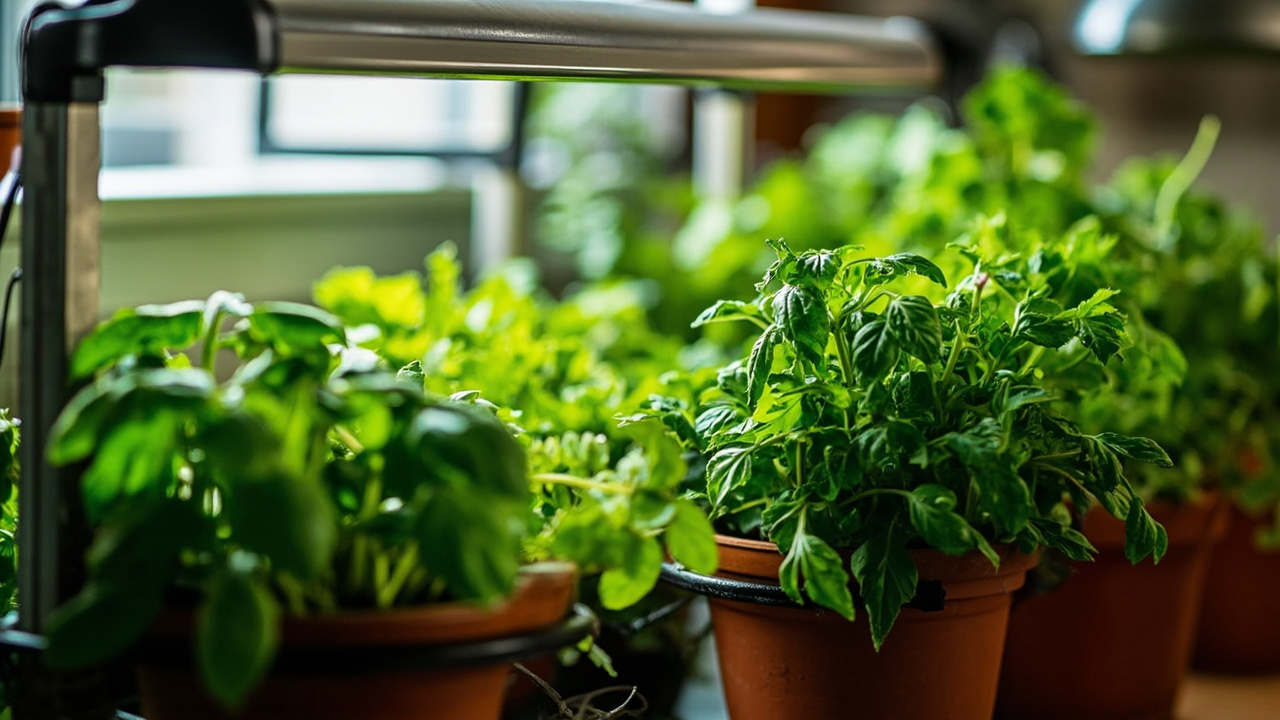
Cilantro can grow indoors, but it behaves differently from mint or parsley. It is quick, shallow-rooted, and prone to bolting when it gets stressed, too warm, or too mature. The most reliable indoor cilantro setup treats it as a short-cycle herb you sow repeatedly, not as one plant you keep forever.
That expectation matters. A healthy cilantro pot may give you several good harvests, then shift toward flowering. If you sow a small new batch every few weeks, the kitchen supply stays steadier and the plant’s natural life cycle stops feeling like a failure.
Start Cilantro From Seed for Better Indoor Results
Cilantro usually performs better indoors from seed than from a stressed grocery-store plant. Store-bought herb pots are often crowded and already mature, so they may bolt soon after coming home. Fresh seed lets you control spacing, moisture, and light from the beginning.
Sow seeds in a pot with drainage, cover lightly, and keep the mix evenly moist until germination. Cilantro seeds are actually small split fruits, so germination can be uneven. A slightly wider pot gives you room to sow a small patch instead of relying on one stem.
Give Cilantro Bright Light and Moderate Warmth
Cilantro needs bright light indoors, but it does not love hot, harsh conditions. A bright window or small grow light works well when the plant stays compact and leafy. If stems stretch, the plant is reaching for light. If it bolts early in a hot window, temperature stress may be part of the problem.
Compared with basil, cilantro is less interested in heat and more likely to rush into flowering when conditions feel stressful. For broader setup decisions, use Aqualogi’s indoor herb garden for beginners guide and the indoor herb garden grow light guide, then give cilantro the cooler, steadier side of the herb station.
Use a Moist, Draining Potting Mix
Cilantro has a relatively delicate root system. It does not want to sit in mud, but it also wilts quickly if the root zone dries too hard. Use a light potting mix, a container with drainage, and a watering rhythm that keeps the mix lightly moist during active growth.
Avoid tiny pots if you want more than a token garnish harvest. Cilantro grows better when roots have room and moisture swings are not extreme. The container principles from growing herbs in containers apply here: drainage and volume matter more than a decorative pot shape.
Harvest Cilantro Before It Tries to Flower
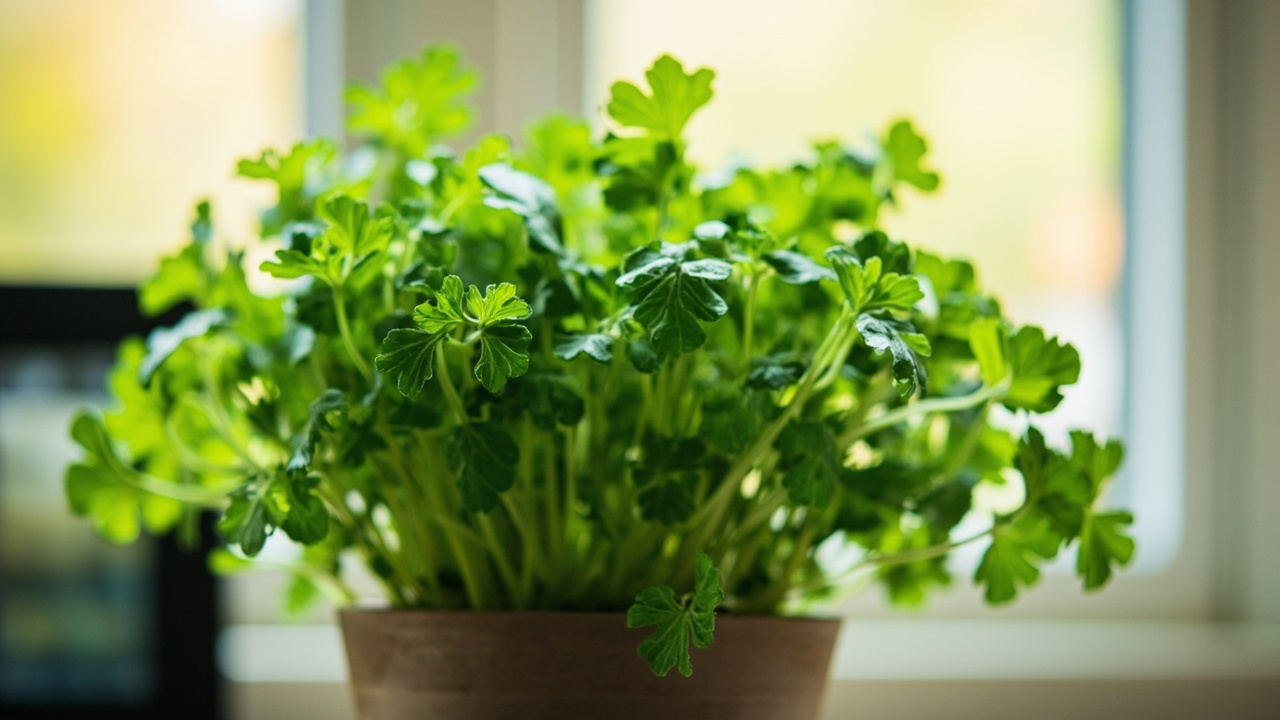
Harvest outer stems once the plant has enough growth to spare. Cut stems near the base rather than only pinching tiny leaflets. This gives you usable bunches and encourages the remaining plant to keep producing for a little longer.
Do not wait for cilantro to become a large, woody plant. The best flavor comes from young leafy growth. Once the plant sends up a thin central flower stalk, leaf texture changes and the harvest window narrows.
Prevent Bolting by Managing Stress
Cilantro bolts when it matures, but stress can speed it up. Heat, drying out, root crowding, and inconsistent light can all push the plant toward flowering. Indoors, the practical prevention plan is simple: sow a small batch, keep it evenly moist, avoid hot glass, harvest early, and keep another batch coming.
If a cilantro plant bolts, you can still use the leaves if they taste acceptable, or let it flower and form coriander seed. But for fresh leafy cilantro, restarting is usually faster than trying to reverse the plant’s direction.
Where Cilantro Fits in an Indoor Herb Garden
Cilantro is useful, but it is not the most forgiving indoor herb. It belongs beside easier herbs as a planned rotation crop, not as the anchor plant for the whole setup. If you want a lower-maintenance first herb, compare it with the options in Aqualogi’s easiest herbs to grow indoors.
The best indoor cilantro system is repetitive and modest: sow, grow, cut, replace. That rhythm gives you better leaves than trying to keep one aging cilantro plant alive long after it wants to flower.
Turn any PDF statement into a clean sheet
Skip the typos and the hours of copying. Our converter handles any bank statement format and outputs Excel, CSV, or QBO for QuickBooks. No file retention, free to try.