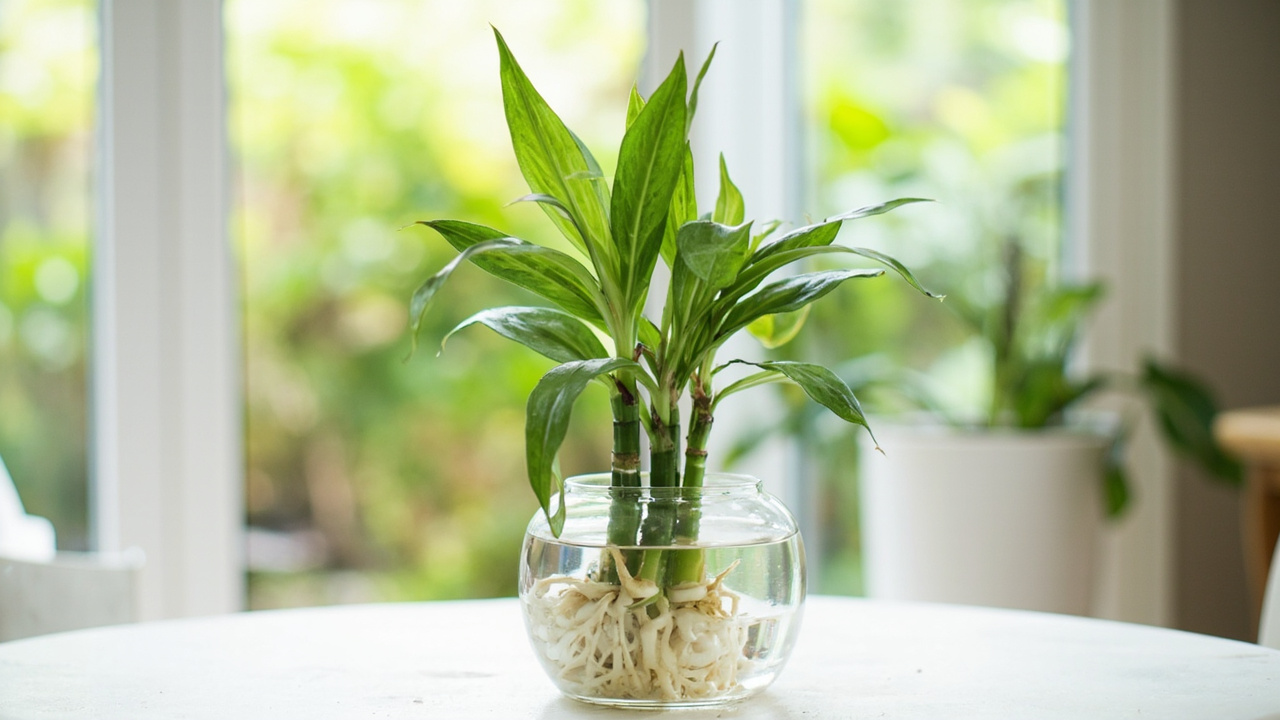

Lucky bamboo (Dracaena braunii) is a plant that brings happiness, prosperity, and a touch of elegance to your home. Despite its name, lucky bamboo is not actually bamboo but a member of the Dracaena family. Its lush green stems and delicate leaves make it a popular houseplant, adorning offices, restaurants, and homes worldwide.
Lucky bamboo has become a symbol of good luck and prosperity in many cultures, particularly in Chinese Feng Shui practices. It is believed to bring positive energy, harmony, and abundance into the home or workplace. The number of stalks in a lucky bamboo arrangement also holds significance, with different numbers representing various blessings. For instance, three stalks symbolize happiness, wealth, and longevity, while five stalks represent wealth and good health.
Lucky bamboo comes in various cultivars, each with its unique charm. The most common variety is Dracaena braunii, characterized by its vibrant green stems and strap-shaped leaves. Some cultivars feature variegated leaves, adding a touch of elegance to your indoor oasis.
Lucky bamboo is readily available at local nurseries, garden centers, and even online stores. When purchasing lucky bamboo, ensure that the plants are healthy, with vibrant green foliage and firm stems. Avoid plants with yellowing leaves or signs of pests. If possible, opt for plants with well-developed root systems, as they tend to establish themselves more quickly.
Lucky bamboo prefers bright, indirect light. While it can tolerate lower light conditions, placing it near a north-facing window or providing filtered sunlight ensures optimal growth. Avoid exposing lucky bamboo to direct sunlight, as it can scorch the leaves. If natural light is limited, consider using artificial grow lights to supplement the lighting requirements.
Lucky bamboo thrives in moderate temperatures, with daytime temperatures ranging from 70 to 80°F (21 to 27°C) and nighttime temperatures between 60 and 70°F (15 to 21°C). Avoid exposing the plant to extreme temperature fluctuations or drafts, as they can cause stress and hinder growth.
Proper watering is crucial for the health of your lucky bamboo. If you are growing lucky bamboo in potting medium, water it whenever the top inch of the soil becomes dry. Use filtered water to avoid chlorine damage. If you prefer growing lucky bamboo in water, keep the water level at approximately 1 inch deep and change it every week. Mist your plant twice a week or place the pot on a tray of water with pebbles to increase humidity. Remember, lucky bamboo is sensitive to chlorine, so avoid using tap water.
When growing lucky bamboo in potting medium, choose a well-drained, organic potting soil that incorporates beneficial microbes and organic fertilizer. Lucky bamboo is a slow grower and can live in the same container for years. However, when it outgrows its current pot, shift it to a container that is 2 inches larger in diameter. Fertilize your lucky bamboo with a drop or two of liquid fertilizer every other month.
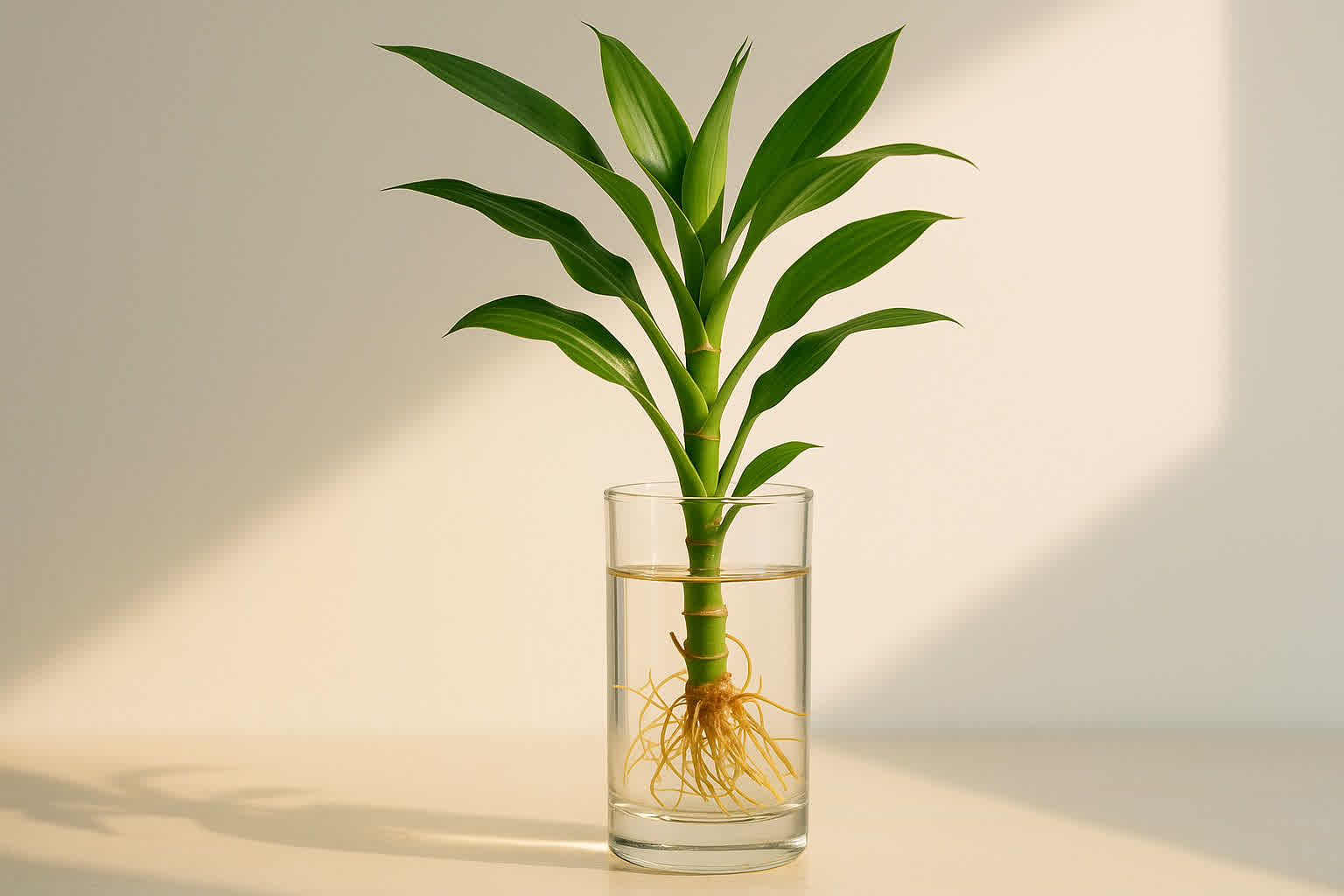
Propagating lucky bamboo allows you to expand your collection or share the joy of this beautiful plant with others. Lucky bamboo can be propagated through stem tip cuttings and stem cuttings. Select a healthy stem and cut it just below a node, ensuring that the cutting is approximately 4 to 6 inches long. Place the cutting in a container filled with filtered water, ensuring that the water covers at least an inch of the stem. Change the water regularly to prevent stagnation and rot.
Leaf drop in lucky bamboo can occur due to various factors, including overwatering, underwatering, or exposure to extreme temperatures. Assess the watering and temperature conditions to ensure they are within the optimal range. Adjust your watering schedule accordingly, allowing the top inch of the soil to dry out before watering again. Additionally, ensure that your lucky bamboo is not exposed to drafts or sudden temperature fluctuations.
Mealybugs are a common pest that can infest lucky bamboo. These small, white, cotton-like insects can cause damage to the plant if left untreated. To combat mealybugs, gently wipe the affected areas with a cotton swab dipped in rubbing alcohol. Repeat this process until the infestation is under control. Regularly inspect your lucky bamboo for signs of pests and take appropriate measures to prevent their spread. For a full guide to identifying and treating common houseplant pests, see our indoor plant pests identification guide.
Root rot can occur when the roots of lucky bamboo are constantly exposed to excessive moisture. To prevent root rot, ensure that your lucky bamboo is not sitting in water for prolonged periods. Use well-draining potting medium and avoid overwatering. If you notice signs of root rot, such as mushy or discolored roots, trim away the affected areas and repot the plant in fresh, well-draining soil. Our guide to preventing root rot in house plants covers this in detail.
May your lucky bamboo bring you abundant happiness, prosperity, and a sense of tranquility as you nurture this remarkable plant. For more easy-care houseplants to pair with your lucky bamboo, check out our list of the best indoor plants for beginners.
| Aspect | Requirement |
|---|---|
| Lighting | Bright, indirect light |
| Temperature | Daytime: 70-80°F, Nighttime: 60-70°F |
| Watering | Potting Medium: When top inch is dry |
| Water: Change weekly, 1 inch deep | |
| Humidity | Mist twice a week or use tray of water |
| Potting Medium | Well-drained, organic potting soil |
| Fertilization | Liquid fertilizer, higher nitrogen |
| Propagation | Stem tip cuttings, stem cuttings |
| Troubleshooting | Leaf drop, mealybugs, root rot |
Turn any PDF statement into a clean sheet
Skip the typos and the hours of copying. Our converter handles any bank statement format and outputs Excel, CSV, or QBO for QuickBooks. No file retention, free to try.
Convert your statement