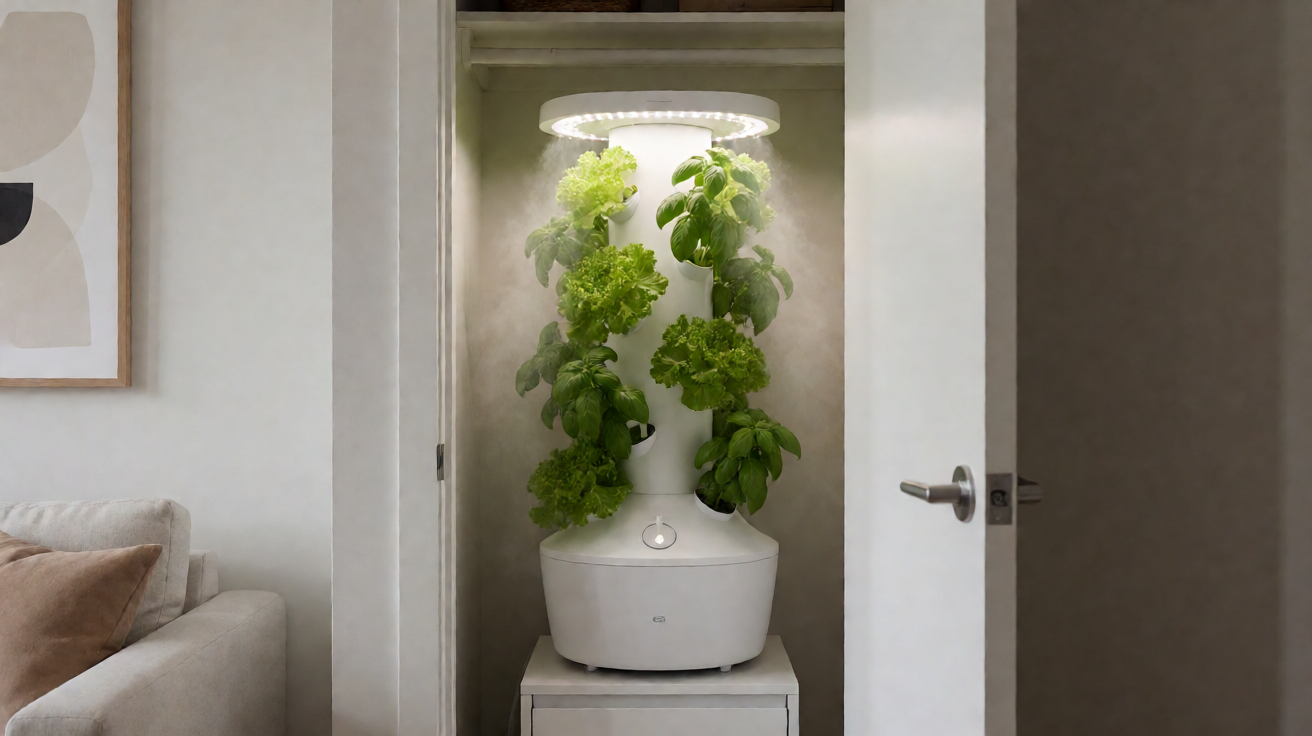

Welcome to the world of aeroponics, where plants defy gravity and thrive. Build your own with our DIY aeroponic tower garden guide. In this comprehensive guide, we will delve into the fascinating realm of aeroponics, exploring its definition, benefits, and how it compares to other cultivation methods. Whether you’re a gardening enthusiast or a curious beginner, this guide will equip you with the knowledge and tools to embark on your aeroponic journey.
What is Aeroponics and How Does it Work?
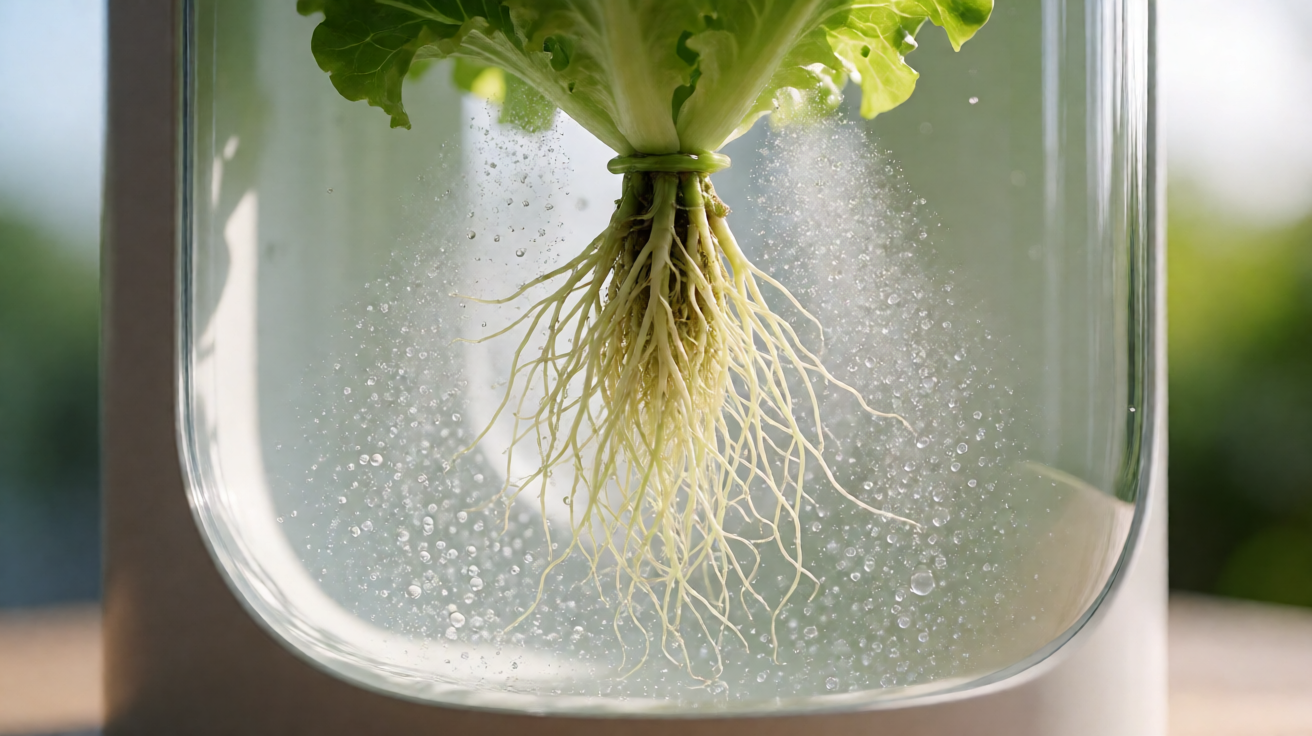
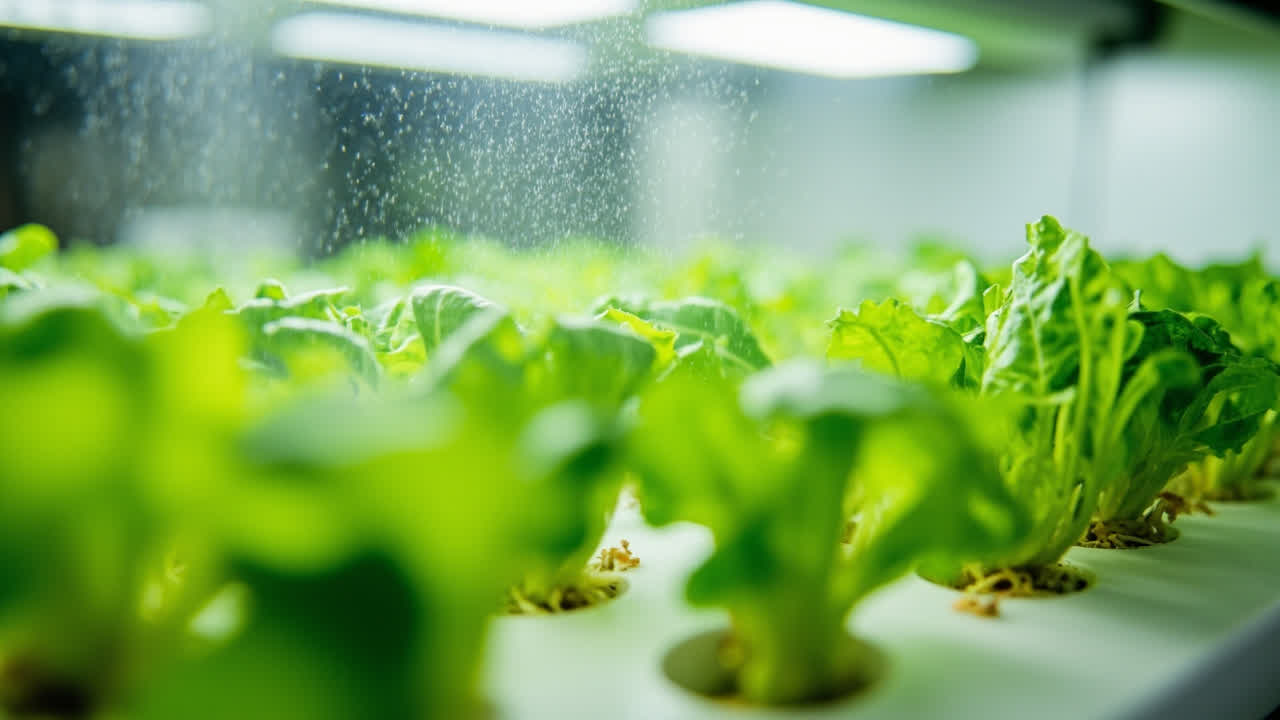
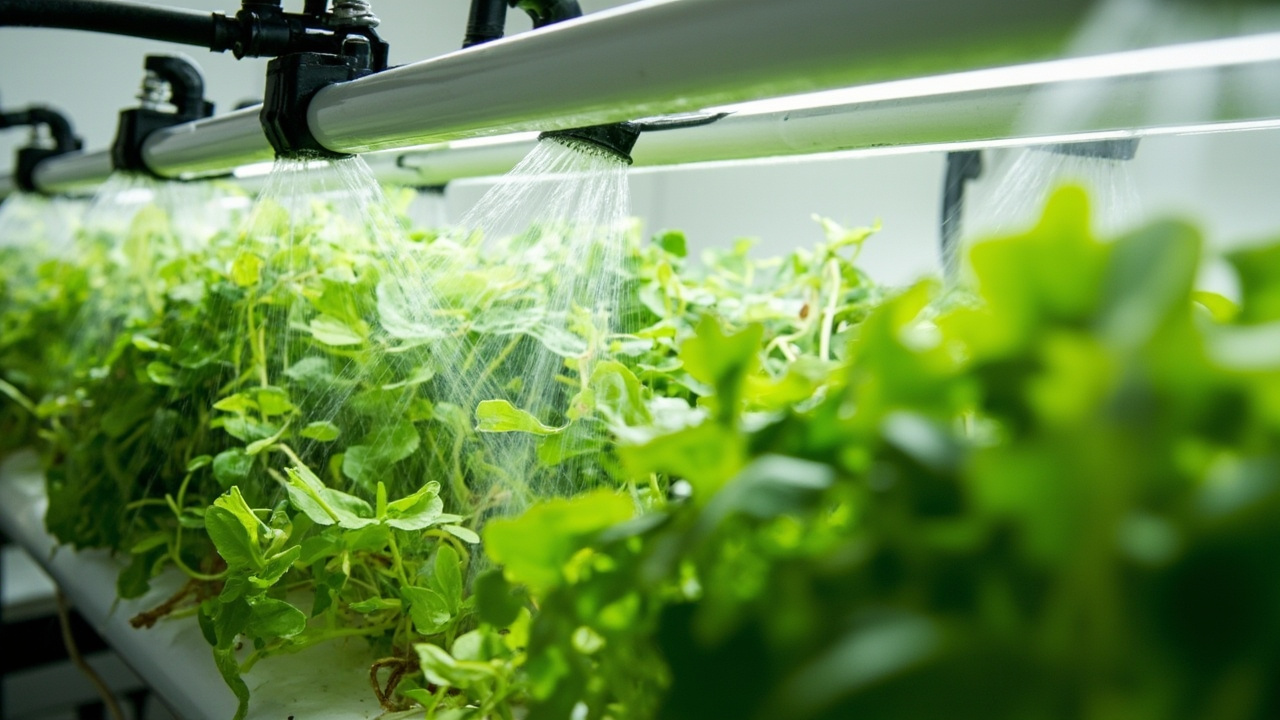
Aeroponics is a revolutionary cultivation method that involves growing plants in an air or mist environment, with their roots suspended in the air. Hydroponic Systems for Beginners. Unlike traditional soil-based gardening or hydroponics, aeroponics relies on a nutrient-rich mist that is sprayed directly onto the roots, providing optimal conditions for plant growth. This unique approach allows plants to absorb nutrients more efficiently, resulting in faster growth rates and higher yields.
The Advantages of Aeroponics: Why Choose this Method?
Aeroponics offers a multitude of advantages that make it an attractive option for both beginner and experienced gardeners. Advantages of Aeroponics System. Here are some key benefits:
- Maximized Nutrient Absorption: In aeroponics, plants receive a direct and continuous supply of nutrients, allowing them to absorb the optimal amount for growth. This results in healthier plants with increased mineral and vitamin content.
- Water Conservation: Aeroponic systems use significantly less water compared to traditional soil-based gardening. By misting the roots instead of saturating the soil, water usage is reduced by up to 98%, making aeroponics an environmentally friendly choice.
- Space Efficiency: With aeroponics, plants can be grown in smaller spaces, making it ideal for urban environments or limited land availability. The absence of soil allows for closer plant spacing, maximizing the use of available space.
- Year-Round Cultivation: Aeroponic systems can be set up indoors or in controlled environments, enabling year-round cultivation regardless of external weather conditions. This provides the flexibility to grow fresh produce consistently, even in regions with harsh climates.
Comparison with Other Cultivation Methods
While hydroponics and aquaponics share similarities with aeroponics, each method has its unique characteristics. Hydroponics utilizes a nutrient-rich water solution with a planting medium, while aeroponics relies on misting or a vertical stream of nutrients. Aquaponics combines hydroponics with fish cultivation, creating a symbiotic relationship between plants and fish. Understanding the distinctions between these methods will help you determine which approach best suits your needs.
| Cultivation Method | Soil Requirement | Water Usage | Nutrient Control | Space Efficiency |
|---|---|---|---|---|
| Aeroponics | No soil | Low | High | High |
| Hydroponics | No soil | Moderate | High | Moderate |
| Aquaponics | No soil | Low | Moderate | Moderate |
| Conventional | Soil-based | High | Low | Low |
Part 1: Introduction to Aeroponics: Revolutionizing Plant Cultivation
Welcome to the exciting world of aeroponics, where plants are grown without soil, revolutionizing traditional gardening methods. In this complete guide, we will delve into the fascinating realm of aeroponics and explore how this innovative technique is transforming the way we cultivate plants. Get ready to unlock the secrets of aeroponics and discover the future of plant growth!
What is Aeroponics?
Aeroponics is a cutting-edge plant cultivation method that involves suspending plant roots in a chamber and delivering a nutrient-rich mist directly to the roots. Unlike traditional soil-based gardening or hydroponics, which uses water as the growing medium, aeroponics relies on a fine mist to provide essential nutrients and oxygen to the plants. This unique approach allows for optimal root development and accelerated plant growth.
Benefits of Aeroponics
Aeroponics offers a multitude of benefits that make it an attractive option for both commercial growers and home gardeners. Firstly, aeroponics allows for faster plant growth compared to traditional methods, thanks to the increased oxygenation and nutrient absorption provided by the mist. Additionally, aeroponics uses significantly less water compared to soil-based gardening, making it a more sustainable and environmentally friendly option. Furthermore, aeroponic systems can be set up in limited spaces, making it ideal for urban gardening or indoor cultivation.
Comparison with Other Cultivation Methods
While aeroponics shares similarities with hydroponics, it offers distinct advantages. In hydroponics, plants are grown in a water-based nutrient solution, whereas aeroponics uses a mist to deliver nutrients. This difference allows for even greater oxygenation and nutrient absorption in aeroponics, resulting in faster growth rates and healthier plants. Additionally, aeroponics eliminates the need for a growing medium, reducing the risk of disease and providing more control over the root environment. Compared to traditional soil-based gardening, aeroponics offers superior nutrient delivery and water efficiency, making it a game-changer in the world of plant cultivation.
The Science Behind Aeroponics
Aeroponics operates on the principle that plants require oxygen, water, and nutrients to thrive. By suspending the roots in a misted environment, aeroponics ensures that the roots have direct access to oxygen, allowing for optimal respiration and nutrient absorption. The misted nutrient solution provides a fine balance of essential elements, promoting healthy plant growth. This unique approach maximizes the efficiency of nutrient uptake, resulting in faster growth rates and higher yields.
Key Considerations for Beginner Aeroponics
If you’re new to aeroponics, there are a few key considerations to keep in mind. Firstly, it’s important to choose the right aeroponic system for your needs. Consider factors such as the size of the system, ease of use, and the specific plants you intend to grow. Additionally, proper maintenance and monitoring of the system are crucial to ensure optimal plant health. Regularly check the nutrient levels, pH balance, and cleanliness of the system to prevent any issues. Finally, start with a small-scale setup and gradually expand as you gain experience and confidence in aeroponic gardening.
Part II: How Aeroponics Works
1. Overview of the Aeroponic System
In the world of gardening, aeroponics stands out as a revolutionary cultivation method that harnesses the power of air and water to nurture plants. Unlike traditional soil-based gardening or even hydroponics, aeroponics takes a unique approach by suspending plant roots in a misted environment. This allows for maximum nutrient absorption and oxygenation, resulting in accelerated growth and healthier plants.
Aeroponic systems typically consist of a reservoir that holds the nutrient-rich solution, a pump that delivers the solution to misting nozzles, and a timer that controls the misting intervals. The misting nozzles disperse the nutrient solution as a fine mist, enveloping the roots and providing them with direct access to the necessary nutrients. This misting process ensures that the roots receive optimal nutrition while also allowing for efficient oxygenation.
2. Components and Setup of an Aeroponic System
To set up an aeroponic system, you will need several key components. These include:
- Reservoir: This is where the nutrient solution is stored. It should be large enough to hold an ample supply of solution for your plants.
- Pump: The pump is responsible for delivering the nutrient solution to the misting nozzles. It should have enough power to create a fine mist that effectively covers the roots.
- Misting Nozzles: These are the devices that disperse the nutrient solution as a mist. They should be strategically placed to ensure even coverage of the roots.
- Timer: The timer controls the misting intervals, ensuring that the roots receive regular doses of the nutrient solution. It is essential to set the timer according to the specific needs of your plants.
When setting up your aeroponic system, it is crucial to consider factors such as the size of your plants, the number of plants you plan to grow, and the available space. Proper spacing between plants is essential to prevent overcrowding and ensure adequate access to nutrients and oxygen.
3. Nutrient Delivery and Root Zone Environment
In aeroponics, the nutrient solution plays a vital role in providing plants with the necessary elements for growth. The nutrient solution consists of a carefully balanced mixture of essential minerals and trace elements that plants need to thrive. These include macronutrients such as nitrogen, phosphorus, and potassium, as well as micronutrients like iron, zinc, and manganese.
The misting process in aeroponics allows for precise nutrient delivery directly to the roots. The fine mist envelops the roots, ensuring that each root receives an equal amount of nutrients. This targeted delivery system maximizes nutrient absorption and minimizes waste.
In addition to nutrient delivery, the root zone environment in aeroponics is optimized for oxygenation. The suspended roots have direct access to air, allowing for efficient gas exchange. This oxygen-rich environment promotes healthy root development and enhances nutrient uptake.
4. Importance of Oxygenation in Aeroponics
Oxygenation is a critical aspect of aeroponics that sets it apart from other cultivation methods. In traditional soil-based gardening, roots often struggle to access sufficient oxygen due to soil compaction. In hydroponics, roots are submerged in water, which limits their exposure to oxygen.
In aeroponics, the roots are suspended in air, allowing for direct contact with oxygen. This oxygen-rich environment stimulates root growth and enhances nutrient absorption. The increased oxygen levels in aeroponic systems also help prevent the formation of harmful pathogens, ensuring healthier plants.
Proper oxygenation in aeroponics can be achieved through various methods. One common approach is to use air pumps or air stones to introduce oxygen into the nutrient solution. These devices create bubbles that increase the oxygen content in the solution, benefiting the roots.
It is important to monitor and maintain optimal oxygen levels in your aeroponic system. Regularly check the air pump or air stone to ensure proper functioning and adjust the misting intervals if necessary. By prioritizing oxygenation, you can create an ideal environment for your plants to thrive.
| Cultivation Method | Oxygen Levels in Root Zone |
|---|---|
| Aeroponics | High |
| Hydroponics | Moderate |
| Soil-based | Low |
Part III: Setting Up an Aeroponic System
Choosing the Right Location for Your Aeroponic System
When setting up your aeroponic system, the location plays a crucial role in the success of your plants. Look for a spot that receives ample sunlight, preferably 6-8 hours a day, to ensure optimal growth. If outdoor space is limited, consider setting up your system indoors near a window or invest in grow lights to provide the necessary light intensity. Additionally, ensure that the location is easily accessible for maintenance and monitoring purposes.
Selecting the Appropriate Aeroponic Equipment and Supplies
To get started with aeroponics, you’ll need a few key pieces of equipment and supplies. First and foremost, you’ll need an aeroponic system, which typically consists of a reservoir, pump, misting nozzles, and a timer. Look for a system that suits your space and budget, ensuring it has the necessary features for nutrient delivery and root zone aeration. Additionally, you’ll need high-quality nutrients specifically formulated for aeroponic cultivation, pH testing kits, and a reliable water source. Consider investing in a backup power supply to prevent system failures during power outages.
Designing and Building Your Aeroponic System
Building your own aeroponic system can be a rewarding and cost-effective option. Start by designing a system that suits your specific needs and available space. Consider factors such as the number of plants you want to grow, the size of the reservoir, and the layout of the misting system. You can find detailed plans and tutorials online or consult with experienced aeroponic growers for guidance. When constructing your system, ensure proper sealing to prevent leaks and use high-quality materials that are resistant to corrosion and degradation.
Proper Maintenance and Troubleshooting Tips
Like any gardening method, aeroponics requires regular maintenance to ensure healthy plant growth. Monitor the nutrient solution’s pH and adjust it as needed to maintain optimal nutrient uptake. Regularly check the misting nozzles for clogs or blockages and clean them if necessary. Inspect the roots for signs of disease or rot, and promptly address any issues to prevent further damage. Additionally, keep an eye on the water level in the reservoir and replenish it as needed to avoid drying out the roots. By staying vigilant and addressing maintenance tasks promptly, you can prevent potential problems and ensure the longevity of your aeroponic system.
Part IV: Plant Selection and Care in Aeroponics
Best Plants for Aeroponic Cultivation
Aeroponics offers a versatile growing environment that can accommodate a wide range of plants. Leafy greens such as lettuce, spinach, and kale are popular choices for aeroponic cultivation due to their rapid growth and high nutrient requirements. Herbs like basil, mint, and cilantro also thrive in aeroponic systems, providing fresh flavors for culinary enthusiasts. Additionally, vine crops such as tomatoes and cucumbers can be successfully grown in larger aeroponic setups. Experiment with different plant varieties to discover which ones thrive in your specific aeroponic environment.
Seed Selection and Germination Techniques
When starting from seeds in aeroponics, selecting high-quality seeds is crucial for successful germination. Look for reputable seed suppliers that offer varieties suitable for aeroponic cultivation. Some seeds may require pre-soaking or scarification to enhance germination rates. Follow the instructions provided by the seed supplier for optimal results. To germinate the seeds, you can use various techniques such as using a seedling tray with a humidity dome or utilizing specialized aeroponic seed germination systems. Maintain proper moisture levels and provide gentle misting to encourage healthy sprouting.
Transplanting and Nurturing Seedlings in Aeroponics
Once your seedlings have developed strong roots, it’s time to transplant them into your aeroponic system. Gently remove the seedlings from their nursery containers, being careful not to damage the delicate roots. Place the seedlings into the designated net pots or growing cups, ensuring that the roots are fully submerged in the misting zone. Secure the seedlings in place using a growing medium such as rockwool or clay pellets. Monitor the seedlings closely during the initial transplant phase, providing adequate misting and adjusting nutrient levels as needed to support their growth.
Nutrient Management and Feeding Schedule
In aeroponics, nutrient management is crucial for providing plants with the essential elements they need for healthy growth. Use a high-quality nutrient solution specifically formulated for aeroponic cultivation, ensuring it contains a balanced mix of macronutrients and micronutrients. Follow the manufacturer’s instructions for proper dilution and feeding schedules. Monitor the electrical conductivity (EC) and pH levels of the nutrient solution regularly, making adjustments as necessary to maintain optimal nutrient uptake. Remember to flush the system periodically to prevent nutrient buildup and ensure the longevity of your plants.
Part V: Optimizing Growth and Yield in Aeroponics
1. Lighting Requirements and Strategies for Aeroponic Systems
In aeroponic systems, providing the right lighting conditions is crucial for optimal plant growth and yield. Unlike traditional soil-based cultivation, where plants rely on sunlight, aeroponics allows for precise control over lighting. LED grow lights are commonly used in aeroponic setups due to their energy efficiency and ability to provide specific light spectrums tailored to different plant growth stages.
When selecting LED grow lights for your aeroponic system, consider the following factors:
- Light intensity: Different plants have varying light intensity requirements at different growth stages. Adjust the light intensity accordingly to promote healthy growth.
- Light spectrum: Plants have specific light spectrum needs for photosynthesis. Blue light promotes vegetative growth, while red light stimulates flowering and fruiting. Use a combination of blue and red LEDs to provide a balanced spectrum.
- Light duration: Mimic natural daylight cycles by providing plants with an appropriate photoperiod. Most plants require around 12-16 hours of light per day during the vegetative stage and 8-12 hours during the flowering stage.
Remember to position the LED grow lights at an optimal distance from the plants to avoid light burn or insufficient light penetration. Regularly monitor and adjust the lighting conditions based on plant responses and growth patterns.
2. Temperature and Humidity Control in Aeroponics
Maintaining the right temperature and humidity levels is essential for creating an ideal environment for aeroponic plants. Proper control of these factors ensures optimal growth, prevents disease, and maximizes nutrient absorption.
Temperature:
- Ideal temperature range: Most aeroponic plants thrive in temperatures between 65-75°F (18-24°C) during the day and slightly cooler temperatures at night.
- Avoid temperature extremes: High temperatures can lead to excessive transpiration and stress, while low temperatures can slow down growth. Maintain a stable temperature range to promote healthy plant development.
- Ventilation and airflow: Proper air circulation helps regulate temperature and prevents the buildup of excess heat. Use fans or ventilation systems to ensure consistent airflow within the growing area.
Humidity:
- Optimal humidity range: Aeroponic systems generally require humidity levels between 50-70%.
- Humidity control methods: Use humidifiers or dehumidifiers to adjust humidity levels as needed. Monitor humidity regularly and make adjustments to prevent excessive moisture or dryness.
- Preventing fungal growth: High humidity can create a favorable environment for fungal diseases. Ensure proper ventilation and avoid overcrowding plants to minimize the risk of fungal infections.
By maintaining the right temperature and humidity levels, you create a comfortable and conducive environment for your aeroponic plants, promoting healthy growth and maximizing their potential.
3. CO2 Enrichment and Air Circulation Techniques
Carbon dioxide (CO2) enrichment and proper air circulation are vital factors in optimizing plant growth and productivity in aeroponic systems. CO2 is an essential component for photosynthesis, while adequate air circulation helps deliver CO2, remove excess heat, and prevent the buildup of stagnant air.
CO2 Enrichment:
- CO2 supplementation: In enclosed aeroponic environments, supplementing CO2 levels can significantly enhance plant growth. CO2 generators or tanks can be used to increase CO2 concentrations to around 1000-1500 ppm (parts per million) during the daylight hours.
- Monitoring CO2 levels: Use CO2 monitors or sensors to ensure accurate and consistent CO2 levels. Regularly measure and adjust CO2 concentrations based on plant requirements and growth stages.
Air Circulation:
- Importance of air movement: Proper air circulation helps distribute CO2, maintain temperature and humidity levels, and strengthen plant stems. It also reduces the risk of fungal diseases by preventing stagnant air pockets.
- Fans and ventilation: Install fans or ventilation systems to promote air movement within the aeroponic system. Position fans strategically to ensure even airflow across all plants.
- Avoid excessive airflow: While air circulation is crucial, avoid creating excessively strong winds that can damage delicate plant structures. Strike a balance between gentle airflow and adequate circulation.
By optimizing CO2 levels and ensuring proper air circulation, you create an environment that maximizes photosynthesis, nutrient absorption, and overall plant health in your aeroponic system.
4. Pruning, Training, and Harvesting Techniques for Aeroponic Plants
Pruning, training, and harvesting techniques play a vital role in maintaining plant health, optimizing space utilization, and maximizing yields in aeroponic systems. Proper techniques help shape plant growth, enhance light penetration, and facilitate efficient nutrient absorption.
Pruning:
- Remove dead or diseased plant parts: Regularly inspect plants for any signs of disease or dead foliage. Prune affected areas promptly to prevent the spread of diseases and maintain plant vitality.
- Promote airflow and light penetration: Trim excess foliage to improve air circulation and ensure adequate light reaches all parts of the plant. This helps prevent the development of mold or mildew and promotes even growth.
Training:
- Trellising and support structures: Install trellises or support structures to guide plant growth and prevent sprawling. This helps optimize space utilization and promotes vertical growth, allowing for more plants in limited areas.
- Tying and securing: Use soft ties or plant clips to gently secure branches or stems to trellises or support structures. This helps maintain plant stability and prevents damage caused by wind or heavy fruiting.
Harvesting:
- Timing and techniques: Harvest crops at their peak ripeness to ensure optimal flavor and nutritional value. Follow specific guidelines for each plant variety, considering factors such as color, texture, and taste.
- Clean and sharp tools: Use clean and sharp pruning shears or scissors to minimize damage to plants during harvesting. Sanitize tools between plants to prevent the spread of diseases.
By implementing proper pruning, training, and harvesting techniques, you can shape your aeroponic plants for optimal growth, efficient space utilization, and bountiful harvests.
Part VI: Troubleshooting and Common Challenges in Aeroponics
1. Identifying and Addressing Nutrient Deficiencies and Imbalances
In aeroponic systems, nutrient deficiencies can occur due to imbalances or inadequate nutrient delivery. Identifying and addressing these deficiencies promptly is crucial to maintain healthy plant growth and prevent yield loss.
Common nutrient deficiencies in aeroponics and their symptoms:
- Nitrogen (N): Yellowing of older leaves, stunted growth, and reduced overall vigor.
- Phosphorus (P): Purplish or reddish discoloration of leaves, delayed flowering, and poor root development.
- Potassium (K): Yellowing or browning of leaf edges, weak stems, and reduced fruit quality.
- Calcium (Ca): Blossom end rot in fruits, stunted growth, and distorted leaves.
- Magnesium (Mg): Yellowing between leaf veins, leaf curling, and reduced chlorophyll production.
To address nutrient deficiencies:
- Adjust nutrient solution: Modify the nutrient solution by increasing or decreasing specific nutrient concentrations based on deficiency symptoms and plant requirements.
- pH adjustment: Ensure the pH of the nutrient solution is within the appropriate range for optimal nutrient uptake. Most plants prefer a pH range of 5.5-6.5.
- Regular monitoring: Continuously monitor nutrient levels and pH to identify and address deficiencies before they impact plant health. Use nutrient testing kits or meters for accurate measurements.
Remember that nutrient deficiencies can also be caused by imbalances in other essential elements. Regularly review and adjust your nutrient solution to maintain a balanced and healthy growing environment.
2. Dealing with Pests and Diseases in Aeroponic Systems
While aeroponic systems offer a controlled environment, pests and diseases can still pose challenges. Vigilance and proactive management strategies are essential to prevent and address these issues effectively.
Pest management:
- Regular monitoring: Inspect plants regularly for signs of pests such as aphids, spider mites, or whiteflies. Early detection allows for prompt intervention.
- Biological controls: Implement biological pest control methods, such as introducing beneficial insects or using microbial agents, to naturally manage pest populations.
- Physical barriers: Use fine mesh screens or netting to prevent pests from entering the growing area. This is particularly important for outdoor or greenhouse aeroponic systems.
Disease management:
- Sanitation practices: Maintain a clean growing environment by regularly removing dead plant material and disinfecting equipment. This helps prevent the spread of diseases.
- Proper ventilation: Ensure adequate air circulation to minimize humidity and prevent the development of fungal diseases.
- Disease-resistant varieties: Select plant varieties known for their resistance to common diseases in your region.
If pests or diseases are detected, consider targeted treatments such as organic insecticidal soaps or horticultural oils. Consult with local agricultural extension services or experts for specific recommendations based on your location and plant species.
3. Preventing and Managing Root Zone Issues
Maintaining a healthy root zone is crucial for the overall success of your aeroponic system. Several common challenges can arise in the root zone, but with proper prevention and management, you can ensure optimal plant health.
Root zone challenges and their prevention/management:
- Root rot: Ensure proper oxygenation and drainage in the root zone to prevent the development of root rot. Avoid overwatering and consider using beneficial microbes or root zone treatments to promote a healthy root environment.
- Clogging of misters or nozzles: Regularly inspect and clean misters or nozzles to prevent clogging caused by mineral deposits or debris. This ensures consistent nutrient delivery to the roots.
- Algae growth: Algae can compete with plants for nutrients and create an unfavorable root environment. Prevent algae growth by maintaining proper light levels, reducing nutrient concentrations, and using opaque tubing or containers to limit light exposure.
Regularly monitor the root zone for any signs of issues, such as discoloration, wilting, or poor root development. Promptly address any challenges to maintain a healthy and thriving root system.
4. Troubleshooting System Failures and Malfunctions
Aeroponic systems, like any complex setup, can experience occasional failures or malfunctions. Being prepared to troubleshoot and address these issues promptly is essential to minimize downtime and ensure consistent plant growth.
Common aeroponic system failures and their troubleshooting steps:
- Pump failure: Check power connections, ensure proper water levels, and inspect the pump for clogs or damage. Replace or repair the pump as needed.
- Clogged or malfunctioning misters: Clean or replace clogged misters to ensure proper nutrient delivery. Check for obstructions or leaks in the misting system.
- Nutrient solution imbalances: Regularly monitor nutrient levels and pH. Adjust nutrient concentrations or pH as necessary to maintain a balanced solution.
- Power outages: Consider backup power options, such as generators or uninterruptible power supply (UPS) systems, to prevent disruptions during power outages.
Maintain a troubleshooting log to track recurring issues and their solutions. This log will help you identify patterns and implement preventive measures to minimize future failures.
By proactively addressing system failures and malfunctions, you can maintain a reliable and efficient aeroponic system, ensuring consistent plant growth and success.
Part VII: Case Studies and Success Stories in Aeroponics
1. Real-Life Examples of Successful Aeroponic Gardens
In this section, we will explore some inspiring case studies of individuals and organizations that have achieved remarkable success with aeroponic gardens. These stories serve as a testament to the potential and effectiveness of aeroponics in various settings.
[Case Study 1: Urban Rooftop Farming Revolution]
One notable example is the urban rooftop farming revolution that has taken place in cities around the world. In densely populated areas where land is limited, aeroponics has allowed individuals and communities to grow fresh produce in unconventional spaces. For instance, in New York City, Gotham Greens has established rooftop greenhouses that utilize aeroponic systems to grow a wide range of vegetables. These vertical farms not only provide local, sustainable food but also reduce the carbon footprint associated with transportation.
[Case Study 2: NASA’s Aeroponic Research for Space Exploration]
Another fascinating case study comes from NASA’s research on aeroponics for space exploration. In their quest to sustain astronauts during long-duration missions, NASA has been experimenting with aeroponic systems to grow fresh food in space. The ability to cultivate crops without soil and with minimal water usage makes aeroponics an ideal solution for extraterrestrial agriculture. These experiments have shown promising results. Compare with best plants for hydroponics to decide what to grow next.
2. Innovative Applications of Aeroponics in Various Industries
Aeroponics is not limited to traditional agriculture; it has found innovative applications in various industries. Let’s explore some of these unique use cases:
[Vertical Farming in Urban Environments]
Vertical farming, enabled by aeroponics, has gained traction in urban environments where space is limited. By utilizing vertical space and advanced aeroponic systems, farmers can maximize crop yields while minimizing land usage. This approach has the potential to revolutionize urban agriculture, allowing fresh produce to be grown locally and sustainably in the heart of cities.
[Research and Medicinal Plant Cultivation]
Aeroponics has also proven to be a valuable tool in the cultivation of research and medicinal plants. The precise control over nutrient delivery and environmental conditions in aeroponic systems allows researchers to study plant growth and extract valuable compounds with high precision. This has significant implications for the pharmaceutical and herbal medicine industries, where the quality and consistency of plant-derived products are crucial.
3. Lessons Learned and Best Practices from Experienced Aeroponic Growers
Drawing from the experiences of seasoned aeroponic growers, we can gather valuable insights and best practices for successful aeroponic cultivation. Here are some key lessons learned:
[Maintaining a Sterile Environment]
Aeroponic systems require a sterile environment to prevent the spread of diseases and ensure optimal plant health. Implementing strict hygiene practices, such as regularly cleaning and disinfecting equipment, using sterile growing mediums, and monitoring for any signs of contamination, is essential for successful aeroponic cultivation.
[Optimizing Nutrient Delivery]
Fine-tuning nutrient delivery is crucial in aeroponics. Monitoring and adjusting nutrient concentrations based on plant growth stages and specific crop requirements is essential for achieving optimal yields. Regularly testing the nutrient solution and maintaining proper pH levels are critical for ensuring nutrient uptake and preventing deficiencies or toxicities.
[Proper Root Zone Management]
In aeroponics, the root zone is exposed to air, making oxygenation a critical factor for plant health. Ensuring adequate oxygen levels in the root zone promotes robust root development and nutrient absorption. Proper misting intervals, maintaining a suitable humidity level, and preventing root drying are key considerations for effective root zone management.
[Continuous Monitoring and Maintenance]
Aeroponic systems require continuous monitoring and maintenance to ensure optimal performance. Regularly checking and adjusting system components, such as pumps, misters, and timers, is necessary to prevent malfunctions. Additionally, monitoring plant health, growth rates, and environmental conditions allows growers to identify and address any issues promptly.
Future Trends and Advancements in Aeroponics
The future of aeroponics holds exciting possibilities for further advancements and innovations. Here are some emerging trends to watch out for:
[Automation and Smart Aeroponic Systems]
Advances in automation and sensor technologies are transforming aeroponic systems into smart, self-regulating environments. Integrated sensors can monitor and adjust key parameters such as nutrient levels, pH, temperature, and humidity, optimizing plant growth and resource utilization. These advancements not only simplify maintenance but also enhance precision and efficiency in aeroponic cultivation.
[Integration of Artificial Intelligence and Machine Learning]
The integration of artificial intelligence (AI) and machine learning (ML) algorithms in aeroponics is poised to revolutionize crop management. AI-powered systems can analyze vast amounts of data, enabling predictive modeling, disease detection, and optimized resource allocation. By harnessing the power of AI and ML, growers can make data-driven decisions and achieve even greater yields and sustainability.
In conclusion, these case studies highlight the versatility of aeroponics. See the full comparison in our hydroponic systems for beginners guide. By learning from successful examples, adopting best practices, and embracing technological advancements, beginner aeroponic enthusiasts can embark on a rewarding journey in this cutting-edge cultivation method.
Conclusion
As we embark on this aeroponic journey together, remember that aeroponics offers a world of possibilities for plant cultivation. By harnessing the power of mist and nutrients, you can unlock the potential of your plants and achieve remarkable results.
From PDF to Excel in one click
Forget retyping line by line. Upload any bank statement, get a spreadsheet you can actually use. Your files are never stored, and you can test the converter with 3 free conversions.
Try it free