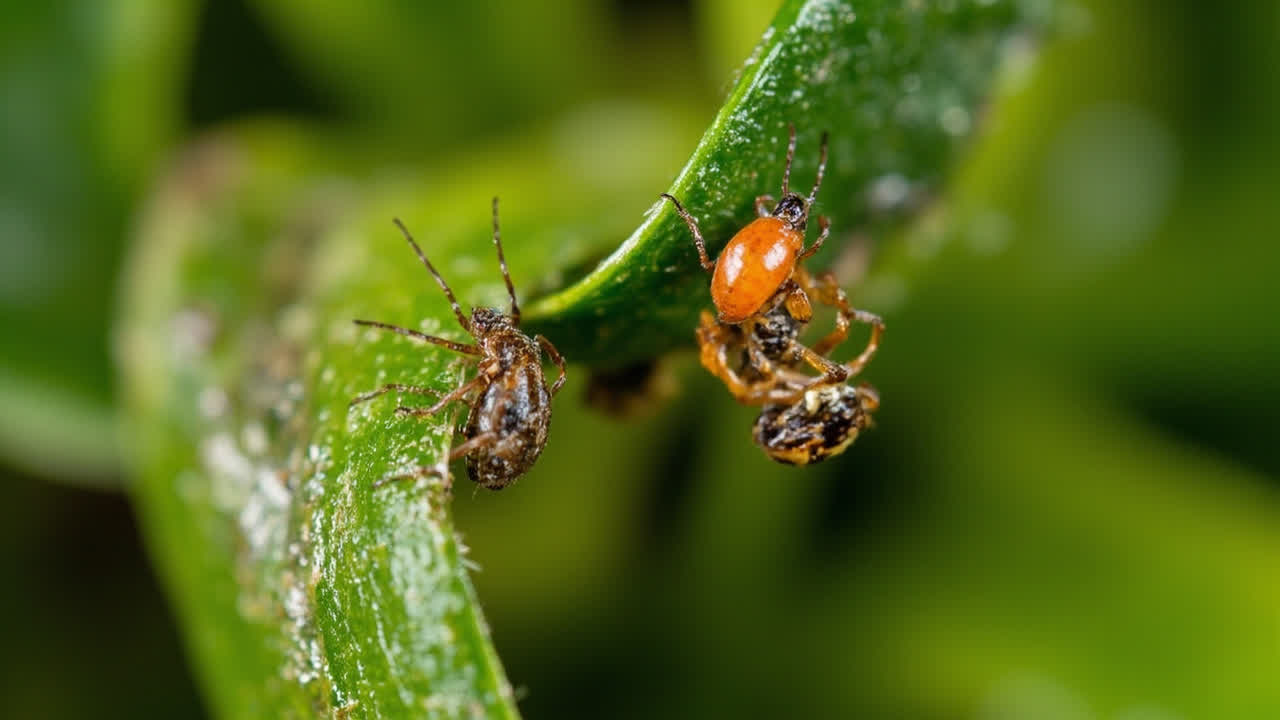

indoor plant pests identification is the first step to saving sick houseplants and stopping an infestation from spreading to the rest of your collection.
Many indoor plant pests are tiny and hide in potting mix, leaf axils, or under leaves; matching visible insects with the location of damage—sticky residue, yellow leaves, webbing, or stippling—lets you narrow which pest is the culprit and choose the least harmful treatment.
If you can’t see insects, use symptom patterns, where the damage appears on the plant, and recent plant history (new purchases, overwatering, or outdoor exposure) to decide whether to quarantine, treat with neem oil spray or insecticidal soap, or repot in clean mix.
Why indoor plant pests go unnoticed until damage appears
Pests hide in protected spots (soil, leaf joints, root crowns) or breed quickly in life stages you can’t see, so visible damage often shows after populations are already large.
Small size and cryptic color let many pests avoid casual inspection; weekly close checks of leaf undersides, axils, and surface soil spot early signs such as tiny flies, sticky honeydew, or white fuzz before whole-plant decline. The University of Minnesota Extension’s guide to managing insects on indoor plants recommends inspecting plants weekly and gently tapping foliage over white paper to dislodge hidden pests for easier detection.
How pests get onto indoor plants
Pests arrive on new plants, contaminated potting mix, from open windows, or on tools and can spread quickly in warm, still rooms.
Quarantining new plants for two weeks, checking pots and roots when you buy, and using sterile potting mix reduce the chance of bringing pests home from nurseries or garden centers.
Fungus gnats (soil bugs): tiny flies above the soil
Fungus gnats are small, dark, mosquito-like flies you’ll notice hovering above potting mix; their larvae are pale and live in the top inch of damp soil.
Size & color: adults are 2–4 mm, dark grey to black; larvae are 3–5 mm and translucent white with a black head.
Location on plant: soil surface and root zone; damage pattern: larvae chew root hairs causing poor growth and yellow leaves on seedlings; reproduction rate: several generations per month in damp mix.
Treatment method: let soil dry between waterings, use yellow sticky traps for adults, apply Bti or beneficial nematodes to the soil, or repot into sterile mix if larvae persist.
Prevention strategy: avoid overwatering, use fast-draining potting mix with perlite, and inspect new soil bags for contamination. For step-by-step removal, see a guide on getting rid of gnats for houseplants.
Spider mites: fine webbing and stippling on leaves
Spider mites produce fine webbing and make leaves look stippled or bronzed where they’ve sucked out cell contents.
Size & color: mites are tiny (about 0.3–0.5 mm) and range from yellowish to red depending on species and life stage.
Location on plant: undersides of leaves and inner foliage; damage pattern: stippling, bronzing, and fine webbing; reproduction rate: very fast—populations can boom in 1–2 weeks in warm, dry air.
Treatment method: rinse leaves thoroughly, raise humidity, apply insecticidal soap or neem oil spray on contact, and consider predatory mites for biological control.
Prevention strategy: keep indoor humidity moderate, avoid dusty leaves, and isolate infested plants—the eggs resist quick sprays so repeat treatments are usually necessary.
Mealybugs: white fuzz and cottony clusters
Mealybugs look like white fuzz or cottony blobs tucked into leaf joints and along stems, leaving sticky honeydew and yellow leaves behind.
Size & color: adults and nymphs are 1–4 mm, white and waxy; their cottony filaments hide the body.
Location on plant: leaf axils, stem joints, leaf undersides and sometimes roots (root mealybugs); damage pattern: sap-sucking causes yellowing, stunted growth, and sticky residue that fosters sooty mold; reproduction rate: multiple generations per season if left unchecked.
Treatment method: dab individuals with alcohol on a cotton swab, use systemic insecticides for heavy infestations, or apply horticultural oil; for root mealybugs, wash roots and repot in clean mix.
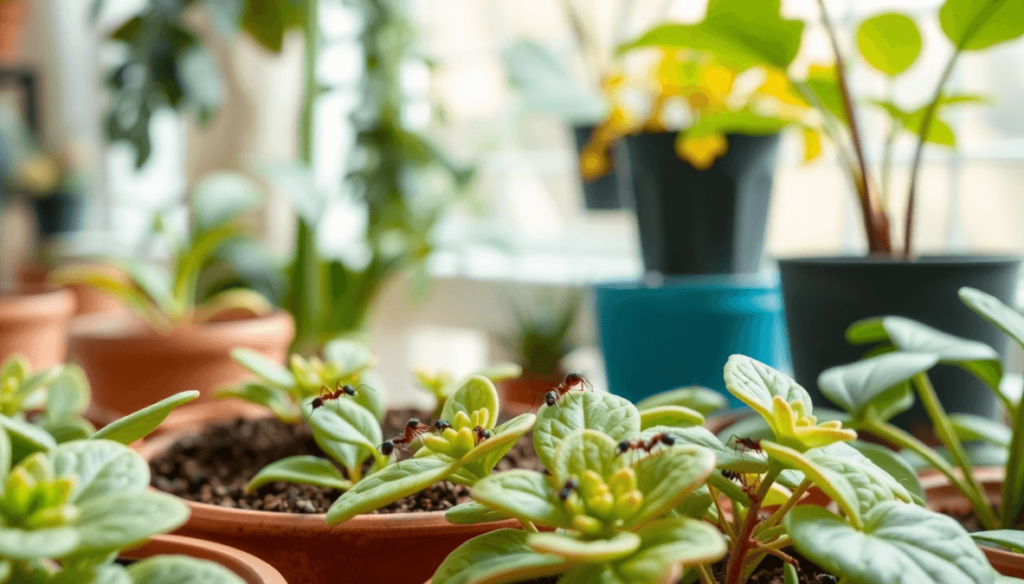
Prevention strategy: inspect new plants, quarantine purchases, and regularly check hidden spots; physical removal plus repeat checks reduces re-infestation risk. Ants are drawn to mealybug honeydew and will actively protect colonies from predators—deal with ants in your houseplants as part of your control plan.
Aphids: clusters on new growth
Aphids appear as clusters of soft-bodied insects on new shoots and buds and leave sticky honeydew that attracts ants.
Size & color: 1–4 mm, colors include green, black, brown, or white depending on species and host plant.
Location on plant: new growth, buds, and the underside of leaves; damage pattern: distorted or curled new leaves, sticky residue, and sometimes yellow leaves; reproduction rate: very rapid—many reproduce live young without mating in warm weather.
Treatment method: blast with water, prune heavily infested growth, use insecticidal soap or neem oil spray for contact control, or encourage ladybugs and lacewings for longer-term control.
Prevention strategy: inspect new plants, remove nearby infested outdoor plants, and check for ant activity—ants often farm aphids for honeydew and defend them from natural predators.
Scale insects: hard or soft bumps on stems
Scale insects look like small bumps stuck to stems or leaf veins and cause slow decline and yellow leaves by sucking sap over time.
Size & color: 1–6 mm bumps; colors range from brown and tan (hard/armored scale) to pale and soft (soft scale).
Location on plant: stems, leaf veins, and undersides; damage pattern: yellowing, sticky residue, and sometimes sooty mold; reproduction rate: slower than aphids but populations persist because adults are immobile.
Treatment method: scrape off scales with a fingernail or soft brush, apply horticultural oil to smother immature stages, and follow up with repeat inspections.
Prevention strategy: inspect plant bases and hidden spots early, remove heavily infested material, and avoid stressing plants so they resist sap-sucking pests better. For detailed identification and pesticide tables, the Clemson Cooperative Extension’s factsheet on common houseplant insects and related pests covers scale species, treatment timing, and product selection.
Thrips: silver streaks and black specks
Thrips cause silvery streaks on leaves, black specks of frass, and distorted flowers by rasping tissue and sucking cell juices.
Size & color: tiny (1–2 mm), slender, usually yellowish or dark; adults are narrow and quick-moving.
Location on plant: flowers, buds, and leaf folds; damage pattern: silvering, black specks, and poor flower formation; reproduction rate: several generations per season, often building quickly in warm conditions.
Treatment method: use sticky traps, prune damaged tissue, and apply insecticidal soap or neem oil to contact adults; integrate predatory insects for longer-term suppression.
Prevention strategy: check flowers and buds regularly, isolate affected plants, and remove heavily damaged blooms to reduce breeding sites.

Identifying indoor plant pests early helps prevent widespread infestation and keeps your houseplants healthy.
Whiteflies: tiny white moths that fly up
Whiteflies are small, white, moth-like insects that scatter from the underside of leaves when disturbed and leave sticky honeydew.
Size & color: 1–3 mm, white and powdery as adults; nymphs are flat and scale-like before becoming winged adults.
Location on plant: undersides of leaves; damage pattern: yellowing, sticky residue, and reduced vigor; reproduction rate: rapid in warm, sheltered indoor conditions.
Treatment method: vacuum adults off leaves, use yellow sticky traps, and spray with insecticidal soap; repeat treatments to catch successive generations.
Prevention strategy: inspect new foliage closely and isolate plants showing the first signs of adults or sticky residue.
Quick identification chart
Match what you see to the likely pest and act proportionally—start with quarantine and low-toxicity methods before chemical options.
| Pest | Size/Color | Where to Look | Damage Pattern | Immediate Action |
|---|---|---|---|---|
| Fungus Gnats | 2–4 mm, dark flies; pale larvae in soil | Soil surface, root zone | Seedling decline, yellow leaves, root damage | Dry soil, yellow sticky traps, Bti/nematodes |
| Spider Mites | 0.3–0.5 mm, yellow to red mites | Underside of leaves, inner foliage | Stippling, bronzing, fine webbing | Rinse leaves, increase humidity, insecticidal soap, predatory mites |
| Mealybugs | 1–4 mm, white waxy/cottony | Leaf axils, stem joints, roots | Sticky honeydew, yellow leaves, cottony tufts | Swab with alcohol, systemic or oil, repot root infestations |
| Aphids | 1–4 mm, green/black/white | New growth, buds, undersides | Distorted growth, sticky residue | Blast with water, insecticidal soap, ladybugs |
| Scale | 1–6 mm bumps, hard or soft | Stems, leaf veins | Yellowing, sticky residue, slow decline | Scrape off, horticultural oil, repeat checks |
| Thrips | 1–2 mm, slender yellow/dark | Flowers, leaf folds | Silvering, black specks, distorted flowers | Sticky traps, prune, insecticidal soap |
| Whiteflies | 1–3 mm, white powdery adults | Underside of leaves | Yellow leaves, honeydew | Vacuum adults, sticky traps, soap sprays |
Pest prevention: keep indoor plants bug-free
Prevention combines quarantining, cultural care, and regular checks to reduce the chance pests establish and reproduce.
Quarantine new plants for two weeks, check pots and roots, and keep watering schedules consistent to avoid conditions that favor fungus gnats and root-feeding pests.
Use sterile potting mix, avoid overwatering, maintain airflow and good light, and clean tools and pots between uses; for low-toxicity routine protection rotate neem oil spray and insecticidal soap on tolerant species. If you’re already dealing with an infestation, this guide on getting rid of bugs in houseplants covers treatment options for the most common invaders.
For companion strategies and plant choices that reduce pest pressure, read about indoor plants that keep bugs away.
Common questions answered
How do I know which pest I have? Look at insect size, color, and where damage occurs: soil-surface flies point to fungus gnats, webbing and stippling point to spider mites, and white fuzz in leaf axils is almost always mealybugs.
Are the tiny flies in my soil dangerous? Fungus gnats usually harm seedlings and sensitive roots but are mainly a nuisance for mature plants; their larvae can damage roots if populations are high and soil stays wet.
Why are there webs on my plant? Fine webs and stippling are the classic sign of spider mites; increase humidity and rinse leaves to reduce numbers, then treat with insecticidal soap if needed.
What’s the white fuzzy stuff on stems? White fuzz is typically mealybugs or root mealybugs; check leaf axils and the root ball and treat with alcohol swabs, horticultural oil, or repotting for root infestations.
How did pests get on my indoor plant? Pests come from new plants, contaminated soil, outdoor air, tools, or nearby infested plants; quarantining new purchases and inspecting plants before bringing them inside stops most introductions.
What to do first: a decision checklist
If you spot pests: 1) Isolate the plant (quarantine), 2) Identify by size/location/damage, 3) Start with low-toxicity controls (water blast, sticky traps, soap/Neem), 4) Repeat checks weekly, 5) Escalate to repotting or systemic treatment if needed.
Indoor plant pests identification
Accurate indoor plant pests identification uses insect appearance, damage patterns (yellow leaves, sticky residue, webbing, stippling), and location on the plant to match the right treatment and prevention strategy—catching pests early saves plants and reduces chemical use. For a broader reference on houseplant insect biology and control, the University of Minnesota Extension’s overview of houseplant pests provides research-based guidance on identification, monitoring, and least-toxic treatment options.
Turn That PDF Into a Spreadsheet in Minutes
You've seen how to do it manually — now let the tool handle the heavy lifting. Upload your bank statement and get Excel, CSV, or QBO in a few clicks.
Try It Free