Bluecrop is the most widely planted mid-season blueberry variety in the world, and for one simple reason: it works. If you are growing blueberries for the first time and want a variety that forgives inconsistent attention, handles variable soil conditions better than most, and produces a reliable crop of medium-to-large berries every summer, Bluecrop is the answer. It is not the most exciting variety to grow—but in home gardens, reliability beats novelty every time.
Variety Characteristics and Growth Habits
Bluecrop is a northern highbush variety (Vaccinium corymbosum) released by the USDA in 1952, which makes it one of the oldest commercial varieties still in widespread production. That longevity tells you something about its adaptability. The plant grows to 4 to 6 feet tall with an upright, open form that makes harvesting straightforward. It is more tolerant of imperfect drainage than many highbush varieties—still not happy in waterlogged soil, but more forgiving of borderline conditions than Duke or Blueray.
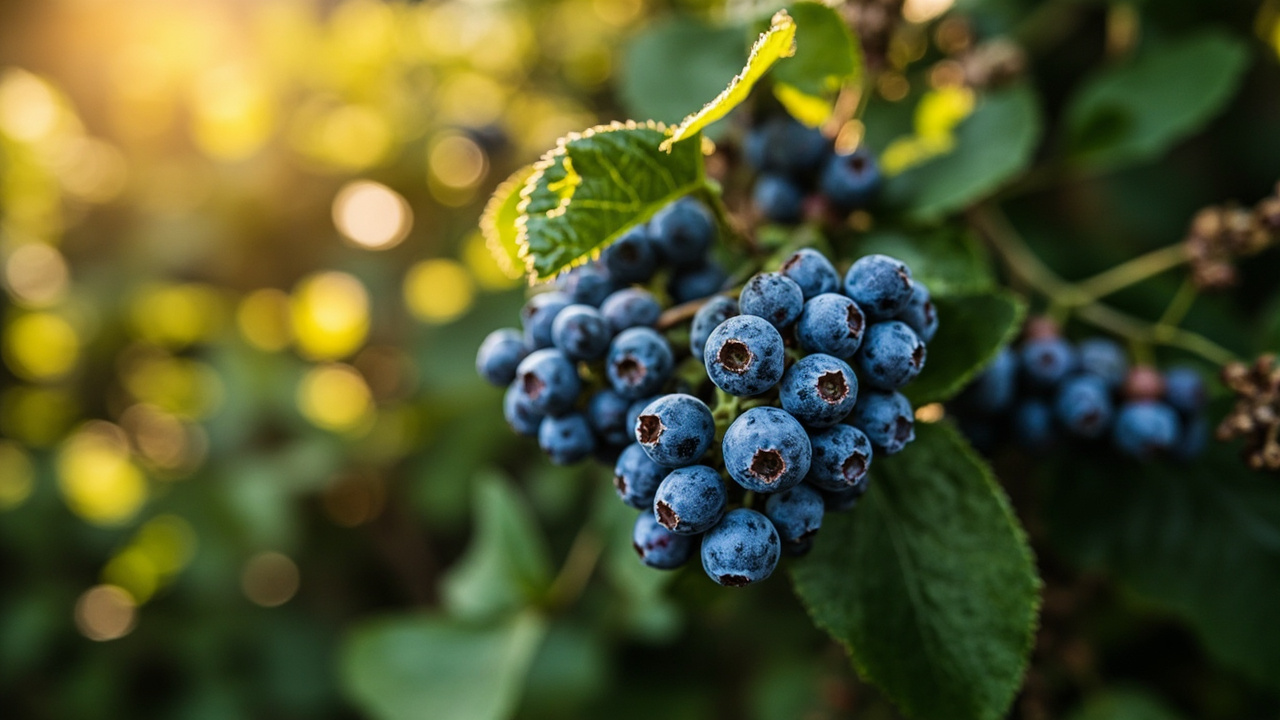
The berries ripen in mid-summer, typically 7 to 10 days after Duke and continuing for 3 to 4 weeks. Fruit size is medium to large, with good firmness and a classic blueberry flavor that balances sweetness and acidity. Bluecrop is the variety most often used in commercial u-pick operations for this combination of reliable ripening, easy picking, and consistent flavor that appeals to a broad range of palates.
Why Bluecrop Is the Industry Standard
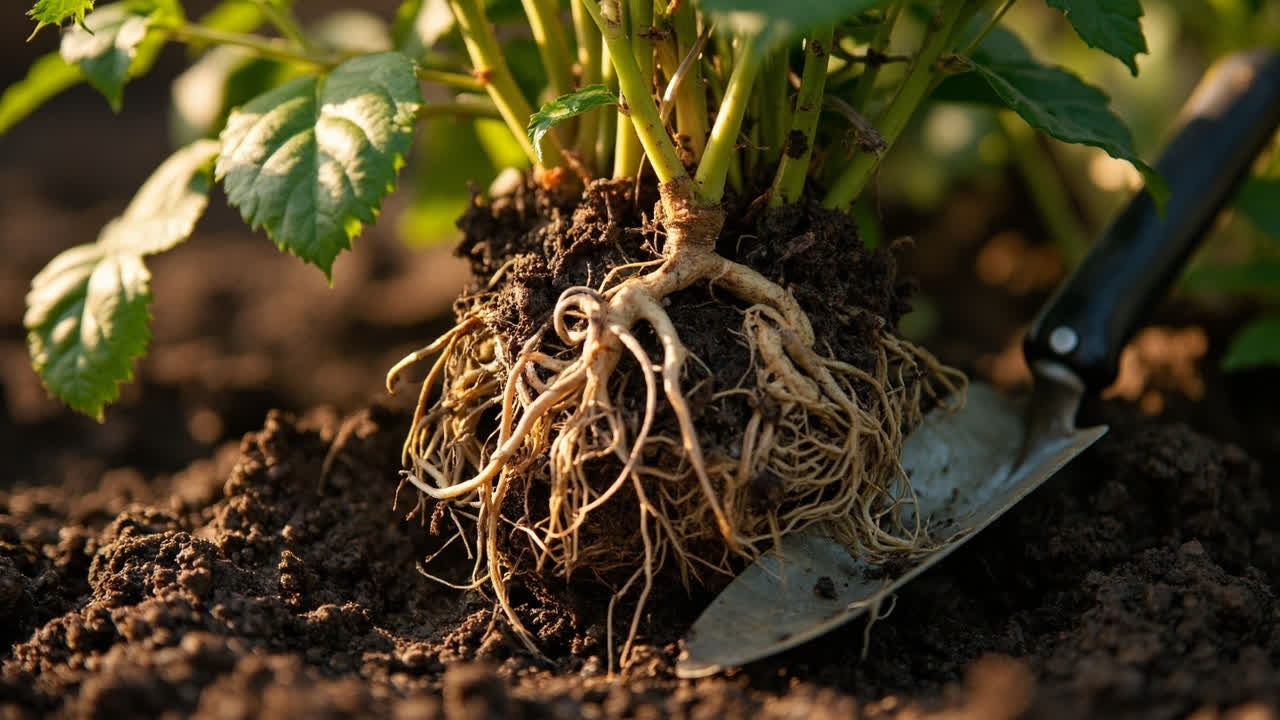
Bluecrop’s dominance comes from two characteristics that matter more in practice than in catalogs: drought tolerance and soil adaptability. Once established, a healthy Bluecrop bush handles short dry periods without the immediate wilting and berry shriveling that stresses more temperamental varieties. This makes it more forgiving for home gardeners who cannot irrigate daily during hot spells. You can read more about watering fundamentals in our blueberry plant care overview.
Bluecrop also tolerates a wider soil pH range than most highbush varieties—not that it likes alkaline conditions, but it handles pH up to about 5.5 more gracefully than other northern highbush types. If you’ve amended your soil but it is not perfectly in the 4.5–4.8 range, Bluecrop is more likely to survive and produce than a variety that requires tighter pH control. For step-by-step soil preparation, see our soil pH and fertilization guide.
Pollination Requirements
Bluecrop is partially self-fertile, but cross-pollination significantly improves both fruit set and berry quality. A single Bluecrop bush will produce some fruit on its own, but expect smaller clusters, more aborted flowers, and uneven ripening without a pollinator variety nearby. Plant Bluecrop within 50 to 100 feet of at least one other northern highbush variety for best results—Duke, Blueray, and Patriot are all compatible and overlap in bloom time. Our pollination guide explains why cross-pollination matters so much for blueberry yield and flavor.
If you have room for only one blueberry bush and want maximum reliability, choose a self-fertile variety like Northsky or consider a rabbiteye type if you are in a warm climate. Bluecrop rewards you most when it is not isolated. In a small garden where space is limited to one plant, consider growing Bluecrop in a large container where you can better control soil conditions and pollination access from nearby flowering plants.
Bloom Time and Frost Risk
Bluecrop blooms mid-season relative to other northern highbush varieties—approximately 3 to 5 days after Duke and before Polaris. This timing gives it better frost resilience than the earliest varieties, but it is not immune to late-spring frost damage. In regions where killing frosts occur in late April or early May, the difference of a few days in bloom date can mean the difference between a full crop and a significantly reduced one. Bluecrop is not the best choice in marginal frost zones, but it is among the better options for sites that frost-troubles Duke.
Water and Nutrition Needs
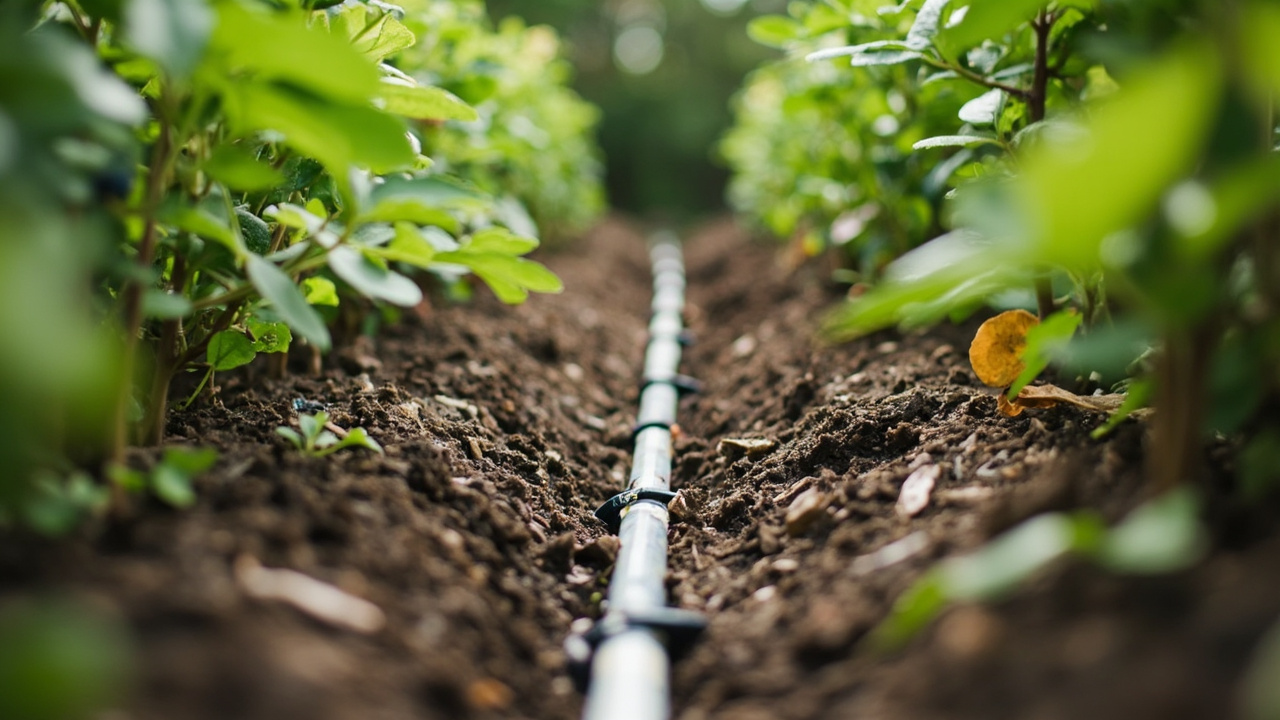
Bluecrop’s water needs are moderate. During fruit development and ripening—roughly from petal fall through harvest—keep soil consistently moist but not waterlogged. In hot climates or during heat waves, this can mean watering daily in containers or every 2 to 3 days in well-drained in-ground beds. The most critical watering window is the 3 to 4 weeks from first color change in the berries to final harvest; water stress during this period causes smaller berries and premature fruit drop.
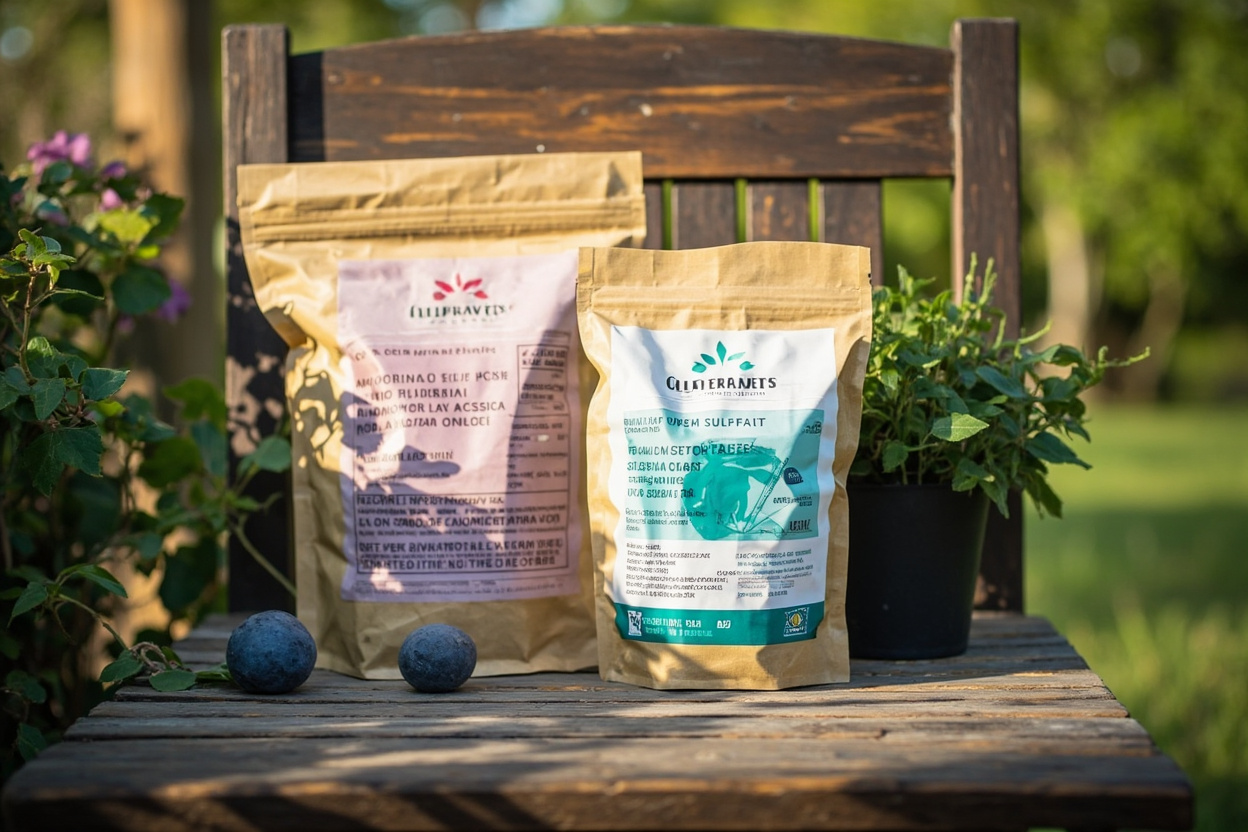
For fertilizer, apply an acidifying formulation such as ammonium sulfate (21-0-0) in early spring as new growth emerges, at the rate specified for your bush size (typically 1 to 2 ounces per year of plant age, up to a maximum of 8 ounces per mature bush). Avoid nitrate-based fertilizers—they provide nitrogen in a form blueberry roots cannot efficiently use and can actually induce toxicity. If you prefer organic options, cottonseed meal and fish hydrolysate both provide slow-release nitrogen while maintaining soil acidity.
Pruning Bluecrop
Bluecrop requires less aggressive pruning than most highbush varieties because of its naturally open, upright habit. The goal is to remove 3 to 5 of the oldest canes each winter during dormancy to maintain a balance of 1-to-6-year-old wood—young canes produce the largest, healthiest fruit buds. Remove any canes that are cracked, damaged, or show signs of dieback, and thin any canes growing into the center of the bush that would reduce air circulation. Our full pruning guide for blueberry bushes covers cane renewal cycles and the specific cuts that matter most for fruit production.
Do not prune Bluecrop heavily in the first three years after planting. Focus on removing flower buds the first two springs to direct the plant’s energy into root and cane development. Beginning in year three, light annual pruning during dormancy keeps the bush productive. Bluecrop is relatively forgiving of pruning mistakes—the plant generates new canes vigorously and recovers from over-pruning better than slower-growing varieties.
When to Expect Full Production
A healthy Bluecrop bush planted in good soil and maintained properly will reach full production by year four or five. In years two and three, expect light crops—enough to taste your own blueberries but not enough to preserve or bake with. By year four, a mature Bluecrop can produce 7 to 10 pounds of fruit per season under good conditions, with peak production continuing for 15 to 20 years with proper annual maintenance.
Turn any PDF statement into a clean sheet
Skip the typos and the hours of copying. Our converter handles any bank statement format and outputs Excel, CSV, or QBO for QuickBooks. No file retention, free to try.
Convert your statement